

Tents Australia: A Complete Guide for Outdoor Enthusiasts
RankPill on 22nd Feb 2026
The Australian outdoor market presents unique challenges and opportunities for camping enthusiasts seeking reliable shelter solutions. From the tropical humidity of Queensland to the alpine conditions of Tasmania, understanding tents Australia requires consideration of diverse environmental factors, material quality, and practical setup requirements. Whether you're planning a weekend coastal escape or an extended outback expedition, selecting appropriate camping shelter determines the success of your outdoor adventure.
Understanding the Australian Tent Market Landscape
The tents Australia market has experienced steady growth throughout recent years, driven by increasing domestic tourism and a renewed appreciation for outdoor activities. According to market analysis forecasting modest growth, Australia's tent industry demonstrates consistent demand across recreational and emergency preparedness sectors. This growth reflects changing consumer priorities towards sustainable tourism and experiential travel.
Australia's geographical diversity creates specific demands for tent performance. Coastal regions require superior waterproofing and wind resistance, whilst inland areas necessitate excellent ventilation and UV protection. The market responds by offering specialised designs catering to these varied conditions.
Key Market Characteristics
The Australian tent industry distinguishes itself through several defining features that influence purchasing decisions and product development:
- Climate adaptation: Products designed specifically for extreme heat, UV exposure, and sudden weather changes
- Durability standards: Higher expectations for material longevity due to harsh environmental conditions
- Seasonal variations: Distinct camping seasons influencing inventory and product availability
- Import dependencies: Significant reliance on international suppliers for specific tent categories
Market statistics indicate that import values and volumes continue to shape the tents Australia landscape, with forecasts projecting steady demand through 2035. This sustained growth creates opportunities for both established brands and innovative newcomers.
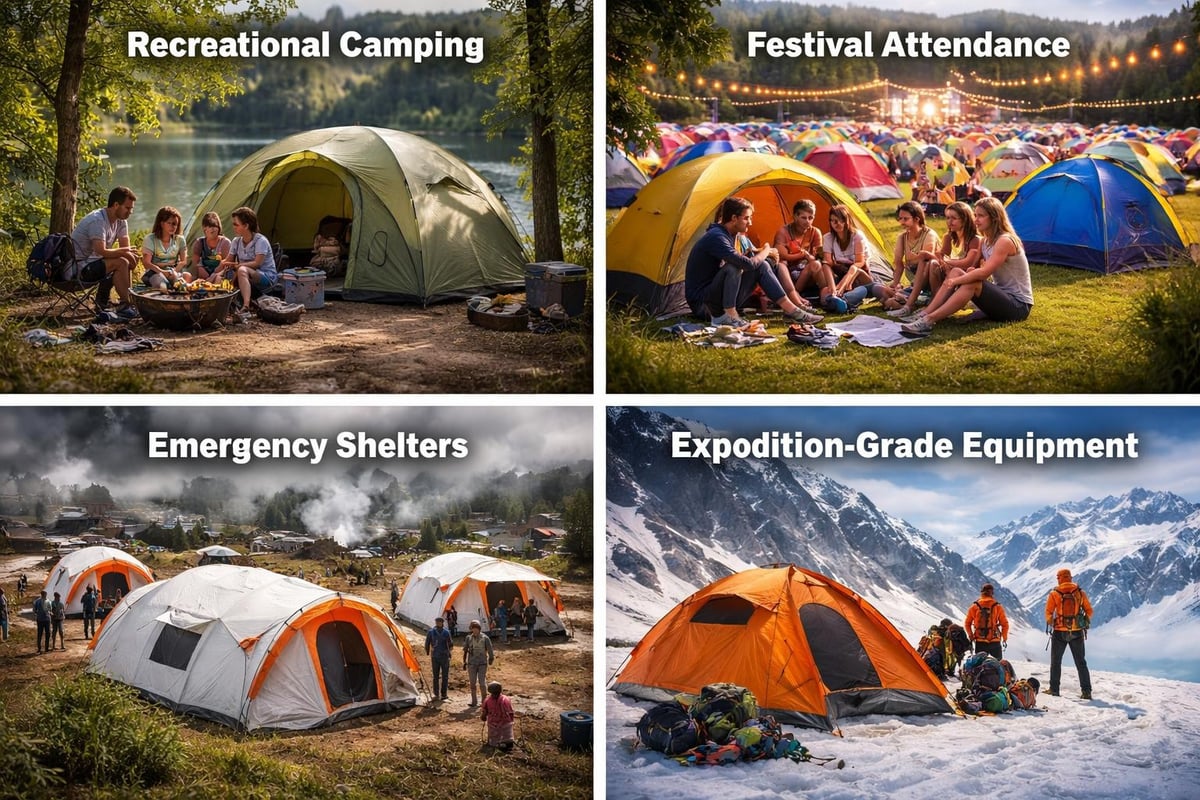
Selecting the Right Tent for Australian Conditions
Choosing appropriate shelter requires understanding how Australian conditions differ from other global markets. The intense UV radiation, unpredictable weather patterns, and varied terrain demand careful consideration when investing in camping equipment.
Essential Selection Criteria
When evaluating tents Australia options, outdoor enthusiasts should prioritise several critical factors. Material composition significantly affects performance, with canvas offering superior breathability whilst synthetic fabrics provide lighter weight options. The practical advice on choosing the right tent emphasises assessing your specific camping style before committing to purchase.
Setup complexity varies dramatically between tent designs. Pop-up models offer convenience for casual campers, whilst expedition tents require greater assembly time but deliver enhanced structural integrity during adverse weather. Consider your experience level and typical camping duration when evaluating setup requirements.
| Tent Type | Best Conditions | Setup Time | Weight Range |
|---|---|---|---|
| Dome | Moderate weather | 10-15 mins | 3-6 kg |
| Tunnel | High winds | 15-20 mins | 4-8 kg |
| Canvas swag | All seasons | 5-10 mins | 8-15 kg |
| Pop-up | Fair weather | 2-5 mins | 2-4 kg |
Seasonal considerations influence tent selection dramatically across Australia's diverse climate zones. Summer camping demands exceptional ventilation to combat heat and humidity, whilst winter expeditions require robust insulation and weatherproofing. Multi-season tents offer versatility but typically command premium pricing.
Material Technology and Durability
The tents Australia market showcases various material technologies, each offering distinct advantages. Ripstop nylon provides excellent strength-to-weight ratios, making it ideal for backpacking adventures. Polyester delivers superior UV resistance, crucial for Australian conditions where sun exposure accelerates material degradation.
Canvas remains popular amongst experienced campers who prioritise breathability and durability. High-quality canvas tents regulate internal temperature more effectively than synthetic alternatives, creating comfortable sleeping environments despite external temperature fluctuations. This traditional material excels in Australian conditions where condensation management proves critical.
Modern manufacturing incorporates advanced treatments enhancing performance characteristics. Silicone coatings improve waterproofing whilst maintaining breathability, and antimicrobial treatments prevent mould growth in humid environments. These technological advances justify higher price points for premium tents Australia products.
Popular Camping Destinations and Tent Requirements
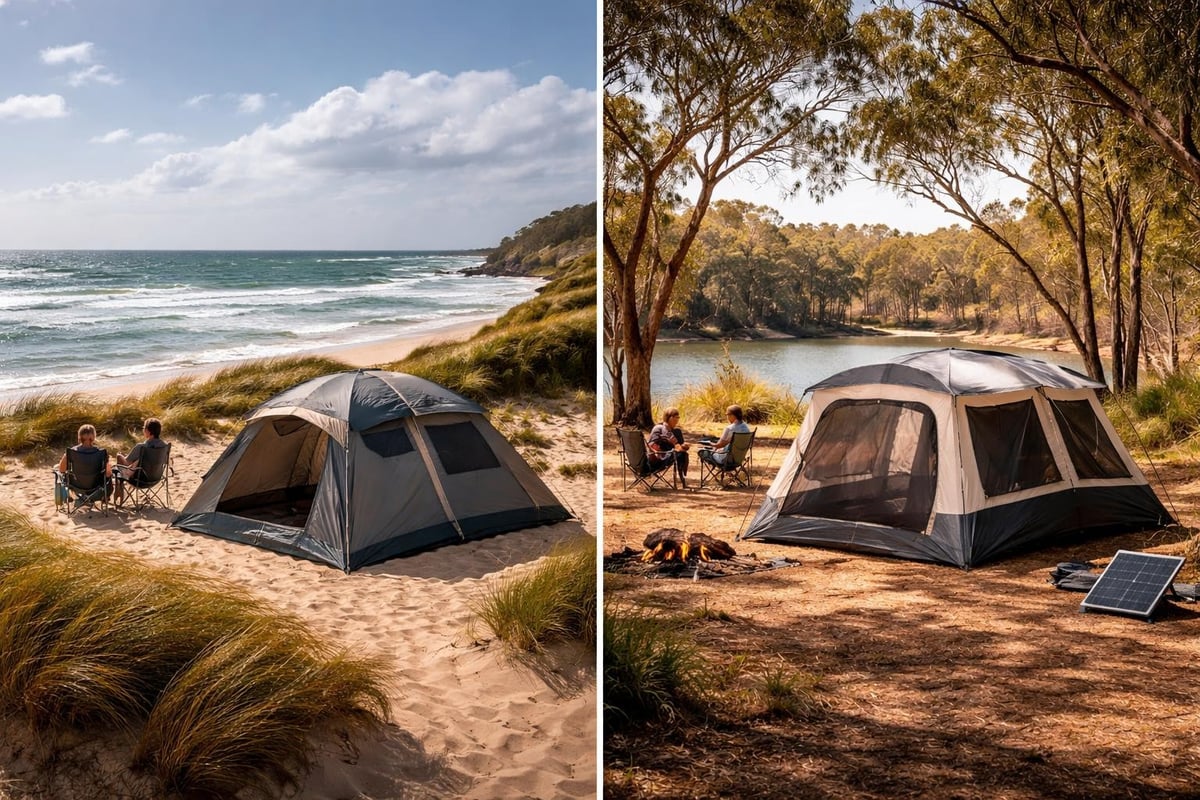
Australia's remarkable landscapes offer countless camping opportunities, each presenting unique shelter requirements. Coastal camping sites expose tents to salt-laden winds and high humidity, demanding corrosion-resistant hardware and rapid-drying fabrics. Inland locations present intense UV exposure and temperature extremes requiring different protective features.
Coastal Camping Considerations
Beach camping represents one of Australia's most beloved outdoor activities, but coastal environments challenge tent performance. Sand ingress, strong winds, and salt corrosion require specific design features. Ground sheets with raised edges prevent sand accumulation, whilst reinforced guy ropes and robust pegging systems ensure stability during gusty conditions.
Preparing properly for coastal adventures means considering essential warm outdoor clothing alongside shelter selection, as coastal temperatures fluctuate dramatically between day and night.
Alpine and High-Country Camping
Mountain camping demands expedition-grade tents capable of withstanding snow loads, high winds, and sub-zero temperatures. Four-season tents designed for Australian alpine conditions feature reinforced pole structures, smaller ventilation panels to retain heat, and snow skirts preventing wind-driven precipitation entering the tent base.
The Australian Alps experience genuine winter conditions requiring proper preparation. Beyond tent selection, campers should invest in waterproof rain jacket options and appropriate insulation to ensure safety and comfort.
Outback Expeditions
Remote outback camping presents perhaps the most demanding conditions for tents Australia. Extreme temperature variations between day and night, intense UV radiation, and isolation from emergency services necessitate robust, reliable shelter. Canvas swags excel in these environments, offering proven durability and excellent temperature regulation.
Experienced outback campers often favour minimalist setups incorporating tarps and swags rather than traditional tents. This approach reduces weight whilst maintaining versatility. Learning 10 great reasons to try tarp camping helps adventurers understand alternative shelter configurations suited to Australian conditions.
Maintenance and Longevity Best Practices
Proper tent care dramatically extends equipment lifespan, particularly important given Australia's harsh environmental conditions. Regular maintenance routines prevent common failures and preserve waterproofing treatments essential for reliable performance.
Cleaning and Storage Protocols
Post-trip cleaning removes damaging contaminants before storage. Brush away dry dirt and debris, then spot-clean stains using mild soap and lukewarm water. Never machine wash tents, as agitation damages waterproof coatings and seam tape. Allow complete drying before storage to prevent mould and mildew development.
- Erect tent in shaded area for initial drying
- Wipe down all surfaces with damp cloth
- Inspect seams, zippers, and stress points for damage
- Apply appropriate reproofing treatments if required
- Store loosely packed in breathable storage sack
Storage environment affects long-term tent condition. Avoid compressed storage, which stresses fabric fibres and coating. Store in cool, dry locations away from direct sunlight, chemicals, and petroleum products. Periodically check stored tents for pest damage or moisture accumulation.
Repair and Reproofing
Minor repairs prevent catastrophic failures during critical moments. Carry repair tape, spare guy ropes, and replacement tent pegs on extended trips. Address small tears immediately using adhesive repair patches designed for your tent's specific material composition.
Waterproof coatings degrade over time, particularly under intense Australian UV exposure. Reapply appropriate treatments every 12-24 months depending on usage frequency. Different materials require specific products; consult manufacturer guidelines before applying aftermarket treatments.
| Maintenance Task | Frequency | Time Required | Difficulty |
|---|---|---|---|
| Basic cleaning | After each trip | 30-45 mins | Easy |
| Seam sealing | Annually | 60-90 mins | Moderate |
| Pole inspection | Bi-annually | 15-20 mins | Easy |
| Guy rope replacement | As needed | 10-15 mins | Easy |
| Reproofing treatment | 12-24 months | 45-60 mins | Moderate |
Event and Festival Tent Usage Trends
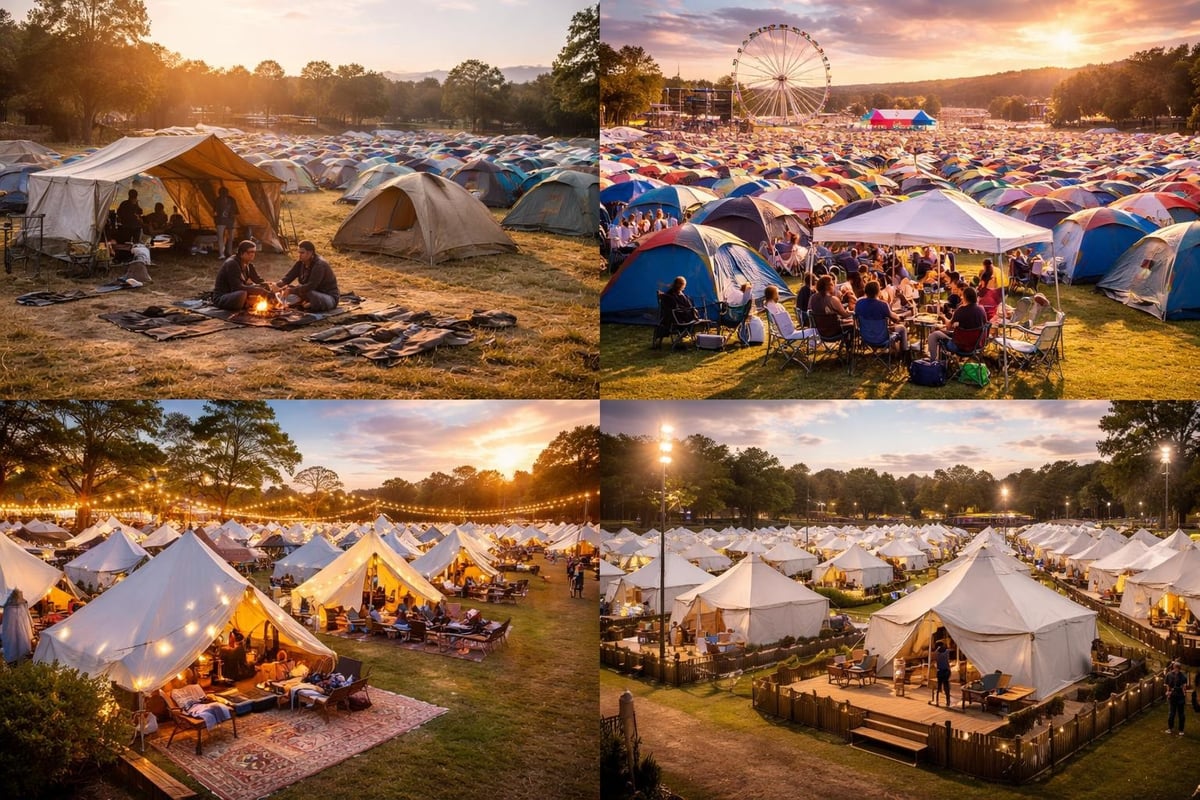
Beyond recreational camping, tents becoming more popular in Australia extends to event hosting and festival attendance. Temporary shelter solutions support outdoor gatherings ranging from intimate celebrations to large-scale music festivals, creating distinct market segments within the broader tents Australia industry.
Festival Camping Culture
Music festivals and cultural events drive significant tent demand during peak seasons. Festival-goers prioritise quick setup, compact transport size, and affordability over long-term durability. This segment influences product development, encouraging manufacturers to create specialised offerings balancing cost and convenience.
Festival environments present unique challenges including crowded campsites, limited setup space, and heightened security concerns. Securing valuables whilst attending events requires thoughtful planning; understanding how to keep your valuables safe day and night proves essential for festival camping success.
Emergency and Humanitarian Applications
Australia's susceptibility to natural disasters creates demand for emergency shelter solutions. Emergency Management Australia's guidelines outline site selection and setup protocols for temporary accommodation during crisis situations. These standards influence commercial tent design, encouraging features supporting rapid deployment and extended occupation.
Innovations Shaping Future Tent Design
The tents Australia market continues evolving through material science advances and changing consumer expectations. Sustainability concerns drive development of recyclable fabrics and eco-friendly manufacturing processes, whilst technological integration introduces smart features previously unavailable in camping equipment.
Sustainable Material Development
Environmental consciousness influences purchasing decisions across outdoor equipment categories. Manufacturers respond by developing tents using recycled materials, organic cotton canvas, and biodegradable waterproofing treatments. These innovations address ecological concerns whilst maintaining performance standards demanded by Australian conditions.
Carbon footprint considerations extend beyond material selection to manufacturing processes and product longevity. Durable tents requiring less frequent replacement generate lower lifetime environmental impact despite potentially higher initial costs. This perspective aligns with broader sustainability movements influencing consumer behaviour.
Integrated Technology Features
Modern tents increasingly incorporate technological conveniences enhancing user experience. Built-in solar panel compatibility, USB charging ports, and integrated lighting systems reflect evolving expectations amongst contemporary campers. These features particularly appeal to younger demographics and those transitioning from traditional accommodation to outdoor experiences.
Smart fabric technologies regulate internal temperature through phase-change materials and reflective coatings. These advances prove particularly valuable in Australia where extreme temperature variations challenge comfortable sleeping conditions. Understanding 7 ways to warm winter camping complements selecting tents with appropriate thermal properties.
Comparing International and Australian Tent Standards
Global tent markets exhibit regional variations reflecting local conditions and consumer preferences. The tents Australia sector demonstrates unique characteristics distinguishing it from European, North American, and Asian markets, influencing both product availability and pricing structures.
Regional Design Differences
European tents typically prioritise compact design and lightweight construction suited to established campsite infrastructure and moderate weather patterns. These characteristics prove less suitable for remote Australian camping where infrastructure remains minimal and conditions more extreme.
North American designs share some similarities with Australian requirements, particularly regarding wilderness camping capabilities. However, differences in typical trip duration, vehicle-based versus backpacking preferences, and climate zones create distinct product emphases.
Australian-specific designs often incorporate features rarely seen internationally: enhanced UV protection, superior ventilation for tropical climates, and robust construction for extended remote use. Understanding these distinctions helps consumers evaluate imported products against local requirements.
Quality Standards and Certifications
International quality standards provide baseline performance expectations, though Australian conditions often exceed typical testing parameters. Humanitarian tent standards established by organisations like the Office for the Coordination of Humanitarian Affairs outline minimum requirements for emergency shelters, influencing commercial product development.
Reputable manufacturers subject products to rigorous testing simulating extreme conditions: sustained high winds, heavy rainfall, intense UV exposure, and temperature cycling. These protocols ensure tents meet performance claims under real-world Australian usage scenarios.
Complementary Equipment and Accessories
Optimal camping experiences require coordinating shelter with appropriate supporting equipment. The tents Australia market encompasses extensive accessory ranges enhancing comfort, convenience, and safety during outdoor adventures.
Essential Accessories
Ground protection extends tent lifespan whilst improving sleeping comfort. Footprints custom-fitted to specific tent models prevent punctures from sharp objects and reduce condensation transmission. Generic groundsheets offer budget-friendly alternatives, though precise fitting provides superior protection.
Quality tent pegs appropriate to ground conditions ensure structural stability. Standard aluminium pegs suit firm ground, whilst specialised sand or snow pegs accommodate challenging surfaces. Carrying varied peg types prepares campers for unexpected ground conditions.
- Repair kits: Material-specific patches, spare guy ropes, pole splints
- Ventilation aids: Additional vents, mesh panels, ridge ventilators
- Storage solutions: Internal pockets, hanging organisers, gear lofts
- Lighting systems: LED strips, lantern hooks, external marker lights
- Weather protection: Storm straps, additional guy ropes, reinforcement patches
Integrated Camping Systems
Experienced campers develop comprehensive equipment systems where components work synergistically. Matching tents with appropriate sleeping bags, insulation mats, and cooking equipment creates efficient setups maximising comfort whilst minimising bulk. Exploring 9 must-have best outdoor gadgets reveals modern accessories complementing traditional shelter solutions.
Modular approaches using tarps and swags alongside or instead of conventional tents provide flexibility for varying conditions and group sizes. This versatility proves particularly valuable during extended trips where requirements change between different camping locations.
Investment Considerations and Value Assessment
Tent purchases represent significant investments requiring careful financial consideration balanced against expected usage patterns and performance requirements. The tents Australia market offers options spanning entry-level products through expedition-grade equipment, each tier delivering distinct value propositions.
Price Point Analysis
Budget tents typically range between £50-150, offering basic weather protection suitable for occasional fair-weather camping. These options serve beginners exploring outdoor activities without substantial financial commitment. However, limited durability and inferior materials often necessitate replacement within several seasons.
Mid-range tents priced £150-400 deliver substantially improved performance, incorporating better materials, enhanced weatherproofing, and superior construction quality. This segment represents optimal value for regular campers seeking reliable equipment without premium pricing.
Premium and expedition-grade tents exceeding £400 provide exceptional durability, advanced materials, and specialised features justifying higher costs through extended service life and superior performance during challenging conditions. These investments suit dedicated outdoor enthusiasts undertaking frequent or extreme adventures.
| Price Range | Typical Features | Expected Lifespan | Best For |
|---|---|---|---|
| Under £150 | Basic materials, simple design | 1-3 years | Occasional campers |
| £150-300 | Quality fabrics, good weatherproofing | 3-7 years | Regular users |
| £300-500 | Advanced materials, multi-season | 7-12 years | Frequent campers |
| Over £500 | Expedition-grade, specialised features | 12+ years | Serious adventurers |
Long-Term Value Considerations
Cost per use provides more meaningful value assessment than initial purchase price. A premium tent used 30 nights annually for 10 years delivers significantly better value than budget options requiring replacement every two years. Calculate expected usage frequency against purchase price to determine genuine affordability.
Resale value affects overall ownership costs. Quality tents from reputable manufacturers retain substantial value when properly maintained, offsetting initial investment through secondary market recovery. Budget options typically offer negligible resale potential.
Practical Setup and Pitching Techniques
Efficient tent setup requires understanding design-specific techniques and environmental considerations. Australian camping often occurs in challenging conditions demanding adaptable skills beyond basic assembly knowledge.
Site Selection Fundamentals
Proper site selection prevents common camping discomforts and safety hazards. Choose level ground free from rocks, roots, and depressions where water accumulates. Assess overhead hazards including dead branches ("widow makers") and potential rockfall in mountainous terrain.
Natural shelter from prevailing winds reduces structural stress whilst improving internal comfort. Position tent openings away from wind direction, using natural features like vegetation or terrain for protection. However, maintain adequate clearance from combustible materials if campfire cooking is planned.
Consider morning sun exposure when positioning tents. East-facing entrances facilitate natural drying of overnight condensation, whilst western orientations delay morning warmth. Seasonal variations affect optimal positioning strategies across different Australian regions.
Assembly Best Practices
- Prepare the site: Clear debris, level ground, position groundsheet
- Lay out components: Organise poles, stakes, rainfly before assembly
- Assemble frame: Connect poles, insert through sleeves or clips
- Secure structure: Drive stakes at proper angles, tension guy ropes
- Attach rainfly: Ensure proper alignment, adequate clearance from inner tent
- Final adjustments: Check tension, verify ventilation, test zippers
Guy rope management significantly affects wind resistance and structural integrity. Maintain proper tension without over-stressing fabric or poles. Use brightly coloured guy ropes or markers preventing trip hazards, particularly important in shared camping areas.
Weather forecasts influence setup priorities. When rain threatens, prioritise rainfly attachment over internal organisation. In stable conditions, focus on proper ventilation configuration preventing condensation accumulation.
Selecting appropriate shelter for Australian conditions requires balancing environmental demands, intended usage patterns, and budget considerations to find equipment delivering reliable performance across diverse camping scenarios. From coastal getaways to alpine expeditions, understanding the unique characteristics of tents Australia helps outdoor enthusiasts make informed decisions maximising adventure success. Whether you're just beginning your outdoor journey or seeking to upgrade existing equipment, Outhaus provides high-quality canvas swags, tarps, and camping gear designed for durability and performance in demanding conditions. Explore their comprehensive range of outdoor equipment to find shelter solutions that enhance your next camping experience with superior comfort and reliability.