

Outdoor Hiking Equipment: Essential Gear for 2026
RankPill on 17th Feb 2026
Preparing for a hiking adventure requires careful consideration of the gear you'll carry into the wilderness. Whether you're planning a day trek through the Peak District or a multi-day expedition in the Scottish Highlands, having the right outdoor hiking equipment can make the difference between an enjoyable experience and a potentially dangerous situation. The landscape of hiking gear has evolved significantly, with modern materials and design innovations offering better performance whilst reducing weight. Understanding which items are truly essential and how they work together as a system will help you make informed decisions that enhance both safety and comfort on the trail.
Understanding the Ten Essentials Framework
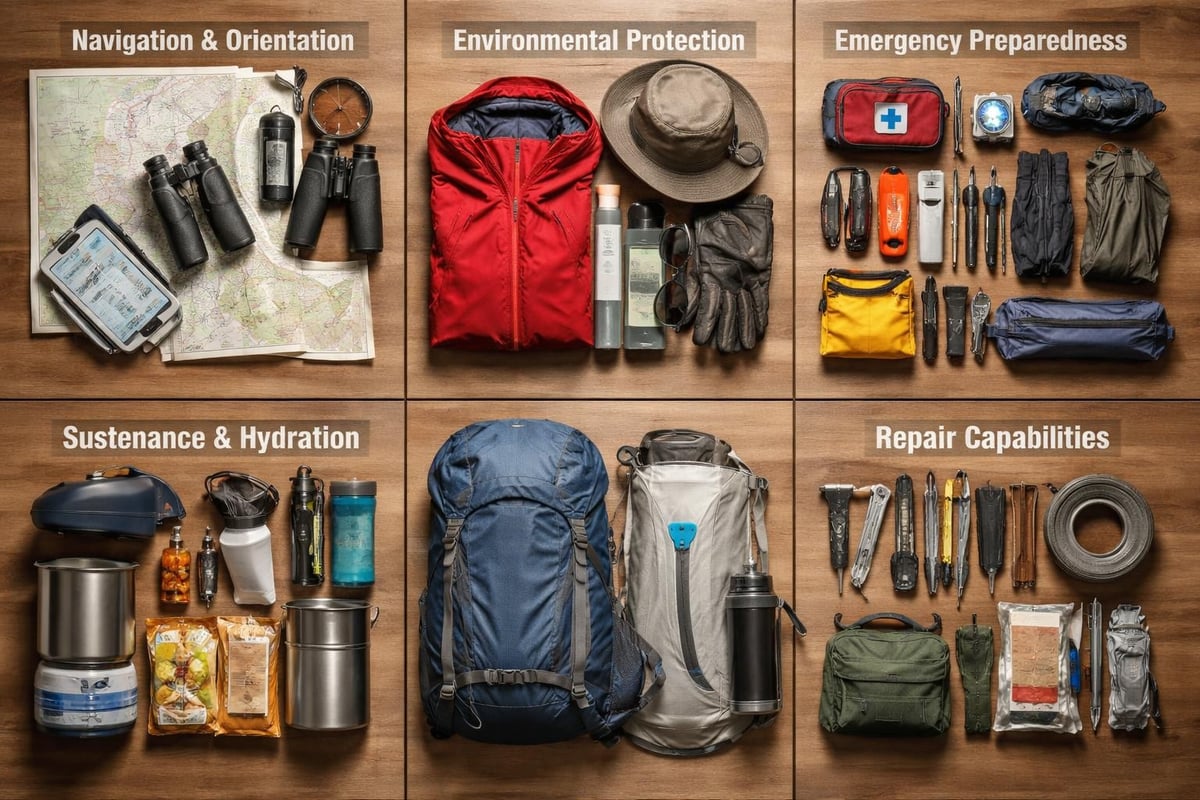
The foundation of any hiking kit begins with understanding what experienced outdoor enthusiasts consider truly necessary. The Ten Essentials framework developed by outdoor organizations provides a comprehensive starting point for assembling your outdoor hiking equipment collection.
These essentials fall into distinct categories that address different survival and comfort needs. Navigation tools ensure you can find your way, whilst sun protection and insulation safeguard your health. Fire-starting equipment and illumination become critical when unexpected situations arise, and first aid supplies address immediate medical needs.
The ten systems every hiker should carry include:
- Navigation (map, compass, GPS device)
- Sun protection (sunglasses, sunscreen, hat)
- Insulation (extra clothing layers)
- Illumination (headlamp, torch)
- First aid supplies
- Fire (matches, lighter, tinder)
- Repair kit and tools
- Nutrition (extra food)
- Hydration (extra water and purification)
- Emergency shelter
Building your kit around these categories ensures comprehensive preparedness regardless of your hiking destination or duration. Each item serves multiple purposes and contributes to your overall safety margin in the wilderness.
Shelter Systems for Trail and Camp
Your choice of shelter represents one of the most significant decisions in your outdoor hiking equipment selection. Traditional tents offer excellent protection but add considerable weight, whilst minimalist approaches like tarp camping provide versatility with reduced pack burden.
Canvas tarps have experienced renewed popularity amongst experienced hikers who appreciate their durability and breathability. Unlike synthetic materials that can trap condensation, quality canvas provides superior moisture management whilst withstanding harsh weather conditions. The benefits of tarp camping extend beyond weight savings to include adaptability in various terrain and weather scenarios.
Comparing Shelter Options
| Shelter Type | Weight Range | Weather Protection | Setup Complexity | Durability |
|---|---|---|---|---|
| Traditional Tent | 2-4kg | Excellent | Moderate | Good |
| Canvas Tarp | 1-3kg | Very Good | Variable | Excellent |
| Ultralight Tarp | 0.3-0.8kg | Good | High | Moderate |
| Bivvy Bag | 0.3-0.6kg | Moderate | Low | Good |
Swags offer an integrated solution particularly popular with adventurers seeking comfort without compromising on protection. These self-contained sleeping systems combine mattress, bedding, and weatherproof covering in a single roll, making camp setup remarkably efficient after a long day on the trail.
When selecting shelter as part of your outdoor hiking equipment, consider the climate zones you'll encounter and your skill level with different setup methods. A reliable shelter system provides psychological comfort as much as physical protection, allowing you to rest properly and maintain energy for the journey ahead.
Clothing and Layering Strategy
Effective clothing systems rank among the most critical outdoor hiking equipment investments you'll make. The layering principle remains fundamental, allowing you to regulate body temperature by adding or removing garments as conditions change throughout your hike.
Your base layer sits closest to skin and manages moisture through wicking properties. Merino wool and synthetic fabrics excel in this role, pulling perspiration away from your body to maintain comfort during exertion. Mid-layers provide insulation, trapping warm air whilst remaining breathable enough to prevent overheating during strenuous ascents.
Essential clothing components include:
- Moisture-wicking base layers (top and bottom)
- Insulating mid-layer (fleece or down jacket)
- Waterproof and breathable outer shell
- Quick-drying hiking trousers
- Warm hat and sun protection hat
- Technical hiking socks (multiple pairs)
- Gloves for alpine conditions
The outer shell deserves particular attention, as quality waterproof jackets protect you from both precipitation and wind whilst allowing perspiration to escape. Modern fabrics offer impressive performance, but the cut and features matter equally, with adjustable hoods, ventilation zips, and adequate pocket placement enhancing functionality.
Understanding what to do when rain arrives unexpectedly demonstrates why proper rain gear remains non-negotiable outdoor hiking equipment. British weather patterns particularly demand respect, with conditions capable of changing dramatically within hours.
Navigation and Communication Tools
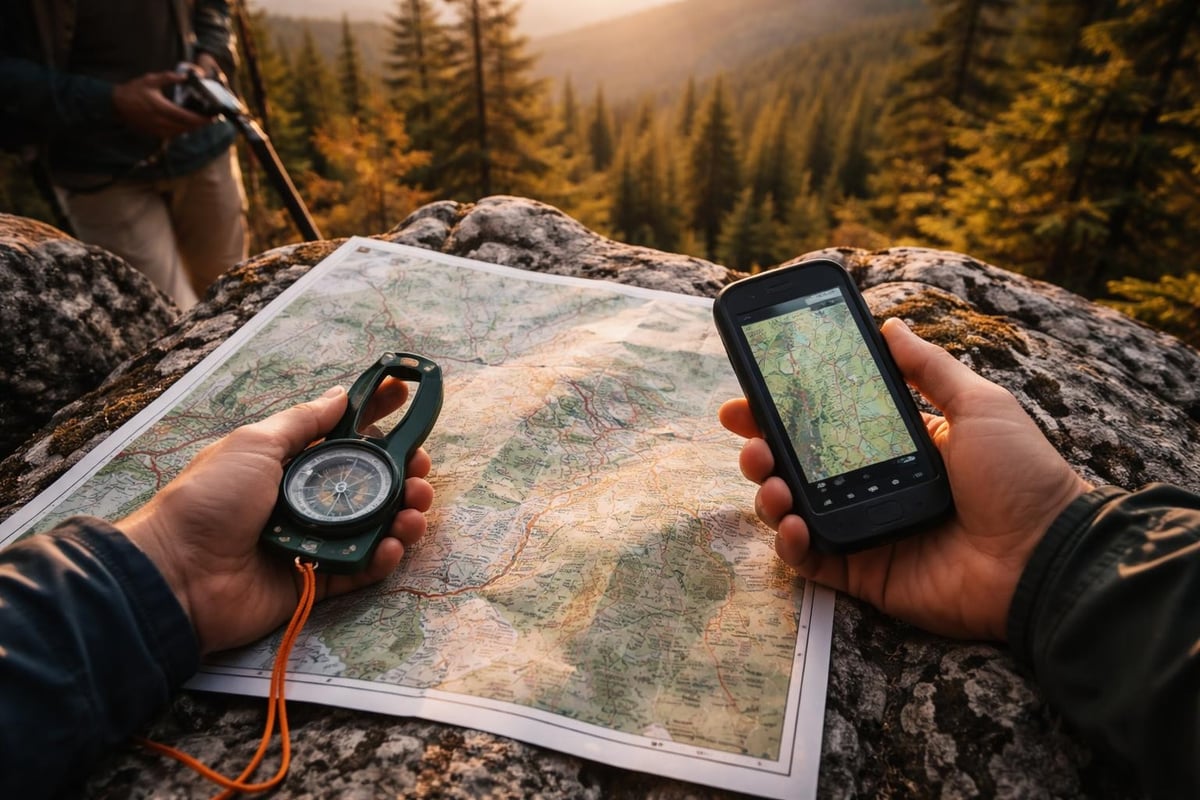
Even in an era of smartphone technology, traditional navigation tools remain essential outdoor hiking equipment. Map and compass skills provide reliability when electronic devices fail due to battery depletion, water damage, or lack of signal coverage.
Ordnance Survey maps at 1:25,000 scale offer exceptional detail for hiking across the UK, showing footpaths, elevation contours, and landmarks with precision. Learning to interpret these features and triangulate your position represents a fundamental outdoor skill that builds confidence and enhances safety.
Modern Navigation Solutions
GPS devices and smartphone applications complement rather than replace traditional methods. Downloading offline maps before your hike ensures access to navigation even without mobile signal, whilst dedicated GPS units offer superior battery life and weather resistance compared to phones.
Communication equipment extends beyond navigation to include emergency signalling capabilities. Personal locator beacons and satellite messengers provide peace of mind on remote expeditions, allowing you to summon assistance when cellular networks cannot reach. These devices have decreased in size and cost whilst improving reliability, making them accessible additions to your outdoor hiking equipment arsenal.
Expert recommendations from experienced backpackers emphasize carrying redundant navigation systems, ensuring you maintain orientation capability even if primary methods fail. This redundancy principle applies across multiple equipment categories, creating layers of safety through thoughtful preparation.
Footwear and Foot Care Essentials
Your boots or shoes directly influence hiking enjoyment and capability, making footwear selection amongst the most personal aspects of outdoor hiking equipment. Modern hiking footwear spans a spectrum from lightweight trail runners to traditional heavy-duty boots, with each category offering distinct advantages.
Trail runners excel on well-maintained paths and offer exceptional comfort for high-mileage days. Their lighter weight reduces fatigue whilst maintaining adequate support for most UK hiking conditions. Conversely, traditional boots provide superior ankle support and protection when carrying heavy loads across rough terrain or scrambling over rocky sections.
Key footwear considerations include:
- Terrain type and difficulty level
- Load weight you'll carry
- Personal ankle strength and injury history
- Climate and expected water exposure
- Break-in requirements before long hikes
Alongside footwear, sock selection dramatically affects comfort. Technical hiking socks with strategic cushioning and moisture management prevent blisters whilst maintaining thermal regulation. Carrying spare pairs allows you to change into dry socks during breaks, refreshing tired feet and preventing maceration.
Foot care items deserve space in your outdoor hiking equipment despite their small size. Blister treatment supplies, athletic tape, and basic first aid materials specific to foot injuries enable you to address problems before they force you off the trail. Prevention through proper footwear fit and regular inspection proves far easier than treating established issues.
Hydration and Water Treatment Systems
Maintaining proper hydration ranks among the most critical aspects of hiking safety and performance. Water comprises a significant portion of body weight, and even mild dehydration impairs physical capability and decision-making. Your outdoor hiking equipment must include both carrying capacity and purification capability.
Hydration reservoirs with drinking tubes allow convenient access whilst moving, encouraging regular fluid intake without requiring you to stop and retrieve bottles. Traditional water bottles offer simplicity and easy monitoring of consumption levels, with wide mouths facilitating filling from streams and adding purification tablets.
Water Treatment Comparison
| Method | Speed | Effectiveness | Weight | Lifespan |
|---|---|---|---|---|
| Chemical Tablets | 30-60 minutes | Very Good | Minimal | Long |
| Filter Pump | Immediate | Excellent | Moderate | 1000+ litres |
| UV Purifier | 90 seconds | Excellent | Light | Rechargeable |
| Gravity Filter | 5-10 minutes | Excellent | Moderate | 1500+ litres |
Britain's numerous streams and rivers provide water sources throughout most hiking areas, but purification remains essential. Livestock farming means even pristine-looking upland water can harbor pathogens. Carrying purification capability as standard outdoor hiking equipment protects against waterborne illness that could ruin your expedition.
Planning your water strategy involves calculating consumption rates based on exertion level, temperature, and available refill points. As a general rule, expect to consume one litre per two hours of moderate hiking, increasing significantly in hot weather or during strenuous ascents.
Nutrition and Cooking Equipment
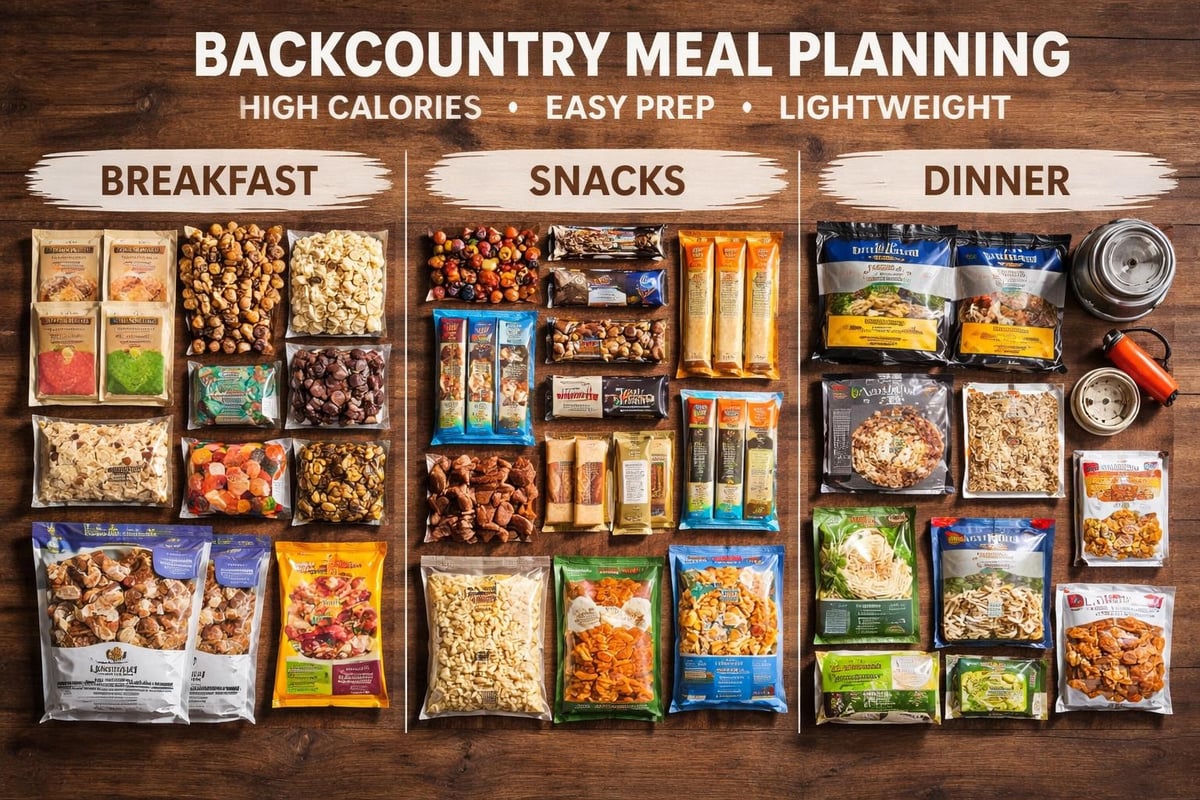
Proper nutrition fuels your hiking performance and recovery, making food selection and preparation equipment vital components of your outdoor hiking equipment. Energy requirements increase substantially during hiking, with terrain difficulty and pack weight amplifying caloric demands.
Efficient trail nutrition follows these principles:
- High calorie density to minimize weight
- Easy digestibility during exertion
- Minimal preparation requirements
- Palatability to encourage consumption
- Balanced macronutrients for sustained energy
Trail snacks like nuts, dried fruit, and energy bars provide quick fuel during movement. More substantial meals at camp restore glycogen reserves and support recovery. Campfire cooking techniques offer satisfying meal options when conditions permit fires, though portable stoves provide more reliable cooking capability.
Lightweight stove systems burning gas, liquid fuel, or solid tablets each offer distinct advantages. Gas canisters provide convenience and precise flame control, whilst liquid fuel stoves perform better in cold conditions and allow fuel assessment. Solid fuel tablets weigh virtually nothing but offer less cooking control and slower heating.
Cooking equipment should nest efficiently, with pots fitting inside each other and utensils tucking into available spaces. Titanium and aluminum offerings balance durability against weight considerations, whilst certain outdoor hiking equipment innovations like integrated heat exchangers improve fuel efficiency substantially.
Safety and Emergency Equipment
Beyond the Ten Essentials framework, additional safety items enhance your preparedness for various contingencies. First aid knowledge matters more than kit contents, but carrying appropriate supplies enables you to implement that knowledge effectively when situations arise.
Comprehensive first aid kits for hiking should address common trail injuries: blisters, cuts, sprains, and environmental exposure. Blister treatment supplies see frequent use, whilst items for more serious injuries provide crucial capability during genuine emergencies. Wilderness first aid training transforms basic supplies into effective medical resources.
Emergency shelters represent insurance against unexpected bivouacs. Lightweight emergency blankets weigh mere grams whilst providing surprisingly effective insulation. Bivvy bags offer more substantial protection, creating a waterproof cocoon around your sleeping bag when unplanned overnight stops occur.
Essential Safety Items
- Whistle for audible signaling
- Emergency shelter (blanket or bivvy)
- Fire-starting materials with waterproof storage
- Multi-tool with knife and basic implements
- Cordage for repairs and shelter construction
- Emergency contact information and medical details
Understanding how to keep valuables safe during outdoor activities protects the gear that protects you. Waterproof bags safeguard electronics and documents, whilst organized packing systems ensure you can locate critical items quickly when needed.
Modern outdoor hiking equipment increasingly incorporates technological safety features. Personal locator beacons, satellite messengers, and emergency apps provide connectivity beyond cellular coverage, though they supplement rather than replace traditional preparedness and skills.
Packs and Carrying Systems
Your rucksack serves as the foundation that carries all other outdoor hiking equipment, making pack selection crucial for comfort and efficiency. Capacity, fit, and features must align with your hiking style, trip duration, and body dimensions.
Day packs ranging from 20-30 litres suit single-day excursions, providing adequate space for the Ten Essentials plus food and water. Multi-day expeditions require 50-70 litre packs to accommodate camping equipment, extra clothing, and increased food supplies. Ultralight enthusiasts might manage with smaller volumes through careful gear selection and multi-use items.
Proper fit affects carrying comfort more than any other pack feature. Hip belts should rest on hip bones rather than waist, transferring load weight to your skeletal system rather than muscular support. Shoulder straps and load lifters fine-tune weight distribution, whilst sternum straps prevent shoulder strap slippage during movement.
Key pack features include:
- Adjustable suspension matching your torso length
- Accessible pockets for frequently needed items
- Compression straps to stabilize loads
- Hydration reservoir compatibility
- Rain cover or waterproof construction
- Attachment points for external gear
Organization within your pack follows logical principles that enhance efficiency. Heavy items sit close to your back and high in the pack, maintaining center of gravity near your body. Frequently accessed items like rain gear, snacks, and navigation tools belong in external pockets or pack top for quick retrieval without full unpacking.
Finding the right outdoor retailer ensures expert fitting assistance and honest advice about pack selection. Trying on packs with realistic weight loading reveals how different designs perform under actual use conditions.
Additional Comfort and Convenience Items
Beyond essential safety equipment, certain items enhance trail comfort without adding excessive weight to your outdoor hiking equipment collection. These "nice to have" additions improve the quality of your hiking experience, making multi-day expeditions more enjoyable.
Trekking poles reduce impact forces on knees during descents whilst improving stability on uneven terrain. They transform hiking from a lower-body activity into full-body movement, distributing effort across more muscle groups. Collapsible designs pack efficiently when not needed, such as during flat sections or scrambling where hands require freedom.
Camp comfort items might include lightweight chairs or sitting pads, camp shoes to relieve feet after boot removal, and appropriate outdoor gadgets that solve specific problems efficiently. Books, journals, or entertainment for rest periods add minimal weight but enhance downtime enjoyment.
Photography equipment varies wildly in weight and complexity, from smartphones to professional camera systems. Consider whether capturing images justifies carrying additional mass, and whether lightweight action cameras might satisfy documentation needs whilst preserving pack space for safety and comfort items.
Seasonal Considerations and Adaptations
British hiking conditions vary dramatically across seasons, requiring outdoor hiking equipment adaptations throughout the year. Summer hiking demands sun protection and increased water capacity, whilst winter camping preparations involve substantially more insulation and specialized gear.
Spring conditions combine muddy trails from winter precipitation with unpredictable weather patterns. Gaiters prevent mud from entering boots, whilst layering systems must accommodate wide temperature variations. The spring outdoor season offers spectacular scenery alongside challenging trail conditions.
Autumn hiking provides comfortable temperatures and stunning foliage but brings shorter daylight hours. Carrying additional illumination becomes crucial as late-season hikes extend into darkness more quickly. Weather systems intensify, making robust rain protection non-negotiable outdoor hiking equipment during this period.
Winter-specific equipment includes:
- Insulated sleeping bag rated for expected temperatures
- Four-season shelter or enhanced weather protection
- Insulated water bottles (prevent freezing)
- Crampons and ice axe for mountain conditions
- Additional emergency supplies and calories
- Extended first aid for cold-related injuries
Understanding seasonal demands allows you to adapt your standard kit rather than maintaining completely separate equipment sets. Modular additions to a core outdoor hiking equipment collection prove more economical and practical than duplicating entire systems.
Maintenance and Care Practices
Proper maintenance extends the lifespan of outdoor hiking equipment whilst ensuring reliable performance when you need it most. Regular inspection identifies developing issues before they become critical failures in the field.
Waterproof garments require periodic reproofing as their DWR (Durable Water Repellent) coatings degrade through use and washing. Following manufacturer cleaning instructions prevents damage whilst restoring performance. Storage in dry, well-ventilated spaces prevents mildew growth that can permanently damage fabrics.
Boot care involves cleaning after each use, treating leather with appropriate conditioners, and storing with shape retention. Replacing worn laces prevents failures, whilst resoling extends the life of quality footwear substantially beyond the original sole lifespan.
Testing equipment before departure prevents discovering failures when they could endanger your safety. Set up your shelter at home, test your stove, verify your torch batteries, and confirm your water filter operates properly. This preparation transforms outdoor hiking equipment from theoretical capability into proven reliability.
Assembling comprehensive outdoor hiking equipment requires balancing safety essentials with comfort considerations whilst managing weight constraints. The gear you carry enables exploration whilst providing security against environmental challenges and unexpected situations. When you're ready to upgrade your shelter systems with exceptional durability and performance, Outhaus offers canvas swags, tarps, and outdoor gear designed specifically for serious adventurers who demand reliability in challenging conditions. Their commitment to quality construction ensures your equipment performs when it matters most, allowing you to focus on the experience rather than worrying about gear failures.