

Family Camping Gear: Essential Equipment Guide 2026
RankPill on 15th Feb 2026
Planning a family camping adventure requires careful consideration of equipment that balances durability, practicality, and comfort for all ages. Whether you're embarking on your first overnight trip or you're seasoned outdoor enthusiasts, selecting the right family camping gear makes the difference between a challenging experience and creating cherished memories under canvas. The outdoor gear landscape in 2026 offers families unprecedented options, from traditional tents to innovative shelter systems, but understanding what truly matters ensures you invest wisely in equipment that serves your family for years to come.
Understanding Your Family's Shelter Needs
The foundation of any camping setup begins with reliable shelter that protects your family from the elements whilst providing adequate space for everyone to rest comfortably.
Selecting the Right Tent Size
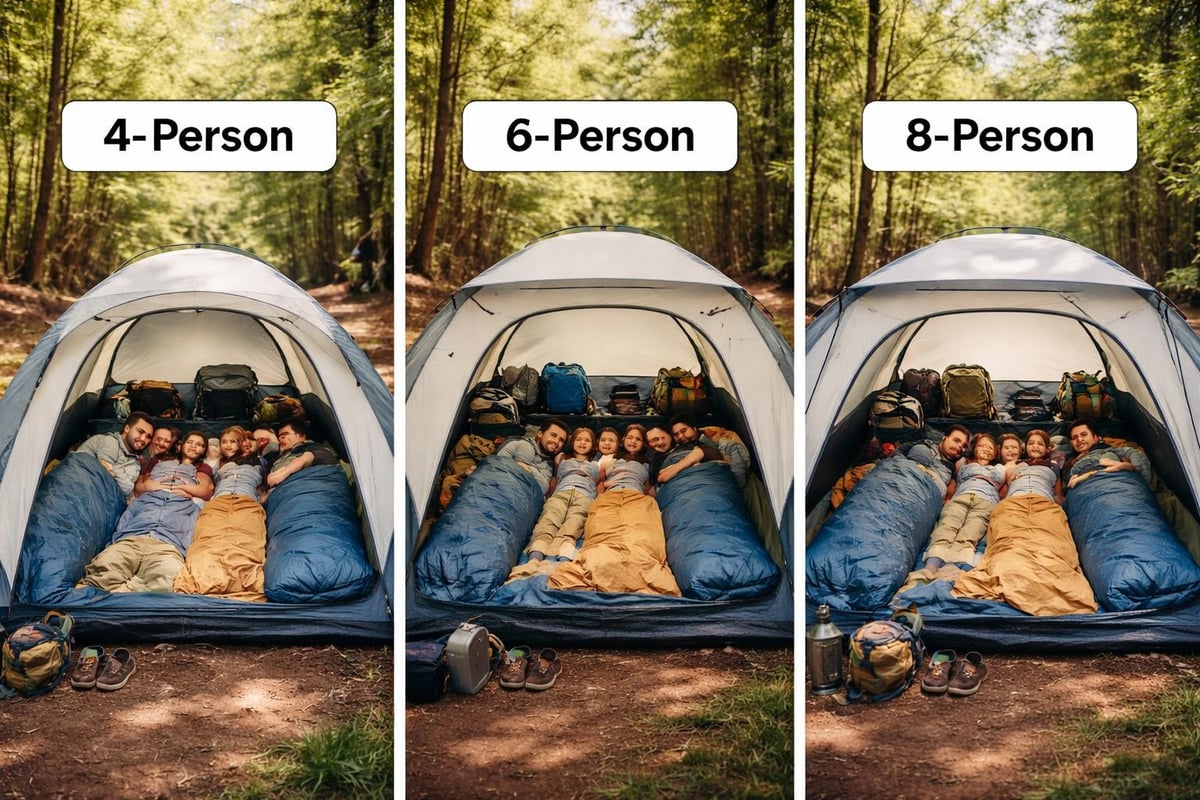
Capacity considerations extend beyond manufacturer specifications. A tent marketed as a six-person shelter rarely provides comfortable sleeping arrangements for six adults. For families, the general rule suggests adding two to the number of actual sleepers. A family of four should consider six-person tents to accommodate sleeping bags, gear storage, and movement space.
Key factors when evaluating tent capacity:
- Floor space per person: Minimum 21 square feet for adults, 15 square feet for children
- Peak height: Sufficient clearance for adults to sit or stand comfortably
- Vestibule space: Storage areas for muddy boots, wet clothing, and gear
- Room dividers: Privacy options for mixed-age families or extended trips
Canvas Versus Synthetic Materials
Traditional canvas and modern polycotton materials offer distinct advantages for family camping gear, particularly for groups prioritizing durability and comfort over ultralight specifications. Canvas shelters provide superior breathability, reducing condensation that plagues synthetic alternatives during multi-day trips. The material naturally regulates temperature, staying cooler in summer heat and retaining warmth during crisp evenings.
Modern polycotton blends combine the best characteristics of natural and synthetic fibres. These materials resist mildew, maintain breathability, and withstand years of use when properly maintained. Families investing in quality shelter solutions discover that higher initial costs translate to decades of reliable service, eliminating the replacement cycle common with budget synthetic tents.
| Material Type | Breathability | Durability | Weight | Condensation Control |
|---|---|---|---|---|
| Canvas | Excellent | Outstanding | Heavy | Excellent |
| Polycotton | Excellent | Excellent | Moderate | Excellent |
| Polyester | Poor | Good | Light | Poor |
| Nylon | Fair | Fair | Very Light | Fair |
Essential Sleeping Systems for All Ages
Comfortable sleep transforms camping from an endurance test into genuine rest and rejuvenation. Family camping gear must accommodate different body sizes, temperature preferences, and sleeping styles.
Choosing Appropriate Sleeping Bags
Temperature ratings require careful interpretation, particularly when outfitting children. Manufacturers typically rate bags using adult male test subjects, meaning women and children often need bags rated 10-15 degrees warmer than anticipated conditions. Spring and autumn camping in the UK demands bags rated to 0°C comfort minimum, whilst summer trips allow 10°C ratings.
Rectangle sleeping bags offer advantages for families:
- Wider fit accommodates restless sleepers
- Zippered sides allow venting in warm conditions
- Two bags zip together for young children
- Simple entry and exit reduces nighttime disruption
Mummy-style bags provide superior warmth-to-weight ratios but restrict movement that children find uncomfortable. For family camping trips, prioritize comfort over technical specifications unless backpacking long distances.
Sleeping Pad and Mattress Options
Ground insulation prevents heat loss that undermines even the warmest sleeping bag. Air mattresses provide familiar comfort but require pumps, develop leaks, and offer minimal insulation value. Self-inflating foam mattresses combine convenience with reliable insulation, making them excellent choices for family camping gear collections.
Swag mattresses represent purpose-built solutions designed specifically for camping applications. These dense foam systems resist compression, maintain consistent insulation values, and require no inflation. Swag mattress options eliminate puncture concerns whilst providing supportive sleeping surfaces that accommodate growing children and adults alike.
Consider thickness requirements based on sleeping position:
- Side sleepers: 8-10cm minimum thickness
- Back sleepers: 5-8cm adequate cushioning
- Stomach sleepers: 3-5cm sufficient support
- Children: Match adult specifications for comfort
Kitchen Equipment and Food Preparation
Outdoor cooking equipment requires balancing efficiency, weight, and versatility when feeding multiple people across several days. Your comprehensive camping packing list should prioritize reliable cooking systems that function in various weather conditions.
Camp Stove Versus Open Fire Cooking
Dual-fuel stoves burning both white gas and unleaded petrol offer reliability and convenience for families. Two-burner models accommodate simultaneous cooking, reducing meal preparation time significantly. Canister stoves provide simplicity but limit cooking capacity and fuel availability varies regionally.
Open fire cooking creates memorable experiences and reduces equipment weight, but requires specific skills and appropriate locations. Many UK campsites restrict open fires, making portable stove systems essential backup regardless of your preferred cooking method. Campfire cooking expertise develops over time, with practice building confidence in heat control and timing.
| Cooking Method | Setup Time | Fuel Availability | Weather Resistance | Skill Required |
|---|---|---|---|---|
| Canister Stove | 2 minutes | Variable | Excellent | Minimal |
| Liquid Fuel Stove | 5 minutes | Excellent | Excellent | Moderate |
| Open Fire | 20+ minutes | Depends on location | Poor | Significant |
| Combination Approach | Variable | Excellent | Excellent | Moderate |
Essential Cookware and Utensils
Nested cookware sets maximize packing efficiency whilst providing appropriate vessels for diverse meals. A basic family camping gear kitchen includes:
- Large pot for boiling water and pasta dishes
- Medium saucepan for sauces and heating
- Frying pan for breakfast and sautéing
- Kettle for morning beverages and washing water
- Plates, bowls, and cups for each family member
- Cutlery sets with spares for inevitable losses
Stainless steel cookware withstands campfire use and distributes heat evenly. Aluminium alternatives reduce weight but require careful temperature control. Non-stick coatings simplify cleaning but deteriorate with extended outdoor use and high heat exposure.
Clothing and Personal Protection
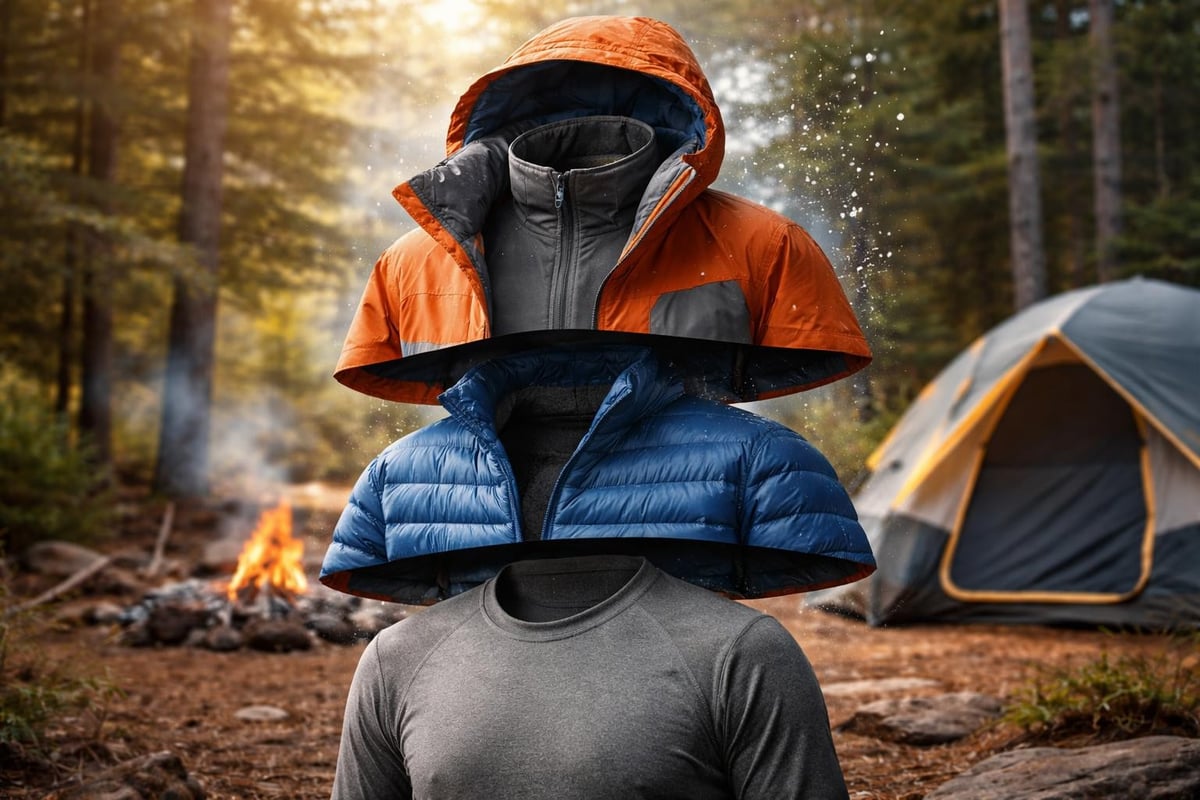
Layering systems adapted to changeable British weather protect families from hypothermia and discomfort. Essential warm outdoor clothing builds from base layers through insulation to waterproof outer shells.
The Three-Layer Clothing System
Base layers wick moisture away from skin, preventing the clammy feeling that leads to rapid cooling. Merino wool and synthetic fabrics excel in this role, whilst cotton retains moisture and should be avoided. Children require extra base layers as their smaller body mass loses heat more rapidly than adults.
Mid-layers provide insulation without restricting movement:
- Fleece jackets offer warmth even when damp
- Synthetic insulated jackets pack small and dry quickly
- Down jackets provide maximum warmth but fail when wet
- Wool jumpers regulate temperature naturally
Outer shell layers block wind and rain whilst allowing perspiration to escape. Quality waterproof jackets represent critical investments for UK camping, where weather shifts unpredictably. Children grow rapidly, creating tension between buying appropriate gear and managing costs. Consider purchasing slightly oversized shells with adjustable cuffs and hems that accommodate growth.
Footwear for Mixed Terrain
Proper boots prevent blisters, twisted ankles, and cold feet that ruin camping trips. Walking boots with ankle support suit most family camping scenarios, providing protection during hikes whilst offering comfort around camp. Waterproof membranes keep feet dry during morning dew walks and unexpected showers.
Pack backup footwear for every family member, including lightweight camp shoes or sandals that allow feet to breathe during downtime. Wet boots require 24-48 hours to dry properly, making spares essential for multi-day trips. Children's boots wear rapidly and sizing changes frequently, necessitating regular replacement.
Safety and Navigation Equipment
Responsible family camping gear includes equipment that prevents emergencies and facilitates effective response when incidents occur. Essential safety practices extend beyond equipment to include trip planning and communication protocols.
First Aid and Emergency Supplies
Comprehensive first aid kits address common camping injuries: blisters, cuts, burns, sprains, and insect bites. Pre-assembled kits provide baseline supplies but require customization for family-specific needs including prescription medications, allergy treatments, and children's pain relievers.
Critical first aid components:
- Adhesive bandages in multiple sizes
- Sterile gauze pads and medical tape
- Antiseptic wipes and antibiotic ointment
- Blister treatment and moleskin
- Pain relievers suitable for all ages
- Tweezers, scissors, and safety pins
- Emergency blanket and instant cold packs
- CPR face shield and disposable gloves
Consider wilderness first aid training that teaches improvisation techniques when professional medical care lies hours away. Children old enough to understand should learn their parents' emergency procedures and understand how to summon help.
Lighting and Communication
Headlamps free hands for tasks after sunset, making them superior to handheld torches for most camping applications. Each family member requires personal lighting with fresh batteries or full charges before departure. Backup batteries or charging systems prevent being left in darkness.
LED lanterns illuminate communal spaces, creating ambient light for dining, games, and conversation. Battery runtime and brightness adjustment features determine practical utility. Solar-charged and rechargeable models reduce battery waste whilst ensuring consistent performance.
Mobile phones provide emergency communication but networks prove unreliable in remote locations. Satellite messengers or personal locator beacons offer emergency contact capabilities regardless of cellular coverage. Register trip plans with trusted contacts, including expected return times and emergency contact procedures.
Organization and Storage Solutions
Efficient packing systems reduce setup time and prevent lost equipment. Colour-coded stuff sacks or clear storage bags allow quick identification of clothing, kitchen supplies, and personal items without unpacking everything.
Create dedicated bags for specific functions:
- Kitchen bag: Cookware, utensils, cleaning supplies, seasonings
- Clothing bag: Organized by family member with internal subdivisions
- Sleeping bag: Bags, pads, pillows, and sleep-specific items
- Activity bag: Entertainment, games, books, and exploration tools
- Toiletries bag: Hygiene items, medications, sunscreen, insect repellent
Waterproof dry bags protect electronics, important documents, and spare clothing from unexpected rain or water crossings. Even when using waterproof tents, condensation and accidental spills threaten sensitive items without proper protection.
Shelter Accessories and Camp Comfort
Beyond basic tents, additional shelter components enhance livability during extended trips. Tarps create covered outdoor spaces that expand usable area regardless of weather. Tarp camping techniques demonstrate versatility that complements traditional tent camping.
Tarps for Weather Protection
Quality tarps manufactured from durable materials withstand years of setup and breakdown cycles. Canvas and polycotton tarps resist tears, handle high winds, and provide UV protection that extends their service life. Size selection depends on intended use, with larger tarps offering more configuration options.
Ground tarps placed beneath tents prevent moisture wicking through floor materials whilst protecting against punctures from rocks, sticks, and rough terrain. Cut tarps slightly smaller than tent footprints to prevent rain pooling between layers. Purpose-cut footprints ensure precise fit but generic tarps offer flexibility across multiple shelter systems.
Configuration versatility transforms single tarps into multiple shelter types:
- A-frame configurations for sleeping under
- Lean-to setups for cooking and dining protection
- Flying diamond arrangements for maximum coverage
- Flat ground cloths for dry seating areas
Camp Furniture and Conveniences
Folding chairs transform camping comfort, though they add weight and bulk that limits backcountry applications. For car camping and established campsites, seating appropriate for extended use justifies the space. Children's chairs sized appropriately prevent frustration and improve mealtime cooperation.
Portable tables elevate meal preparation above ground level, reducing back strain and keeping food clean. Lightweight aluminium models fold compact whilst supporting cooking equipment and serving dishes. Height-adjustable options accommodate different tasks from food prep to games.
Water Treatment and Hydration Systems
Safe drinking water represents non-negotiable family camping gear regardless of trip duration. UK water sources contain parasites and bacteria that cause serious illness, making treatment essential even for clear mountain streams.
Filtration Versus Chemical Treatment
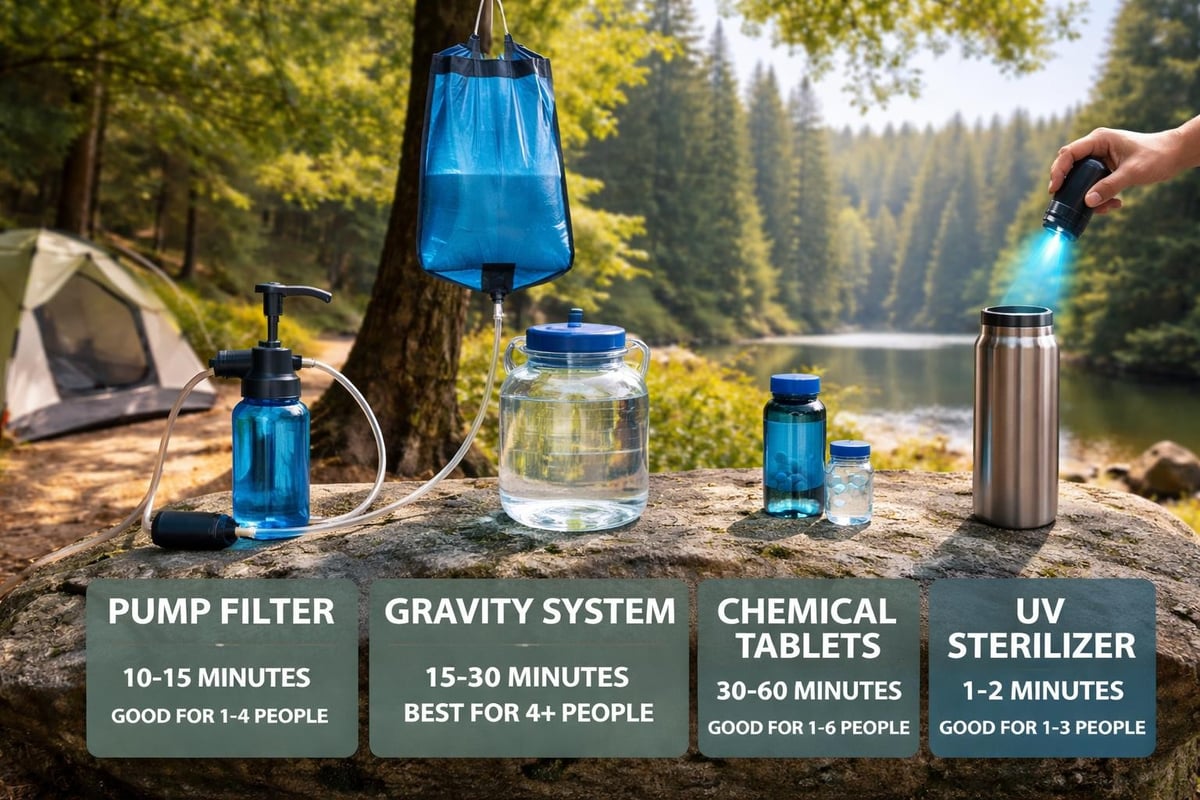
Pump filters remove bacteria and protozoa whilst improving water taste by eliminating sediment. Family-sized filters process multiple litres quickly, supplying group needs efficiently. Replacement filter elements add ongoing costs but maintain effectiveness over thousands of litres.
Chemical treatments using iodine or chlorine dioxide kill microorganisms through 30-60 minute contact times. These lightweight options provide backup when filters clog or mechanical systems fail. Taste complaints from children decrease with flavouring additives or vitamin C tablets that neutralize chemical flavours.
| Treatment Method | Effectiveness | Speed | Taste Impact | Weight | Cost |
|---|---|---|---|---|---|
| Pump Filter | Excellent | Fast | Neutral | Moderate | High initial |
| Gravity Filter | Excellent | Moderate | Neutral | Light | Moderate |
| Chemical Tablets | Excellent | Slow | Poor | Very light | Low ongoing |
| UV Sterilizer | Excellent | Fast | Neutral | Light | High initial |
| Boiling | Perfect | Slow | Neutral | None | Fuel cost |
Hydration Containers and Storage
Wide-mouth bottles facilitate filling, cleaning, and adding treatment chemicals. Insulated bottles maintain temperature but add weight and bulk. Collapsible water containers conserve space when empty, expanding to hold substantial volumes for base camp cooking and washing.
Children require frequent hydration reminders, making water readily accessible throughout the day. Personal bottles with distinctive colours or markings prevent mix-ups and encourage individual responsibility. Calculate minimum water needs at two litres per person daily, increasing significantly during hot weather or strenuous activities.
Entertainment and Activity Equipment
Structured activities prevent boredom whilst encouraging family bonding and nature appreciation. Outdoor gadgets designed for adventurers enhance exploration and learning opportunities for children and adults alike.
Nature Exploration Tools
Binoculars open distant wildlife viewing, transforming casual observations into engaging learning moments. Compact models sized for children's hands and interpupillary distances encourage independent exploration. Magnification between 7x and 10x balances detail with field of view for general camping use.
Field guides specific to your camping region help identify local flora, fauna, geology, and celestial features. Waterproof guides withstand field use, whilst mobile applications provide interactive identification when devices remain charged. Create nature journals where children record observations, sketches, and questions for later research.
Bug collection and observation equipment fascinates young naturalists whilst teaching careful specimen handling. Magnifying glasses, collection jars with air holes, and identification guides support gentle catch-and-release practices. Establish family rules about protected species and appropriate interaction with wildlife.
Games and Group Activities
Traditional camping games require minimal equipment whilst creating memorable experiences. Pack a football, frisbee, or playing cards that accommodate mixed ages and skill levels. Portable board games designed for outdoor use withstand wind and rough handling better than household versions.
Campfire activities extend beyond storytelling to include:
- Stargazing with constellation guides and apps
- Shadow puppet shows using torches
- Nature-based scavenger hunts with prepared lists
- Collaborative outdoor cooking projects
- Evening walks identifying nocturnal sounds
Screen-free time challenges modern families but provides rare opportunities for focused interaction. Establish device-free periods that allow complete immersion in the camping experience.
Maintenance and Care of Family Camping Gear
Proper equipment maintenance extends service life whilst ensuring reliability when you need it most. Care protocols differ based on materials but share common principles of cleaning, drying, and appropriate storage.
Tent and Shelter Maintenance
Clean tents thoroughly after each trip, removing dirt, pine needles, and organic debris that promote mildew growth. Spot-clean stains with mild soap and water, avoiding harsh detergents that damage waterproof coatings and fabric treatments. Ensure complete drying before storage, as trapped moisture causes mildew, odours, and material degradation.
Inspect and repair damage promptly using appropriate patches, seam sealer, or professional repairs for significant issues. Small holes expand during subsequent use, transforming minor fixes into major repairs or premature replacement. Check guy lines, stakes, poles, and zippers for wear that compromises function.
Store tents loosely rather than tightly compressed in stuff sacks. Compression storage creases waterproof coatings, reducing effectiveness over time. Canvas and polycotton shelters benefit from breathable storage bags that prevent moisture accumulation whilst protecting from pests and dust.
Sleeping Bag and Pad Care
Down sleeping bags require gentle handling and specialized cleaning to maintain loft. Home washing machines damage baffles and distribution, making professional cleaning preferable for expensive down bags. Synthetic bags tolerate machine washing but require low heat drying to prevent insulation damage.
Air sleeping bags after each trip, hanging them fully opened in dry locations. This releases trapped moisture and odours whilst preventing mildew growth. Store bags loosely hung or in large breathable sacks rather than compressed stuff sacks between trips.
Sleeping pads accumulate dirt and body oils that degrade materials over time. Wipe pads with damp cloths after use, ensuring valve areas remain clean and functional. Check self-inflating pads periodically for proper inflation and repair any slow leaks immediately.
Adapting Gear as Children Grow
Family camping gear evolves with changing needs as children age and capabilities expand. Infants and toddlers require specialized equipment including portable cribs, carriers, and simplified meal options. School-age children transition toward personal responsibility and adult-sized equipment.
Age-Appropriate Gear Progression
Toddlers (2-4 years) need compact sleeping bags, child-sized utensils, and constant supervision near fire and water. Investment in miniaturized versions of adult gear teaches proper use whilst building confidence. Bright colours and favourite characters increase enthusiasm for personal equipment.
Primary school children (5-11 years) handle increasing responsibility for personal items including packing, setup assistance, and simple camp tasks. Right-sized backpacks allow participation in gear transport without overloading developing frames. Involve children in menu planning and food preparation appropriate to their abilities.
Teenagers (12+ years) use adult-sized equipment but may require guidance on proper selection and use. This age group benefits from personal decision-making authority over clothing, sleeping systems, and activity choices within safety parameters. Encourage ownership through gear maintenance responsibilities and trip planning involvement.
Balancing Cost and Quality
Strategic purchasing prioritizes longevity for frequently-used items whilst accepting shorter lifespans for rapidly-outgrown equipment. Sleeping bags, rain gear, and boots require regular replacement as children grow, making mid-range quality appropriate. Tents, tarps, cookware, and furniture serve families for decades, justifying premium investments.
Consider these purchasing strategies:
- Buy quality items second-hand from reputable outdoor retailers
- Participate in gear swaps with other camping families
- Select adjustable equipment accommodating growth ranges
- Invest in family-sized gear rather than individual child items
- Choose neutral colours and patterns for multi-child use
- Maintain equipment properly to maximize resale value
Borrowed or rental gear helps evaluate needs before purchasing. Testing different tent styles, sleeping systems, and cooking equipment through rentals prevents expensive mistakes whilst building experience that informs permanent acquisitions.
Creating Comprehensive Packing Lists
Systematic packing lists prevent forgotten essentials whilst streamlining trip preparation. The Minnesota Department of Natural Resources camping supply checklist provides thorough baseline coverage, whilst the Cozi Family Organizer camping checklist offers family-specific organization.
Customizing Lists for Your Family
Generic checklists require adaptation for specific trips, seasons, and family requirements. Create master lists containing every possible item, then customize copies for individual trips based on:
- Trip duration and remoteness
- Expected weather and seasonal conditions
- Planned activities and special equipment needs
- Campsite facilities and available services
- Dietary restrictions and meal complexity
- Age-specific requirements for all participants
Digital checklist applications enable easy customization, sharing among family members, and cross-referencing during packing. Paper copies provide backup during pre-trip preparation when devices may be inconvenient. Laminated checklists withstand repeated handling and can be marked with dry-erase pens.
Review checklists after each trip, noting items that proved essential, unnecessary, or missing. These annotations refine future packing whilst building institutional knowledge about your family's specific needs and preferences.
Seasonal Variation in Family Camping Gear
Summer camping requires sun protection, insect defence, and cooling strategies. Additional shade structures, lightweight clothing layers, and swimming gear support warm-weather comfort. Hydration needs increase significantly, requiring extra water storage and treatment capacity.
Autumn and spring trips demand adaptable systems accommodating variable conditions. Winter camping preparation extends beyond heavier sleeping bags to include insulated pads, four-season tents, and specialized cooking equipment. Shorter daylight hours require more extensive lighting systems and indoor activity options.
Winter-specific additions include:
- Insulated drinking bottles preventing freezing
- Vapour barriers for sleeping systems
- Additional fuel for heating and melting snow
- Wider tent footprints for snow anchoring
- Warmer-rated sleeping bags and pads
- Extended-battery life lighting systems
Assembling comprehensive family camping gear represents significant investment, but thoughtful selection creates reliable systems serving years of outdoor adventures. Prioritizing quality shelter, sleeping systems, and safety equipment ensures comfort and security whilst building lasting memories in nature. Whether you're setting up your first base camp or refining established systems, Outhaus provides the durable canvas shelters, tarps, and essential gear that transform camping from survival exercise into genuine family enjoyment.