

Rock Climbing Clothes Guide: What To Wear In 2026
RankPill on 27th Nov 2025
Step into the future of climbing, where innovation shapes every move and adventure is defined by progress. The world of rock climbing clothes is rapidly evolving, blending advanced fabric technologies, unmatched comfort, and sustainable design.
In this guide, you will discover the latest breakthroughs in climbing apparel, from smart textiles and eco-friendly materials to essential gear for every environment. Explore gender-specific recommendations, expert layering strategies, and the style trends set to influence the sport in 2026.
Get ready to be inspired by cutting-edge solutions and empowered to make the best choices for your next climb. The journey to optimised performance and safety starts with what you wear.
The Evolution of Rock Climbing Apparel: Trends and Innovations for 2026
Step into 2026 and you will find rock climbing clothes have become a blend of innovation and environmental responsibility. Whether you are scaling indoor walls or remote alpine routes, the gear you wear is now smarter, lighter, and more sustainable than ever before.
Key Developments in Climbing Clothing Technology
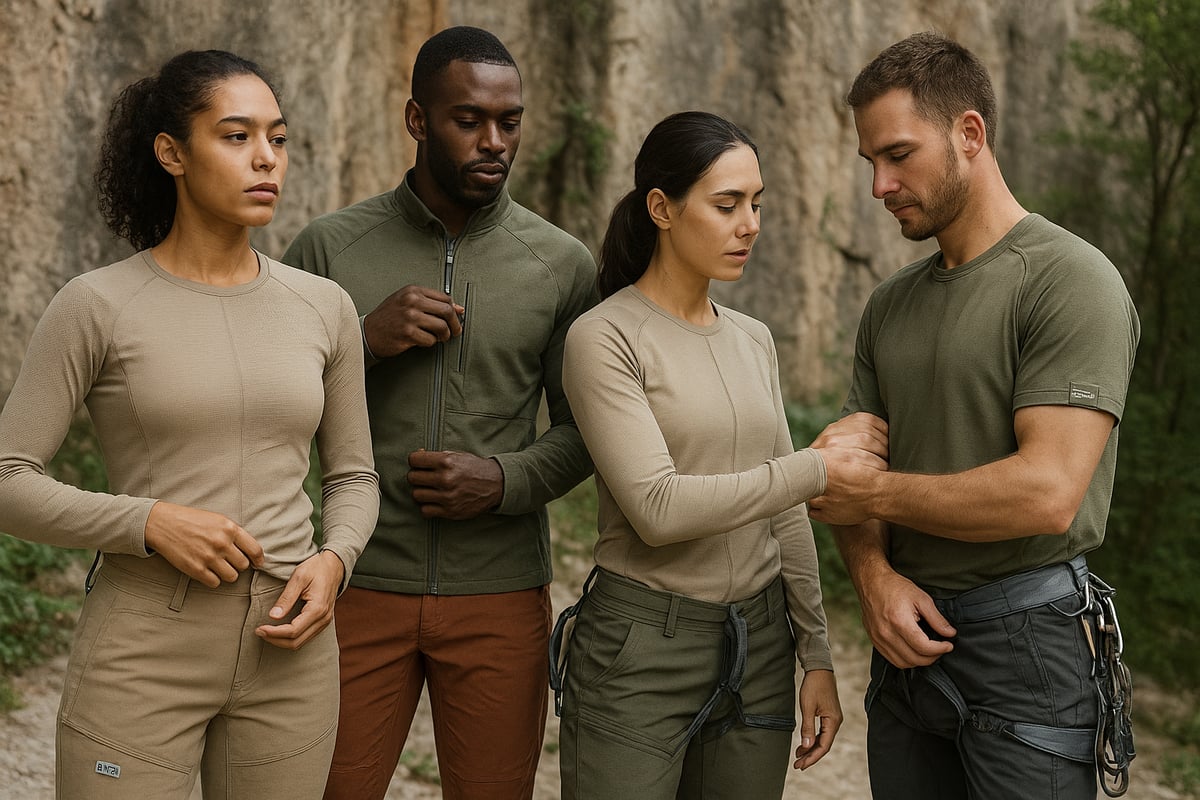
Recent years have witnessed a revolution in rock climbing clothes, with brands pushing the envelope in both performance and sustainability. Advanced technical fabrics now dominate the market, including graphene-infused textiles that offer exceptional strength and thermal regulation.
Smart textiles are emerging as a game-changer. Many 2026 climbing shirts and trousers feature integrated moisture sensors, real-time temperature regulation, and advanced UV protection. These innovations help climbers adapt quickly to changing conditions, enhancing both comfort and safety.
Durability is another key focus. Modern rock climbing clothes have reinforced abrasion zones, particularly at the knees and seat, to withstand repeated contact with rough surfaces. Lightweight and packable designs are now standard, especially for multi-pitch and alpine climbing, making it easier to move efficiently without sacrificing protection.
Here’s a quick comparison of major fabric innovations in today’s climbing apparel:
| Fabric Type | Key Benefits | Typical Use Cases |
|---|---|---|
| Graphene-infused | High strength, thermal control | Alpine, trad, sport routes |
| Recycled synthetics | Eco-friendly, moisture-wicking | Indoor, bouldering |
| Organic cotton blends | Comfort, breathability | Warm-weather, casual crags |
Market trends highlight a surging demand for both eco-friendly and high-performance gear. Leading brands have responded by incorporating recycled polyester and organic cotton into their 2026 lines. This shift reflects how climbers are prioritising sustainability alongside technical performance when choosing rock climbing clothes.
Sustainability and Ethical Manufacturing in Climbing Clothes
Sustainability is now at the heart of every major innovation in rock climbing clothes. The rise of circular fashion and closed-loop recycling has transformed how outdoor apparel is designed and produced. Brands are increasingly seeking certifications such as Fair Trade, Bluesign, and OEKO-TEX, which signal a commitment to ethical practices and non-toxic materials.
Transparency in supply chains is becoming standard, with many companies openly sharing information about their sourcing and production methods. Local manufacturing is gaining popularity, reducing transport emissions and supporting community economies. Brands that adopt these practices are seeing strong consumer loyalty, with recent statistics from Decathlon and Wild Country showing a marked increase in climbers prioritising sustainable gear.
When shopping for ethical rock climbing clothes, look for:
- Clear certifications (Fair Trade, Bluesign, OEKO-TEX)
- Transparent sourcing and manufacturing details
- Use of recycled or upcycled materials
- Repair and take-back programmes
For a more comprehensive overview on identifying truly sustainable options, consult this Sustainable outdoor gear guide.
Ultimately, the evolution of rock climbing clothes reflects a broader shift in the outdoor industry. Climbers in 2026 are demanding not just high performance but also ethical manufacturing, helping to shape a future where technical excellence and environmental stewardship go hand in hand.
Essential Rock Climbing Clothing: What You Need for Every Environment
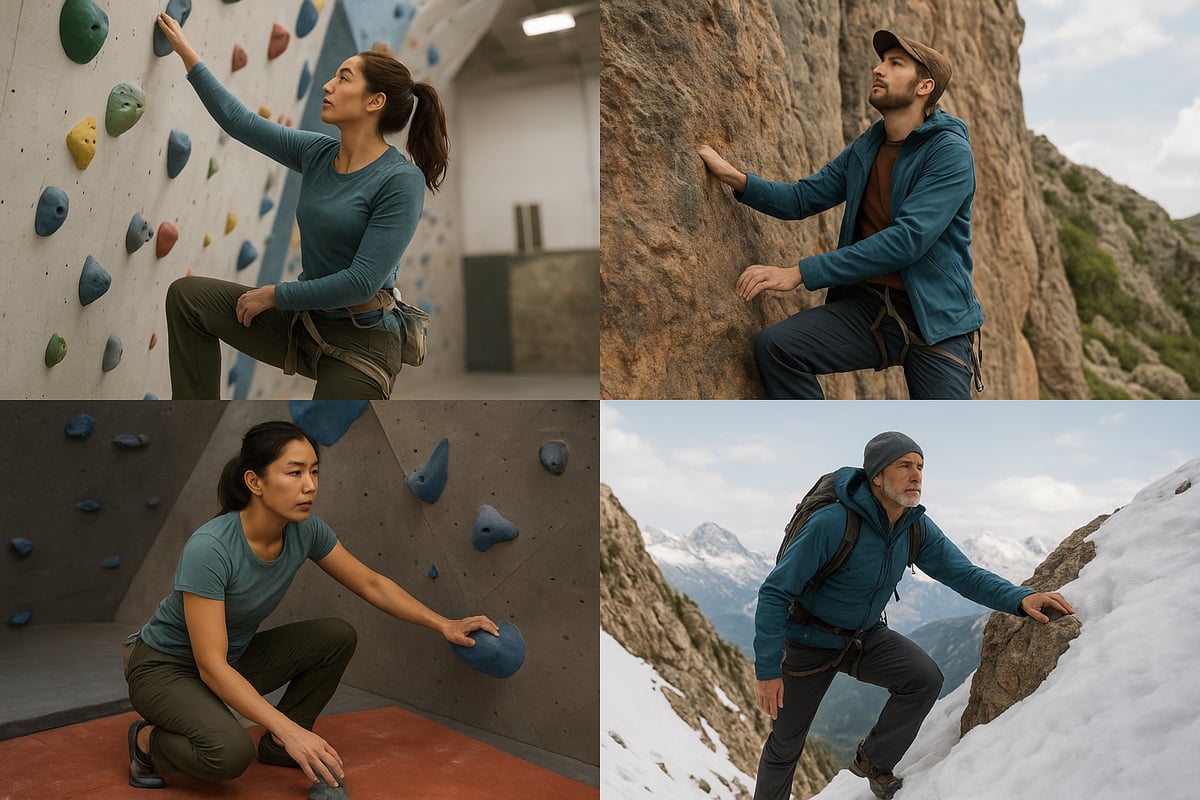
Choosing the right rock climbing clothes for each environment is crucial for both safety and performance. With new technologies emerging in 2026, climbers can now select clothing that offers comfort, weather protection, and adaptability, no matter where they climb.
Indoor Climbing: Comfort and Mobility
Indoor climbing gyms demand rock climbing clothes that prioritise breathability and unrestricted movement. As climbing walls become more complex, flexible clothing is essential.
Look for these features:
- Breathable, moisture-wicking tops and bottoms to keep sweat at bay.
- Stretch fabrics such as nylon-elastane blends, which ensure full range of motion.
- Flat seams and gusseted construction to prevent chafing during dynamic moves.
Popular 2026 collections highlight gender-neutral and inclusive sizing, making it easier for every climber to find the perfect fit. Market data shows a significant increase in demand for adaptable rock climbing clothes, especially in indoor settings.
Whether you prefer fitted tank tops or looser t-shirts, the key is to choose rock climbing clothes that allow you to move freely while keeping you cool and dry. For trousers, lightweight designs with articulated knees are ideal for long sessions on the wall.
Outdoor Sport Climbing: Weather and Protection
When climbing outdoors, rock climbing clothes must protect against changing weather and rough terrain. UV-resistant shirts and trousers are essential for long days in the sun, while quick-dry fabrics help climbers stay comfortable in variable conditions.
Key features to consider:
- UV protection to shield your skin from harmful rays.
- Reinforced knees and seat areas to withstand abrasive rock.
- Quick-dry technology for unexpected rain or sweat.
Many top brands now offer abrasion-resistant trousers with insect-repellent treatments, a must for summer crags. For more advice on effective bug protection, see How to keep bugs at bay.
Comparing products can help you find rock climbing clothes that balance durability and comfort. Look for adjustable waists and ventilation panels for extra adaptability.
Bouldering: Freedom and Durability
Bouldering requires rock climbing clothes that emphasise freedom of movement and toughness. Climbers often make dynamic moves and experience frequent ground contact, so durability is paramount.
Recommended features include:
- Loose-fitting shorts and leggings for maximum mobility.
- Heavy-duty fabrics that resist abrasion from rocks and mats.
- Minimalist designs with accessible pockets for chalk bags.
Leading bouldering shorts in 2026 feature reinforced panels in high-stress areas, ensuring your rock climbing clothes last through many sessions. Minimal seams and soft waistbands add extra comfort, especially during long attempts.
Choose rock climbing clothes that support your movement without feeling restrictive. Quick-access pockets and chalk bag compatibility are small details that make a big difference in bouldering.
Alpine & Trad Climbing: Layering and Adaptability
Alpine and trad climbing environments are unpredictable, making versatile rock climbing clothes essential. Effective layering systems allow climbers to adapt quickly to temperature shifts and sudden weather changes.
A strong layering system includes:
- Insulating base layers that manage body heat and wick away moisture.
- Windproof and water-resistant outer shells for protection against the elements.
- Hybrid softshells and packable jackets for lightweight, efficient packing.
Recent trends show a rise in hybrid fabrics combining warmth and breathability, perfect for long alpine routes. Data from 2026 collections highlights the popularity of modular designs, where climbers can add or remove layers as needed.
When selecting rock climbing clothes for alpine or trad adventures, prioritise harness compatibility and minimal bulk. Lightweight insulation and weatherproofing are key for staying comfortable and safe in remote locations.
Building the Perfect Climbing Clothing System: Layer by Layer
Choosing the right rock climbing clothes is more than just picking a jacket or a pair of trousers. The best approach is to build a clothing system, layer by layer, to guarantee comfort, performance, and adaptability in any climbing environment. Each layer serves a specific function, working together to keep you dry, warm, and protected as conditions change.
Base Layers: The Foundation of Comfort
The first step in crafting your rock climbing clothes system is selecting an effective base layer. This layer sits closest to your skin and is crucial for moisture management and temperature regulation. Popular choices in 2026 include merino wool and advanced synthetic blends, both offering excellent wicking capabilities.
Merino wool is naturally odour-resistant and gentle on sensitive skin, while synthetics deliver rapid drying and durability. When choosing a base layer for rock climbing clothes, consider options with flat seams and harness-friendly fits to prevent discomfort during movement.
Comparison Table:
| Feature | Merino Wool | Synthetic Blend |
|---|---|---|
| Moisture Wicking | Excellent | Very Good |
| Odour Control | Natural | Treated |
| Drying Speed | Moderate | Fast |
| Comfort | Soft | Smooth |
In 2026, top-rated base layers combine sustainable fibres with ergonomic construction, ensuring that your foundation layer enhances every climb.
Mid Layers: Insulation and Versatility
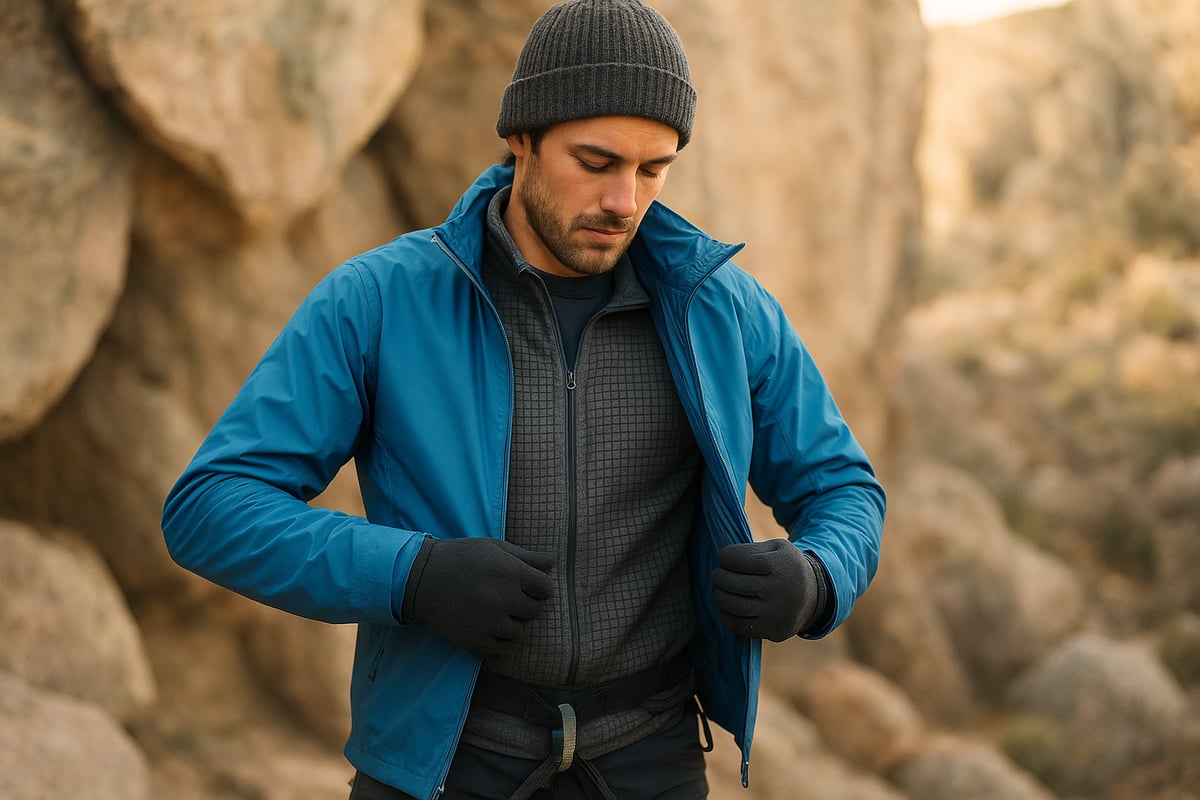
Your mid layer provides critical insulation, trapping warmth without sacrificing breathability. The latest designs for rock climbing clothes utilise grid-knit fleeces, active insulation fabrics, and hybrid constructions for versatile performance. These materials keep you warm during chilly belays yet release excess heat during high-output ascents.
Look for mid layers with removable sleeves or modular panels, allowing you to adapt quickly as temperatures fluctuate. Fleece remains a staple, but active insulation technologies are gaining ground, offering improved warmth-to-weight ratios.
Key types of mid layers:
- Traditional fleece jackets
- Grid-knit pullovers for airflow
- Hybrid fleece/synthetic jackets for damp conditions
Many 2026 product lines incorporate recycled content, aligning with the sustainability values shared by the climbing community.
Outer Layers: Weather Protection
The outer layer is your shield against wind, rain, and harsh conditions. For rock climbing clothes, the choice often comes down to hard shell versus soft shell jackets. Hard shells deliver maximum waterproofing and wind resistance, ideal for alpine climbs and unpredictable weather. Soft shells, on the other hand, offer superior breathability and stretch for dynamic movement.
When selecting an outer layer, prioritise PFC-free DWR treatments for eco-friendly water repellency. Check for features like helmet-compatible hoods, harness-accessible pockets, and packable designs.
Comparison Table:
| Jacket Type | Waterproof | Breathability | Best Use |
|---|---|---|---|
| Hard Shell | High | Moderate | Wet, alpine climbs |
| Soft Shell | Moderate | High | Dry, variable routes |
2026’s lightest waterproof jackets weigh less than 300 grams, proving that protection no longer means bulk.
Accessories: Hats, Gloves, and Socks
No rock climbing clothes system is complete without the right accessories. Technical hats, beanies, and buffs manage temperature and provide UV protection. Gloves enhance grip when belaying or climbing in cold weather, while specialised socks prevent blisters and keep feet comfortable during long sessions.
The range of gender-specific and unisex accessories has grown substantially, with new materials offering better fit and durability. For those looking to extend the lifespan of their gear, Outdoor gear care tips can help you keep hats, gloves, and socks in top condition.
As you assemble your rock climbing clothes, remember that accessories are not just extras but essential components for all-day performance and comfort.
Choosing the Right Fit: Gender, Body Type, and Personal Style
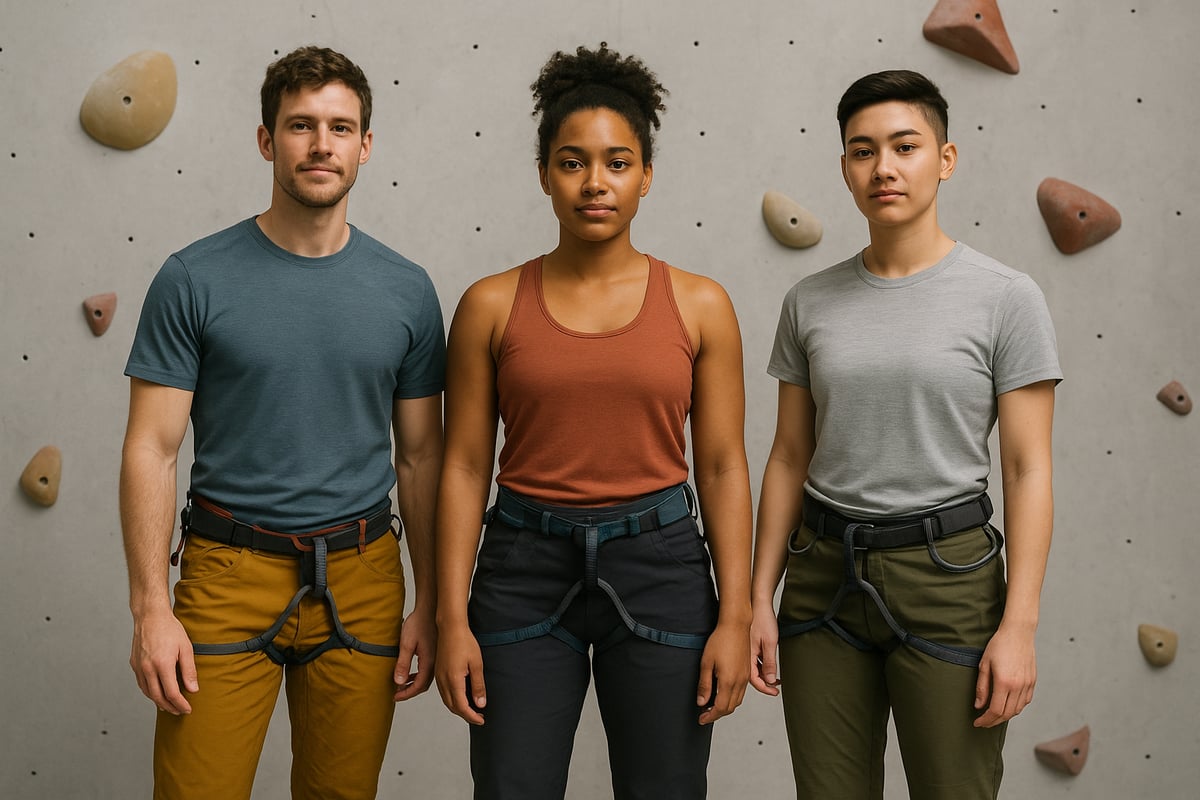
Finding the perfect fit in rock climbing clothes is essential for comfort, safety, and confidence. Each climber’s body and style preferences are unique, so manufacturers now offer a diverse range of options to help everyone find their ideal match.
Climbing Clothes for Men: Priorities and Preferences
Men’s rock climbing clothes in 2026 are more versatile than ever. Brands now offer slim, regular, and relaxed cuts to suit different body types and climbing styles.
Key features include:
- Articulated knees for flexibility
- Adjustable waists for a secure fit
- Reinforced panels in high-wear areas
Many climbers prefer lightweight designs with flat seams for harness compatibility. Popular colours range from classic earth tones to bold, geometric patterns, giving climbers the chance to express their style. When choosing rock climbing clothes, men should consider how the fit accommodates layering and freedom of movement.
Climbing Clothes for Women: Design and Function
Women’s rock climbing clothes focus on both performance and comfort. Tailored fits prevent excess fabric from interfering with harnesses, and high-waisted trousers offer better coverage and support for dynamic moves.
Other common features include:
- Supportive, moisture-wicking sports bras
- Inclusive sizing, catering to a broad spectrum of body shapes
- Soft, stretch fabrics for unrestricted movement
Adaptive apparel, such as adjustable hems and flexible waistbands, ensures every climber can find a comfortable fit. The variety in patterns and colours lets women choose rock climbing clothes that reflect their personal style while meeting technical demands.
Gender-Neutral and Inclusive Options
There is a growing demand for unisex rock climbing clothes that prioritise accessibility and inclusivity. Leading brands now offer non-binary sizing, ensuring garments fit a wide range of body types.
Key trends include:
- Simple, streamlined silhouettes
- Accessibility features for adaptive climbing communities
- Extended size ranges and adjustable elements
Some companies have also embraced sustainable practices in outdoor apparel, offering rock climbing clothes that balance ethical production with innovative design. This shift supports climbers who value both inclusivity and environmental responsibility. With so many options, everyone can find rock climbing clothes that fit well and express their individuality.
Style Meets Function: Current and Future Trends in Climbing Fashion
The landscape of rock climbing clothes in 2026 is as dynamic as the sport itself. Climbers are no longer forced to choose between function and flair. Instead, cutting-edge materials, eco-conscious production, and bold design choices ensure that style and performance go hand in hand. Let us explore the defining trends that are reshaping what climbers wear, from minimalist essentials to expressive custom pieces.
Minimalism and Versatility
Minimalism is at the forefront of rock climbing clothes trends. Climbers increasingly opt for capsule wardrobes, focusing on a few multi-use pieces that transition seamlessly from gym to crag to travel. Neutral palettes and earth tones dominate, reflecting a desire for timeless, versatile attire that works in various environments.
This movement is also about sustainability. Many brands now produce rock climbing clothes with recycled fibres and eco-friendly dyes. For a deeper look at how sustainable dyeing is transforming the textile industry, see Innovations in Sustainable Textile Dyeing. The result is gear that not only performs well but also aligns with responsible consumer values.
Key features of minimalist and versatile climbing clothing:
- Lightweight, packable designs
- Subtle branding and muted colours
- Fabrics that offer stretch, breathability, and durability
These trends make it easier than ever to build a streamlined, efficient kit of rock climbing clothes for any adventure.
Statement Pieces and Customisation
While minimalism rules many wardrobes, statement pieces are making waves among those who want their rock climbing clothes to reflect personality. Limited edition prints, artist collaborations, and bold colour blocks are all popular. Some brands offer exclusive drops or seasonal collections, giving climbers the chance to stand out on the wall.
Customisation is another key trend. Climbers add DIY patches, embroidery, or even hand-painted elements to their favourite rock climbing clothes. This allows for personal flair and a sense of ownership over each piece.
Popular customisation methods in 2026 include:
- Iron-on patches representing climbing achievements
- Embroidered initials or logos
- Mix-and-match accessories, like chalk bags and belts
This creative approach ensures that rock climbing clothes are as unique as the individuals wearing them.
Fashion and Performance: Striking the Balance
Performance remains paramount, but climbers are no longer willing to sacrifice style for function. The most sought-after rock climbing clothes combine technical excellence with visual appeal. Community feedback shows that confidence on the wall often correlates with wearing clothing that feels both comfortable and stylish.
Brands like Decathlon and Wild Country are setting trends with pieces that blend advanced fabrics and contemporary cuts. For example, moisture-wicking, UV-protective tops now come in both understated and eye-catching designs. Trousers with articulated knees and reinforced panels are available in a variety of fits and colours, appealing to a broad spectrum of preferences.
A comparison of trending features:
| Feature | Style Impact | Performance Benefit |
|---|---|---|
| Bold prints | High | Moderate |
| Technical fabrics | Subtle | High |
| Custom patches | Variable | Personalisation |
| Earth tones | Versatile | All-environment |
Ultimately, the future of rock climbing clothes is about choice. Whether you prefer minimalist essentials or expressive statement pieces, 2026’s trends ensure you can climb in comfort and confidence.
Care, Maintenance, and Longevity of Climbing Clothes
Caring for your rock climbing clothes is essential for maintaining performance, comfort, and extending their lifespan. Thoughtful maintenance not only protects your investment but also supports sustainability and reduces waste.
Washing and Drying Best Practices
Proper washing and drying routines are crucial for keeping rock climbing clothes in top condition. Always check care labels before washing to prevent accidental damage. Use a gentle, technical fabric detergent to maintain the performance of advanced fibres.
Avoid high temperatures in both wash and dry cycles, as excessive heat can degrade stretch and moisture-wicking properties. Instead, opt for a cold wash and hang clothes to air dry whenever possible. This approach helps prevent shrinkage and preserves the elasticity of rock climbing clothes.
For stubborn chalk or dirt stains, pre-treat affected areas with a mild soap and a soft-bristled brush. Avoid using fabric softeners, which can clog the microfibres and reduce breathability. Following these best practices ensures your rock climbing clothes retain their technical features for longer.
Repairs and Upcycling Your Gear
Even the most durable rock climbing clothes may suffer from wear and tear over time. Quick repairs can extend the life of your kit and reduce waste. Simple patching with fabric repair tape or sewing small holes prevents further damage and keeps garments functional.
Many brands now offer repair programmes and warranties, making it easier to maintain your favourite pieces. Upcycling is another innovative approach, transforming old climbing clothes into chalk bags, storage pouches, or even training accessories. Adopting Zero-Waste Fashion Design Strategies can inspire creative ways to repurpose materials and minimise textile waste.
By embracing repairs and upcycling, climbers contribute to a more sustainable community. These efforts not only save money but also help conserve resources, aligning with the eco-conscious spirit of modern climbing.
Storage and Seasonal Transitions
Storing rock climbing clothes correctly is vital for preserving their quality between sessions or seasons. Fold or hang garments in a cool, dry space away from direct sunlight to prevent fading and fabric degradation. Use breathable storage bags for technical layers, which helps maintain airflow and prevents mildew.
When transitioning between seasons, inspect each item for signs of wear or needed repairs. Clean all rock climbing clothes before storage to avoid odours and fabric breakdown. For those who travel, pack clothes efficiently in compression bags to save space and protect delicate fabrics.
Growing interest in clothing longevity has led to more climbers investing in sustainable maintenance routines. By prioritising proper storage, you ensure your rock climbing clothes are always ready for your next adventure.
Must-Have Accessories and Extras for Climbers in 2026
Modern rock climbing clothes go beyond shirts and trousers, as the right accessories can transform your experience on the wall. In 2026, climbers are looking for gear that enhances safety, comfort, and efficiency. Choosing the best extras means considering innovation, sustainability, and personal style.
Chalk Bags and Belts
Chalk bags remain essential for grip, and the latest designs focus on both ergonomics and eco-friendliness. Many brands now use recycled fabrics and natural dyes, responding to climbers' demand for sustainable rock climbing clothes. Features such as zippered pockets for small items and adjustable belts ensure a secure fit during dynamic moves.
- Ergonomic shapes for easy access
- Eco-friendly materials like recycled polyester
- Pockets for phones or snacks
For those interested in optimising their gear setup, exploring an essential expedition gear list provides valuable ideas for what to bring on your next adventure. Chalk bags in 2026 often double as lightweight organisers, keeping essentials close at hand.
Climbing-Specific Headwear and Buffs
Headwear technology has advanced, with sun hats and buffs offering UV and insect protection. Convertible designs allow climbers to adapt quickly to changing weather, while moisture-wicking fabrics keep you cool during intense sessions. These accessories complement your rock climbing clothes, providing both function and flair.
- UV-blocking panels
- Insect-repellent coatings
- Convertible buffs for multiple uses
Look for headbands and hats that are helmet-compatible, ensuring safety and comfort on every ascent.
Technical Belts, Pouches, and Organisers
Modern belts and pouches are designed for seamless integration with harnesses and packs. Climbers now expect their rock climbing clothes to work in tandem with organisers that keep essentials secure and accessible. Materials are selected for strength and minimal weight, with attachment points for quick gear changes.
- Modular pouches for phones or snacks
- Low-profile designs to avoid harness interference
- Durable, weather-resistant materials
Efficient storage solutions mean less time fumbling for gear and more time focused on the climb.
Socks, Underwear, and Base Layer Innovations
Technical socks and underwear are crucial elements of rock climbing clothes, offering comfort during long sessions. Seamless construction reduces the risk of blisters, while anti-microbial and breathable materials maintain hygiene. Brands now offer gender-specific and unisex options, reflecting the sport’s growing inclusivity.
- Seamless toe and heel designs
- Breathable, quick-dry materials
- Odour-resistant fibres
Choosing the right base layers supports performance and keeps you comfortable from start to finish.
Custom Accessories: Pins, Patches, and Personal Flair
Personalisation is a major trend in 2026, with climbers adding flair to their rock climbing clothes through custom pins, patches, and embroidery. Limited-edition collaborations and DIY touches allow you to express individuality, making your gear truly unique.
- Artist-designed patches
- Embroidered initials or logos
- Collectible pins from events
These accessories not only enhance style but also build a sense of community among climbers.