

Guide to Sustainable Outdoor Gear: Eco-Friendly Choices 2025
RankPill on 17th Nov 2025
Outdoor adventure is evolving as more enthusiasts recognise the urgency to protect the wild spaces they love. In 2025, the demand for sustainable outdoor gear is higher than ever, with eco-friendly choices now shaping the future of camping, hiking, and exploration. Choosing the right equipment not only reduces environmental impact but also supports responsible brands and communities.
This guide will help you navigate the world of sustainable outdoor gear, from understanding what sustainability truly means, to identifying innovative materials and top eco-friendly gear categories. Discover the certifications that matter, learn how to care for your equipment, and explore the latest trends shaping tomorrow’s outdoor adventures. Make informed decisions and join the movement towards a greener, more responsible way to explore the outdoors.
Understanding Sustainability in Outdoor Gear
Sustainability has become a guiding principle for outdoor enthusiasts as the impact of gear on the planet gains increasing attention. In 2025, choosing sustainable outdoor gear is not just about following a trend, but about making responsible decisions that support both nature and the outdoor community.
Defining Sustainability in Outdoor Equipment
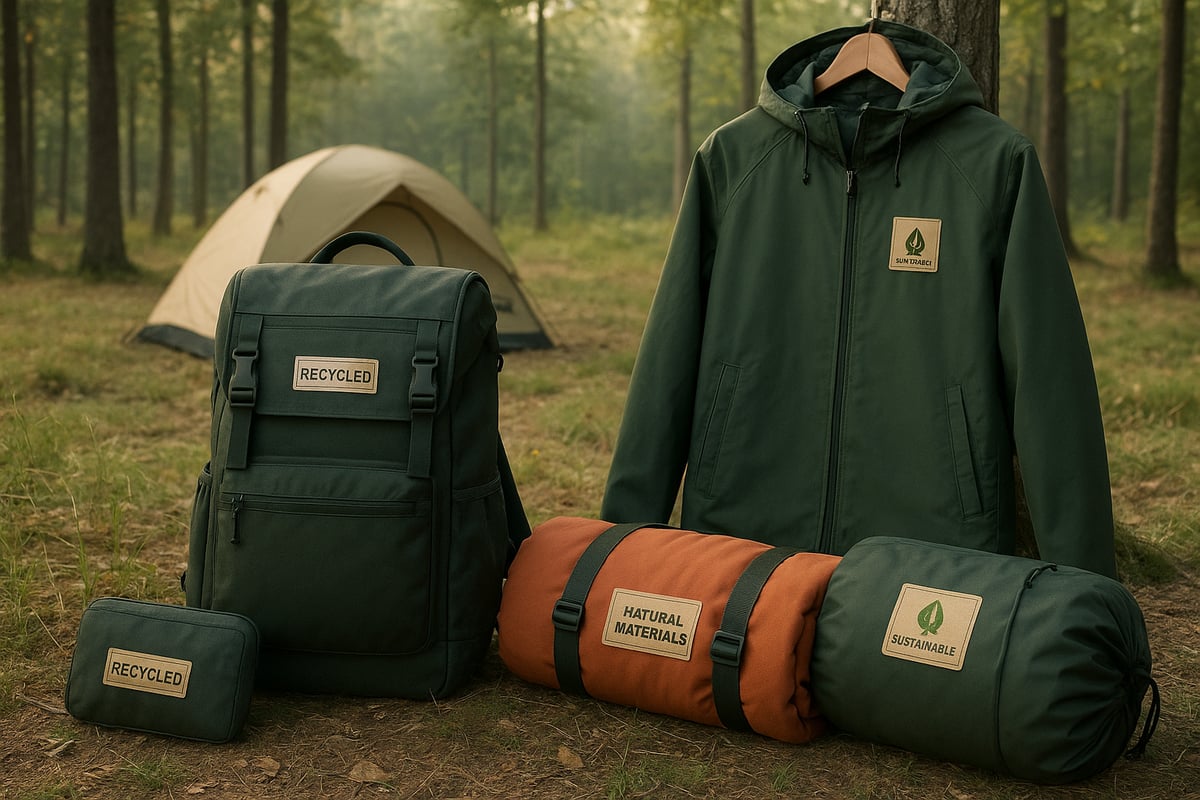
Sustainability in outdoor gear refers to creating products that minimise harm to the environment across their entire lifecycle. This means considering how raw materials are sourced, manufactured, used, and eventually disposed of.
Traditional gear production often relies on non-renewable resources and energy-intensive processes, which can lead to significant environmental degradation. In contrast, sustainable outdoor gear focuses on conserving resources and promoting ethical manufacturing practices.
A truly sustainable approach evaluates every stage, from design to end-of-life. For example, compare single-use plastics in disposable ponchos to reusable rain jackets made from recycled materials. The latter reduces waste and environmental impact over time.
For a deeper look at materials and production methods, see this Sustainable Materials in Outdoor Gear Design research paper.
The Environmental Footprint of Outdoor Activities
The manufacture and disposal of outdoor gear contribute to pollution, emissions, and landfill waste. Textile waste, including discarded tents and clothing, is a growing concern, with microplastics from synthetic fabrics entering waterways and harming wildlife.
The carbon footprint of common items such as backpacks and sleeping bags can be substantial due to energy use in manufacturing and transportation. According to the European Outdoor Group, initiatives focused on recycling and reusing gear have already led to measurable waste reduction.
When outdoor gear is thrown away rather than recycled or repurposed, it can linger in landfills for decades. Addressing these challenges is essential for anyone committed to sustainable outdoor gear.
Why Eco-Friendly Choices Matter in 2025
Climate change and resource scarcity are pressing issues that drive the need for sustainable outdoor gear. As consumers become more aware, their preferences are influencing brands to adopt greener practices and materials.
Regulatory bodies and governments are also increasing demands for transparency and lower environmental impact. Leading outdoor brands are responding by embracing circular economy principles, designing products for repair and recycling.
Making eco-friendly choices helps reduce the strain on natural resources and supports innovation in the industry. In 2025, every purchase has the potential to encourage more responsible production and consumption.
Barriers and Misconceptions About Sustainable Gear
Despite advances, misconceptions still surround sustainable outdoor gear. Some believe it means sacrificing performance or paying much higher prices. In reality, many sustainable products now match or exceed the durability and function of their traditional counterparts.
Verifying true eco-friendly claims can be challenging due to greenwashing, where marketing exaggerates environmental benefits. Consumers must balance durability, affordability, and environmental responsibility when choosing gear.
Fortunately, ongoing innovation is overcoming these barriers. New materials and transparent certifications are making it easier to identify genuinely sustainable options.
The Shift Towards Responsible Consumerism
A new generation of conscious consumers is driving demand for sustainable outdoor gear. Education and advocacy are empowering individuals to make informed choices and seek out ethical products.
Sales of sustainable gear have grown steadily from 2022 to 2024, reflecting a broader shift towards responsible consumerism within the outdoor community.
Key Sustainable Materials and Technologies in 2025
Selecting the right materials is central to the evolution of sustainable outdoor gear. In 2025, innovation continues to drive the industry forward, offering more responsible choices without sacrificing performance. Understanding these core materials and technologies enables consumers to make confident, eco-friendly decisions.
Recycled and Upcycled Materials
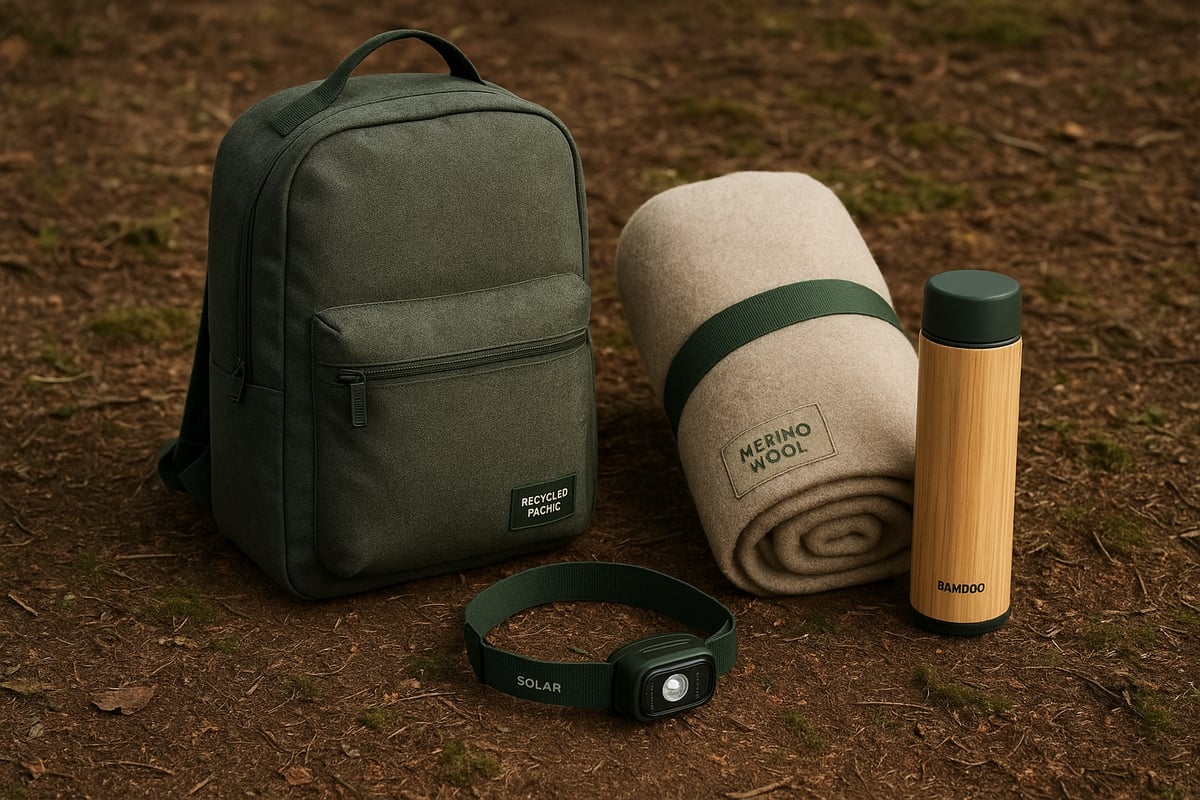
Recycled and upcycled materials are transforming the world of sustainable outdoor gear. Brands now use recycled polyester, nylon, and plastics sourced from post-consumer waste and even ocean debris. Through advanced processing, these materials are given new life as backpacks, jackets, and tents.
Upcycling goes beyond recycling by repurposing materials that might otherwise be discarded, such as turning fishing nets into durable bag fabrics. Recent data shows that some leading products contain up to 90% recycled content. This approach not only conserves resources but also reduces reliance on virgin materials, lowering emissions and waste.
Renewable and Biodegradable Fabrics
The shift to renewable and biodegradable fabrics is a major milestone for sustainable outdoor gear. Organic cotton, hemp, bamboo, and lyocell are leading natural fibres used in tents, clothing, and sleeping bags. These materials decompose more readily at end of life, reducing landfill impact.
Merino wool stands out for its renewability, softness, and temperature regulation. Products like eco-friendly camping blankets highlight the comfort and sustainability of this material. Natural fabrics are not just eco-friendly, but also offer breathability and moisture management, key for outdoor pursuits.
Non-Toxic and Low-Impact Dyes and Treatments
Traditional dyeing and finishing methods can be harmful to the environment, often releasing pollutants and using large amounts of water. The sustainable outdoor gear sector is adopting new solutions, such as waterless dyeing technologies and plant-based treatments.
Certifications like bluesign® guarantee non-toxic finishes, protecting both wearers and ecosystems. For example, many rainwear lines now feature PFC-free water repellency, eliminating persistent chemicals from their products. These innovations ensure gear remains high-performing without compromising environmental health.
Circular Design and Modular Construction
Circular design is at the heart of sustainable outdoor gear, focusing on repair, reuse, and recyclability. By creating gear with replaceable parts, such as zips or panels, manufacturers extend product lifespans and reduce waste.
Modular construction allows users to swap out worn components instead of replacing entire items. Some tents and jackets now offer easy panel replacements, and this approach has cut waste by up to 30% in certain product lines. Consumers benefit from long-lasting gear that adapts to their needs.
Advances in Sustainable Manufacturing
Sustainable outdoor gear is also shaped by how it is made. Many brands now power their factories with renewable energy and source materials locally to reduce transport emissions. Digital manufacturing and on-demand production further limit overproduction and waste.
Some companies have achieved carbon-neutral status by offsetting emissions and optimising every stage of their supply chain. These advances ensure eco-friendly gear is not only about materials, but also about responsible manufacturing from start to finish.
Top Eco-Friendly Outdoor Gear Categories for 2025
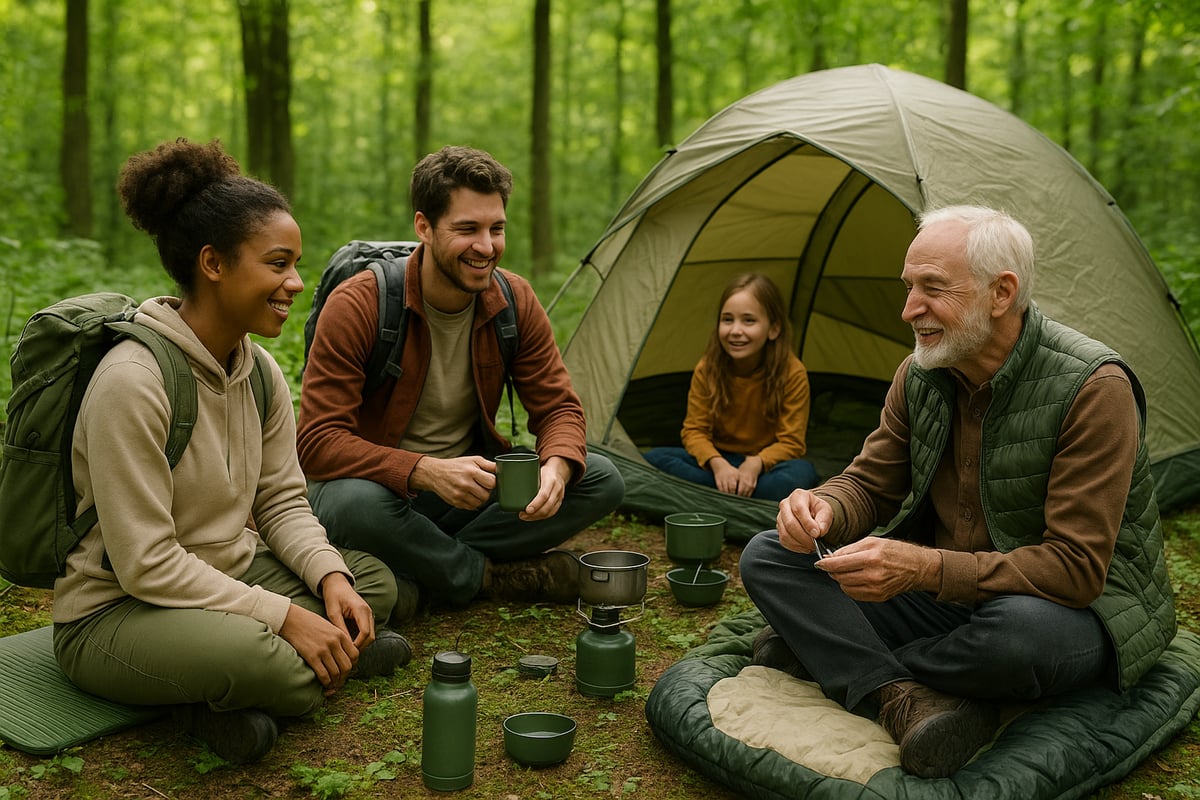
The demand for sustainable outdoor gear is reshaping the market for campers, hikers, and families. As innovation accelerates, leading brands are introducing products that align with eco-friendly values without sacrificing performance. Below, we explore the top gear categories making a positive environmental impact in 2025.
Sustainable Backpacks and Bags
Sustainable outdoor gear has made significant strides in the world of backpacks and bags. Brands are now prioritising recycled polyester and nylon, often sourced from post-consumer plastics. Many backpacks feature modular components, allowing for easy repair or replacement, which extends product life and reduces waste.
Durability and repairability are essential, with reinforced stitching and minimal hardware. Packs made from ocean plastics are increasingly popular, offering both environmental and performance benefits. In 2024, recycled backpacks captured a notable market share, reflecting a shift in consumer values.
Choosing sustainable outdoor gear in this category supports resource conservation and circular design. Look for brands with clear labelling of recycled content and accessible repair services.
Green Tents and Shelters
Green tents and shelters are at the forefront of sustainable outdoor gear innovation. Manufacturers are using recycled or undyed fabrics to minimise environmental impact. Aluminium poles are favoured over fibreglass for their recyclability and strength.
Non-toxic waterproofing treatments are now standard, and many tents offer replaceable zips and panels to prolong their usable life. Some brands provide lifetime repair programmes, ensuring longevity and reducing landfill contributions.
For those seeking a reusable and durable option, canvas tarps and sustainability offer a practical alternative. Canvas is biodegradable, robust, and can be repurposed for various shelter needs, making it a cornerstone in sustainable outdoor gear choices.
Ethical Sleeping Bags and Mats
The evolution of sleeping gear has placed sustainable outdoor gear at its core. Sleeping bags now commonly feature recycled down or synthetic insulation, reducing reliance on virgin materials. Organic cotton linings and PFC-free water-resistant treatments are becoming industry standards.
Certifications such as the Responsible Down Standard (RDS) ensure animal welfare and ethical sourcing. The market has seen a steady rise in recycled sleeping bag sales, highlighting growing consumer awareness.
When selecting sustainable outdoor gear in this category, prioritise products with transparent sourcing, ethical certifications, and modular or repairable components for extended use.
Eco-Conscious Clothing and Footwear
Eco-conscious clothing and footwear are integral to the sustainable outdoor gear movement. Performance base layers, weatherproof jackets, and hiking boots are increasingly made with recycled fibres, organic cotton, or plant-based materials.
Vegan and cruelty-free options are expanding, addressing ethical considerations without compromising durability. Many brands now offer lifetime repairs or recycling schemes for used garments, reducing overall waste.
To ensure your sustainable outdoor gear remains effective, choose items with robust warranties and participate in brand-led repair initiatives, supporting a circular approach to outdoor apparel.
Cooking and Hydration: Green Camp Kitchen Gear
Camp kitchen essentials have evolved, with sustainable outdoor gear now including stainless steel, titanium, and bamboo alternatives to single-use plastics. Reusable water filtration systems and bottles help minimise plastic waste on the trail.
Solar-powered stoves and lanterns are gaining popularity, reducing reliance on fossil fuels. Biodegradable soaps and eco-friendly utensils further decrease the environmental footprint of outdoor meals.
Selecting sustainable outdoor gear for your kitchen setup not only conserves resources but also promotes responsible practices in remote environments.
Accessories: From Headlamps to Multi-Tools
Accessories are a crucial yet often overlooked segment of sustainable outdoor gear. Modern headlamps use rechargeable batteries and offer solar charging options, reducing disposable battery waste. Multi-tools are engineered for durability and versatility, often constructed from recycled metals.
Minimal packaging and high recycled content are standard features. Products with replaceable or repairable parts ensure a longer lifespan and fewer replacements.
As sustainable outdoor gear evolves, these accessories play a vital role in reducing overall environmental impact and promoting mindful consumption.
Children’s and Family Outdoor Gear
Children’s and family outdoor products are embracing the sustainable outdoor gear ethos. Non-toxic materials and safe dyes are prioritised for children’s safety, while adjustable designs accommodate growth and extend product usability.
Durable gear is designed to withstand hand-me-down use, supporting waste reduction. Family tents now feature modular sleeping areas, offering flexibility and longevity for group adventures.
Recent market data shows a marked increase in sustainable outdoor gear offerings for children, reflecting both parental demand and industry commitment to environmental responsibility.
How to Identify Truly Sustainable Outdoor Gear
Selecting sustainable outdoor gear in 2025 requires more than just reading a product label. With a growing market and heightened consumer awareness, it is essential to know how to separate genuinely eco-friendly options from those that only appear green on the surface. This guide will help you navigate certifications, brand ethics, greenwashing pitfalls, and practical decision-making to ensure your next purchase truly supports sustainability.
Recognising Trusted Certifications and Standards
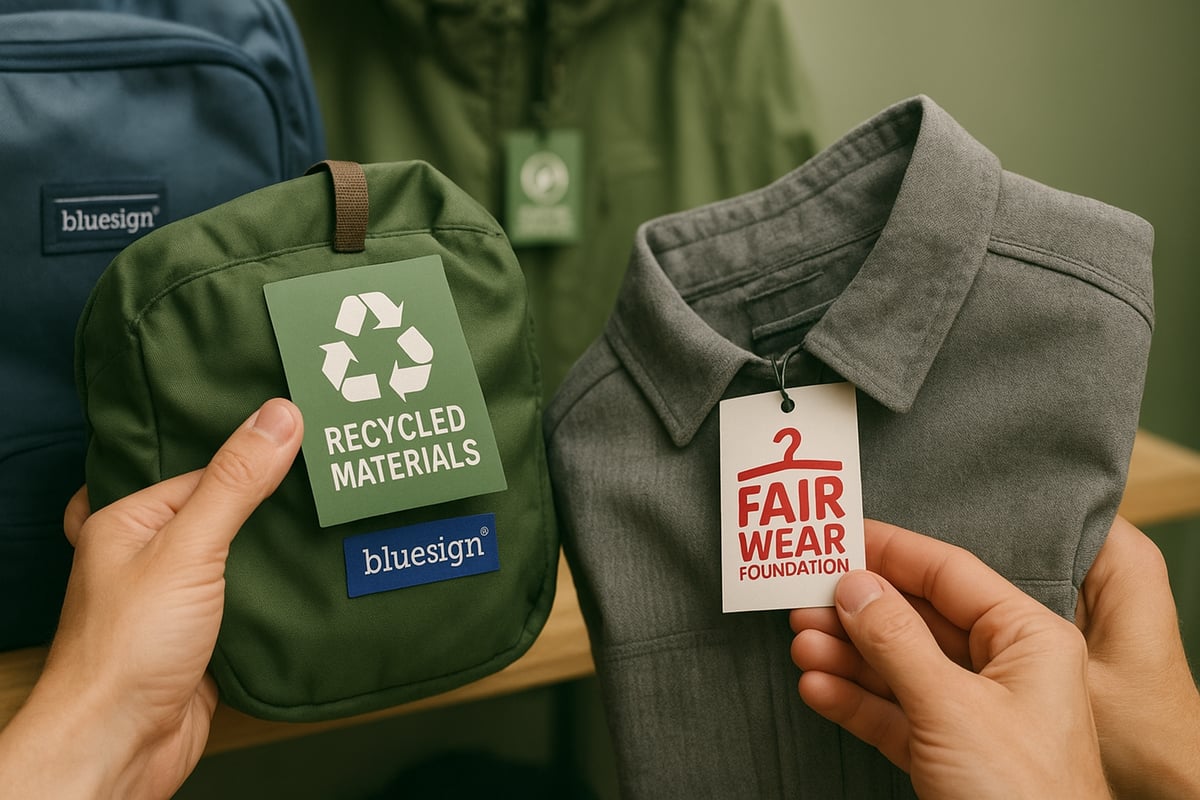
Certifications are a reliable indicator of sustainable outdoor gear. Look for labels such as bluesign®, Global Recycled Standard, Fair Wear Foundation, and Responsible Down Standard. These certifications signal that a product has met strict environmental or ethical benchmarks.
Below is a quick reference table for key certifications:
| Certification | What It Ensures |
|---|---|
| bluesign® | Safe chemicals, reduced water and energy usage |
| Global Recycled Standard | Verified recycled content |
| Fair Wear Foundation | Ethical labour and fair wages |
| Responsible Down Standard (RDS) | Animal welfare in down sourcing |
When shopping for sustainable outdoor gear, always check the label or brand website for certification details. Authentic certifications should be easy to verify, giving you confidence in your eco-friendly purchase.
Evaluating Brand Transparency and Ethics
Transparency is crucial in the world of sustainable outdoor gear. Trustworthy brands openly share information about their supply chain, factory conditions, and sourcing practices. Many leading companies now publish annual sustainability reports, detailing their progress and challenges.
Look for brands that:
- Disclose their manufacturing locations
- Share third-party audit results
- Provide clear environmental commitments
For example, some brands invite independent auditors to review their practices and make these findings public. When you see this level of openness, it is a strong signal that the brand is serious about sustainable outdoor gear, not just good marketing.
Spotting Greenwashing and False Claims
Greenwashing occurs when companies exaggerate or falsify their eco-friendly credentials. It is a common challenge for anyone seeking truly sustainable outdoor gear. Watch out for vague terms like "eco-friendly" or "natural" without supporting evidence.
Red flags include:
- No mention of certifications or standards
- Overly generic marketing language
- Lack of transparency about materials or sourcing
To verify claims, research the brand’s website, read third-party reviews, and look for detailed product information. Case studies have shown that some products labelled as "green" fail independent testing or lack credible certifications. Always dig deeper before making a purchase in the sustainable outdoor gear market.
Practical Checklist for Eco-Friendly Purchases
A practical checklist can help you choose sustainable outdoor gear with confidence. Ask yourself the following questions:
- What materials are used, and are they certified?
- Is the product designed for repair or recycling?
- Does the brand provide transparency about its practices?
- Are there end-of-life options, such as take-back schemes or recycling?
Use online comparison tools and sustainability databases to research products before buying. Many websites now rate outdoor gear for environmental impact, making it easier to compare options. By following this checklist, you will make informed decisions that support sustainability in every adventure.
Caring for and Extending the Life of Your Gear
Proper care and maintenance are essential for maximising the lifespan of your sustainable outdoor gear. By adopting responsible habits, you not only save money but also help reduce your environmental footprint.
Maintenance Tips for Longevity
Routine maintenance is the foundation of long-lasting sustainable outdoor gear. Begin by gently cleaning your equipment with eco-friendly soaps after each adventure. Avoid harsh detergents, as they can damage technical fabrics and harm the environment.
Store your gear in a cool, dry place to prevent mould and mildew. Keep items loosely packed to retain their shape and breathability. Promptly repair small tears or broken buckles using repair kits, which are widely available for tents, jackets, and backpacks.
For step-by-step advice, consult resources like Outdoor gear care tips, which provide expert guidance on cleaning and storage. Diligent care ensures your sustainable outdoor gear stays reliable for years to come.
Repair, Reuse, and Upcycling Initiatives
When wear and tear occur, repairing your sustainable outdoor gear is the most eco-friendly solution. Many leading outdoor brands now offer repair programmes and community workshops, making it easier than ever to fix damaged items.
Take advantage of free repairs at events or through mail-in services. If you enjoy hands-on projects, explore DIY repair guides for zips, seams, and hardware. Creative upcycling, such as turning an old tent into a shopping bag, gives new life to retired gear and keeps it out of landfill.
Embracing repair and reuse not only extends the value of your gear but also fosters a deeper connection with your sustainable outdoor gear.
Responsible Disposal and Recycling
Eventually, even the most durable sustainable outdoor gear reaches the end of its useful life. When this happens, consider donating gently used items to charities or outdoor clubs, ensuring they continue to serve others.
For products beyond repair, seek out manufacturer take-back schemes or local recycling programmes. Mixed-fabric items can be challenging to recycle, so check for specialised facilities that accept technical textiles. Some brands now operate dedicated recycling initiatives to reclaim materials from old gear.
Responsible disposal ensures your sustainable outdoor gear does not contribute to landfill waste, supporting a circular approach to consumption.
The Environmental Impact of Gear Care Choices
Every choice you make in caring for your sustainable outdoor gear affects the planet. Washing gear with cold water and air drying minimises energy use, while biodegradable cleaning products reduce water pollution.
Proper maintenance and timely repairs prevent premature disposal, cutting down on emissions linked to new product manufacturing. Recent data shows that extending the life of outdoor gear by even one year can significantly lower its overall environmental impact.
By making thoughtful care decisions, you protect both your investment and the natural spaces you love to explore.
The Future of Sustainable Outdoor Gear: Trends and Innovations
The landscape of sustainable outdoor gear is rapidly evolving, shaped by both technological breakthroughs and shifting consumer values. As 2025 approaches, new materials, circular business models, and collaborative industry efforts are redefining what it means to adventure responsibly. Let us explore the trends and innovations driving the next chapter in sustainable outdoor gear.
Emerging Materials and Technologies
Material science is transforming sustainable outdoor gear. In 2025, brands are harnessing bio-based plastics, lab-grown fibres, and natural alternatives like mycelium and algae. These new materials offer durability while reducing harm to the environment.
Smart textiles are another frontier. They can regulate temperature, generate solar energy, or adapt to weather changes, enhancing both comfort and efficiency. For instance, research into biodegradable interactive materials points to a future where gear leaves no trace behind.
By integrating these advancements, the sustainable outdoor gear sector is setting new benchmarks for eco-innovation.
Circular Economy and Rental Models
Circular economy principles are gaining traction in sustainable outdoor gear. Instead of a linear buy-use-dispose cycle, rental and sharing platforms allow gear to be used by multiple adventurers. This dramatically cuts down on waste and conserves resources.
Subscription services for specialised or seasonal equipment are also on the rise. These models encourage people to access high-quality gear without ownership, reducing clutter and environmental impact. According to Outdoor Gear Market Size Reflects Huge Growth at 111%, industry growth is closely tied to the adoption of sustainable practices and innovative business models.
Circularity is not just a trend—it is becoming a core expectation for sustainable outdoor gear.
Customisation and On-Demand Production
Customisation is revolutionising sustainable outdoor gear by reducing overproduction and waste. Digital design tools now enable brands to offer made-to-order products that fit individual needs and preferences.
This approach ensures that each item is purposeful and less likely to end up unused. Innovations such as 3D-printed components and modular add-ons further enhance personalisation and longevity.
On-demand production aligns perfectly with the ethos of sustainable outdoor gear, allowing companies to match supply with actual demand and minimise surplus inventory.
Industry Collaboration and Policy Changes
No single company can drive change alone. Industry-wide collaboration is crucial for scaling sustainable outdoor gear solutions. Brands are teaming up to develop closed-loop recycling systems and share best practices.
Policy changes are also shaping the future. New regulations require greater transparency in sourcing, manufacturing, and chemical use. Industry groups are committing to phasing out harmful substances and prioritising recyclability.
These efforts are making sustainable outdoor gear more accessible and trustworthy for all consumers.
Consumer Empowerment and Community Action
Consumers are playing a pivotal role in the evolution of sustainable outdoor gear. Outdoor communities are advocating for greener practices, sharing repair tips, and organising gear swaps.
Education and peer-to-peer support empower individuals to make informed choices and extend the life of their equipment. Online forums and sustainability movements are growing, helping to spread awareness and foster responsible habits.
By demanding better products and engaging in collective action, consumers are shaping the future of sustainable outdoor gear from the ground up.