

Heavy Duty Canvas Tents: The Ultimate Guide for 2026
RankPill on 28th Feb 2026
When you're planning extended outdoor adventures, the shelter you choose can make or break your experience. Heavy duty canvas tents have earned their reputation as the premier choice for serious campers, offering unmatched durability and comfort that synthetic alternatives simply cannot match. These robust shelters represent a significant investment in your outdoor pursuits, combining traditional materials with modern engineering to create spaces that withstand harsh conditions whilst providing the breathability and longevity that outdoor enthusiasts demand.
Understanding the Construction of Heavy Duty Canvas Tents
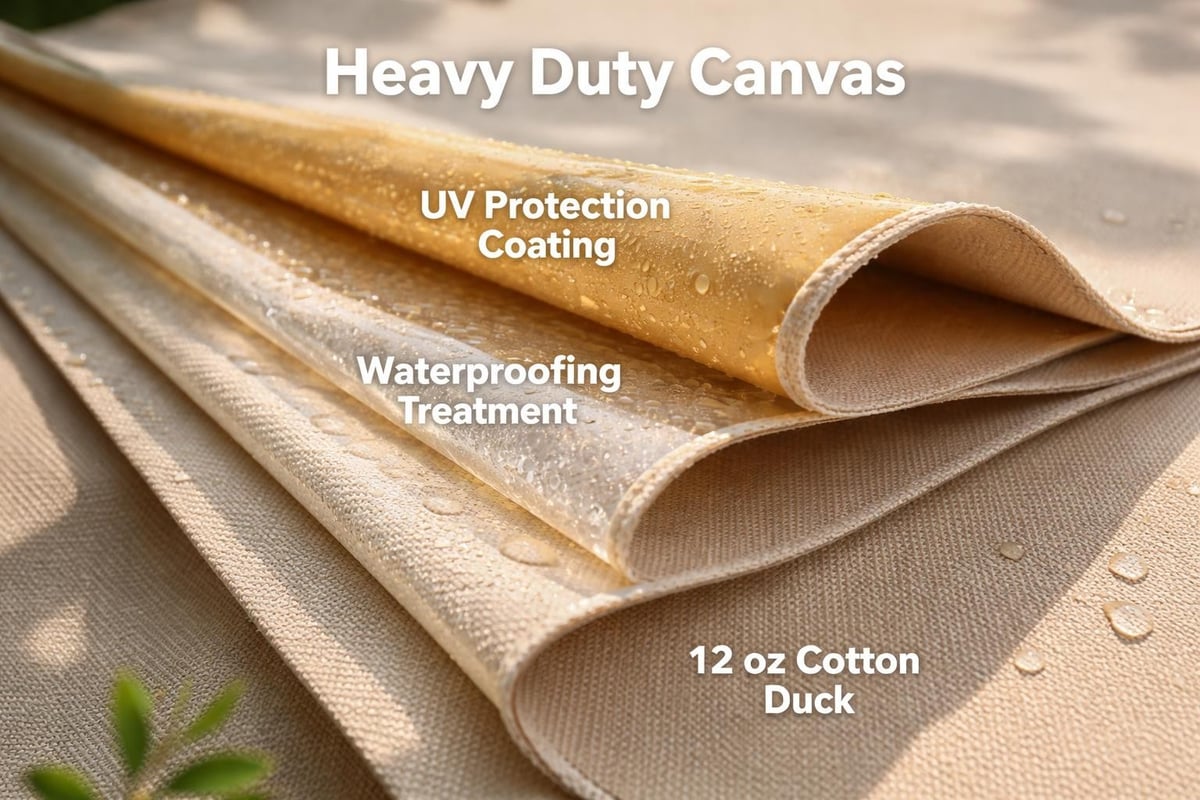
The foundation of any quality canvas tent lies in its materials and construction methods. Traditional heavy duty canvas tents utilise tightly woven cotton duck canvas, typically ranging from 10 to 18 ounces per square yard in weight. This substantial fabric density creates a barrier against wind and rain whilst maintaining the natural breathability that prevents condensation buildup inside your shelter.
Premium canvas construction features include:
- Double-stitched seams with reinforced stress points
- Rot-resistant threading throughout all joins
- UV-protective treatments to extend fabric lifespan
- Waterproofing compounds that maintain breathability
- Reinforced grommets and attachment points
The weave pattern matters significantly in determining tent performance. Tighter weaves offer superior water resistance, though they may feel heavier during transport. Many manufacturers treat their canvas with paraffin-based waterproofing agents that penetrate the fibres without completely sealing them, allowing moisture vapour to escape whilst blocking liquid water entry.
Material Selection and Treatment Processes
Modern heavy duty canvas tents benefit from sophisticated treatment processes that enhance their natural properties. The base cotton fibres undergo mercerisation, a treatment that strengthens the material and improves dye retention. Subsequently, manufacturers apply water-repellent finishes that work in harmony with the cotton's natural characteristics.
Understanding these treatments helps you maintain your investment properly. Most quality canvas requires periodic re-treatment with waterproofing compounds, particularly after extensive use or prolonged sun exposure. The wall tent design has evolved over centuries, incorporating these modern treatments whilst maintaining the structural integrity that made these shelters legendary amongst frontiersmen and military operations.
Key Features That Define Quality Canvas Shelters
When evaluating heavy duty canvas tents, several distinguishing features separate exceptional products from mediocre alternatives. The frame system forms the structural backbone, with most premium tents employing either external pole configurations or internal frame designs that maximise interior space whilst maintaining stability.
| Feature Category | Standard Options | Premium Options |
|---|---|---|
| Frame Material | Aluminium alloy | Steel or reinforced aluminium |
| Floor Material | Polyethylene groundsheet | Heavy vinyl or sewn-in canvas |
| Ventilation | Single roof vent | Multiple vents with adjustable closures |
| Door Configuration | Single zippered entry | Multiple doors with roll-up options |
| Guy Line System | Basic cord and stakes | Reflective lines with heavy-duty stakes |
Floor construction deserves particular attention. Sewn-in floors provide complete insect protection but may trap moisture if not properly ventilated. Removable groundsheets offer flexibility for cleaning and allow you to convert your tent into an open shelter when conditions permit.
Ventilation Systems and Climate Control
Proper airflow distinguishes a comfortable canvas shelter from a clammy, condensation-prone space. Heavy duty canvas tents excel in this regard, with their natural fibre construction facilitating moisture transfer that synthetic materials cannot match. However, design elements amplify these inherent benefits.
Peak vents create natural convection currents that draw warm, moist air upward and outward. Side windows with mesh screening allow cross-ventilation whilst keeping insects at bay. Some advanced designs incorporate adjustable vents near ground level, creating a chimney effect that continuously refreshes interior air.
For those planning winter camping adventures, these ventilation features become even more critical. The ability to run a wood stove safely requires both adequate fresh air intake and proper exhaust venting, features that quality canvas tents accommodate through stove jack ports and strategic vent placement.
Sizing Considerations and Space Planning
Selecting the appropriate size requires careful consideration of your typical camping party and gear requirements. Manufacturers rate tent capacity based on sleeping arrangements, but these figures rarely account for gear storage, living space, or comfort during extended stays.
A four-person rated canvas tent realistically accommodates two adults with gear comfortably. For groups, consider oversizing significantly. The additional space proves invaluable during inclement weather when everyone retreats indoors. Heavy duty canvas tents often feature vertical walls that maximise usable floor space, a significant advantage over dome-style designs where sloping walls reduce functional area.
Height and Interior Layout
Ceiling height dramatically impacts livability, particularly in base camp situations where you might spend considerable time inside your shelter. Most quality canvas tents offer peak heights between 6 and 8 feet, allowing adults to stand comfortably. This vertical space accommodates hanging storage systems, lighting fixtures, and creates an airy atmosphere that prevents feelings of confinement.
Room dividers transform larger heavy duty canvas tents into multi-functional spaces. Privacy curtains create separate sleeping quarters, whilst designated areas for cooking, dining, and relaxation enhance extended stay comfort. Some campers invest in models with built-in room dividers, though simple curtain systems work equally well.
When planning your layout, account for stove placement if you're incorporating heating. Adequate clearance from walls prevents fire hazards, whilst positioning near the tent centre improves heat distribution. The guide to heavy-duty tent selection offers additional insights into spatial planning for various camping scenarios.
Weather Resistance and Seasonal Performance
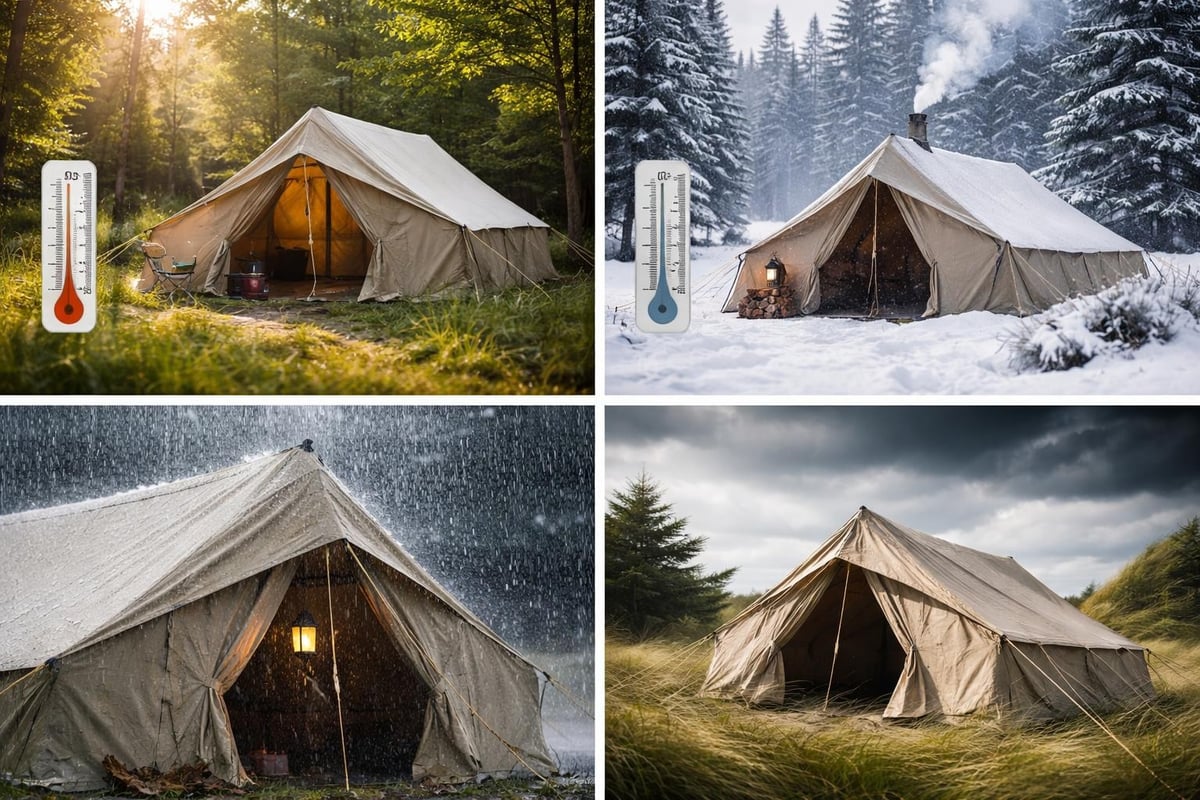
The true measure of heavy duty canvas tents emerges during challenging conditions. Canvas excels in diverse weather scenarios, from scorching summer heat to freezing winter storms. The fabric's natural properties regulate temperature more effectively than synthetic alternatives, staying cooler in sunshine and warmer during cold snaps.
Weather performance characteristics:
- Rain Protection: Properly treated canvas swells when wet, tightening the weave to block water penetration
- Wind Resistance: Heavy fabric weight and robust framing resist buffeting that tears lighter materials
- Snow Load: Steep roof pitches shed accumulation whilst strong frames support substantial weight
- UV Exposure: Treated canvas withstands years of sunlight without degrading like polyester or nylon
- Temperature Extremes: Natural insulation properties moderate interior temperatures
During rainfall, avoid touching the interior ceiling surface, as contact can disrupt the water-repellent barrier and create drip points. Quality rainflys provide additional protection, creating an air gap that improves both waterproofing and insulation. Extended eaves keep rain away from walls and entry points, maintaining drier conditions around your shelter.
Maintenance Requirements and Longevity
Heavy duty canvas tents demand more attention than synthetic alternatives, but proper care yields decades of reliable service. The investment in maintenance time pays dividends through extended lifespan and consistent performance. Understanding care requirements helps you protect your investment whilst ensuring your shelter remains ready for your next adventure.
Drying your tent completely before storage prevents mildew growth that deteriorates canvas fibres. Even brief storage whilst damp can trigger mould development, creating permanent staining and weakening the fabric. After each trip, erect your tent in a shaded area with good airflow, allowing it to dry thoroughly before packing.
Cleaning and Reproofing Procedures
Regular cleaning removes dirt, tree sap, and other contaminants that degrade waterproof treatments. Use mild soap and lukewarm water, avoiding harsh detergents that strip protective coatings. Soft brushes work well for stubborn stains, though aggressive scrubbing can damage the weave.
| Maintenance Task | Frequency | Time Required |
|---|---|---|
| Complete drying after use | Every trip | 4-8 hours |
| Spot cleaning | As needed | 15-30 minutes |
| Full washing | Annually | 2-3 hours |
| Waterproof treatment | Every 2-3 years | 3-4 hours |
| Seam inspection | Before each season | 30 minutes |
| Guy line replacement | Every 3-5 years | 1 hour |
Reproofing restores water resistance as factory treatments fade. Canvas-specific waterproofing products penetrate the fabric whilst maintaining breathability. Apply treatments to clean, dry canvas in well-ventilated areas, following manufacturer instructions carefully. Multiple light coats prove more effective than single heavy applications.
Storage conditions significantly impact longevity. Keep your canvas tent in a cool, dry location away from direct sunlight. Loose folding or hanging storage prevents permanent creases that create weak points. Never store canvas in plastic bags or airtight containers, as trapped moisture encourages mildew growth even in seemingly dry conditions.
Comparing Canvas to Modern Synthetic Materials
The debate between traditional canvas and contemporary synthetics continues amongst outdoor enthusiasts. Each material offers distinct advantages, though heavy duty canvas tents maintain clear superiority in specific applications. Understanding these differences helps you make informed decisions aligned with your camping style and priorities.
Canvas breathability remains its most significant advantage. The natural fibres allow water vapour to pass through whilst blocking liquid water, creating a comfortable interior environment that synthetic walls cannot replicate. This property proves particularly valuable during extended stays when condensation management becomes critical.
Performance Trade-offs and Considerations
Weight represents canvas's primary disadvantage. Heavy duty canvas tents typically weigh two to three times more than equivalent synthetic shelters, making them less suitable for backpacking or frequent relocation. However, for base camp scenarios, vehicle-supported camping, or semi-permanent installations, this weight penalty becomes irrelevant whilst the benefits compound.
Canvas advantages over synthetics:
- Superior temperature regulation in all seasons
- Natural resistance to UV degradation
- Minimal condensation buildup
- Repairable damage using basic sewing skills
- Quieter during wind and rain
- Longer operational lifespan with proper care
Synthetic material advantages:
- Significantly lighter for transport
- Faster drying times after rain
- Lower initial purchase cost
- Minimal maintenance requirements
- Resistant to mildew when stored damp
The Springbar tent design exemplifies how thoughtful engineering maximises canvas advantages whilst mitigating traditional drawbacks. These innovative shelters incorporate quick-setup mechanisms that reduce the labour typically associated with canvas tent erection.
For those building comprehensive outdoor gear collections, canvas tents complement other quality equipment. Pairing your shelter with essential outdoor gadgets creates a cohesive system that elevates your camping experience beyond basic survival to genuine comfort.
Setup and Breakdown Procedures
Erecting heavy duty canvas tents requires systematic approach and, initially, some practice. Unlike pop-up synthetic shelters, these substantial structures demand attention to proper technique. However, experienced campers complete setup efficiently, and the robust construction forgives minor mistakes that might damage lighter materials.
Begin by selecting level ground free from rocks, roots, and debris that could damage your floor. Spread your groundsheet or footprint first, ensuring it sits slightly smaller than your tent's base to prevent rain collection. Layout your tent body, orienting doors and windows according to prevailing winds and your campsite layout.
Step-by-Step Erection Process
- Assemble your frame components according to manufacturer specifications, checking all connections are secure
- Raise the main support structure, working from the centre outward for wall tent designs
- Attach canvas to the frame, ensuring fabric sits evenly without excessive tension or sagging
- Secure all guy lines, creating triangular tension patterns that distribute stress evenly
- Adjust ventilation openings and verify all zippers and closures function properly
- Install rainfly if conditions warrant additional weather protection
Proper tensioning prevents fabric flapping that accelerates wear and creates noise during windy conditions. Guy lines should create firm resistance without overtightening, which stresses seams and attachment points. Adjustable line tensioners allow fine-tuning as canvas stretches or contracts with humidity changes.
Breakdown reverses this process, with added emphasis on cleaning and drying. Remove debris from the tent floor and shake out accumulated dirt before folding. If conditions prevent complete drying before departure, prioritise drying your tent immediately upon returning home rather than leaving it packed wet in your vehicle.
Specialised Applications and Use Cases
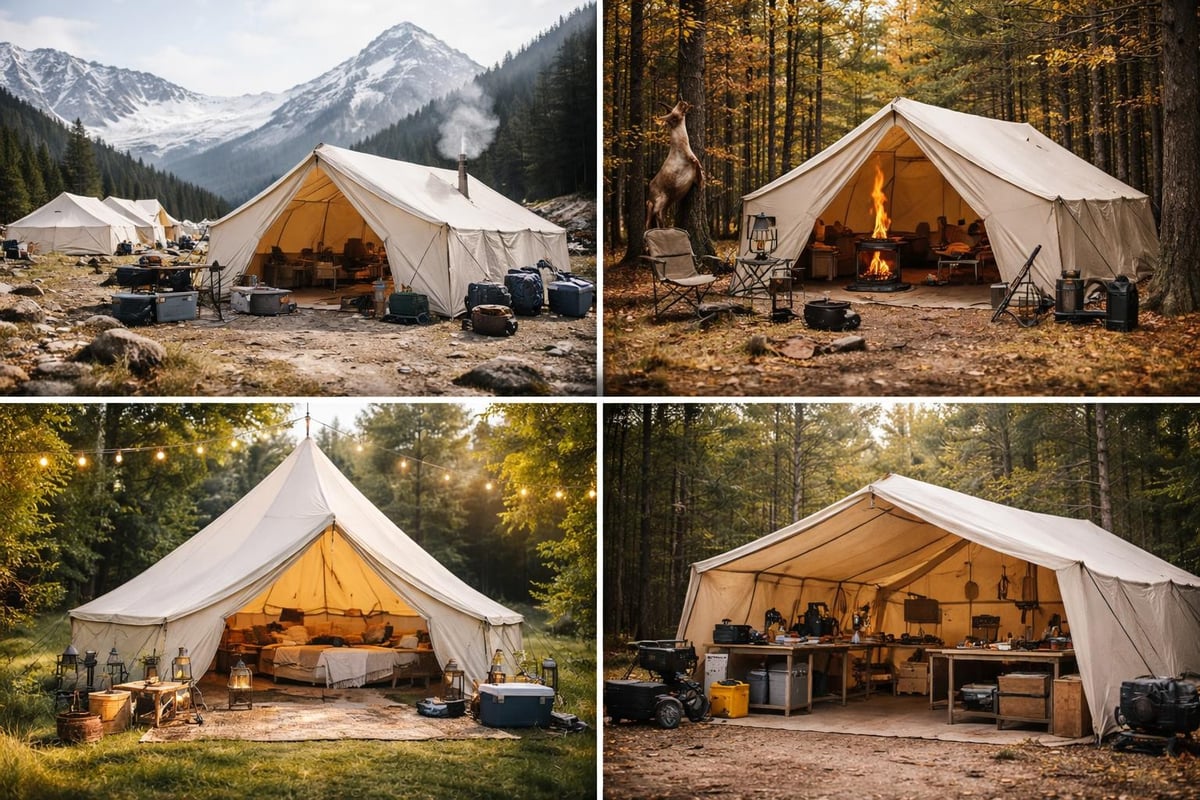
Heavy duty canvas tents serve diverse purposes beyond recreational camping. Their robust construction and spacious interiors make them ideal for semi-permanent installations, mobile workshops, and extended expedition base camps. Understanding these specialised applications illuminates why serious outdoor enthusiasts choose canvas despite its weight and cost considerations.
Military-grade canvas tents demonstrate the material's capabilities under extreme conditions. These shelters withstand harsh climates whilst housing personnel and equipment for extended periods. The same durability standards benefit civilian users planning long-term wilderness stays or operating remote research stations.
Hunting and Extended Wilderness Stays
Hunters appreciate canvas tents for their ability to accommodate gear, provide comfortable living quarters during multi-week expeditions, and withstand the unpredictable weather common during hunting seasons. The natural fabric colours blend with outdoor environments better than bright synthetic materials, whilst the spacious interiors accommodate game processing equipment and meat storage systems.
For those planning extended backcountry adventures, pairing your canvas shelter with appropriate warm outdoor clothing ensures comfort regardless of conditions. The synergy between quality shelter and proper attire transforms challenging expeditions into enjoyable experiences.
Event organisers increasingly specify canvas tents for outdoor gatherings, appreciating their aesthetic appeal and practical advantages. Festival glamping operations favour canvas for its durability across multiple seasons and its ability to create comfortable guest accommodations without the sterile feel of synthetic alternatives.
Cost Considerations and Value Assessment
Heavy duty canvas tents represent significant financial investments, with quality models ranging from several hundred to several thousand pounds. This price point often prompts questions about value, particularly when comparing against less expensive synthetic alternatives. However, examining total cost of ownership reveals canvas's economic advantages over extended timeframes.
A well-maintained canvas tent easily provides twenty to thirty years of service, whilst synthetic alternatives typically require replacement within five to ten years. Amortising purchase cost across this extended lifespan demonstrates canvas's economic efficiency. Additionally, canvas maintains resale value better than synthetics, with vintage models often commanding premium prices from collectors.
Budget Planning and Purchase Timing
| Price Range | Typical Features | Best For |
|---|---|---|
| £300-£600 | Basic construction, lighter canvas weight, simpler frame | Occasional weekend camping, fair-weather use |
| £600-£1,200 | Quality materials, reinforced construction, improved features | Regular camping, three-season use |
| £1,200-£2,500 | Premium canvas, advanced features, superior craftsmanship | Extended trips, year-round camping |
| £2,500+ | Expedition-grade construction, custom options, maximum durability | Professional use, extreme conditions |
Seasonal sales and off-season purchasing can yield substantial savings. Autumn and winter typically offer the best prices as retailers clear inventory before the spring camping season. However, selection may be limited during these periods, so balance savings against availability of your preferred model and size.
The current canvas tent market offers diverse options across all price points, with reputable manufacturers delivering quality products at various investment levels. Prioritise features aligned with your specific needs rather than pursuing the most expensive option, as mid-range models often provide excellent value for typical recreational use.
Frame Systems and Structural Engineering
The support structure determines your tent's stability, longevity, and ease of setup. Heavy duty canvas tents employ various frame designs, each offering distinct advantages depending on your camping style and conditions. Understanding these systems helps you select shelters that align with your priorities and camping environments.
External pole configurations represent the traditional approach, with vertical supports and ridge poles creating the classic wall tent profile. These systems excel in stability and interior space maximisation, as structural elements remain outside the living area. Setup requires more initial effort compared to modern alternatives, though experienced campers develop efficient routines.
Modern Frame Innovations
Contemporary manufacturers have developed sophisticated frame systems that reduce setup complexity whilst maintaining structural integrity. Spring-loaded mechanisms allow rapid deployment, with integrated pole systems that eliminate loose components prone to loss or confusion during assembly.
Frame material considerations:
- Steel poles: Maximum strength and wind resistance, heavier weight, excellent for permanent installations
- Aluminium alloy: Lightweight strength balance, suitable for mobile camping, adequate stability
- Fibreglass: Budget-friendly option, acceptable for calm conditions, prone to splintering under stress
- Carbon fibre: Premium lightweight choice, exceptional strength-to-weight ratio, significant cost premium
Hub designs concentrate multiple pole connections at single junction points, improving structural efficiency and reducing setup complexity. These sophisticated systems distribute stress across the entire frame rather than concentrating forces at individual points, enhancing overall stability and extending frame lifespan.
For those interested in alternative shelter configurations, exploring tarp camping techniques provides insights into minimalist approaches that complement traditional tent camping. Understanding various shelter philosophies enriches your outdoor expertise and adaptability.
Customisation Options and Accessories
Personalising your canvas tent enhances functionality and tailors the shelter to your specific requirements. Many manufacturers offer customisation during purchase, whilst aftermarket accessories allow you to modify existing tents. These enhancements transform basic shelters into sophisticated outdoor living systems optimised for your camping style.
Stove jacks represent one of the most popular customisations, enabling safe wood stove operation for heating and cooking. These reinforced openings accommodate stovepipes whilst maintaining weather protection. Proper installation ensures smoke exits efficiently whilst preventing heat damage to the canvas surrounding the opening.
Popular Enhancement Options
Window configurations dramatically impact interior ambience and ventilation. Additional windows increase natural lighting and airflow options, though they may reduce privacy and insulation. Mesh screening prevents insect entry whilst maintaining visibility and air circulation, essential for warm-weather comfort.
Extended awnings create sheltered outdoor living spaces that expand your usable area beyond the tent's interior. These vestibules protect gear from weather, provide cooking areas, and create transitional zones that reduce dirt and moisture tracking into sleeping quarters. Some designs incorporate removable walls that convert awnings into fully enclosed spaces during inclement weather.
Interior organisation systems maximise your tent's utility through thoughtful storage solutions. Hanging pockets, gear lofts, and modular shelving keep equipment organised and accessible. Proper organisation proves particularly valuable in larger tents where gear can become scattered across substantial floor space.
Environmental Considerations and Sustainability
Canvas's environmental profile differs significantly from synthetic alternatives, offering both advantages and considerations for environmentally conscious campers. Natural cotton production carries environmental costs, though the material's biodegradability and longevity present compelling sustainability arguments compared to petroleum-based fabrics.
Organic cotton options provide reduced environmental impact during production, eliminating pesticides and synthetic fertilisers from the cultivation process. These premium materials command higher prices but align with values-driven purchasing decisions. Some manufacturers offer recycled cotton canvas blends that incorporate post-consumer materials whilst maintaining performance standards.
Lifecycle Environmental Impact
The extended lifespan of heavy duty canvas tents significantly reduces their per-use environmental footprint. A thirty-year service life represents roughly six synthetic tent replacements, dramatically reducing manufacturing impact, transportation emissions, and landfill waste. This longevity transforms the initial environmental cost into a sustainable long-term investment.
Sustainability factors to consider:
- Canvas biodegrades naturally at end-of-life versus persistent synthetic waste
- Repair-friendly construction extends usable lifespan indefinitely
- Natural materials require less energy-intensive production processes
- Waterproofing treatments may contain chemicals requiring careful disposal
- Local manufacturing reduces transportation emissions when available
Proper disposal at end-of-life allows canvas to return to the environment naturally, though most quality tents remain serviceable for decades with appropriate care. Repurposing worn canvas into smaller projects like bags, aprons, or ground cloths extends material utility beyond primary shelter applications.
Understanding the features, benefits, and requirements of heavy duty canvas tents empowers you to make informed decisions that enhance your outdoor experiences for decades to come. Whether you're planning weekend getaways or extended wilderness expeditions, the right canvas shelter transforms camping from mere survival into genuine comfort and connection with nature. Outhaus offers premium outdoor gear designed to complement your canvas tent setup, from durable tarps to comfortable swags, all built to the same exacting standards that serious adventurers demand. Explore their comprehensive range to build a complete outdoor living system that performs reliably season after season.