

Essential Hiking Gear for Men: Complete Guide 2026
RankPill on 16th Feb 2026
Planning your next backcountry adventure requires more than just enthusiasm and a sense of direction. Whether you're tackling multi-day expeditions across challenging terrain or enjoying weekend trails closer to home, having the right hiking gear for men makes the difference between an unforgettable experience and an uncomfortable ordeal. Understanding what equipment serves your specific needs, how to layer properly, and which items deserve priority in your pack transforms how you approach outdoor adventures. This comprehensive guide explores the essential equipment categories every male hiker should consider, from foundational items to specialized gear that enhances safety and comfort in the wilderness.
Understanding the Foundational Essentials
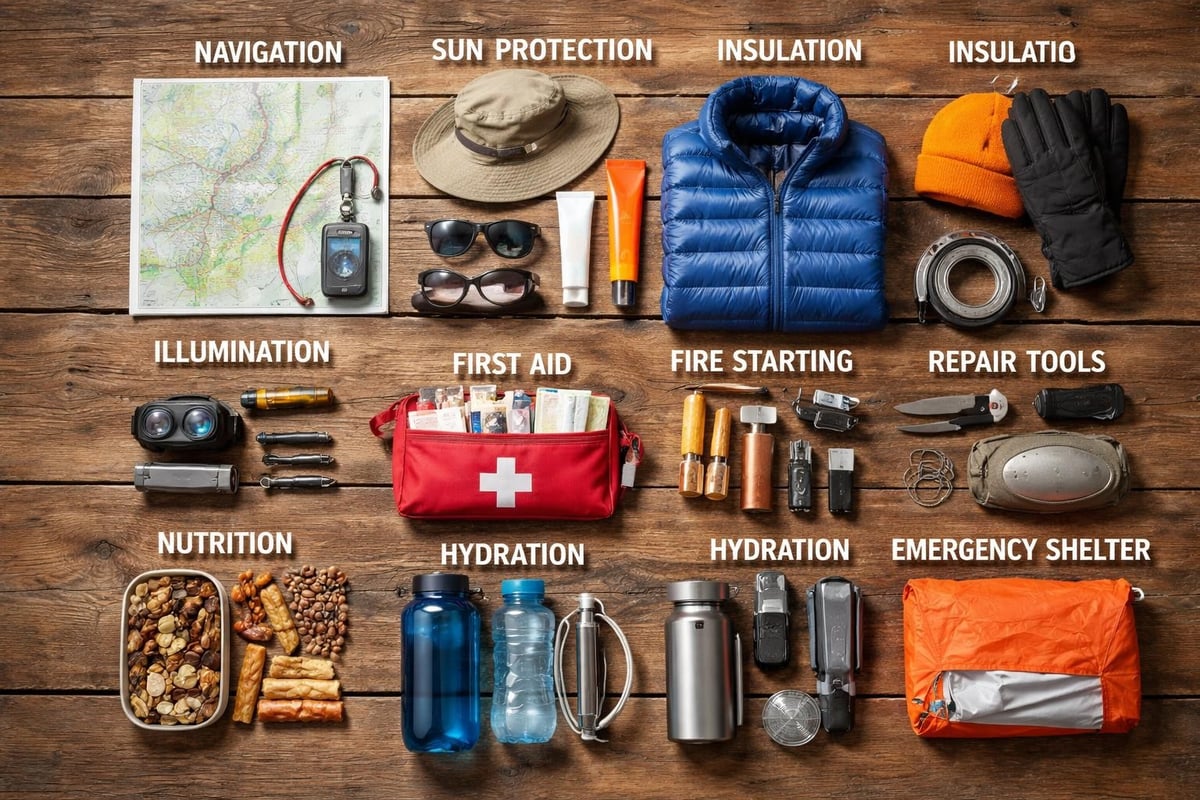
Before investing in specialized equipment, every hiker should familiarize themselves with the Ten Essentials framework, a systematic approach to packing for backcountry safety. This concept, originally developed by The Mountaineers in the 1930s, has evolved from a list of ten specific items to ten functional systems that address navigation, sun protection, insulation, illumination, first aid, fire, repairs, nutrition, hydration, and emergency shelter.
Modern interpretations of these essentials recognize that individual items can fulfill multiple functions. A quality tarp system, for instance, serves as both emergency shelter and a versatile camp setup option. Similarly, proper layering systems address multiple needs simultaneously: insulation, weather protection, and moisture management.
Building Your Core System
The systems approach to hiking gear for men encourages thoughtful selection based on your intended environment and trip duration rather than simply accumulating individual items.
Navigation Systems Include:
- Physical maps and compass (non-battery backup)
- GPS devices or smartphone with offline maps
- Route planning tools and waypoint markers
- Emergency communication devices for remote areas
Shelter and Protection Systems:
- Emergency bivy or lightweight tarp for unexpected overnight stays
- Weather-appropriate tent or swag for planned camping
- Ground insulation and sleeping systems
- Rain protection and wind barriers
Understanding these interconnected systems helps prioritize purchases and prevents redundancy in your pack. For example, selecting appropriate outdoor gear that serves multiple purposes reduces overall weight while maintaining functionality.
Footwear and Lower Body Protection
Your choice of footwear represents perhaps the most critical decision in selecting hiking gear for men. Feet endure tremendous stress during extended hikes, and poor footwear choices lead to blisters, joint pain, and potentially serious injuries that can end trips prematurely.
Selecting Appropriate Hiking Boots
Boot selection depends on terrain difficulty, load weight, and personal preference. Trail runners suit well-maintained paths with lighter loads, while full-grain leather boots provide ankle support and durability for rugged terrain and heavier packs.
| Boot Type | Best For | Weight Range | Break-In Period |
|---|---|---|---|
| Trail Runners | Day hikes, maintained trails | 300-500g per boot | Minimal (1-2 outings) |
| Light Hiking Boots | Weekend trips, moderate terrain | 500-800g per boot | 1-2 weeks |
| Midweight Boots | Multi-day trips, varied terrain | 800-1200g per boot | 2-4 weeks |
| Mountaineering Boots | Technical terrain, heavy loads | 1200g+ per boot | 4-6 weeks |
Modern boot construction has evolved significantly, with many manufacturers offering hybrid designs that balance support with flexibility. Waterproof membranes like Gore-Tex provide weather protection but reduce breathability, making them ideal for wet conditions but potentially uncomfortable in hot, dry environments.
Sock Systems and Foot Care
Quality socks deserve equal attention to boots. Merino wool blends offer superior moisture management and odor resistance compared to synthetic alternatives, though they wear faster. A two-sock system-thin liner socks beneath thicker hiking socks-reduces friction and prevents blisters during extended outings.
Gaiters add another layer of protection, keeping debris, moisture, and insects away from boots and lower legs. In wet conditions or deep vegetation, they're invaluable for comfort and foot health.
Layering Systems for Variable Conditions
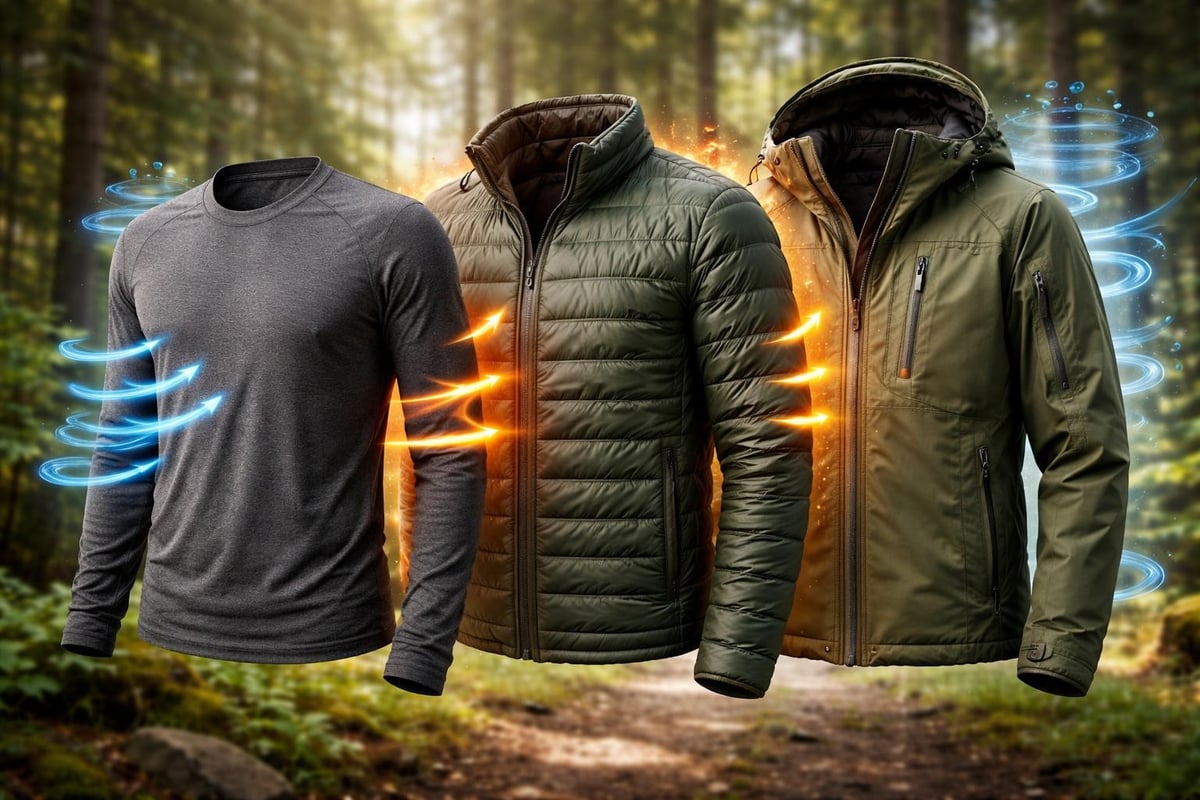
Understanding how to layer properly separates comfortable hikers from those who struggle with temperature regulation. The three-layer system-base, mid, and outer layers-provides flexibility to adjust insulation as conditions and exertion levels change throughout the day.
Base Layer Fundamentals
Base layers manage moisture by wicking perspiration away from skin. Synthetic fabrics dry quickly and maintain insulating properties when wet, while merino wool offers superior odor resistance and comfort across wider temperature ranges. Cotton has no place in backcountry base layers, as it retains moisture and loses all insulating value when damp.
Weight categories for base layers:
- Lightweight (150-200 gsm): High-output activities in mild conditions
- Midweight (200-250 gsm): General three-season use
- Heavyweight (250+ gsm): Cold weather and low-activity scenarios
Your choice should reflect anticipated weather, exertion levels, and personal temperature regulation tendencies. For guidance on selecting warm outdoor clothing, consider both insulation needs and moisture management requirements.
Mid-Layer Insulation Options
Mid-layers provide warmth through trapped air while maintaining breathability. Fleece jackets offer excellent warmth-to-weight ratios and continue insulating when damp. Down insulation provides superior warmth in dry conditions but loses effectiveness when wet, while synthetic insulation maintains performance in moisture but weighs more for equivalent warmth.
Hybrid constructions combine different insulation types strategically, placing synthetic fill in moisture-prone areas and down where maximum warmth matters most. This approach optimizes performance across varied conditions.
Outer Layer Weather Protection
Shell layers shield against wind and precipitation. Hardshells with waterproof-breathable membranes provide maximum weather protection for extended exposure, while softshells offer better breathability for high-output activities in light precipitation. Selecting the right waterproof jacket depends on your typical hiking environments and weather patterns.
Backpack Selection and Load Management
Choosing appropriate pack capacity and features ensures comfortable carrying for your typical trip lengths. Daypacks (20-35 liters) suit single-day outings, weekend packs (35-50 liters) handle overnight trips, and expedition packs (50+ liters) accommodate extended adventures with full camping systems.
Fit and Adjustment Principles
Proper fit matters more than brand reputation or feature sets. Torso length, not overall height, determines appropriate pack sizing. Hip belts should rest on hip bones, not the waist, transferring most weight away from shoulders. Load lifter straps, when adjusted correctly, pull the pack's top closer to your shoulders, improving balance and reducing strain.
Key adjustment points include:
- Hip belt positioning and tightness
- Shoulder strap tension
- Load lifter angle (45 degrees optimal)
- Sternum strap height and tension
- Stabilizer strap adjustment
Testing packs with realistic loads before purchasing reveals comfort issues that empty packs conceal. Many retailers offer loading assistance to simulate typical hiking loads during fitting sessions.
Organization and Accessibility
Strategic packing improves efficiency and balance. Heavy items belong close to your back, between shoulder blades and hip level, maintaining your natural center of gravity. Frequently needed items-rain shells, snacks, navigation tools-should occupy easily accessible pockets or top compartments.
Waterproofing strategies protect gear from moisture through pack liners, dry bags, or waterproof stuff sacks. Even packs advertised as water-resistant allow moisture infiltration during extended rain exposure, making internal waterproofing essential for electronics and insulation layers.
Shelter Systems Beyond Traditional Tents
While conventional tents remain popular, alternative shelter systems offer advantages in weight, versatility, and environmental adaptability. Tarp shelters, bivy sacks, and swag systems each provide distinct benefits for different hiking styles and preferences.
Tarp Camping Benefits
Lightweight tarps deliver exceptional versatility, offering numerous pitch configurations for varied terrain and weather conditions. They weigh significantly less than traditional tents while providing comparable weather protection when pitched skillfully. Tarp camping advantages include superior ventilation, excellent views, and simplified setup once you master basic knots and pitch techniques.
Learning multiple pitch configurations-A-frame, lean-to, diamond, and flying diamond setups-adapts your shelter to specific situations. Wind direction, precipitation angle, and ground conditions all influence optimal pitch selection.
Swag Systems for Versatile Camping
Canvas swags combine sleeping bags with integrated shelter systems, creating self-contained sleeping solutions particularly suited to vehicle-based camping and less extreme weather conditions. Their heavy-duty construction provides excellent durability and weather resistance while maintaining breathability through canvas weave properties.
Modern swag designs incorporate features like hooped poles for internal space, built-in mattresses for comfort, and reinforced attachment points for guy lines. While heavier than ultralight alternatives, their convenience and weather protection appeal to campers prioritizing comfort over minimal weight.
Navigation Tools and Safety Equipment
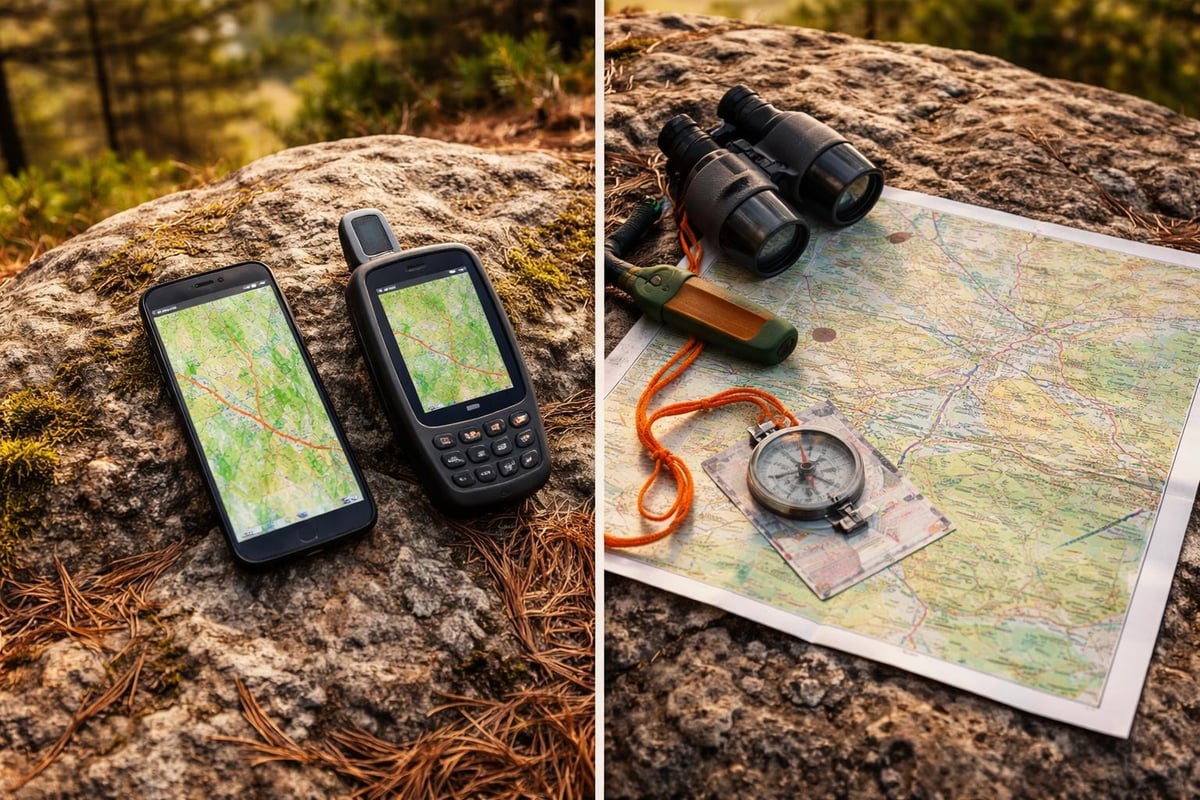
Reliable navigation prevents getting lost while helping you maximize trail time by confidently following planned routes. Modern GPS devices offer detailed mapping and tracking, but traditional map and compass skills provide essential backup when electronics fail or batteries deplete.
Digital Navigation Solutions
Smartphone apps with offline mapping capabilities have revolutionized backcountry navigation. Services like Gaia GPS, AllTrails, and OS Maps provide detailed topographic information without cellular coverage. Dedicated GPS devices offer superior battery life and durability but at higher cost and weight.
Power management becomes critical on extended trips. Battery banks, solar chargers, or carrying spare batteries extends electronic navigation capability. However, competence with map and compass ensures navigation capability regardless of electronic failures.
Traditional Navigation Skills
Understanding topographic maps reveals terrain features, water sources, and potential hazards before encountering them on trail. Compass work enables precise bearing following and position triangulation when combined with map reading. These fundamental skills provide confidence and safety that electronics alone cannot guarantee.
According to comprehensive gear reviews, the most reliable navigation approach combines digital convenience with traditional backup methods, ensuring multiple navigation solutions regardless of conditions or equipment failures.
Hydration and Nutrition Systems
Maintaining proper hydration and nutrition fuels performance and prevents serious health issues during extended hiking. Water sources vary by region and season, making purification systems essential for backcountry travel beyond day hikes.
Water Purification Methods
Chemical treatments, filtration systems, and UV purification each offer distinct advantages. Tablets and drops provide lightweight, inexpensive purification but require waiting periods and may affect taste. Pump and squeeze filters deliver immediate purification with better taste but need maintenance and eventually require replacement elements.
| Method | Weight | Cost | Effectiveness | Convenience |
|---|---|---|---|---|
| Chemical | Minimal | Low | Excellent | Wait required |
| Pump Filter | Medium | Medium-High | Excellent | Immediate, labor-intensive |
| Squeeze Filter | Low | Medium | Excellent | Immediate, easy |
| UV Light | Low | High | Excellent | Immediate, battery-dependent |
| Gravity Filter | Medium | Medium | Excellent | Immediate, hands-free |
Carrying capacity depends on water source availability along your route. Detailed trip planning identifies reliable water sources, determining whether you need minimal bladder capacity or larger reserves for dry stretches.
Nutrition Planning
Caloric requirements increase significantly during hiking, often reaching 3,000-5,000 calories daily depending on terrain difficulty, pack weight, and pace. Balancing nutrition density, palatability, and preparation simplicity ensures adequate fueling without excessive pack weight.
Dehydrated meals offer excellent calorie-to-weight ratios and simplified preparation requiring only boiling water. Energy bars, nuts, dried fruits, and jerky provide portable calories for trail snacking. Planning meals around your cooking system prevents carrying incompatible food items.
Specialized Gear for Specific Conditions
Beyond foundational equipment, certain environments and seasons demand specialized hiking gear for men designed for particular challenges.
Cold Weather Considerations
Winter hiking introduces additional complexity through insulation requirements, traction needs, and increased hazard potential. Winter camping strategies address challenges like maintaining warmth while sleeping, preventing water from freezing, and managing condensation in shelters.
Microspikes or crampons provide traction on ice and packed snow. Insulated bottles or bottle parkas prevent water from freezing. Higher-rated sleeping bags and insulated pads combat cold ground temperatures that sap body heat.
Hot Weather and Desert Hiking
High temperatures and intense sun exposure create different challenges requiring specific solutions. Sun protection through clothing, wide-brimmed hats, and regular sunscreen application prevents burns and reduces heat exhaustion risk. Increased water capacity and electrolyte supplementation combat dehydration in hot conditions.
Light-colored, loose-fitting clothing reflects solar radiation while promoting air circulation. UPF-rated fabrics provide measured sun protection superior to conventional materials.
Clothing and Accessories Optimization
Beyond base layers and shells, numerous clothing items and accessories enhance comfort and functionality during hiking adventures. Curated selections from outdoor gear experts demonstrate how thoughtful accessory choices complement core equipment systems.
Head and Hand Protection
Hats serve multiple functions depending on design. Brimmed hats shield faces and necks from sun exposure, while knit beanies provide warmth retention during cold conditions. Lightweight caps work well in moderate conditions, offering sun protection without excess warmth.
Glove systems mirror body layering principles. Lightweight liner gloves provide dexterity for camp tasks while offering basic warmth. Insulated gloves or mittens add substantial warmth for cold conditions, with mittens providing superior warmth but reduced dexterity compared to fingered gloves.
Technical Hiking Pants and Shorts
Lower body clothing balances durability, mobility, and weather protection. Synthetic fabrics dry quickly and resist abrasion better than cotton alternatives. Convertible pants with zip-off legs adapt to changing temperatures, though the zippers add weight and potential failure points.
Stretchy fabrics improve mobility during scrambling and steep ascents. Reinforced knees and seat areas extend garment life in high-wear zones. For detailed recommendations on performance outdoor clothing, consider how fabric technology has evolved to meet specific hiking demands.
Maintenance and Care for Longevity
Proper equipment maintenance extends gear life while maintaining performance characteristics. Regular cleaning, appropriate storage, and timely repairs prevent premature failure and maintain safety margins built into quality gear.
Boot and Footwear Care
Cleaning boots after muddy outings prevents material degradation and maintains waterproofing effectiveness. Leather boots benefit from periodic conditioning that preserves flexibility and water resistance. Storing boots in temperature-controlled environments prevents adhesive failures and material cracking.
Sole inspection reveals wear patterns indicating replacement timing. Worn lugs reduce traction significantly, especially on wet surfaces. Many quality boots accept resoling, extending their useful life substantially compared to replacing entire boots.
Washing and Waterproofing Treatments
Technical fabrics require specific care approaches. Down insulation needs front-loading washers without agitators and specialized detergents that preserve loft. Synthetic insulation tolerates standard washing better but still benefits from gentle cycles and appropriate detergents.
DWR (durable water repellent) treatments wear off with use and washing, requiring periodic reapplication. Heat activation after applying DWR treatments optimizes effectiveness. Proper care maintains the breathability and weather protection that makes technical fabrics valuable for hiking gear for men.
Storage Best Practices
Long-term storage conditions affect equipment longevity significantly. Sleeping bags and insulated jackets should hang loosely or store uncompressed in large sacks, as continuous compression degrades loft over time. Boots store best in cool, dry locations away from direct sunlight that degrades materials.
Tents and tarps require complete drying before storage to prevent mildew and material degradation. Periodic inspection during storage seasons identifies emerging issues before they compromise field performance.
Emergency Preparedness Integration
Building competence with hiking gear for men includes understanding how your equipment supports emergency scenarios. Beyond carrying first aid supplies and emergency shelter, knowing how to improvise solutions from available gear expands your safety margin significantly.
Repair Kits and Field Fixes
Carrying basic repair supplies addresses common equipment failures in the field. Duct tape fixes torn fabric, cracked pack frames, and numerous other issues. Spare cordage serves countless purposes from gear repair to emergency shelter construction.
Essential repair kit items:
- Duct tape (wrap around trekking poles to save space)
- Safety pins and sewing needles with thread
- Spare buckles compatible with your pack
- Tenacious Tape or similar fabric repair patches
- Multi-tool with knife, pliers, and screwdrivers
- Spare batteries for critical electronics
Understanding basic knots and lashing techniques transforms cordage into versatile problem-solving tools. Bowlines, taught-line hitches, and prusik knots handle most field repair and shelter construction needs.
Fire Starting Reliability
Multiple fire-starting methods ensure capability regardless of conditions. Waterproof matches, butane lighters, and ferrocerium rods each offer advantages in different situations. Storing fire starters in waterproof containers maintains functionality after water exposure.
Carrying tinder material-dryer lint, petroleum-soaked cotton balls, or commercial fire starters-enables fire starting even in wet conditions when natural tinder proves difficult to ignite. For additional camping preparation ideas, explore essential survival skills that complement your gear knowledge.
Communication and Signaling Devices
Modern communication technology has transformed backcountry safety through satellite messengers and personal locator beacons. These devices provide emergency communication capability and location sharing even in areas without cellular coverage.
Personal Locator Beacons vs. Satellite Messengers
PLBs (Personal Locator Beacons) provide one-way emergency distress signaling to search and rescue authorities through dedicated satellite networks. They require no subscription fees but offer only emergency communication. Satellite messengers like Garmin inReach or SPOT devices enable two-way messaging and location sharing beyond emergency situations but require subscription services.
The choice depends on typical hiking locations, group dynamics, and communication needs. Solo hikers in remote areas benefit enormously from reliable emergency communication, while groups on popular trails may require less sophisticated solutions.
Traditional Signaling Methods
Whistles, signal mirrors, and bright-colored clothing provide non-electronic signaling options that never require batteries or subscriptions. Three-blast whistle patterns indicate distress universally. Signal mirrors can attract attention across vast distances in sunny conditions.
Selecting appropriate hiking gear for men involves understanding how individual components integrate into comprehensive systems that support safety, comfort, and performance across varied environments and conditions. From foundational essentials to specialized equipment for particular challenges, thoughtful gear choices enhance every aspect of backcountry experiences while building confidence through reliable, well-maintained equipment. Whether you're planning weekend trails or extended expeditions, quality shelter systems and durable outdoor equipment form the foundation of memorable adventures. Outhaus specializes in providing exceptional canvas swags, reliable tarps, and comprehensive outdoor gear designed for serious outdoor enthusiasts who demand performance and longevity from their equipment.