

Cool Hiking Gadgets: Essential Tech for 2026 Adventures
RankPill on 25th Feb 2026
The outdoor industry has experienced a remarkable technological revolution over the past few years, transforming how we approach hiking and wilderness exploration. Today's adventurers benefit from an incredible array of innovations that enhance safety, comfort, and enjoyment on the trails. Whether you're planning a day hike through the Peak District or a multi-day expedition across the Scottish Highlands, understanding which cool hiking gadgets deserve a place in your rucksack can make all the difference between a good adventure and an exceptional one.
Navigation and Communication Technologies
Modern navigation has evolved far beyond traditional map and compass skills, though those fundamentals remain essential knowledge for any serious hiker. The integration of advanced GPS systems and satellite communication devices has revolutionised trail safety and route planning.
Smart Watches for the Wilderness
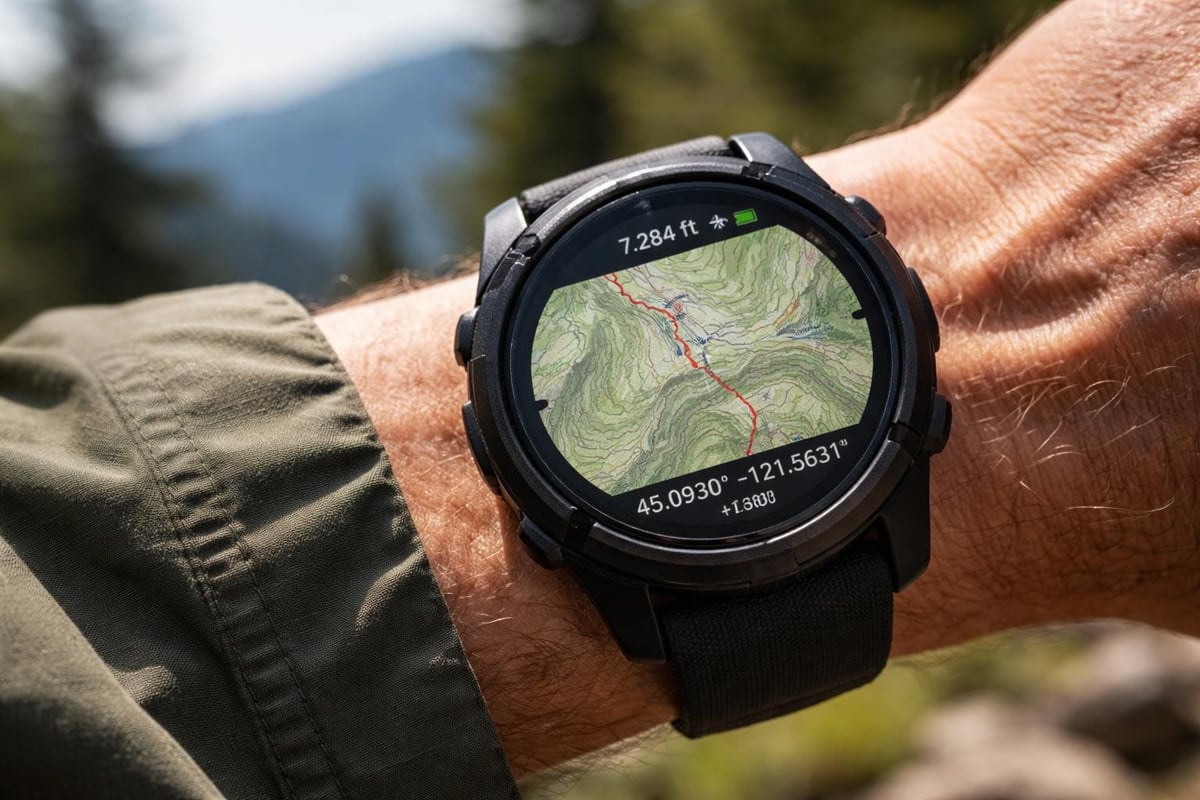
Budget-conscious hikers now have access to sophisticated navigation tools without breaking the bank. The COROS NOMAD hiking watch exemplifies this trend, offering offline topographical maps and dual-band GPS tracking with an impressive 22-day battery life. These devices provide real-time elevation data, distance tracking, and weather forecasting directly on your wrist.
For those seeking comprehensive tracking capabilities, Garmin's latest models integrate heart rate monitoring, route planning, and emergency assistance features. The combination of navigation and health metrics allows hikers to monitor physical exertion whilst maintaining situational awareness.
Key features to consider in hiking watches include:
- Barometric altimeter for accurate elevation tracking
- Pre-loaded topographical maps with trail markers
- Battery life exceeding seven days for extended trips
- Water resistance rating of at least 10 ATM
- Emergency SOS functionality with GPS coordinates
Illumination Solutions for Extended Adventures
Proper lighting remains one of the most critical safety considerations for hikers who find themselves on trails during dawn, dusk, or overnight expeditions. The evolution of LED technology and battery efficiency has created remarkable improvements in portable lighting solutions.
Head Torches and Intelligent Lighting
The best head torches for 2026 incorporate motion sensors, adjustable beam patterns, and rechargeable battery systems that can last up to 100 hours on lower settings. These hands-free illumination tools allow hikers to maintain full dexterity whilst navigating challenging terrain or setting up camp after dark.
Smart headlamps now feature automatic brightness adjustment based on ambient light conditions, conserving battery life whilst ensuring optimal visibility. Red light modes preserve night vision during astronomical observation or wildlife watching, making these cool hiking gadgets invaluable for nature enthusiasts.
| Feature | Budget Models | Premium Models |
|---|---|---|
| Maximum Lumens | 200-400 | 800-1500 |
| Battery Life (High) | 3-6 hours | 8-15 hours |
| Beam Distance | 50-75 metres | 150-250 metres |
| Weight | 80-100g | 100-150g |
| Water Resistance | IPX4 | IPX7-IPX8 |
When selecting outdoor gear for nighttime adventures, consider both primary and backup lighting sources. The reliability of illumination equipment directly impacts safety, particularly during unexpected delays or emergency situations.
Sustainable and Eco-Conscious Equipment
Environmental responsibility has become increasingly important within the outdoor community, driving innovation in sustainable materials and manufacturing processes. Forward-thinking manufacturers now prioritise reducing their environmental impact whilst maintaining product performance and durability.
Materials Innovation and Carbon Reduction
Black Diamond's sustainability initiative demonstrates the industry's commitment to incorporating recycled materials into essential hiking equipment. Their use of recycled aluminium in trekking poles reduces carbon emissions without compromising structural integrity or weight considerations.
Solar-powered charging systems and biodegradable packaging represent additional steps towards environmental stewardship. These cool hiking gadgets allow adventurers to maintain connectivity and documentation capabilities whilst minimising their ecological footprint.
Sustainable hiking equipment includes:
- Trekking poles manufactured from recycled aluminium
- Water filtration systems with replaceable ceramic elements
- Solar panel chargers with multiple USB outputs
- Biodegradable soap and cleaning products
- Reusable food storage containers replacing single-use plastics
Advanced Safety and Emergency Equipment
Personal safety equipment extends well beyond the traditional Ten Essentials, incorporating modern technology to enhance emergency preparedness and response capabilities. These innovations provide peace of mind for both solo hikers and group expeditions.
Communication and Location Devices
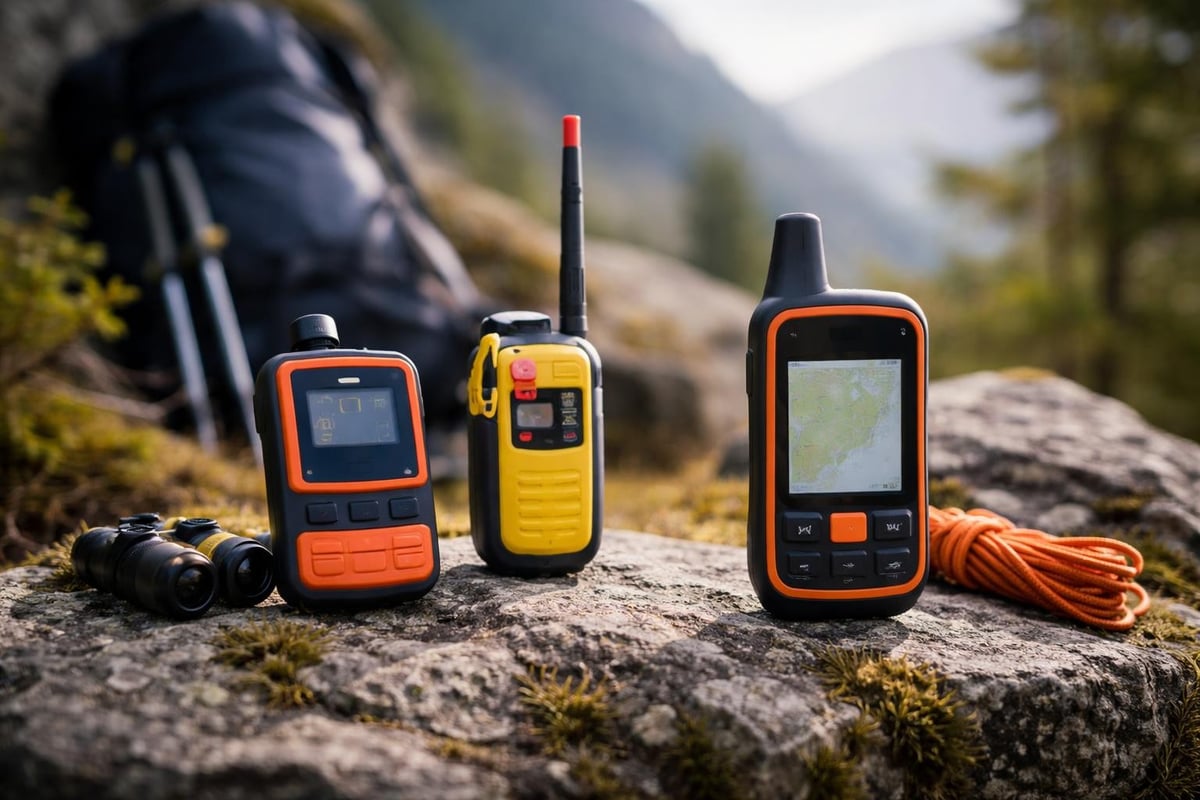
Satellite messengers enable two-way communication in areas without mobile coverage, allowing hikers to send location updates, request assistance, or trigger emergency services with precise GPS coordinates. These compact devices weigh approximately 100 grams yet provide invaluable connectivity during serious incidents.
Personal locator beacons (PLBs) offer dedicated emergency signalling to search and rescue services via satellite networks. Unlike smartphone applications requiring cellular coverage, PLBs function anywhere on Earth, making them essential for remote wilderness exploration.
When planning safe camping expeditions, integrating multiple safety layers ensures comprehensive protection against various scenarios. Understanding how to properly deploy emergency equipment before encountering actual distress situations proves crucial for effective crisis response.
Weather Protection and Clothing Technology
Staying dry and comfortable directly influences hiking enjoyment and safety. Recent advances in fabric technology have produced materials offering superior breathability, waterproofing, and thermal regulation compared to previous generations.
Waterproof and Breathable Systems
Modern membrane technologies create barriers against external moisture whilst allowing perspiration vapour to escape, preventing the clammy discomfort associated with traditional waterproof garments. When selecting waterproof rain jackets for 2026, prioritise garments with fully taped seams and adjustable ventilation systems.
Layering systems combining base layers, insulation, and weather protection allow hikers to regulate body temperature across varying conditions and activity levels. Essential warm outdoor clothing includes moisture-wicking fabrics that maintain thermal properties even when damp.
| Layer Type | Material Technology | Primary Function |
|---|---|---|
| Base Layer | Merino wool or synthetic | Moisture management |
| Mid Layer | Fleece or down | Thermal insulation |
| Outer Shell | Gore-Tex or eVent | Weather protection |
| Emergency | Reflective bivy | Heat retention |
Trekking Support and Stability Equipment
Walking poles have evolved from simple staffs to sophisticated biomechanical aids that reduce joint stress and improve stability on varied terrain. These cool hiking gadgets benefit hikers of all experience levels, particularly during descents or when carrying heavy loads.
Pole Technology and Selection
Modern walking poles incorporate shock absorption systems, quick-adjustment mechanisms, and interchangeable tips for different surfaces. Carbon fibre construction reduces weight without sacrificing strength, whilst ergonomic grips minimise hand fatigue during extended use.
Adjustable poles accommodate various terrains and user heights, allowing proper arm positioning that maximises efficiency and reduces shoulder strain. Collapsible designs pack easily into rucksacks when not needed, making them versatile additions to any hiking kit.
Benefits of using trekking poles include:
- Reduced impact on knees during descents by up to 25%
- Improved balance on unstable or slippery surfaces
- Enhanced climbing power on steep ascents
- Additional support when crossing streams or rough terrain
- Upper body engagement distributing effort across muscle groups
Innovative Wearable Technology
The convergence of robotics and outdoor equipment has produced fascinating developments that seemed purely fictional just years ago. These emerging technologies preview the future direction of hiking equipment innovation.
Exoskeletons and Assistive Devices
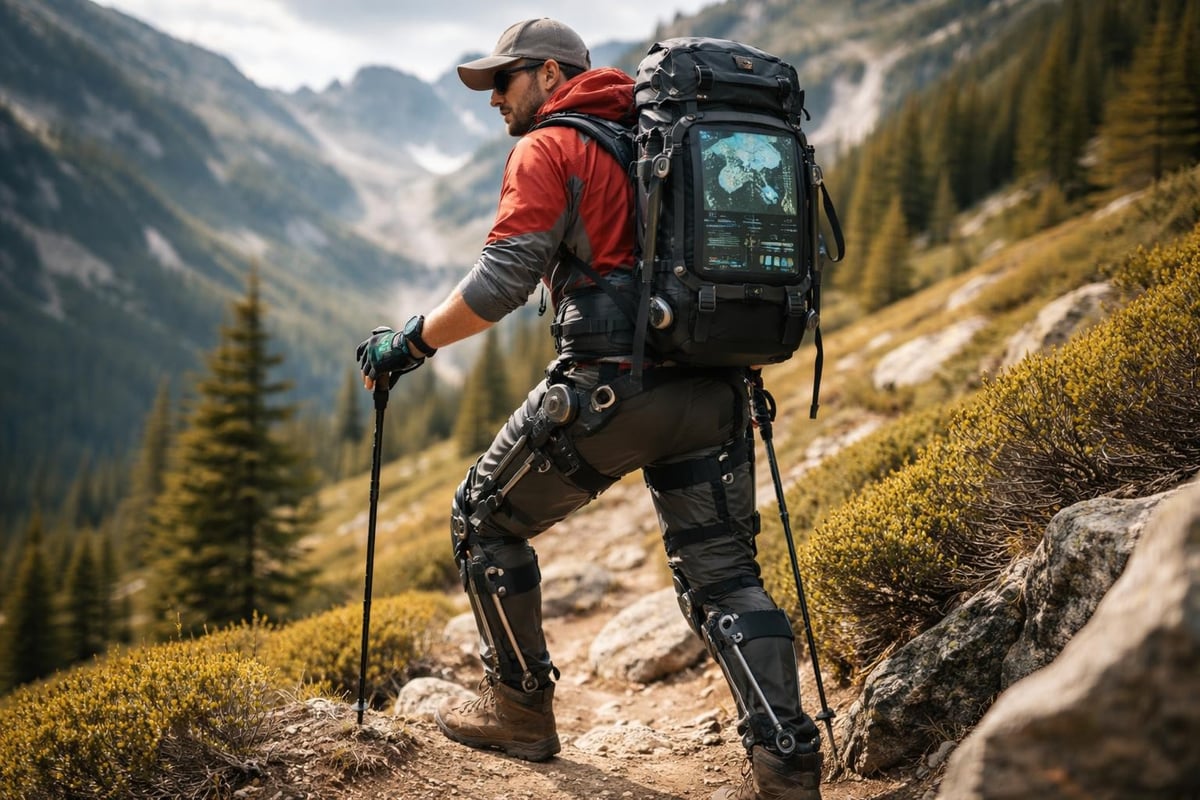
The VIGX π6 AI terrain camera exoskeleton represents cutting-edge integration of artificial intelligence and wearable robotics. This lightweight system adapts to ground conditions in real-time, providing stability assistance and reducing muscular fatigue during challenging hikes.
Whilst such advanced cool hiking gadgets remain premium purchases, they indicate how future equipment might actively assist hikers rather than simply serving passive functions. As production scales and costs decrease, assistive technologies may become increasingly accessible to mainstream adventurers.
Hydration and Nutrition Management
Maintaining proper hydration and caloric intake during strenuous hikes requires more than simply carrying water bottles. Innovative filtration systems and nutrition storage solutions have transformed how hikers approach fuel and fluid management.
Water Filtration and Storage
Modern filtration devices remove bacteria, protozoa, and viruses from natural water sources, eliminating the need to carry excessive water weight on extended treks. Squeeze filters, pump systems, and UV purifiers each offer distinct advantages depending on water source quality and group size.
Insulated bottles maintain beverage temperatures for 24 hours or longer, providing hot drinks during cold weather hikes or refreshing cold water during summer expeditions. Wide-mouth designs facilitate cleaning and ice insertion, whilst narrow spouts prevent spillage during movement.
Essential hydration features include:
- Filtration capacity of at least 1000 litres per cartridge
- Flow rate exceeding one litre per minute
- Compatibility with standard water bottles and bladders
- Temperature rating appropriate for expected conditions
- Compact size for easy rucksack storage
Navigation Backup Systems
Despite advanced electronic navigation tools, traditional map reading and compass skills remain fundamental competencies for responsible hikers. These cool hiking gadgets complement rather than replace foundational navigation knowledge.
Analogue and Digital Integration
Waterproof map cases protect paper maps from moisture damage whilst providing clear visibility through transparent panels. Modern compasses incorporate declination adjustment, sighting mirrors, and luminous markings for low-light conditions.
Combining traditional navigation tools with GPS devices creates redundancy that ensures continued route-finding capability if electronic equipment fails due to battery depletion, water damage, or technical malfunction. This layered approach reflects outdoor survival skills emphasising preparedness and self-sufficiency.
Multipurpose Tools and Problem-Solving Equipment
Space and weight constraints necessitate carefully selecting equipment that serves multiple functions. Versatile tools maximise utility whilst minimising rucksack bulk.
Compact Multi-Tools and Essentials
Essential hiking gadgets include Swiss Army knives, multi-tools, and lightweight repair kits that address common trail challenges. These compact devices combine cutting implements, screwdrivers, can openers, and other utilities in pocket-sized packages.
Repair kits containing duct tape, cordage, and basic sewing supplies enable field repairs to equipment, clothing, or shelter. The ability to address minor damage prevents small problems from escalating into expedition-ending failures.
| Tool Category | Essential Functions | Weight Range |
|---|---|---|
| Multi-Tool | Knife, pliers, screwdrivers | 150-250g |
| Repair Kit | Tape, cord, patches | 50-100g |
| Fire Starting | Matches, lighter, ferro rod | 30-75g |
| First Aid | Bandages, medications, tools | 200-400g |
Smart Camping Integration
Whilst day hiking requires different equipment than overnight expeditions, understanding how cool hiking gadgets integrate with camping systems provides comprehensive outdoor knowledge. Innovations in camping gear demonstrate how technology enhances backcountry experiences.
Shelter and Comfort Technologies
Solar-powered lights, portable power stations, and smart temperature regulation systems transform camping comfort without requiring grid connectivity. These innovations particularly benefit hikers undertaking multi-day expeditions where base camp serves as a staging point for daily excursions.
Understanding tarp camping advantages reveals how lightweight shelter systems complement hiking objectives. Minimalist approaches reduce pack weight, allowing hikers to cover greater distances or tackle more challenging routes.
Performance Monitoring and Health Tracking
Beyond basic step counting, sophisticated health monitoring provides insights into physical performance, recovery needs, and altitude acclimatisation. These metrics help hikers optimise training and prevent overexertion.
Biometric Sensors and Analytics
Heart rate variability, blood oxygen saturation, and sleep quality metrics inform training adjustments and recovery protocols. Altitude acclimatisation tracking proves particularly valuable for hikers planning high-elevation expeditions where altitude sickness poses serious risks.
Temperature monitoring alerts hikers to early hypothermia or heat stress symptoms before they become dangerous. Combined with hydration tracking, these cool hiking gadgets create comprehensive physiological awareness.
Photographic and Documentation Equipment
Capturing and sharing hiking experiences has become integral to modern outdoor culture. Lightweight camera systems, stabilisation technologies, and weatherproof cases enable high-quality documentation without excessive equipment burden.
Action Cameras and Smartphone Protection
Rugged action cameras withstand impacts, submersion, and temperature extremes whilst recording high-definition video and time-lapse sequences. Mounting systems attach cameras to rucksack straps, trekking poles, or chest harnesses for hands-free recording.
Waterproof smartphone cases maintain device functionality during adverse weather whilst protecting expensive electronics from moisture damage. When dealing with rainy camping conditions, proper equipment protection prevents costly replacements and maintains communication capabilities.
Food Preparation and Cooking Systems
Lightweight cooking equipment transforms trail nutrition from mere sustenance to enjoyable meals that boost morale and energy levels. Compact stove systems, efficient fuel sources, and innovative cookware designs minimise weight whilst maximising functionality.
Portable Stove Technologies
Outdoor gear innovations for 2026 include sustainable camping stoves powered by renewable energy sources or highly efficient fuel systems. These cool hiking gadgets reduce environmental impact whilst providing reliable cooking capability in various weather conditions.
Integrated pot systems with heat exchangers reduce fuel consumption and cooking time compared to traditional setups. Windscreens and insulated cosies further improve efficiency, particularly important during cold weather when fuel performance decreases.
Cooking system considerations include:
- Fuel type availability and weight efficiency
- Cooking capacity matching group size
- Ignition reliability at altitude and in wind
- Simmer control for varied meal preparation
- Packability and nest-ability with other equipment
Understanding campfire cooking techniques provides alternatives when weather conditions permit open fires, though most protected areas now restrict such practices to designated locations.
Personal Comfort and Hygiene Solutions
Maintaining personal comfort and hygiene during extended hikes enhances enjoyment and prevents health issues. Compact solutions address cleanliness without requiring excessive water consumption or heavy equipment.
Portable Hygiene Systems
Biodegradable soap, quick-dry towels, and waterless cleaning products enable personal hygiene whilst minimising environmental impact. These lightweight items prevent skin irritation, reduce infection risk, and improve overall comfort during multi-day expeditions.
Insect protection remains essential during warmer months when midges, mosquitoes, and ticks pose nuisance and disease transmission risks. Understanding how to keep bugs at bay through proper clothing, repellents, and campsite selection improves outdoor experiences significantly.
Equipping yourself with the right cool hiking gadgets transforms outdoor adventures from challenging endurance tests into comfortable, enjoyable experiences that connect you with nature whilst maintaining safety and convenience. The technologies discussed represent the cutting edge of outdoor innovation, though remember that no equipment replaces proper planning, skills development, and respect for the natural environment. Whether you're preparing for a weekend trek or an extended wilderness expedition, Outhaus provides the durable shelter solutions, quality gear, and expert knowledge to support your outdoor pursuits with equipment built to withstand British weather and terrain challenges.