

Camping Outdoor Guide 2026: Explore Nature with Confidence
RankPill on 3rd Dec 2025
Are you ready to immerse yourself in the wild and rediscover your sense of adventure? As 2026 approaches, camping outdoor offers an unbeatable way to reconnect with nature and escape the rush of daily life.
This guide is crafted to empower you to embrace the outdoors with confidence. Inside, you will find expert advice on planning your trip, selecting the right equipment, choosing the perfect campsite, staying safe, camping sustainably, and uncovering the top UK destinations.
Curious about how to overcome common camping outdoor challenges? Let us guide you to a seamless experience. Dive in, and let your outdoor journey begin.
Planning Your Camping Adventure in 2026
Embarking on a camping outdoor experience in 2026 requires thoughtful preparation. Whether you are a seasoned adventurer or a first-time camper, planning ensures your journey is enjoyable, safe, and memorable. Let us guide you step by step through the essential elements of trip planning, from setting intentions to preparing for the unexpected.
Setting Your Camping Goals
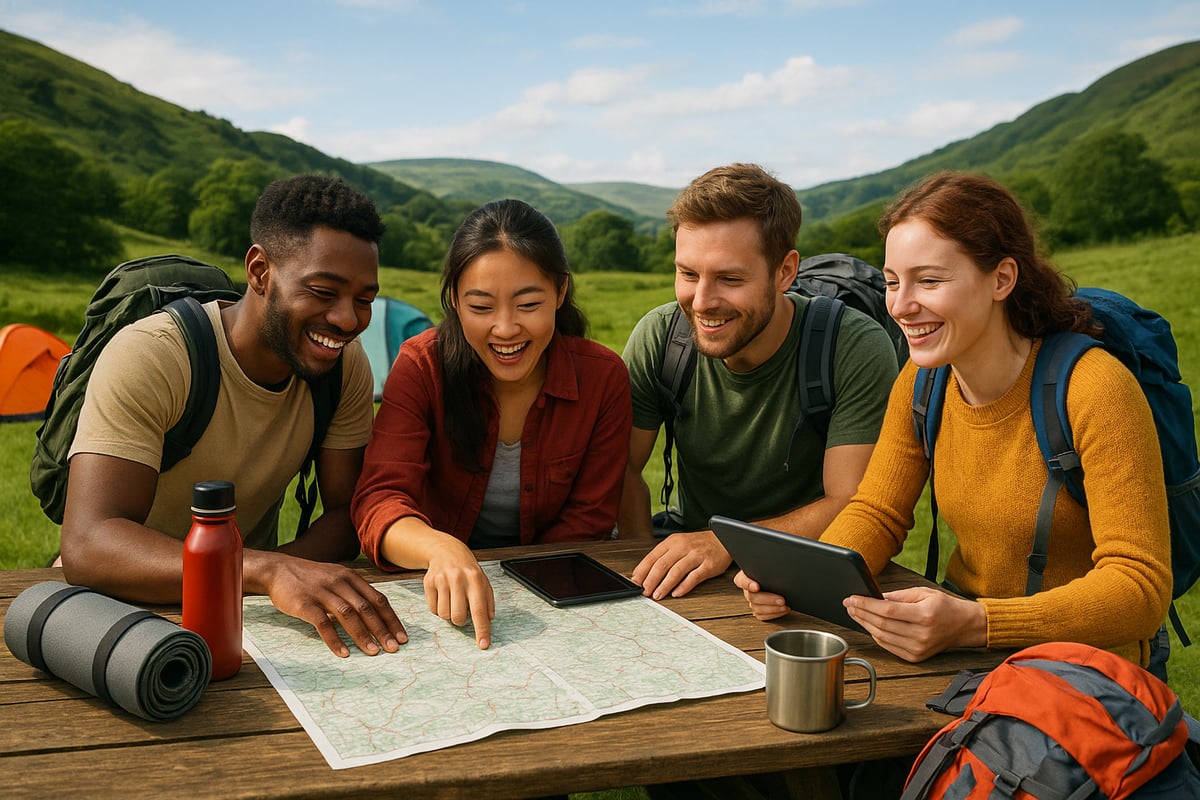
Define the purpose of your camping outdoor trip before anything else. Are you seeking quiet relaxation, an adrenaline-fuelled adventure, quality family time, or the chance to learn new bushcraft skills? Your goals will shape every decision, from the type of campsite to your packing list.
Consider whether you will camp solo or in a group. Solo trips offer solitude and self-discovery, while group outings encourage bonding and shared experiences. Match your planned trip length to your experience and fitness level, especially if you are new to camping outdoor adventures.
Factor in the season and weather. A weekend micro-adventure in spring might be perfect for beginners, while an extended wilderness trek suits experienced campers who crave a challenge.
Choosing the Right Time and Location
Selecting the best time and place for your camping outdoor journey is crucial. In the UK, late spring to early autumn typically offers the most favourable conditions. However, unpredictable weather and climate change may affect your plans, so always check recent forecasts.
Popular regions such as the Lake District, Scotland, Wales, and the South West each offer unique landscapes and amenities. Consider accessibility and transport options—some remote sites may require extra planning.
Leverage online resources for up-to-date information on site availability and conditions. This ensures your camping outdoor experience is well-informed and tailored to your needs.
Navigating Permits, Regulations, and Reservations
Understanding the legalities is vital for any camping outdoor trip. National parks have specific rules, and wild camping is only permitted in certain areas. For example, Dartmoor in England allows wild camping under regulated circumstances, as outlined in the Wild Camping Rights on Dartmoor.
Booking requirements differ for popular campsites, especially during peak times. Stay updated on post-pandemic policies and respect responsible camping codes, such as the Scottish Outdoor Access Code. Compare wild camping regulations between England and Scotland to avoid legal issues and ensure a positive experience.
Budgeting and Packing Essentials
Budgeting is a key step in preparing for a camping outdoor adventure. Estimate costs for travel, site fees, gear, and meals. Distinguish between essential items and luxuries, keeping in mind the balance between comfort and pack weight.
Create a packing list to prevent common mistakes. Digital tools and planning apps can help streamline this process. For example, a well-organised checklist ensures you do not forget vital gear or overpack.
Weigh up the trade-offs between lightweight and comfort. Prioritise items that serve multiple purposes to maximise efficiency during your trip.
Safety and Emergency Preparation
Prepare for emergencies by sharing your itinerary with a trusted contact before your camping outdoor trip. Establish clear emergency protocols and know how to reach local services.
Pack a basic first aid kit and brush up on navigation skills. Always monitor weather alerts and have a backup plan in case conditions change suddenly. For instance, in the Highlands, weather can shift rapidly, so extra caution is needed.
With these preparations, you are ready to embark on your 2026 camping outdoor journey with assurance and excitement.
Essential Camping Gear for 2026
Getting ready for a camping outdoor adventure in 2026 means equipping yourself with innovative, reliable gear. The right kit can transform your experience, ensuring comfort, safety, and a deeper connection with the wild. Let’s break down the must-have items and new trends that will define your next camping outdoor trip.
Tents and Shelter Solutions
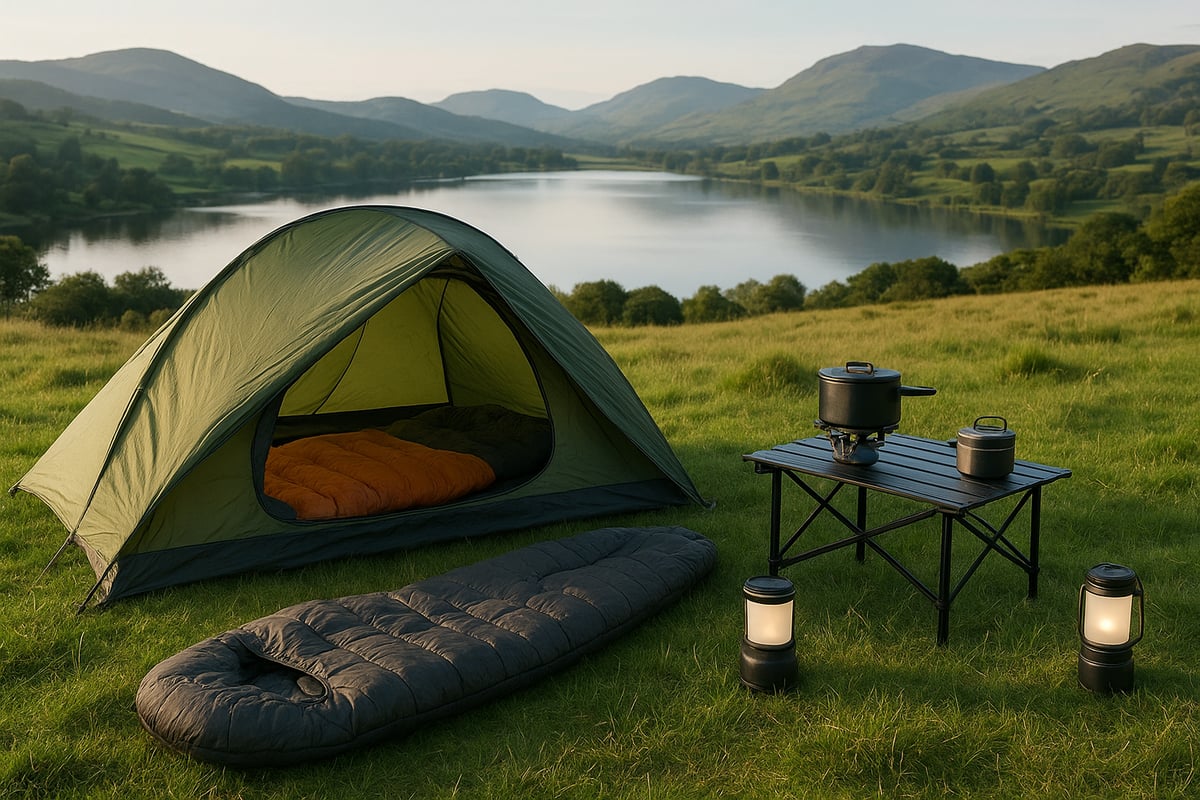
Your tent is your home in the wild, so choosing wisely is key for any camping outdoor journey. In 2026, expect tents that are lighter, more weatherproof, and modular for easy adaptation to group size and conditions.
Look for double-wall tents for enhanced insulation and condensation control, especially in unpredictable British climates. Single-wall tents, while lighter, may suit more experienced campers tackling dry regions. Innovations such as improved ventilation systems and quick-pitch designs make setup faster and more resilient in wind or rain.
Before heading out, always test-pitch your tent to check for missing parts and to practice efficient assembly. Whether camping outdoor solo or with family, size your shelter to balance comfort and packability.
Sleeping Systems: Bags, Mats, and Pillows
A restful night is vital on any camping outdoor trip. Sleeping bags now carry precise EN/ISO temperature ratings, so match your selection to the coldest expected night. Three-season bags are ideal for most UK adventures, while winter-rated bags suit the highlands or early spring trips.
Sleeping mats come in foam, inflatable, and self-inflating models. Inflatable mats offer the best comfort-to-weight ratio but check for puncture resistance. Packable pillows, either inflatable or compressible, add a touch of luxury and help you recover after active days.
Always trial your sleeping system at home to fine-tune your setup. Remember, the right gear can make even the most remote camping outdoor site feel like a cosy retreat.
Cooking and Food Storage
Efficient meal prep is a cornerstone of camping outdoor enjoyment. Modern stoves range from compact gas models to versatile multi-fuel systems, perfect for everything from quick breakfasts to gourmet dinners.
Portable cookware and utensils should be lightweight and durable. For food storage, use bear-proof containers or secure coolers, especially in wildlife-prone areas. Dry bags keep supplies organised and protected from rain.
Water purification is essential, with options including filters, UV pens, or chemical tablets. For practical tips and creative meal ideas, check out Campfire cooking hacks to elevate your campsite cuisine. With the right setup, your camping outdoor kitchen will be both safe and satisfying.
Clothing and Footwear
British weather is famously variable, so a thoughtful layering system is non-negotiable for camping outdoor plans. Start with moisture-wicking base layers, add insulating mid-layers, and top with a waterproof, breathable shell.
Footwear should match your terrain: sturdy hiking boots for rough trails, trail shoes for lighter walks, and sandals for camp comfort. Always pack spare dry socks and a change of clothes to handle sudden downpours.
When choosing camping outdoor clothing, prioritise quick-drying fabrics and seam-sealed jackets. This ensures you stay warm and dry, no matter what the forecast brings.
Lighting, Tools, and Navigation
Reliable lighting is a safety essential for every camping outdoor trip. Head torches offer hands-free convenience, while lanterns provide ambient camp light. Solar-powered options reduce battery waste and are ideal for longer stays.
A good multi-tool or knife, along with a basic repair kit, can resolve unexpected challenges. Navigation tools should include a map, compass, and GPS device or app for redundancy. In low-visibility conditions, whistles and mirrors aid in signalling for help, and a personal locator beacon adds peace of mind for remote areas.
Packing these items ensures your camping outdoor experience is both safe and enjoyable, day or night.
Backpacks and Storage Solutions
Choosing the right backpack is crucial for carrying all your camping outdoor essentials. For weekend trips, a 30L pack may suffice, while longer expeditions might require 50L or more. Look for ergonomic designs with adjustable straps and ventilated back panels for comfort.
Waterproof compartments and internal organisation features keep gear dry and accessible. Daypacks are great for short hikes away from your base camp, while main packs carry the bulk of your kit.
Pack strategically, placing heavier items close to your back and essentials within easy reach. With the right storage solutions, your camping outdoor journey will be efficient and stress-free.
Mastering Campsite Selection and Setup
Selecting and setting up the right campsite is the foundation of a successful camping outdoor experience. From choosing your pitch to managing safety and environmental impact, mastering this process ensures comfort, security, and enjoyment. Let’s break down each step for your next adventure.
Choosing the Perfect Campsite
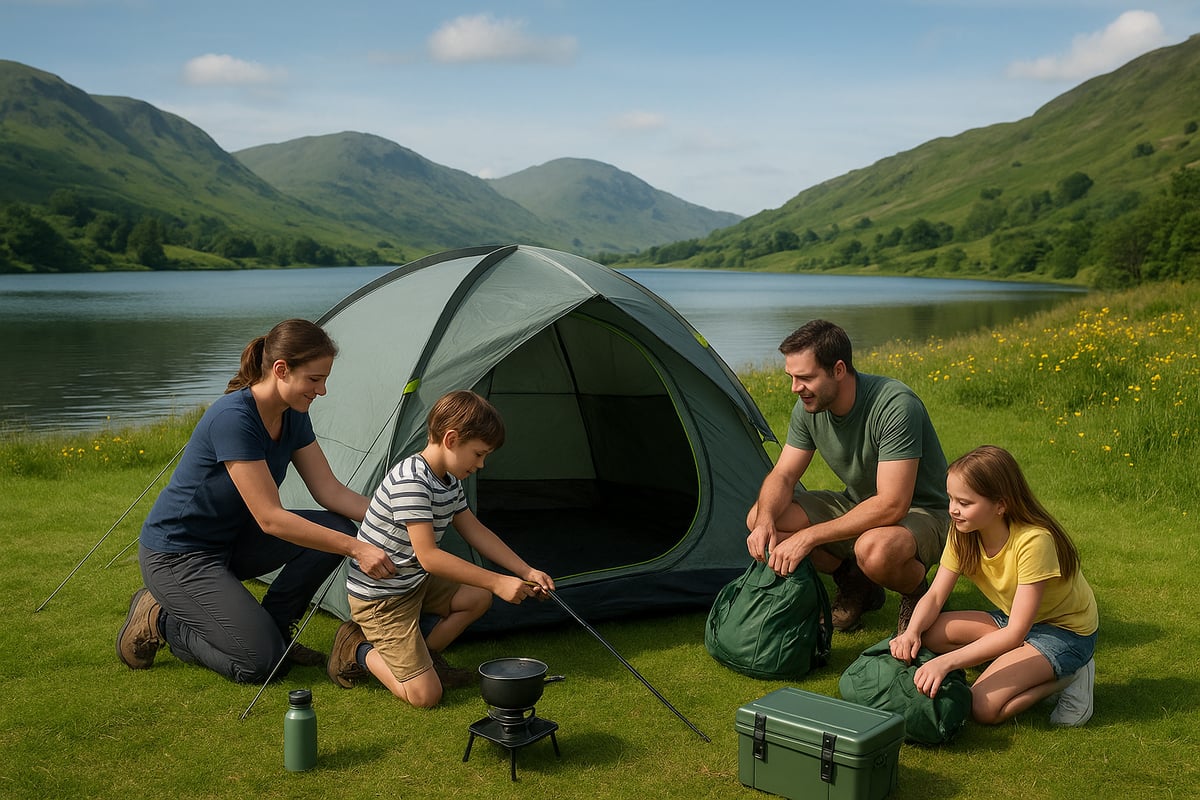
The first step in any camping outdoor trip is evaluating potential campsites for safety, comfort, and suitability. Look for flat, well-drained ground to avoid water pooling under your tent. Consider wind exposure and natural shelter from trees or shrubs.
- Proximity to water sources for convenience, but maintain a safe distance to prevent flooding risk.
- Access to amenities like toilets, bins, or picnic tables.
- Privacy from neighbouring campers and reduced noise for a peaceful stay.
- Legal site selection, especially in national parks or protected areas.
For example, in the Lake District, select pitches on higher ground with minimal slope, away from busy paths, ensuring your camping outdoor base remains undisturbed and respectful of local guidelines.
Setting Up Camp Like a Pro
Pitching your tent correctly is crucial for a smooth camping outdoor experience. Start by laying out your tent footprint, checking wind direction, and positioning your entrance for sunrise or shade as needed.
- Erect the tent with all pegs and guylines secured for stability.
- Organise your gear logically: sleeping area, cooking space, and storage.
- Use waterproof bags and dry sacks to keep essentials safe from sudden rain.
- Store food and valuables away from tent entrances and out of sight.
For added security, follow expert advice on how to keep valuables safe camping. This ensures your camping outdoor setup is both efficient and secure, reducing the risk of theft or wildlife disturbances.
Campfire Safety and Cooking Setups
Understanding the legalities of fire use is vital for any camping outdoor trip in the UK. Open fires are often restricted, so use portable stoves or fire pans where permitted.
- Build fires only in designated pits or use raised platforms.
- Keep flames at least three metres from tents and gear.
- Always have water or sand nearby to extinguish fires quickly.
- Cook with wind direction in mind to prevent accidents or smoke exposure.
Leave no trace by burning only small sticks and carrying out all waste. In busy or sensitive areas, rely solely on stoves. This approach safeguards both the environment and your camping outdoor safety.
Hygiene and Waste Management
Maintaining hygiene is essential for a healthy camping outdoor routine. Set up toilet areas at least 50 metres from any water source for privacy and safety.
- Use biodegradable soaps for washing dishes and yourself.
- Collect all rubbish and follow pack-in, pack-out principles.
- Store waste securely to avoid attracting wildlife.
- Utilise composting toilets where available for an eco-friendly solution.
For example, many campsites now offer composting facilities, giving your camping outdoor trip a lower environmental impact while ensuring cleanliness for everyone.
Wildlife Awareness and Minimising Impact
Respect for local wildlife is fundamental to responsible camping outdoor. Identify potential hazards, such as midges in Scotland or adders in rural areas.
- Store food in sealed containers to deter animals.
- Avoid disturbing habitats and keep noise to a minimum.
- Use red lights at night to reduce light pollution.
- Follow Leave No Trace guidelines at all times.
In the Scottish Highlands, midge prevention is key. Wear head nets, use repellent, and keep tents zipped. By minimising your footprint, your camping outdoor adventure supports both wildlife and future campers.
Outdoor Safety and Survival Skills
Staying safe and prepared is crucial for any camping outdoor adventure. The UK’s diverse landscapes, fast-changing weather, and remote locations demand a solid grasp of outdoor safety and survival skills. With the right knowledge, you can confidently tackle unexpected challenges and make every trip memorable for the right reasons.
Navigation and Route Planning
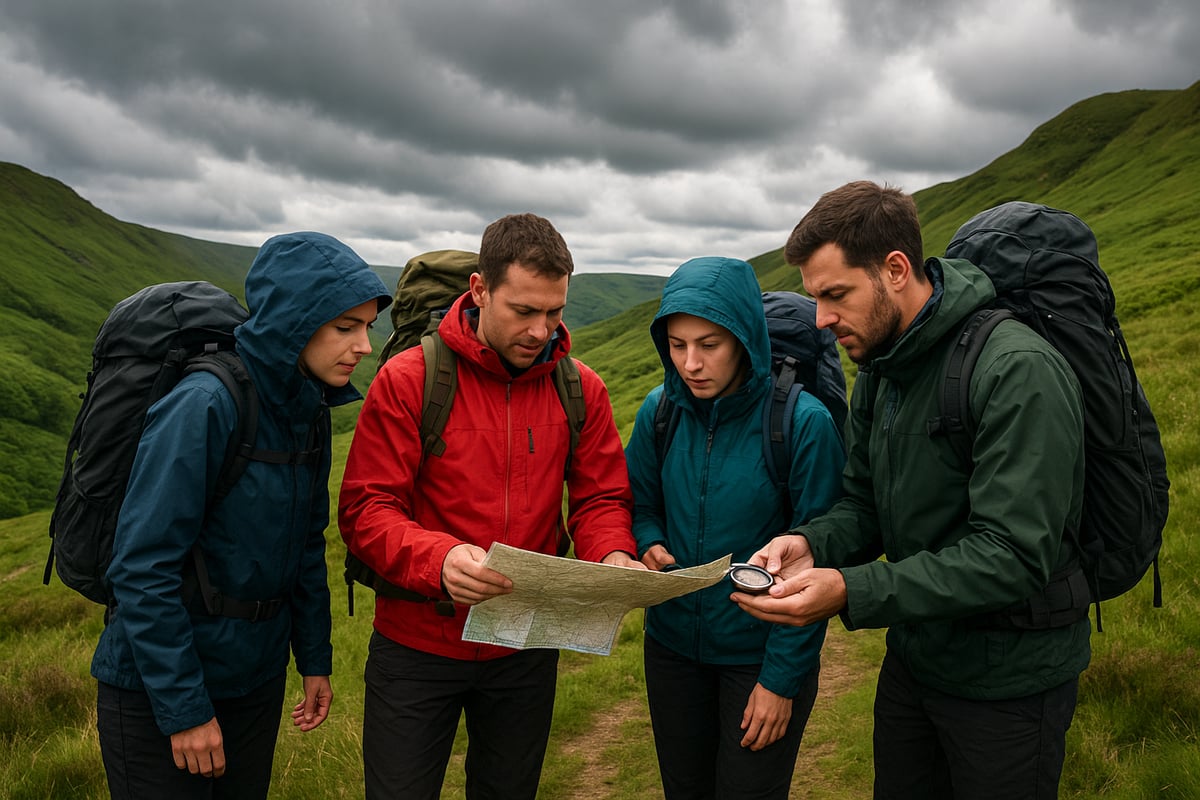
Mastering navigation is the foundation of any safe camping outdoor journey. Start by learning to read Ordnance Survey maps and using a traditional compass. While GPS devices and navigation apps are valuable, always carry a paper map as a backup in case batteries fail.
When planning routes, consider the group’s skill level, terrain difficulty, and daylight hours. Plot your path in advance, marking key waypoints and escape routes. For example, in Snowdonia, plotting a circular walk with alternate exits can prevent getting stranded if the weather turns.
Adapt plans to conditions on the day. If heavy rain or fog rolls in, be prepared to adjust your route or turn back. For a deeper dive into essential navigation and survival skills, see Essential survival skills for campers.
Weather Awareness and Preparation
UK weather is famously unpredictable, making vigilance essential during any camping outdoor trip. Before heading out, check reliable weather sources like the Met Office. Learn to interpret cloud patterns and wind shifts, which can signal sudden changes.
Always pack for rain, wind, and temperature drops, even in summer. Layering is vital, and a lightweight emergency shelter or bivvy bag can be a lifesaver if storms hit unexpectedly. In the Highlands, sudden downpours are common, so having waterproofs accessible is critical.
If you see darkening skies or hear thunder, seek shelter and avoid exposed ridges. Preparing for all weather scenarios turns potential risks into manageable challenges, letting you focus on enjoying the wild.
First Aid and Emergency Response
A well-stocked first aid kit is non-negotiable for camping outdoor safety. Essentials include plasters, antiseptic wipes, blister pads, bandages, pain relief, and a thermal blanket. Knowing how to treat blisters, minor cuts, and sprains can prevent small issues from escalating.
Learn to recognise signs of hypothermia and heat exhaustion. In remote locations, dehydration and cold can set in quickly. Always carry extra water and high-energy snacks.
Familiarise yourself with mountain rescue protocols. In an emergency, dial 999, ask for Police, then Mountain Rescue. Share your itinerary with someone at home so help can be summoned if needed.
Water Sourcing and Purification
Safe drinking water is at the heart of every camping outdoor experience. Identify reliable sources such as streams or springs, but never assume water is safe to drink untreated. Use purification methods like boiling, filtration, or chemical tablets.
Carry enough water for at least 24 hours and refill whenever possible. Lightweight collapsible bottles or hydration reservoirs help with storage. Remember, in hot weather or after strenuous activity, your daily water needs may double.
If water sources are scarce, ration wisely and know basic emergency strategies, such as collecting rainwater. Staying hydrated keeps you alert and ready for whatever the wild throws at you.
Dealing with Unexpected Challenges
Every camping outdoor trip carries an element of unpredictability. If you become lost or stranded, stay calm and assess your situation. Decide whether to stay put or move only if you know a safe route.
Wildlife encounters, like adders or curious deer, are rare but possible. Store food securely and keep a respectful distance from animals. If gear fails, improvise with what you have or use repair kits.
Maintaining morale is vital. Take regular breaks, communicate with your group, and make decisions together. With preparation and a positive mindset, you can handle most surprises the outdoors presents.
Sustainable and Responsible Camping Practices
Embracing sustainable and responsible camping outdoor practices is essential for preserving the natural beauty of the UK. Whether you are an experienced camper or new to the outdoors, integrating eco-friendly habits ensures that our favourite landscapes remain vibrant for future generations. By following updated principles and making conscious choices, every camping outdoor adventure can make a positive impact.
Leave No Trace Principles for 2026
The foundation of sustainable camping outdoor is the Leave No Trace ethos, which continues to evolve in 2026. These guidelines help minimise human impact on sensitive environments, especially as more people explore the outdoors. Always dispose of rubbish properly, use established paths and pitches, and avoid picking plants or disturbing wildlife.
Adapting Leave No Trace for busy sites means taking extra care with hygiene and waste. For example, use composting toilets where available, and encourage others to follow best practices. Sharing your knowledge with fellow campers helps foster a culture of respect and responsibility, making every camping outdoor experience more enjoyable and less harmful to nature.
Eco-Friendly Gear Choices
One of the most effective ways to support sustainable camping outdoor is to invest in eco-friendly equipment. Choose tents, sleeping bags, and cookware made from recycled or sustainably sourced materials. Opt for gear that is durable and repairable, reducing waste and saving money in the long run.
Look for brands with strong ethical credentials and reliable eco-certifications. If you are unsure where to start, consider this guide to sustainable outdoor gear choices for practical tips on selecting the right products. Reducing single-use plastics and reusing equipment whenever possible are simple steps that make every camping outdoor trip more environmentally friendly.
Supporting Local Communities and Conservation
Sustainable camping outdoor also means supporting the people and places you visit. Buy supplies and food from local businesses to help rural economies thrive. Respect landowners and local customs, always seeking permission where needed and adhering to site rules.
Get involved in conservation by volunteering for campsite clean-ups or habitat restoration projects. Many campers find that giving back enhances their camping outdoor experience. Participating in these activities not only helps the environment but also builds positive relationships with local communities, ensuring continued access to beautiful wild spaces.
Adapting to Environmental Changes
Climate change is altering the landscape of camping outdoor in the UK. More frequent weather extremes, shifting wildlife patterns, and new site regulations are becoming the norm. Stay informed about trail closures and environmental advisories before your trip.
Plan your camping outdoor adventures with flexibility, adjusting routes and activities as conditions require. Advocacy is also important—join outdoor groups that promote sustainable policies and share your experiences to raise awareness. For insights into how these trends are shaping the future, see the latest 2026 Camping Trend Predictions. By adapting now, you help ensure the outdoors remains accessible and enjoyable for everyone.
Top Camping Destinations and Trends for 2026
The UK is set for an exciting year of camping outdoor adventures in 2026. New destinations, experiences, and technologies are reshaping how campers explore nature. Whether you prefer tranquil wild escapes or innovative glamping, there is something for every camping outdoor enthusiast.
Emerging UK Camping Hotspots
In 2026, several regions stand out for camping outdoor escapes. Northumberland offers dark skies and peaceful beaches, making it ideal for stargazing and quiet retreats. The Scottish Highlands remain a favourite for those seeking rugged landscapes and solitude, while Pembrokeshire’s coastal paths attract walkers and families alike.
A growing trend is the rise of “quiet campsites,” which limit numbers for a more tranquil experience. Wild camping zones are becoming more regulated, especially in popular areas. For example, Pembrokeshire Coast National Park will introduce new rules for temporary campsites, ensuring sustainability for future campers. For more information, see the Temporary Campsite Regulations in Pembrokeshire.
When booking high-demand sites, plan ahead and use reputable online resources to check availability and updated regulations. This ensures a smooth camping outdoor adventure.
Unique Camping Experiences
The UK’s camping outdoor scene is diversifying with unique experiences. Glamping remains popular, offering comfort with nature. Eco-camps and off-grid retreats cater to those seeking minimal impact and a closer connection to the environment.
Adventure camping is on the rise, with sites now offering integrated activities like kayaking, cycling, and guided hikes. Families can enjoy themed events, while adults-only sites provide peaceful escapes. Stargazing camps in Dark Sky Reserves offer magical nights under the stars, making camping outdoor trips memorable.
Themed camping events, such as outdoor music festivals and bushcraft weekends, are also drawing more visitors. These experiences redefine what it means to camp in the UK.
Technology and Innovation in Camping
Technology is transforming the camping outdoor experience in 2026. Smart gear, such as solar panels and app-connected lanterns, helps campers stay powered and safe off-grid. Lightweight, multi-use equipment makes packing easier and more efficient.
Booking and navigation apps streamline trip planning, offering real-time site information and digital check-ins. Social media platforms inspire campers to discover new locations and share their journeys. For those interested in wild camping, campaigns like the BMC Wild Camping Campaign are raising awareness about legal rights and responsible practices.
These innovations help campers enjoy the outdoors with confidence and convenience, making every camping outdoor trip more accessible and enjoyable.
Community and Social Aspects of Camping
Community is at the heart of the UK’s camping outdoor culture. Group camping and organised meet-ups allow friends and families to bond in nature. Solo campers find support and inspiration in online forums and social platforms, where experiences and advice are freely shared.
Women’s and family camping outdoor groups are growing, fostering inclusivity and safety. Sharing stories through blogs, vlogs, and social media builds a sense of belonging and encourages responsible camping.
The rise of community-driven events and networks ensures that everyone, from beginners to seasoned campers, can find their place and thrive in the camping outdoor world.