

Bushcraft Tent Guide: Choosing the Right Shelter for 2026
RankPill on 27th Feb 2026
When venturing into the wilderness for authentic outdoor experiences, selecting the right shelter becomes paramount to your safety and comfort. A bushcraft tent serves as more than just protection from the elements; it represents a crucial component of your wilderness skillset, combining traditional outdoor knowledge with modern materials technology. Understanding the nuances of bushcraft shelters empowers you to make informed decisions that enhance your connection with nature whilst maintaining the reliability needed for extended backcountry expeditions. This comprehensive guide explores the essential considerations for choosing, setting up, and maximising the potential of your bushcraft shelter in today's evolving outdoor landscape.
Understanding Bushcraft Tent Fundamentals
The philosophy behind bushcraft camping differs significantly from conventional recreational camping. Where traditional camping often emphasizes convenience and amenities, bushcraft focuses on self-reliance, minimal environmental impact, and developing practical wilderness skills. A bushcraft tent must therefore meet specific criteria that align with these principles whilst delivering dependable performance across varied conditions.
Modern bushcraft enthusiasts seek shelters that balance weight, durability, and versatility. Unlike expedition tents designed for extreme mountaineering or family tents prioritizing space, a bushcraft tent typically features simpler construction, natural materials where possible, and designs that work harmoniously with the surrounding environment. This approach to bushcraft principles has evolved considerably over recent years, incorporating lessons from indigenous shelter traditions whilst leveraging contemporary fabric technologies.
Core Design Characteristics
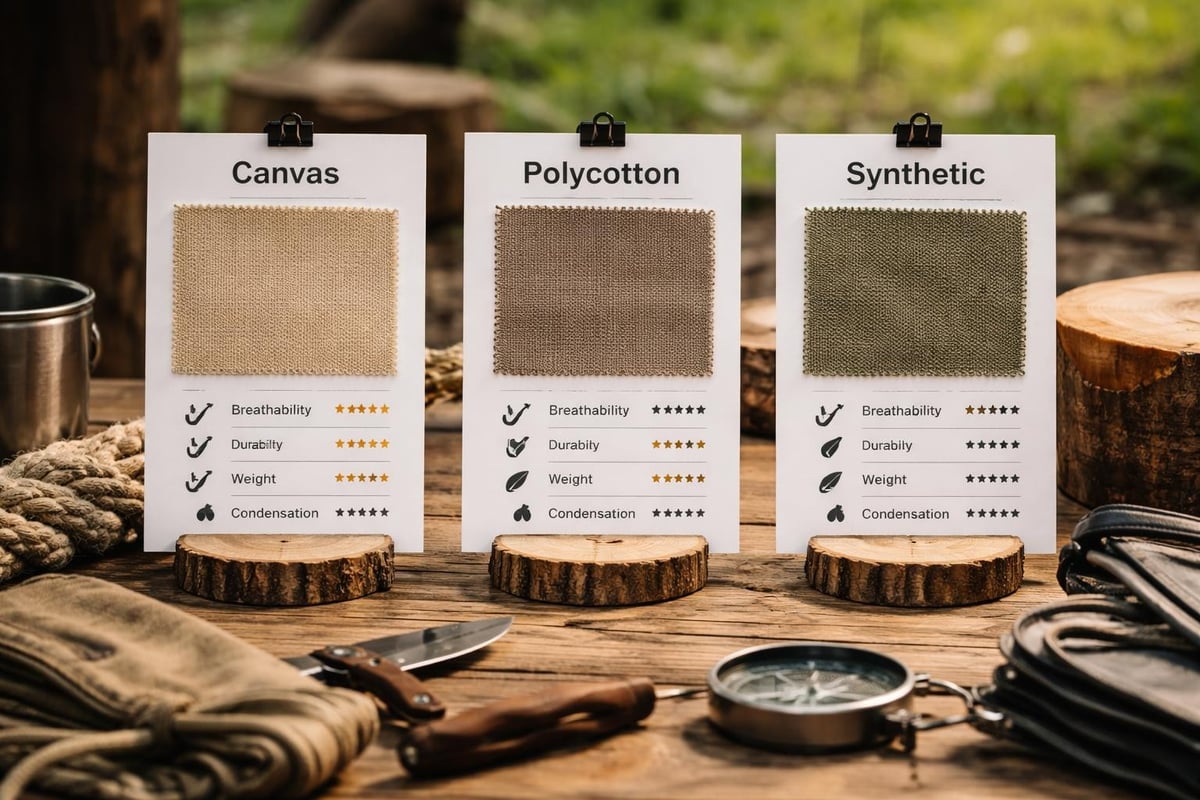
Material composition plays a fundamental role in bushcraft tent performance. Canvas and polycotton blends have gained significant popularity amongst experienced practitioners due to their breathability, durability, and reduced condensation compared to fully synthetic alternatives. These fabrics create a more comfortable interior microclimate during extended stays, though they do carry additional weight.
Size and configuration should match your specific requirements without excess. Most solo bushcraft practitioners prefer compact shelters weighing between 2-4 kilograms, whilst those planning extended expeditions might accept additional weight for improved comfort. The shelter should provide adequate space for sleeping, gear storage, and basic camp activities during inclement weather.
Weather resistance must extend beyond simple waterproofing. Your bushcraft tent should withstand sustained rainfall, strong winds, and potentially snow loading depending on your intended season of use. However, unlike mountaineering tents, bushcraft shelters often prioritize ventilation and livability over extreme weather protection, as proper site selection typically provides natural wind breaks.
Selecting the Optimal Bushcraft Tent Configuration
Different bushcraft scenarios demand distinct shelter approaches. Understanding these variations helps you build an appropriate kit for your specific adventures whilst avoiding unnecessary equipment redundancy.
| Shelter Type | Weight Range | Setup Complexity | Best Applications | Key Advantages |
|---|---|---|---|---|
| Tarp Systems | 0.5-1.5kg | Moderate-High | Versatile, 3-season | Lightweight, adaptable configurations |
| Canvas Bell Tents | 8-15kg | Low-Moderate | Base camps, group activities | Spacious, excellent ventilation |
| Lavvu/Tipi Tents | 3-6kg | Low | Year-round, solo-small group | Centre pole heating, cultural heritage |
| Lightweight Hiking Tents | 1-3kg | Low | Mobile bushcraft, long distances | Minimal weight, quick deployment |
The traditional tarp shelter configurations deserve particular attention in bushcraft contexts. Tarps offer unmatched versatility, allowing you to adapt your shelter to specific terrain, weather conditions, and tactical requirements. From simple lean-tos to more complex A-frame and diamond configurations, tarp skills represent fundamental bushcraft competency.
Advanced Shelter Considerations
Experienced practitioners often develop hybrid systems combining multiple shelter elements. A primary bushcraft tent might work alongside supplementary tarps for cooking areas, gear storage, or enhanced weather protection. This modular approach provides flexibility whilst maintaining the lightweight philosophy central to bushcraft practice.
Seasonal adaptability significantly influences shelter selection. Winter bushcraft demands tents that accommodate heating stoves safely, provide adequate ventilation to prevent carbon monoxide accumulation, and withstand snow loading. The Lavvu tent design excels in these conditions, offering a proven solution with centuries of refinement in Scandinavian environments.
Summer and transitional seasons allow lighter constructions but require excellent insect protection and ventilation. Mesh panels, adjustable venting systems, and strategic door placement become primary concerns rather than thermal efficiency.
Essential Setup and Site Selection Techniques
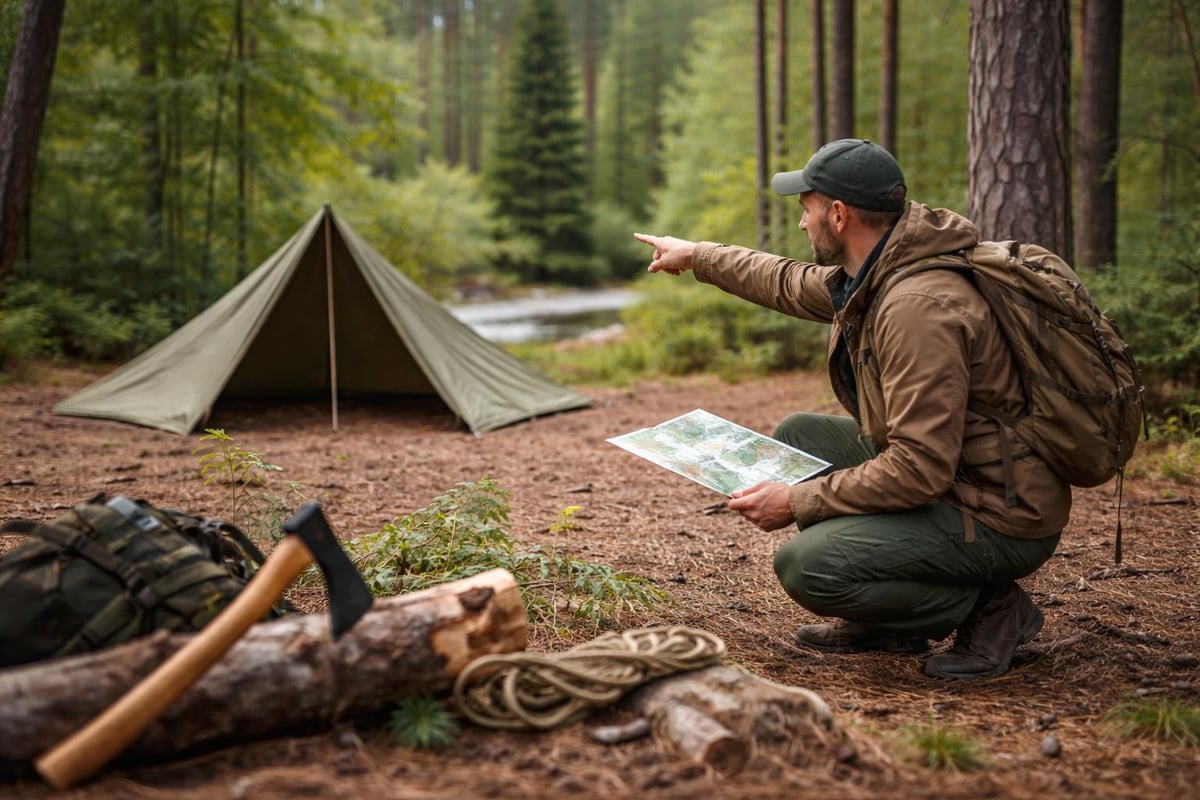
Proper bushcraft tent placement separates comfortable camps from miserable experiences. Your shelter location influences everything from sleep quality to safety, making site selection a critical skill worth mastering thoroughly.
The Bureau of Land Management's guidelines on tent site selection provide excellent foundational principles applicable across most environments. Key considerations include:
- Drainage patterns: Never camp in depressions or dry creek beds where water accumulates during rainfall
- Overhead hazards: Identify and avoid dead branches, unstable trees, or rockfall zones
- Ground composition: Seek level, well-drained surfaces free from roots, rocks, and thorns
- Wind exposure: Balance protection from prevailing winds against ventilation requirements
- Sun orientation: Consider morning light, shade patterns, and seasonal sun angles
Advanced Location Strategies
The comprehensive bushcraft campsite guide explores nuanced factors that elevate camp comfort significantly. Proximity to water sources must be balanced against insect populations, ambient noise, and potential flooding. Ideally, position your bushcraft tent 50-70 metres from water bodies to minimize both environmental impact and mosquito encounters whilst maintaining convenient access.
Natural windbreaks such as dense vegetation, terrain features, or rock formations substantially improve shelter performance. However, avoid positioning too close to these features where falling debris, animal trails, or restricted airflow create problems. A distance of 3-5 metres typically provides optimal wind reduction without associated risks.
Ground preparation distinguishes experienced bushcrafters from novices. Rather than simply clearing obvious debris, assess the site during simulated rain conditions by pouring water nearby to observe drainage patterns. Slight grading or strategic debris placement can dramatically improve water shedding around your bushcraft tent perimeter.
Materials and Construction Quality Factors
Investment in quality bushcraft gear pays dividends through reliability, longevity, and enhanced outdoor experiences. Understanding construction details helps you evaluate options effectively and maintain your equipment properly.
Fabric Technology and Performance
Canvas specifications vary considerably between manufacturers. Thread count, weave tightness, and cotton staple length all influence durability, water resistance, and weight. Premium canvas typically features 10-12 ounce weight per square yard with tight weaving that swells when wet to create natural waterproofing whilst maintaining breathability.
Polycotton blends combine cotton's breathability with synthetic fibres' strength and water resistance. Common ratios include 65/35 and 70/30 polyester-to-cotton compositions, offering reduced weight compared to pure canvas whilst retaining most breathability advantages. These materials excel for mobile bushcraft applications where every gram matters.
Waterproof coatings require careful evaluation. Whilst polyurethane and silicone treatments provide excellent water resistance, they may compromise breathability that makes canvas attractive initially. Modern hydrophobic treatments offer better balance, allowing moisture vapour transmission whilst repelling liquid water effectively.
Structural Components
High-quality bushcraft tents incorporate reinforced stress points at guy line attachments, pole sleeves, and ground contact areas. Double or triple stitching, reinforcing patches, and robust hardware prevent premature failure during extended use.
Pole systems deserve particular attention. Whilst aluminum poles offer excellent strength-to-weight ratios, bushcraft practitioners often prefer cutting natural poles on-site to reduce pack weight. Tents designed for natural poles feature larger diameter sleeves and simplified attachment points that accommodate field-sourced materials of varying dimensions.
Ground sheets and footprints protect your shelter floor from abrasion, punctures, and ground moisture. Integrated groundsheets simplify setup but add weight, whilst separate footprints offer versatility for different configurations. When selecting essential outdoor equipment, consider whether integrated or modular approaches suit your bushcraft style better.
Practical Applications and Field Techniques
Theoretical knowledge transforms into competence through deliberate practice and field experience. Developing efficient bushcraft tent skills requires regular deployment under varied conditions until setup becomes intuitive.
Efficient Deployment Methods
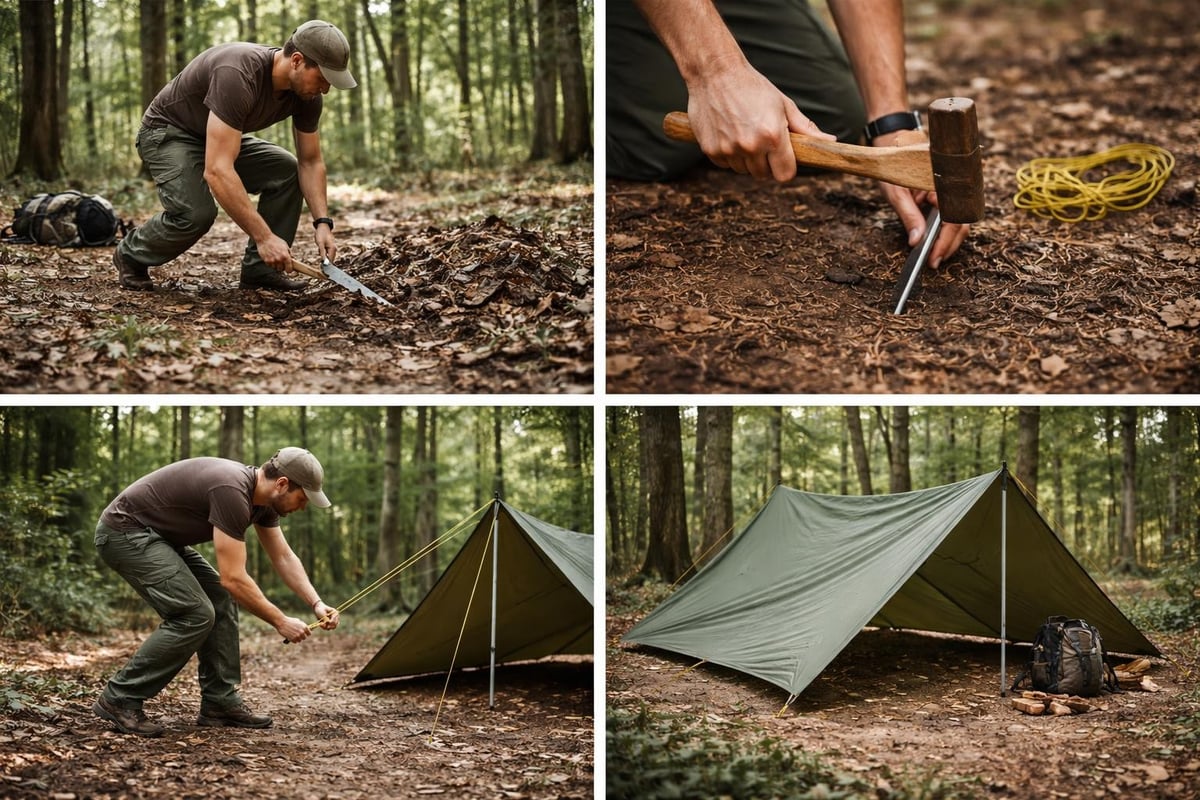
- Pre-trip preparation: Familiarize yourself thoroughly with setup procedures at home before field deployment
- Site assessment: Spend 10-15 minutes evaluating potential locations before committing to setup
- Ground clearing: Remove debris systematically, working outward from your tent's centre point
- Stake placement: Position stakes at optimal angles (45-60 degrees) before raising the shelter
- Tensioning sequence: Work systematically around the structure, achieving even tension across all guy lines
- Final adjustments: Step back periodically to assess overall geometry and make corrections
When considering survival tent options, remember that the best shelter is one you can deploy confidently under adverse conditions. Complexity creates failure points, particularly when dealing with cold fingers, fading light, or deteriorating weather.
Weather-Specific Modifications
Heavy rain protocols include ditching around your tent perimeter when ground conditions permit, positioning doors away from prevailing weather, and creating covered vestibule areas for gear storage and cooking. Ensure guy lines are properly tensioned to prevent water pooling on roof surfaces.
Wind management often requires lowering your profile by reducing pitch height or using terrain features more aggressively. Additional stake points and supplementary guy lines transform summer configurations into storm-worthy shelters when conditions demand.
Winter adaptations might include banking snow around the tent base for insulation, creating elevated sleeping platforms above cold ground, and implementing proper stove ventilation systems. Understanding these winter camping techniques dramatically extends your bushcraft tent's seasonal utility.
Maintenance and Longevity Strategies
Quality bushcraft gear represents significant investment that proper maintenance extends considerably. Systematic care prevents premature degradation whilst maintaining performance characteristics throughout years of service.
Cleaning and Storage Protocols
Field maintenance begins with daily inspection for damage, proper drying before packing, and gentle debris removal. Never pack a wet canvas bushcraft tent for extended periods, as mildew develops rapidly and permanently damages fabric integrity. When immediate drying isn't possible, unpack and air the shelter within 24-48 hours.
Deep cleaning should occur annually or after particularly demanding expeditions. Hand washing in cool water with mild, non-detergent soap preserves fabric treatments and prevents shrinkage. Avoid machine washing unless specifically approved by manufacturers, as agitation and heat damage many bushcraft tent materials.
Storage conditions significantly impact longevity. Store completely dry shelters in breathable bags within climate-controlled environments away from direct sunlight. Compression storage damages canvas fibres over time, so use appropriately sized storage containers that don't require extreme compression.
Repair and Restoration
Minor damage addressed promptly prevents major failures later. Carry field repair supplies including:
- Tenacious tape or similar heavy-duty repair tape
- Spare guy line cordage
- Needle and waxed thread for canvas repairs
- Seam sealer for waterproofing maintenance
- Spare stakes and pole repair sleeve
Learning basic sewing techniques specifically for canvas repair empowers you to address tears, reinforce stress points, and extend your bushcraft tent's functional life significantly. Many experienced practitioners view repair skills as fundamental bushcraft competencies alongside fire-making and navigation.
Integration with Complete Bushcraft Systems
Your bushcraft tent functions as one component within a comprehensive outdoor system. Optimizing interactions between shelter, sleeping arrangements, cooking equipment, and essential outdoor gear creates synergistic efficiency exceeding individual component capabilities.
Sleeping System Coordination
Ground insulation becomes critical in bushcraft scenarios where lightweight closed-cell foam pads often replace heavier self-inflating alternatives. Your tent should accommodate your preferred sleeping system comfortably whilst allowing gear storage space. Canvas swags represent increasingly popular alternatives, combining sleeping bag, mattress, and basic shelter in integrated packages particularly suited to bushcraft applications.
Temperature management extends beyond sleeping bag ratings to include tent ventilation, moisture control, and strategic use of natural insulation materials. Understanding how your bushcraft tent's breathability affects overall system performance helps you select appropriate sleeping equipment for varying conditions.
Cooking and Living Space
Determine whether you'll cook inside your shelter, under separate tarps, or exclusively outdoors. This decision influences tent size requirements, ventilation needs, and safety considerations. When exploring various bushcraft shelter options, consider how each accommodates your preferred cooking methods and camp routines.
Gear organization within compact bushcraft tents requires deliberate systems. Hanging loops, internal pockets, and vestibule spaces keep essential items accessible whilst maintaining livable interior space. Many practitioners develop standardized packing systems ensuring critical items occupy consistent locations across different camps.
Advanced Bushcraft Tent Strategies
Experienced practitioners develop sophisticated approaches transcending basic shelter deployment. These advanced techniques emerge through accumulated field time and deliberate skill development.
Multi-Shelter Configurations
Tarp and tent combinations provide redundancy, enhanced weather protection, and distinct functional zones within camp. A primary bushcraft tent serves as sleeping quarters whilst auxiliary tarps create cooking areas, gear storage, and social spaces during extended stays. This modular approach adapts to varying group sizes, weather conditions, and expedition objectives.
Natural Material Integration
Incorporating natural materials extends beyond cutting support poles. Experienced bushcrafters use boughs for ground insulation, create debris huts as supplementary insulation layers, and leverage natural features for enhanced shelter performance. These techniques connect modern equipment with traditional knowledge, deepening your wilderness competency.
Seasonal adaptations might include using snow for insulation, constructing windbreaks from available materials, or creating elevated platforms in wet conditions. Understanding tent camping basics provides foundations for these advanced applications.
Climate and Regional Considerations
British weather patterns present unique challenges requiring specific bushcraft tent characteristics. Understanding these regional factors helps you select and deploy shelters effectively throughout the UK's diverse environments.
UK Weather Patterns
Persistent moisture dominates British outdoor conditions across most seasons. Your bushcraft tent must manage constant dampness through superior breathability, effective ventilation, and materials that perform well when wet. Canvas and polycotton excel in these conditions, providing comfort during extended periods of drizzle and fog.
Variable conditions require versatile shelters adapting quickly to changing weather. Spring and autumn camping particularly demands equipment handling rapid transitions from sunshine to rain, warm days to freezing nights, and calm conditions to substantial winds within hours.
Terrain-Specific Applications
Woodland environments allow for smaller footprint shelters leveraging natural windbreaks and overhead cover. However, ensure adequate clearance from trees and consider ground conditions that may remain damp year-round in dense forests.
Moorland and upland areas demand more robust wind resistance and self-supporting structures that don't rely on tree anchors. Lower profile designs reduce wind exposure whilst maintaining adequate interior space.
Coastal locations introduce salt spray, sand infiltration, and often stronger sustained winds. Your bushcraft tent requires thorough cleaning after coastal deployments to prevent accelerated material degradation from salt exposure.
Matching Shelter to Activity Type
Different bushcraft activities place varying demands on shelter equipment. Aligning your tent choice with specific activities optimizes both performance and enjoyment.
| Activity Type | Mobility Requirements | Duration | Ideal Shelter Characteristics |
|---|---|---|---|
| Extended Base Camp | Low | 3-14 days | Spacious, comfortable, weather-resistant |
| Mobile Bushcraft | High | 1-3 days | Lightweight, quick setup, compact |
| Skills Development | Low-Moderate | 1-5 days | Versatile, allows experimentation |
| Wilderness Photography | Moderate | 2-7 days | Weather protection, gear storage |
| Foraging Expeditions | Moderate | 1-4 days | Easy access, good ventilation |
Photography expeditions benefit from spacious shelters accommodating equipment whilst protecting sensitive gear from moisture. Consider designs allowing camera access without full shelter exit during optimal lighting conditions.
Skills development camps might prioritize teaching opportunities over maximum efficiency. Larger communal shelters or multiple smaller tents create varied learning environments for groups developing bushcraft competencies together.
Long-Term Skill Development
Bushcraft tent proficiency develops through accumulated experience rather than single expeditions. Adopting systematic approaches to skill building accelerates your progression whilst ensuring safety throughout the learning process.
Progressive Challenge Methodology
Begin with familiar environments close to home where retreat options exist if conditions deteriorate or equipment fails. Gradually extend duration, remoteness, and environmental challenges as competence grows. This progressive approach builds confidence whilst maintaining appropriate safety margins.
Document your experiences through journals, photographs, or video records. Reviewing past camps identifies patterns, reveals areas requiring improvement, and tracks your developing expertise. Note what worked well, what challenges arose, and how you might approach similar situations differently in future.
Continuing Education
Regular practice maintains skills whilst preventing dangerous competency decay. Schedule quarterly bushcraft trips maintaining baseline proficiency even during busy periods. Between trips, review techniques, maintain equipment, and study advanced concepts preparing you for future challenges.
Consider formal instruction from experienced practitioners offering structured learning environments. Courses focusing on survival skills complement self-directed learning by introducing perspectives and techniques you might not discover independently.
Environmental Responsibility and Ethical Practice
Modern bushcraft embraces Leave No Trace principles whilst pursuing traditional outdoor skills. Your bushcraft tent use should demonstrate environmental stewardship protecting wild spaces for future generations.
Minimal Impact Camping
Site selection prioritizes durably surfaces minimizing vegetation damage and soil compaction. Established sites, gravel bars, rock surfaces, and dry grasses handle tent placement better than delicate alpine vegetation or cryptobiotic soil crusts.
Stay duration influences environmental impact significantly. Moving camp every few days prevents localized resource depletion and lasting site damage. When base camping for extended periods, rotate high-use areas and actively restore sites before departure.
Resource Utilization
Pole cutting, when permitted and appropriate, follows sustainable practices selecting dead standing wood or species abundant in the area. Never cut living trees or damage bark on standing timber for bushcraft purposes. Understanding regional regulations prevents inadvertent violations whilst demonstrating respect for land management agencies.
Selecting and mastering a bushcraft tent represents a journey combining equipment knowledge, practical skills, and environmental awareness that enhances every wilderness experience. Whether you're establishing extended base camps or pursuing mobile bushcraft adventures across varied terrain, the right shelter elevates comfort, safety, and your connection with natural environments. When you're ready to equip yourself with premium canvas tarps, swags, and outdoor gear built for British conditions and demanding bushcraft applications, explore the exceptional range available at Outhaus, where durability meets performance for serious outdoor enthusiasts.