

Bed Roll: The Essential Outdoor Sleeping System Guide
RankPill on 24th Feb 2026
The humble bed roll has served outdoor enthusiasts, soldiers, and wanderers for centuries as a reliable, portable sleeping solution. This ingenious piece of outdoor equipment combines simplicity with functionality, offering a complete sleep system that can be carried easily from one location to another. Whether you're planning a weekend camping trip, embarking on a multi-day hiking expedition, or preparing for wilderness adventures, understanding the features and benefits of a quality bed roll can transform your outdoor sleeping experience. Today's modern bed rolls blend traditional craftsmanship with contemporary materials, delivering comfort and protection in various weather conditions whilst maintaining the portability that makes them indispensable for serious outdoor adventurers.
Understanding the Traditional Bed Roll Design
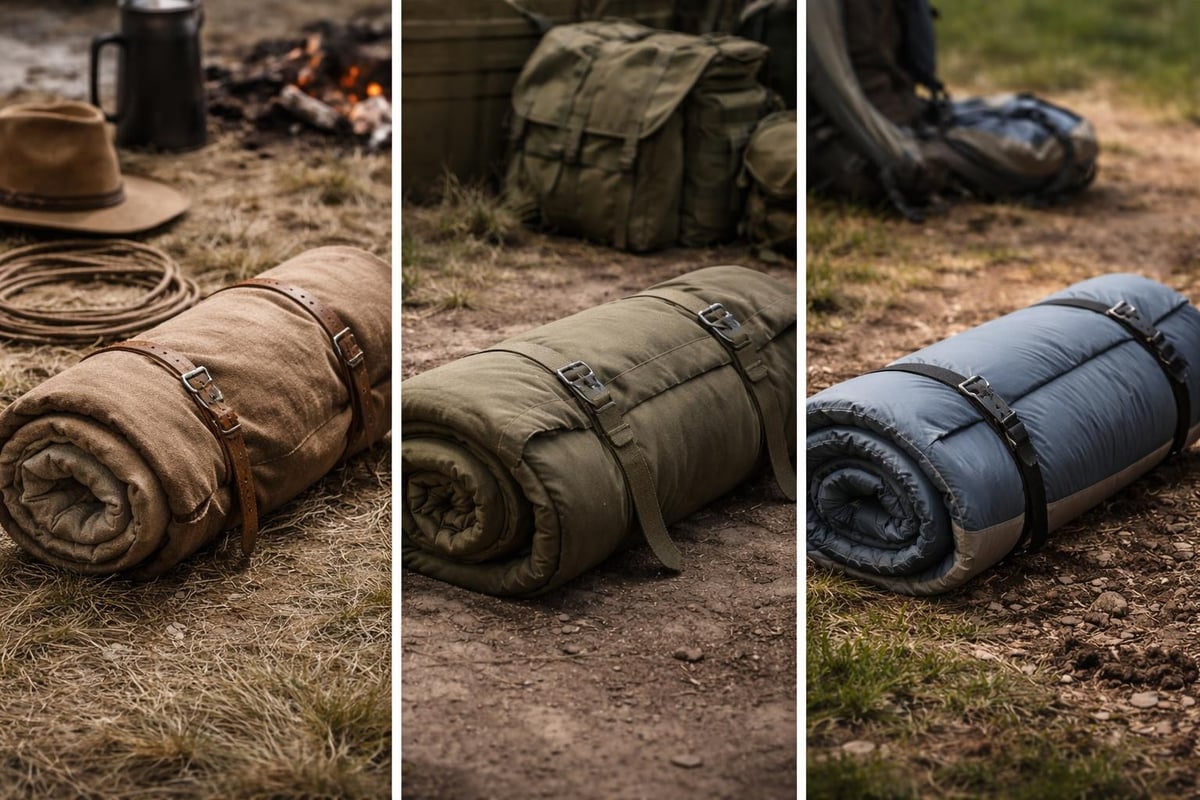
A bed roll represents a self-contained sleeping system that rolls into a compact, transportable bundle. The design typically consists of durable canvas or similar weatherproof material that wraps around bedding, creating both a protective covering and a ground barrier.
The traditional cowboy bedroll emerged from practical necessity during the American frontier era, when cowboys needed a reliable sleeping solution that could withstand harsh conditions whilst being easy to transport on horseback. This historical design established the fundamental principles that modern bed rolls continue to follow.
Core Components of a Quality Bed Roll
The effectiveness of any bed roll depends on several critical components working together:
- Outer shell material: Heavy-duty canvas or similar weather-resistant fabric
- Closure system: Leather straps, buckles, or rope ties for secure bundling
- Insulation layer: Wool blankets, quilts, or modern synthetic fills
- Ground protection: Water-resistant base to create a barrier from moisture
- Carrying mechanism: Integrated straps or attachment points for transport
Modern manufacturers have refined these elements whilst preserving the essential functionality that makes bed rolls so effective. The outer shell serves as the first line of defence against wind, rain, and ground moisture, whilst internal layers provide warmth and comfort.
Materials and Construction Standards
The choice of materials significantly impacts a bed roll's performance, durability, and suitability for different outdoor conditions. Traditional canvas remains the preferred outer shell material for many outdoor enthusiasts, offering exceptional tear resistance and natural water repellency.
Canvas Quality and Treatment
Premium bed rolls utilise heavy-weight canvas, typically ranging from 10 to 15 ounces per square yard. This robust material withstands abrasion from rocks, branches, and rough terrain. Many manufacturers, including those specialising in canvas camping equipment, apply additional treatments to enhance water resistance without compromising breathability.
The weave density and thread count directly affect durability and weather protection. Tighter weaves provide better water resistance but may add weight, creating a balance consideration for those prioritising portability.
| Material Type | Weight (oz/sq yd) | Water Resistance | Breathability | Durability Rating |
|---|---|---|---|---|
| Standard Canvas | 10-12 | Good | Excellent | High |
| Heavy Canvas | 13-15 | Excellent | Very Good | Very High |
| Treated Canvas | 10-15 | Excellent | Good | Very High |
| Polycotton Blend | 8-10 | Very Good | Excellent | Moderate-High |
Interior Bedding Considerations
The internal layers of a bed roll determine sleeping comfort and temperature regulation. Traditional wool blankets remain popular due to their natural insulating properties, moisture-wicking capabilities, and ability to retain warmth even when damp.
Modern alternatives include synthetic fills, down alternatives, and purpose-built camping quilts. Each option presents distinct advantages depending on your camping style and environmental conditions. When selecting internal bedding, consider the temperature ranges you'll encounter and your personal warmth requirements.
Practical Applications and Use Cases
Bed rolls excel in situations where portability, simplicity, and reliability take priority over maximum comfort. Understanding the ideal applications helps you determine whether this traditional sleep system suits your outdoor adventures.
Minimalist Camping and Bushcraft
For those embracing minimalist outdoor philosophies, a bed roll offers everything needed for restful sleep without the complexity of modern camping systems. Bushcraft enthusiasts particularly appreciate the self-contained nature and resilience of properly constructed bed rolls.
The bed roll's compact form factor makes it ideal for:
- Motorcycle camping: Straps easily to bikes without requiring panniers
- Canoe expeditions: Fits neatly in waterproof bags for paddle trips
- Hiking adventures: Attaches to backpacks as an external load
- Horse trekking: Traditional carrying method still viable today
- Vehicle-based camping: Quick setup for overnight stops
Military and Tactical Applications
Military bed rolls have served armed forces globally for decades, proving their reliability in demanding conditions. The design's simplicity reduces failure points whilst providing adequate protection and comfort for soldiers in the field.
Modern tactical versions incorporate contemporary materials whilst maintaining the fundamental design principles. These specialised bed rolls often feature modular components, allowing users to adapt the system for different seasons and operational requirements.
Selecting the Right Bed Roll for Your Needs
Choosing an appropriate bed roll requires careful consideration of multiple factors, including your typical camping environments, transport methods, and personal comfort preferences.
Size and Dimension Considerations
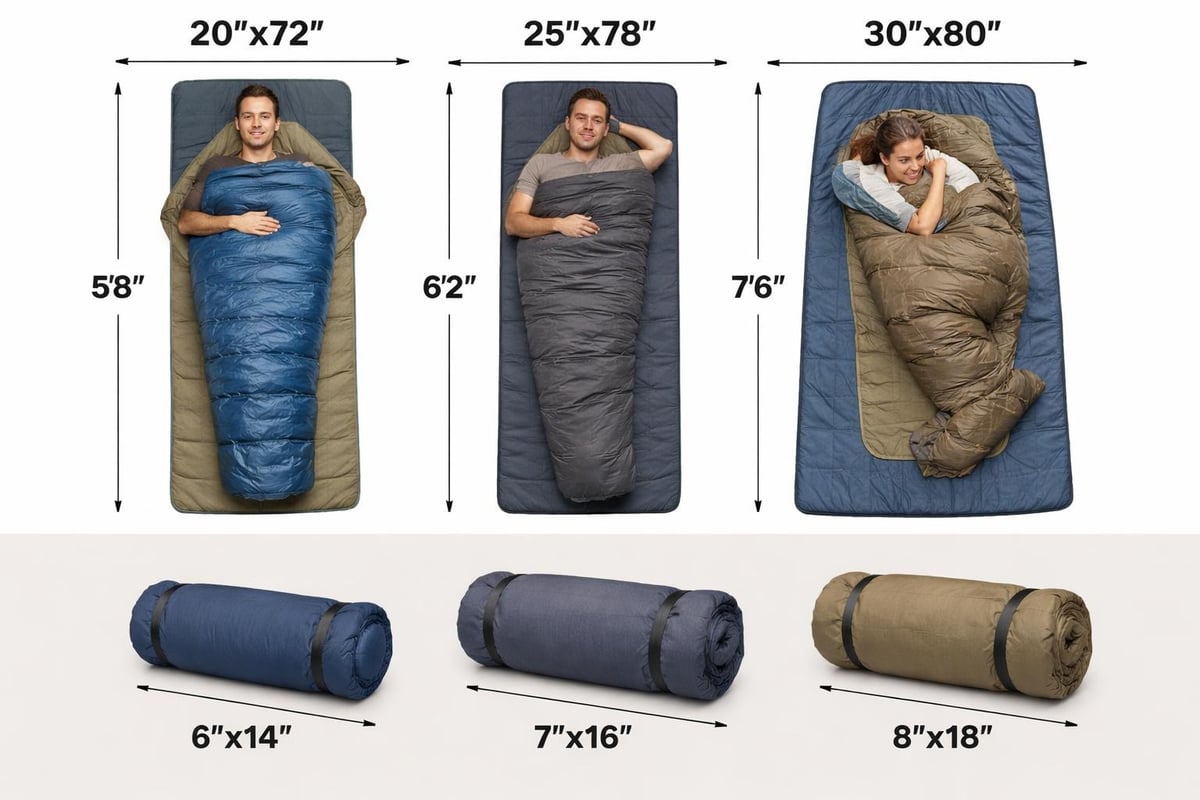
Bed rolls come in various sizes to accommodate different user heights and bundling preferences. Standard dimensions typically range from 84 to 96 inches in length and 60 to 72 inches in width when unrolled.
Key sizing factors:
- Personal height: Add 12-18 inches to your height for comfort
- Sleeping width: Side sleepers need additional lateral space
- Bundled diameter: Larger rolls may prove difficult to transport
- Weight capacity: Heavier bedding requires stronger construction
Proper sizing ensures the bed roll bundles securely without excessive bulk whilst providing adequate coverage when deployed.
Seasonal Adaptability
A versatile bed roll accommodates different seasons through modular bedding layers. Summer camping requires minimal insulation, whilst winter camping demands substantial warmth retention.
Consider bed rolls designed to accept varying amounts of internal bedding, allowing you to adjust insulation levels based on forecast temperatures. This adaptability maximises your investment by extending the usable season range.
Maintenance and Longevity
Proper care ensures your bed roll provides reliable service for years or even decades. Canvas bed rolls particularly benefit from regular maintenance routines that preserve water resistance and structural integrity.
Cleaning and Storage Protocols
Regular cleaning prevents mould growth and material degradation. After each camping trip, allow the bed roll to air thoroughly before storage, addressing any moisture accumulation.
Maintenance schedule:
- After each use: Shake out debris, air completely dry
- Monthly (active season): Inspect for tears, loose stitching, or wear
- Annually: Deep clean outer shell, reproof if necessary
- Long-term storage: Store loosely rolled or hung to prevent permanent creasing
Spot clean soiled areas promptly, using mild soap and cool water. Avoid harsh detergents that strip natural water-repellent properties from canvas fibres.
Repair and Restoration
Quality bed rolls support field repairs, extending their operational life significantly. Carry a basic repair kit containing heavy thread, needles, canvas patches, and leather thong replacements.
Common repairs include reinforcing stress points, patching small tears, and replacing worn closure straps. Many outdoor enthusiasts view repair work as part of the bed roll ownership experience, building connection with their equipment through maintenance.
Comparing Bed Rolls to Modern Sleep Systems
Modern camping offers numerous sleeping solutions, from ultralight sleeping bags to inflatable mattress systems. Understanding how bed rolls compare helps you make informed equipment choices.
| Feature | Bed Roll | Sleeping Bag | Swag System | Air Mattress |
|---|---|---|---|---|
| Setup Speed | Very Fast | Fast | Moderate | Slow |
| Weather Protection | Excellent | Good | Excellent | Poor |
| Durability | Exceptional | Moderate | Very Good | Low |
| Weight | Heavy | Light | Heavy | Light |
| Versatility | High | Moderate | Moderate | Low |
| Comfort | Moderate | Good | Very Good | Excellent |
Bed rolls particularly excel in durability and weather protection, withstanding conditions that compromise lighter-weight alternatives. The trade-off involves carrying additional weight, making them less suitable for ultralight backpacking pursuits.
Integration with Other Camping Equipment
A bed roll complements various camping setups rather than requiring dedicated systems. Pair it with quality tarps for overhead protection, creating a complete shelter solution with minimal equipment.
The self-contained nature allows quick camp establishment when combined with simple shelter solutions. This efficiency proves particularly valuable during inclement weather or when arriving at camp after dark.
Historical Evolution and Modern Interpretations
The bed roll concept has evolved considerably since its frontier origins, incorporating technological advances whilst retaining core functional principles. Modern manufacturers like Bushtec Adventure and others continue developing improved versions that honour traditional design.
From Cowboys to Contemporary Campers
The cowboy bedroll tradition established design parameters that remain relevant today. Cowboys required equipment that protected against weather extremes, packed efficiently, and withstood rough handling during cattle drives.
These same requirements apply to modern outdoor adventures, whether you're hiking coastal paths or camping in remote wilderness areas. The continuity between historical and contemporary applications demonstrates the enduring effectiveness of the bed roll concept.
Innovation in Traditional Design
Contemporary manufacturers enhance traditional bed rolls through careful material selection and construction refinement. Canvas specialists produce bed rolls incorporating modern weatherproofing treatments whilst maintaining breathability and durability.
Innovations include improved closure systems, integrated compression straps, and modular components that increase versatility. These enhancements preserve the bed roll's essential character whilst addressing practical concerns identified through decades of outdoor use.
Practical Tips for Bed Roll Users
Maximising your bed roll's effectiveness requires understanding proper deployment, usage techniques, and field adaptations. Experienced users develop personal methods that optimise comfort and protection.
Setup and Deployment Strategies
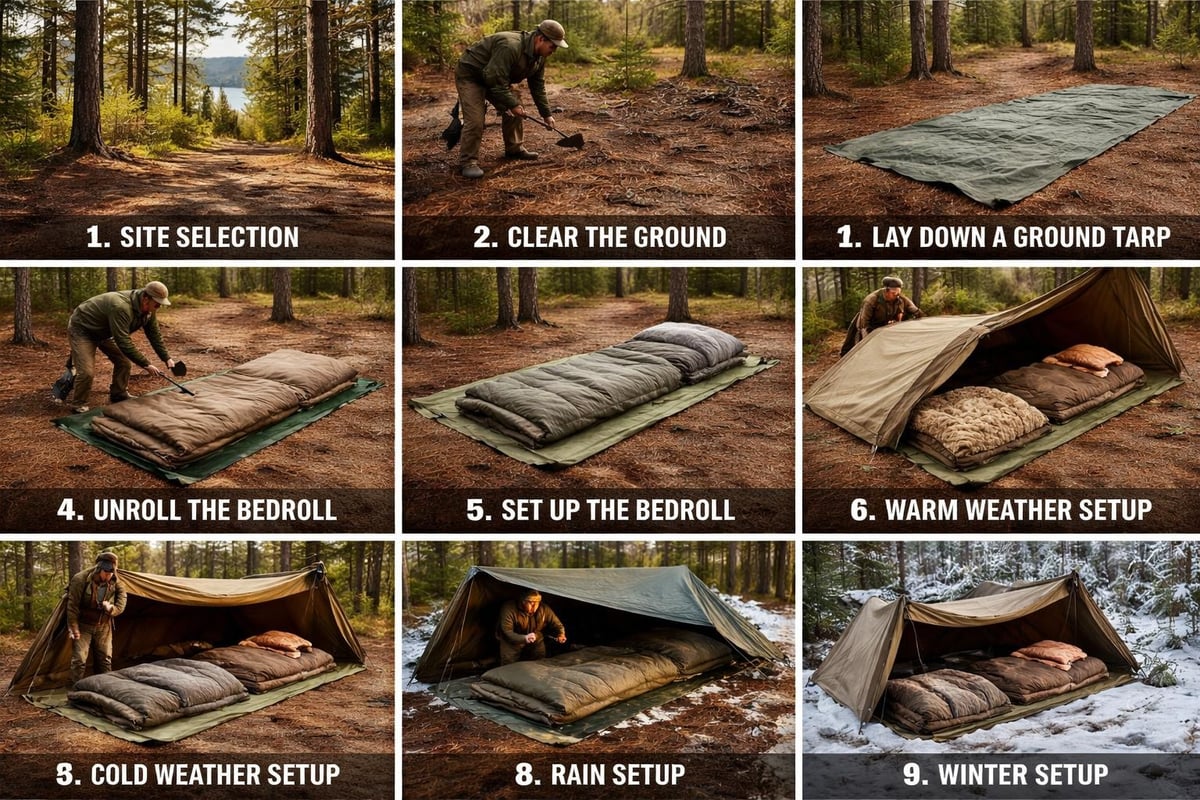
Proper site selection significantly impacts sleeping comfort. Choose level ground free from rocks, roots, and depressions that create pressure points. Clear debris before unrolling, preventing punctures and discomfort.
Optimal setup sequence:
- Survey camping area for level, dry ground
- Clear vegetation and debris from sleeping zone
- Unroll bed roll completely, allowing material to relax
- Arrange internal bedding for even distribution
- Position protective layers to address expected weather
- Secure edges against wind if necessary
When camping in wet conditions, consider placing the bed roll atop natural materials like pine boughs or grass for additional ground insulation and moisture protection. This traditional technique complements modern moisture barriers effectively.
Temperature Regulation Techniques
Managing warmth in a bed roll requires understanding layering principles and ventilation control. Unlike modern sleeping bags with integrated temperature ratings, bed rolls demand user input for optimal comfort.
Cold weather camping necessitates multiple wool blankets or equivalent insulation. Trap warm air by tucking bedding beneath you, creating an insulated envelope. During warmer periods, open the bed roll partially to improve airflow whilst maintaining protection from insects and morning dew.
Combining your bed roll with appropriate outdoor clothing enhances comfort across temperature ranges. Quality base layers work synergistically with bedding insulation, maximising warmth retention during cold nights.
Building Your Complete Outdoor Sleep System
A bed roll forms the foundation of a complete sleep system when paired with complementary equipment. Strategic additions enhance comfort, protection, and versatility without compromising the minimalist philosophy that makes bed rolls attractive.
Essential Companion Equipment
Recommended additions include:
- Ground cloth or waterproof tarp for moisture barrier
- Inflatable or foam pillow for head support
- Emergency blanket for unexpected temperature drops
- Mosquito netting for insect protection in summer months
- Wool socks and base layers for cold weather camping
Many experienced campers also carry essential outdoor gadgets that complement their bed roll setup, such as compact LED lighting and portable heating solutions for extreme conditions.
Shelter Integration Options
Whilst bed rolls provide ground-level weather protection, overhead shelter proves necessary during precipitation. The traditional approach involves erecting a simple tarp lean-to above your sleeping area, creating a complete weather-resistant sanctuary.
Modern campers benefit from lightweight tarp designs that pack efficiently alongside bed rolls. When selecting tarps, prioritise durability and adequate coverage area. A quality tarp measuring 3 by 4 metres provides sufficient protection for most bed roll configurations.
Consider learning tarp camping techniques that maximise weather protection whilst maintaining quick setup capabilities. The combination of bed roll and properly configured tarp creates a remarkably effective camping system with minimal equipment.
Investment Considerations and Value
Quality bed rolls represent significant investments, with prices varying considerably based on materials, construction quality, and manufacturer reputation. Understanding value factors helps you make informed purchasing decisions aligned with your outdoor pursuits.
Price Ranges and Quality Indicators
Entry-level bed rolls typically start around £80-£120, offering basic functionality with lighter-weight canvas and simpler construction. Mid-range options (£150-£250) provide enhanced durability, heavier canvas, and better hardware. Premium bed rolls exceed £300, featuring exceptional materials and craftsmanship that support decades of use.
Quality indicators to assess:
- Stitching density and thread quality
- Canvas weight and treatment type
- Hardware robustness (buckles, D-rings, straps)
- Manufacturer warranty terms
- Customer reviews from long-term users
Investment in a quality bed roll pays dividends through longevity and reliability. Well-maintained premium examples frequently serve users for 20-30 years, representing excellent long-term value compared to frequently replaced modern alternatives.
Customisation and Personalisation
Some manufacturers offer customisation options, allowing you to specify dimensions, closure systems, and additional features. Specialist producers create bespoke bed rolls tailored to individual requirements, though these command premium pricing.
Customisation proves particularly valuable for unusually tall individuals, those with specific medical requirements, or users planning extreme expeditions demanding specialised configurations.
Environmental Considerations and Sustainability
The outdoor community increasingly prioritises environmental responsibility and sustainable equipment choices. Bed rolls align well with these values through their durability, repairability, and use of natural materials.
Material Sustainability
Canvas production involves natural cotton fibres, a renewable resource requiring less energy to manufacture than synthetic alternatives. Quality canvas bed rolls avoid petroleum-based materials, reducing environmental impact across their lifecycle.
The exceptional longevity of well-made bed rolls dramatically reduces replacement frequency, minimising resource consumption over time. This durability represents genuine sustainability rather than superficial "green" marketing.
Repair Culture and Circular Economy
Bed rolls support repair and restoration rather than replacement, embodying circular economy principles. The robust construction accommodates field repairs, professional restoration, and component replacement, extending functional life indefinitely.
This repairability contrasts sharply with modern sleeping bags and air mattresses, which often become landfill waste after relatively brief service lives. Choosing repairable equipment demonstrates environmental stewardship whilst delivering practical benefits.
Safety and Emergency Applications
Beyond routine camping comfort, bed rolls provide valuable emergency capabilities that enhance outdoor safety. Their robust construction and weather protection prove critical during unexpected situations.
Emergency Shelter Capabilities
In emergency scenarios, a bed roll transforms into versatile shelter. The waterproof outer shell creates wind breaks, ground barriers, or makeshift roofing when secured over improvised frameworks. Combined with survival skills, a quality bed roll significantly improves survival odds during unexpected outdoor emergencies.
The substantial fabric provides superior protection compared to emergency bivvy bags, offering more space and better moisture management during extended use. This capability makes bed rolls particularly valuable for remote expeditions where rescue might require extended periods.
Cold Weather Protection
Hypothermia prevention depends on maintaining core body temperature and staying dry. Bed rolls excel at both requirements when properly deployed with adequate internal insulation. The canvas shell blocks wind whilst allowing moisture vapour to escape, preventing dangerous condensation accumulation.
During severe weather, multiple people can share a single large bed roll, combining body heat for enhanced warmth. This emergency technique has saved lives throughout history and remains relevant for modern outdoor enthusiasts.
Investing in a quality bed roll connects you with outdoor traditions whilst providing reliable, comfortable sleeping solutions for modern adventures. The combination of durability, weather protection, and versatile applications makes bed rolls valuable additions to any outdoor enthusiast's equipment collection. Whether you're planning weekend camping trips or extended wilderness expeditions, understanding bed roll features and proper usage techniques ensures restful nights under the stars. Outhaus offers premium outdoor equipment built to the same exacting standards as traditional bed rolls, delivering exceptional quality and performance that enhances every camping experience.