

Winter Hiking Equipment Guide: Essentials for 2026 Adventures
RankPill on 14th Dec 2025
Imagine stepping onto a quiet, snow-covered trail where every breath feels crisp and every moment brings new discovery. Winter hiking transforms familiar landscapes into scenes of wonder, but it also brings unique challenges that demand respect and preparation.
The right winter hiking equipment can be the difference between a memorable adventure and a risky outing. As you plan your 2026 hikes, this guide will help you navigate the essentials for safety, comfort, and confidence in the cold.
You will learn how to layer clothing effectively, choose the best footwear, select reliable navigation tools, and pack critical safety gear. We also cover nutrition, hydration, and the latest technology designed for winter conditions. Let’s get ready to make your next winter journey unforgettable.
Understanding Winter Hiking Challenges
Venturing into the winter wilderness is both rewarding and risky. Before selecting your winter hiking equipment, it is vital to understand the unique challenges that colder months bring. From unpredictable weather to demanding terrain and increased physical exertion, thorough preparation is essential for a safe and enjoyable adventure.
The Unique Risks of Winter Hiking
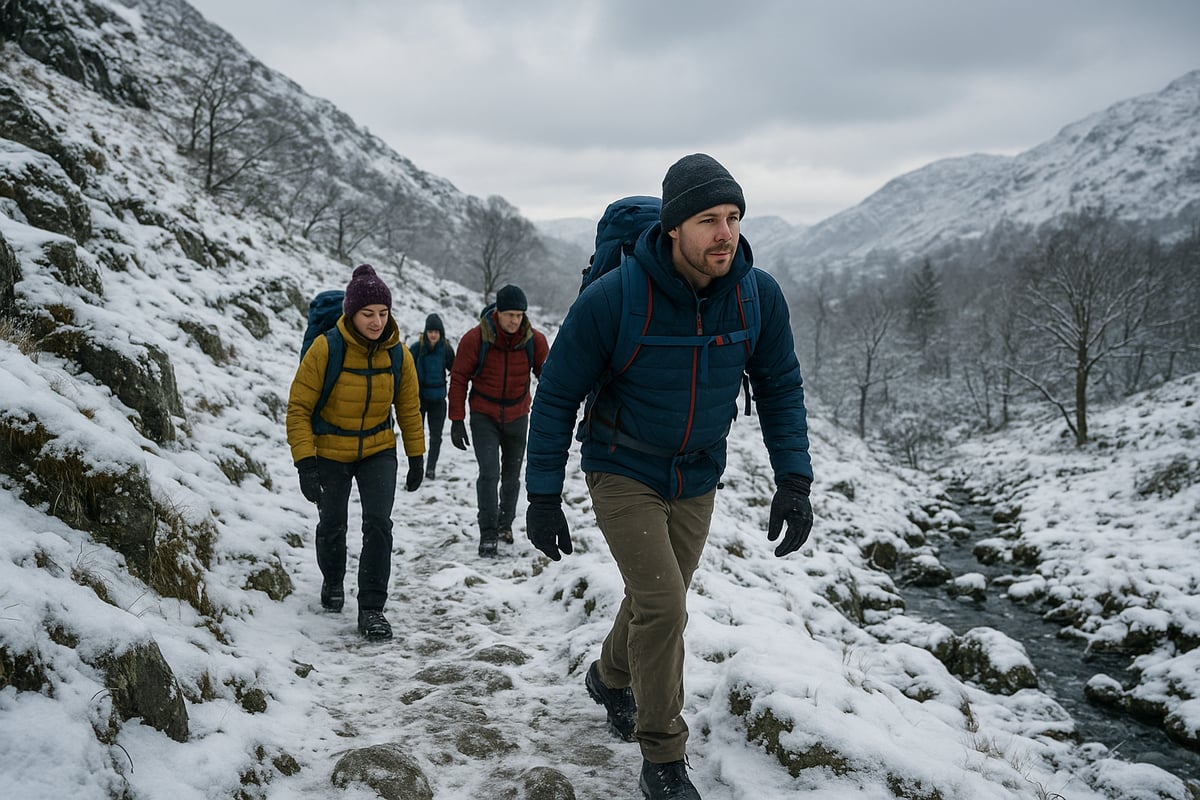
Winter hiking equipment is only as effective as your understanding of the risks. In the UK, hypothermia and frostbite are serious threats, especially when gear is inadequate. According to Winter hiking safety statistics in the UK, there were over 900 mountain rescue callouts in 2025, many linked to poor preparation. Short daylight hours make navigation harder, and cold temperatures increase your energy needs. Hazards like avalanches, particularly in the Scottish Highlands, add further complexity. A notable example from 2023 involved a Lake District rescue where lack of planning and inappropriate winter hiking equipment played a major role in the outcome.
Weather Conditions & Terrain Variability
Rapid changes in weather can transform a pleasant walk into a hazardous trek. The Met Office reports frequent winter storms, often bringing snow, ice, and strong winds that impact trail conditions. Winter hiking equipment must be chosen with these factors in mind, as whiteouts and low visibility can make navigation treacherous. Altitude and microclimates can quickly alter temperatures and snowpack, complicating route-finding. In the Scottish Highlands, trends show that sudden weather shifts are a leading cause of incidents, making it crucial to adapt your winter hiking equipment to both expected and unexpected conditions.
Psychological and Physical Demands
The psychological strain of winter hiking is as real as the physical. Cold, isolation, and fatigue demand strong mental resilience. The UKHikingSurvey2024 found that 62 percent of winter hikers consider mental toughness their biggest challenge. Winter hiking equipment helps manage comfort, but greater calorie burn and hydration needs can sap energy quickly. Morale-boosting gear, like a reliable flask or warm gloves, can make a significant difference. Preparing mentally and physically, through training and realistic expectations, is the foundation for a successful winter trek.
Planning and Route Selection
Effective planning is the backbone of every safe winter hike. Researching weather, trail reports, and daylight hours should guide your selection of winter hiking equipment. Mapping out escape routes and identifying emergency shelters are essential steps, especially when hiking in groups or solo. Snowdonia's popular winter trails, for example, come with specific risks such as sudden snow accumulation or exposed ridges. Utilising digital apps, OS maps, and local advice ensures you are well-prepared. Thoughtful planning, paired with the right winter hiking equipment, reduces risk and enhances your outdoor experience.
Essential Clothing & Layering Systems
Staying safe and comfortable in cold conditions starts with the right winter hiking equipment. Mastering your clothing and layering system is essential for regulating body temperature, managing moisture, and protecting against the elements. Each layer plays a distinct role in keeping you warm, dry, and ready for any adventure.

Base Layers: Moisture Management
The foundation of any winter hiking equipment system is the base layer. Merino wool and synthetic fibres excel at wicking moisture away from the skin, which is crucial when working up a sweat in freezing temperatures. Cotton, by contrast, traps moisture and increases the risk of hypothermia, so it should always be avoided.
Top brands in 2026 offer seamless designs that minimise chafing and fit close to the body without restricting movement. According to Outdoor Gear Lab, moisture-wicking base layers can reduce the risk of chilling by 35 percent. Choose a fit that hugs your body but does not feel tight, allowing for efficient moisture transfer and optimal comfort on the trail.
Insulation Layers: Retaining Warmth
Insulation layers are the primary defence against the cold in your winter hiking equipment. Down insulation remains the gold standard for warmth-to-weight ratio, performing exceptionally well in dry conditions. However, synthetic insulation is preferable if you anticipate wet weather, as it retains heat even when damp.
Layering strategies should allow you to add or remove pieces as your activity level changes. A recent case study showed down jackets excelled in sub-zero UK conditions, offering impressive packability and minimal weight. Ethical sourcing is a growing priority, so look for brands using responsibly sourced down or recycled synthetic fill.
Outer Layers: Weather Protection
Your outer layer is the first line of defence in winter hiking equipment, shielding you from wind, snow, and rain. Waterproof and windproof shell jackets with advanced membranes, like Gore-Tex Pro or eVent, deliver outstanding protection while remaining breathable. For 2026, look for jackets with improved membrane technology and features such as adjustable hoods, cuffs, and ventilation zips for maximum adaptability.
Pairing shell jackets with gaiters and waterproof trousers keeps snow and slush at bay. For a curated list of top-performing shells, see these essential winter outdoor jackets to find the best options for your kit.
Accessories: Hats, Gloves, and Socks
Accessories are often underestimated in winter hiking equipment but can make or break your comfort. Layer your gloves: start with a moisture-wicking liner, add an insulated glove, and finish with a waterproof shell. For your head, thermal hats and balaclavas offer vital protection against heat loss.
Merino wool socks, paired with thin liners, help prevent blisters and maintain warmth. Innovations in 2026 include rechargeable heated gloves and socks, ideal for especially cold conditions. A well-planned glove system is critical for tackling Scottish Munros or other challenging winter routes.
Footwear: Boots and Traction Devices
Footwear is a cornerstone of reliable winter hiking equipment. Opt for insulated, waterproof boots with robust soles for grip on snow and ice. Proper sizing is crucial, allowing space for thick socks and natural foot swelling during long hikes.
Depending on trail conditions, you may need crampons, microspikes, or snowshoes for extra traction. According to Trail Magazine’s 2025 tests, the best winter boots combine warmth, support, and waterproofing. Do not overlook foot care essentials like moisture-wicking socks and blister plasters to keep you moving comfortably all day.
Critical Gear & Equipment Checklist
Embarking on a winter hike requires more than just enthusiasm and a sense of adventure. The right winter hiking equipment is vital for your safety and comfort. This checklist covers the critical gear you need for successful outings in 2026, ensuring you are prepared for the cold, unpredictable conditions of the UK’s wildest landscapes.
Navigation and Communication Tools
Reliable navigation is at the heart of every winter hiking equipment list. Modern GPS devices offer pinpoint accuracy, yet traditional map and compass skills remain indispensable, especially when batteries falter in the cold.
For 2026, smartphone apps with offline mapping have evolved, providing detailed UK trail maps and weather overlays. Emergency beacons and satellite messengers are essential for remote hikes, offering peace of mind and a direct link to rescue teams.
Redundancy is key. Always carry spare batteries and manage power carefully. The OS Maps app is a popular choice, particularly in the Highlands where signal is unreliable. Every hiker should prioritise navigation tools as foundational winter hiking equipment.
Shelters, Swags, and Tarps
When winter weather turns, shelter can be a lifesaver. Emergency bivvy bags and lightweight tents are staples in winter hiking equipment, offering quick protection from wind and snow.
Canvas swags have grown in popularity among solo hikers for their warmth and durability, while tarps provide flexible shelter for groups or gear. Tarps are also useful for windbreaks or creating covered spaces for cooking.
Selecting the right shelter depends on trip length, terrain, and group size. Always ensure your chosen winter hiking equipment includes a reliable, easy-to-deploy shelter solution.
Outhaus: Durable Canvas Swags and Tarps for Winter Hiking
Outhaus stands out as the UK’s leading supplier of robust swags and tarps, making their products a top choice for winter hiking equipment in 2026. Canvas swags offer exceptional warmth, weather resistance, and comfort for overnight stays in cold conditions.
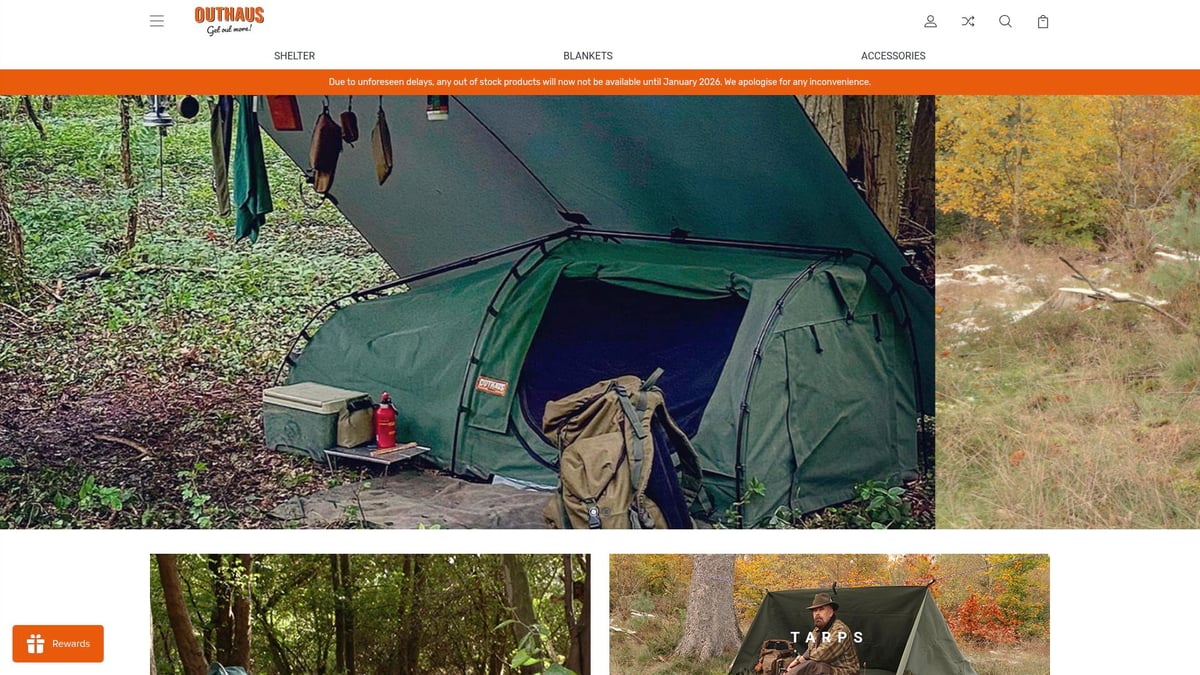
Their tarps are versatile, serving as shelters, dining covers, or gear protectors. Outhaus products are trusted for their lifetime warranty and strong community feedback.
UK wild campers report that Outhaus swags perform reliably even in challenging winter conditions, making them a key asset in your winter hiking equipment arsenal.
Lighting and Power Solutions
With short daylight hours, dependable lighting is non-negotiable winter hiking equipment. Headlamps with high lumen output and long battery life are essential for navigating after dark.
Carry spare batteries and consider rechargeable power banks to keep devices running. Solar-powered options offer sustainability, though battery-powered models remain more reliable in winter.
Red light modes help preserve night vision. According to TGO Magazine’s 2025 reviews, the best headlamps for UK winter hikes combine durability, battery efficiency, and weather resistance, all vital features for your winter hiking equipment kit.
Safety and First Aid Gear
Your safety kit is the backbone of responsible winter hiking equipment. A comprehensive first aid kit should include cold-specific supplies, such as blister plasters, thermal blankets, and hand warmers.
Add whistles, mirrors, and signalling devices for emergencies. In mountain regions, avalanche gear like transceivers, probes, and shovels is crucial. Personal locator beacons provide a last line of defence in remote areas.
Incident statistics from Mountain Rescue England show a marked reduction in accidents when hikers carry proper safety gear. For more guidance on staying safe, explore National Geographic's winter hiking safety tips as part of your winter hiking equipment research.
Hydration and Nutrition Systems
Staying hydrated in winter is a hidden challenge. Insulated water bottles and hydration reservoirs prevent freezing, a must-have feature in winter hiking equipment.
High-calorie snacks and easy-to-prepare meals keep energy levels up. Stoves and fuel choices matter—liquid fuel performs better in cold than canisters. Remember, caloric requirements increase by up to 30 percent in cold conditions.
Proper planning ensures your winter hiking equipment supports both hydration and nutrition, helping you stay energised over long distances.
Trekking Poles and Snow Tools
Trekking poles are invaluable winter hiking equipment for stability on snow and ice. Adjustable poles with snow baskets prevent sinking and improve balance.
For steeper or icier terrain, ice axes are essential for safety and self-arrest. Lightweight shovels help dig out tents or emergency shelters in deep snow.
Maintenance matters—always check your poles and tools before heading out. Experienced UK winter hikers rely on these items for confidence and safety, rounding out a comprehensive winter hiking equipment checklist.
Technology & Innovations for 2026 Winter Hiking
Staying ahead in the world of winter hiking equipment requires an understanding of the latest innovations. As technology evolves, so do the tools and gear that keep hikers safe, warm, and efficient in challenging conditions. Let us explore the advancements shaping winter hiking equipment for 2026.
Wearable Tech and Smart Clothing
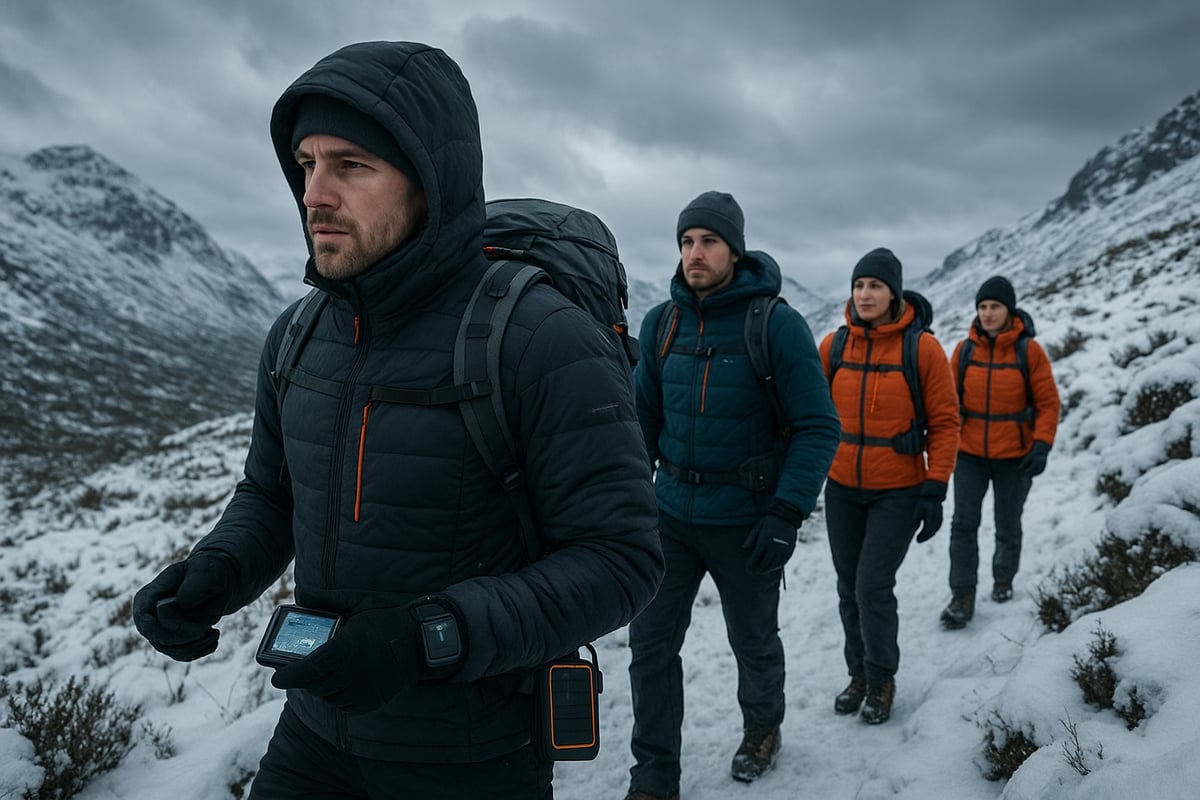
Wearable technology is revolutionising winter hiking equipment, offering hikers unprecedented control over their comfort and safety. Heated jackets and gloves, now equipped with Bluetooth control, allow users to adjust warmth levels instantly via their smartphones. Smart socks with embedded sensors regulate temperature and track steps, helping to prevent cold injuries and monitor fatigue.
The integration of fitness trackers and health monitoring devices provides real-time data on heart rate, calories burned, and even altitude changes. In fact, 40% of UK hikers now use wearable tech as part of their winter hiking equipment, according to the Outdoor Trends Report 2025. For a deeper look at the latest gear, see the Best outdoor gadgets for 2026.
Despite these advancements, it is important to maintain a balance between technology and self-reliance, as electronic devices can be affected by cold or battery failure.
Navigation and Safety Advancements
Navigation tools in winter hiking equipment have seen significant upgrades for 2026. AI-powered GPS units now offer real-time weather alerts and dynamic route adjustments, improving decision-making in rapidly changing conditions. Satellite messaging devices enable group tracking, making it easier to coordinate with team members in remote areas.
Some hikers are experimenting with drone-assisted route scouting, where permitted by local regulations, to assess terrain and avalanche risk from above. These innovations have contributed to increased rescue success rates, as precise location data and faster communication can be lifesaving.
However, hikers should always carry traditional map and compass as backup, ensuring redundancy in their winter hiking equipment.
Lightweight and Sustainable Gear Materials
Sustainability is at the forefront of winter hiking equipment design in 2026. Manufacturers are turning to recycled and bio-based fabrics to reduce environmental impact. Ultralight gear has become increasingly popular, allowing hikers to move efficiently without sacrificing durability.
| Material | Traditional Gear | Sustainable Gear (2026) |
|---|---|---|
| Base Fabric | Nylon, Polyester | Recycled PET, Bio-nylon |
| Insulation | Down, Synthetic | Recycled Down, PLA Fill |
| Shells | PVC, PU | PFC-free Membranes |
A recent case study compared the carbon footprint of traditional versus new materials, revealing a notable reduction in emissions with sustainable options. While some ultralight gear may trade off a degree of ruggedness, many UK brands now offer products balancing weight, durability, and eco-friendliness in winter hiking equipment.
Portable Power and Charging Solutions
Reliable power sources are essential components of winter hiking equipment, especially as reliance on electronic devices grows. Solar panels and foldable chargers designed for cold weather ensure hikers can recharge headlamps, GPS units, and smartphones even in low-light conditions.
Battery performance can drop significantly in sub-zero temperatures, so insulated storage and careful power management are critical. Many hikers carry emergency backup batteries, while some opt for hand-crank generators for added security.
Tips for maximising device longevity include switching off non-essential features, using power-saving modes, and keeping electronics warm within inner pockets. These steps help ensure your winter hiking equipment is ready for any situation, supporting a safer and more connected adventure.
Nutrition, Hydration & Energy Management
Staying energised and hydrated is just as vital as having the right clothing or navigation kit. In winter, the cold demands more from your body, so your nutrition and hydration plan must be as robust as your winter hiking equipment. Let’s break down what you need to keep your energy high and your spirits even higher on the trail.
Caloric Needs and Meal Planning
When temperatures drop, your body works harder to stay warm, increasing your daily caloric requirements. A typical winter hiker might need 3,000 to 4,000 calories per day, depending on terrain and individual metabolism.
Plan meals that are high in complex carbohydrates, healthy fats, and protein. For example, a sample 3-day meal plan could include porridge with nuts for breakfast, wholegrain wraps with cheese and cured meats for lunch, and a hearty freeze-dried stew for dinner.
| Macronutrient | Role in Winter Hiking | Example Foods |
|---|---|---|
| Carbohydrates | Quick energy | Oats, pasta, wraps |
| Fats | Sustained fuel | Nuts, cheese, oils |
| Protein | Muscle repair | Jerky, beans, eggs |
Incorporating sustainable choices can also enhance your winter hiking equipment, as outlined in the Guide to sustainable outdoor gear.
Hydration Strategies in Cold Weather
Dehydration is a hidden risk in cold conditions. Dry air, heavy breathing, and insulated clothing can all sap moisture from your body without obvious sweat. Use insulated water bottles or hydration bladders to prevent water from freezing.
Store bottles upside down in your pack, as ice forms at the top first. Hot drinks, such as herbal tea, not only hydrate but also boost morale after a cold stretch on the trail. Electrolyte tablets are useful for replacing lost minerals.
Common hydration strategies include:
- Sipping regularly, not just when thirsty
- Carrying at least 2 litres of fluid per day
- Melting snow only if you can boil it
Keep your winter hiking equipment ready by packing multiple water containers and a lightweight stove.
Snack Choices and On-the-Go Fuel
Snacks are your secret weapon for maintaining energy and fighting fatigue. The best options are calorie-dense, non-perishable, and easy to eat with gloves on. Avoid snacks that freeze solid, such as some chewy bars.
Top winter hiking snack ideas:
- Trail mix with nuts, seeds, and dried fruit
- Chocolate or energy bars with high fat content
- Savoury options like cheese cubes or salami slices
Portion snacks into small bags for easy access. Homemade oat bars or flapjacks are also excellent for winter hiking equipment, providing slow-release energy and morale-boosting taste.
Managing Fatigue and Recovery
Recognising and managing fatigue is crucial for safety. Early signs include irritability, stumbling, or a drop in pace. Schedule micro-breaks every hour, even if only for a minute or two, to check your gear, eat, and hydrate.
After the hike, focus on nutrition and stretching for faster recovery. Warm, protein-rich meals and gentle movement help repair muscles and replenish energy stores.
Fatigue remains a leading cause of winter hiking incidents, so prioritise rest, nutrition, and morale within your winter hiking equipment checklist. Encourage your group to communicate openly about energy levels and support each other on the trail.
Safety, Emergency Preparedness & Best Practices
Preparing for winter hiking goes beyond packing your rucksack. True safety comes from planning, awareness, and the right winter hiking equipment. In challenging conditions, a little foresight can make the difference between a memorable adventure and a dangerous situation.
Pre-Hike Safety Checks and Communication
Before setting off, always check the latest weather and avalanche forecasts. The Met Office winter 2024/25 weather statistics highlight how quickly conditions can change in the UK mountains. Inform a trusted contact of your planned route and estimated return time.
Create a group checklist for winter hiking equipment, including essentials like navigation tools, first aid kits, and emergency shelters. Conduct a final gear check at the trailhead, ensuring nothing vital is left behind. For remote routes, establish a communication plan using satellite messengers or emergency beacons.
Emergency Scenarios and Response Steps
Even the best-prepared hikers can face emergencies. If you become lost, remember: stop, think, observe, and plan. Use your winter hiking equipment to set up shelter and signal for help if needed.
- Carry a whistle and mirror for signalling rescuers
- Know how to use your emergency bivvy or tarp for warmth
- Learn basic self-rescue techniques for cold exposure
Familiarise yourself with local emergency numbers and have a written step-by-step plan. Real-life rescue stories show that those equipped and trained for emergencies are far more likely to achieve a safe outcome.
Group Management and Leadership
Effective group management is essential when venturing out with others. Assign clear roles and responsibilities, such as navigation, pace-setting, and equipment checks. Keeping the group together prevents isolation and improves morale.
Strong leadership involves making timely decisions in adverse conditions, whether to push on or turn back. Use your winter hiking equipment to support group needs, like sharing power banks or distributing extra gloves. Address disagreements calmly and prioritise group safety at all times.
Leave No Trace and Environmental Responsibility
Winter landscapes are fragile and deserve respect. Always practise Leave No Trace principles, packing out all litter and avoiding disturbance to wildlife. Use winter hiking equipment that minimises environmental impact, such as reusable containers and eco-friendly materials.
Dispose of waste properly and avoid contaminating snow or water sources. Stick to marked trails to protect delicate habitats. Encourage your group to act as stewards of the environment, ensuring these wild places remain pristine for future hikers.