

Ultimate Guide to Merino Wool Hiking Clothes 2026
RankPill on 15th Dec 2025
In 2026, outdoor adventures are being transformed by the rise of merino wool hiking clothes. Whether you are a seasoned trekker or a weekend explorer, the right clothing can redefine your comfort and performance on the trail.
This comprehensive guide covers everything hikers need to know about merino wool hiking clothes, from the science behind the material to expert layering strategies. Discover the benefits, explore essential gear types, learn about the latest innovations, and find practical care tips. Use this guide to make confident choices and ensure you get the most from your hiking experience.
Why Choose Merino Wool for Hiking?
Choosing the right clothing can make or break your hiking experience. In recent years, more hikers are turning to merino wool hiking clothes for their unique blend of comfort, performance, and sustainability. But what sets Merino wool apart from other materials? Let us explore the science, key benefits, comfort factors, and the latest trends shaping this essential outdoor gear.
The Science Behind Merino Wool
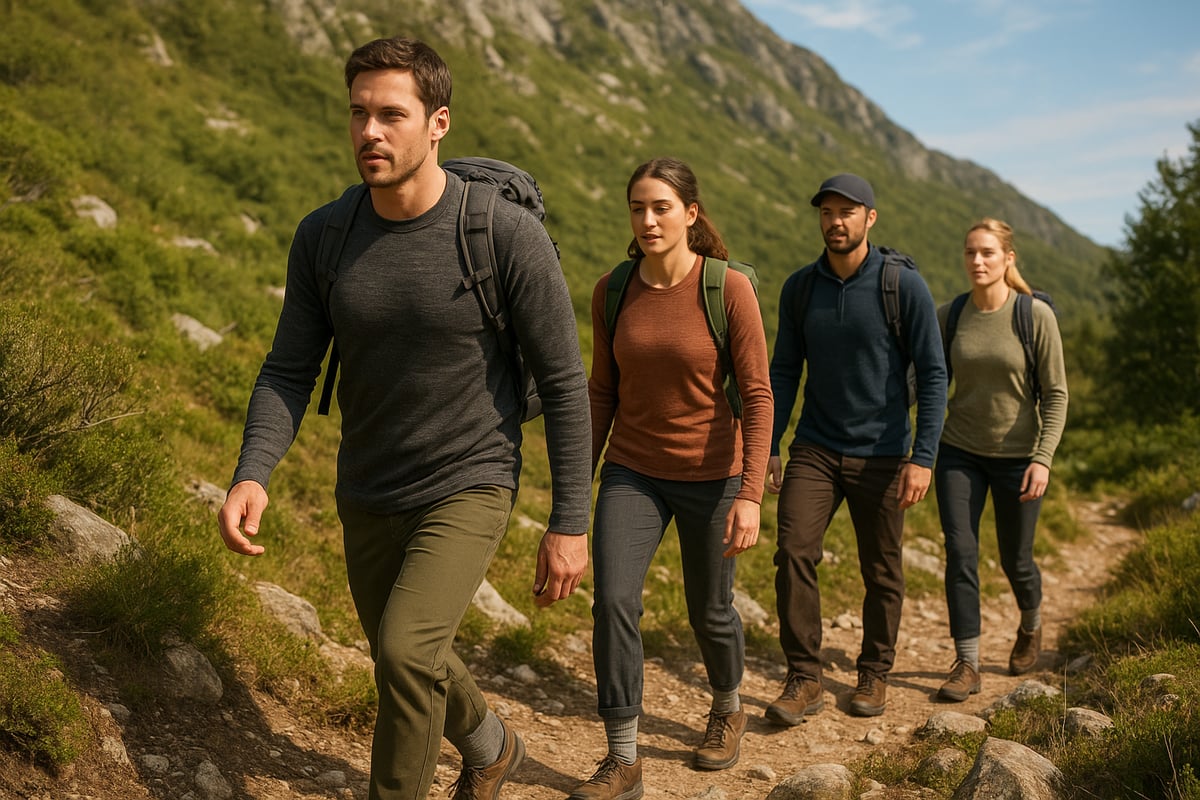
Merino wool is sourced from Merino sheep and is much finer and softer than traditional wool. This makes merino wool hiking clothes exceptionally comfortable against the skin, even for those with sensitivities. The fibre structure allows for outstanding breathability, drawing moisture away from your body and releasing it into the air, keeping you dry on the move.
One of the standout properties of Merino wool is thermoregulation. It keeps you cool in summer and warm in winter by naturally adjusting to your body's temperature needs. Scientific studies, such as Merino wool's superior thermoregulation, confirm these advantages, especially during dynamic activities like hiking. Lanolin, a natural component of Merino, offers antibacterial and odour-resistant qualities, making it ideal for multi-day treks. Lightweight yet insulating, Merino wool adapts to variable weather, allowing you to pack less and hike more comfortably.
Key Benefits Over Synthetic and Cotton Fabrics
When comparing merino wool hiking clothes to synthetic or cotton options, the advantages become clear. Merino wool retains warmth even when damp, unlike cotton, which loses insulation and takes much longer to dry. Synthetics may dry quickly but often lack the natural odour resistance and comfort of Merino.
Merino wool also stands out for its sustainability. It is a renewable and biodegradable resource, making it a responsible choice for eco-conscious hikers. Another practical benefit is the reduced need for frequent washing. Merino's natural properties keep odours at bay, saving both water and time on the trail. Here is a quick comparison:
| Feature | Merino Wool | Synthetic | Cotton |
|---|---|---|---|
| Warmth When Wet | Excellent | Moderate | Poor |
| Drying Time | Fast | Fast | Slow |
| Odour Resistance | High | Low | Low |
| Environmental Footprint | Low (biodegradable) | Moderate to high | High |
Comfort and Performance on the Trail
Comfort is at the heart of every successful hike, and merino wool hiking clothes deliver on this front. The ultrafine fibres provide a soft, itch-free feel, making them suitable for even the most sensitive skin. This is especially important for base layers and socks, where friction can lead to chafing or blisters.
Merino wool's natural stretch and breathability help regulate your body temperature, whether you are tackling a steep ascent or resting at a summit. Hikers often report fewer hot spots and less sweat build-up when wearing Merino socks, which can mean the difference between a pleasant walk and an uncomfortable ordeal. The seamless construction of modern Merino garments further minimises the risk of irritation, keeping you focused on the trail ahead.
Data and Trends
The popularity of merino wool hiking clothes has surged in recent years. Industry data shows a growing market share for Merino in the outdoor apparel sector, with brands like Icebreaker offering extensive ranges. Both novice and experienced hikers are adopting Merino for its proven performance and environmental credentials.
Sustainability statistics reinforce Merino's appeal: it is a renewable resource, fully compostable at the end of its life, and requires less frequent washing compared to synthetics. As demand for eco-friendly gear increases, Merino wool stands out as a smart, future-proof choice for hikers who care about comfort and the planet.
Essential Merino Wool Hiking Clothing Layers
Choosing the right layering system is at the heart of enjoying the full benefits of merino wool hiking clothes. Each layer plays a unique role in comfort, performance, and protection on the trail. Understanding how to combine base, mid, and outer layers, along with the right accessories, ensures you stay comfortable whatever the weather throws your way.
Base Layers: The Foundation
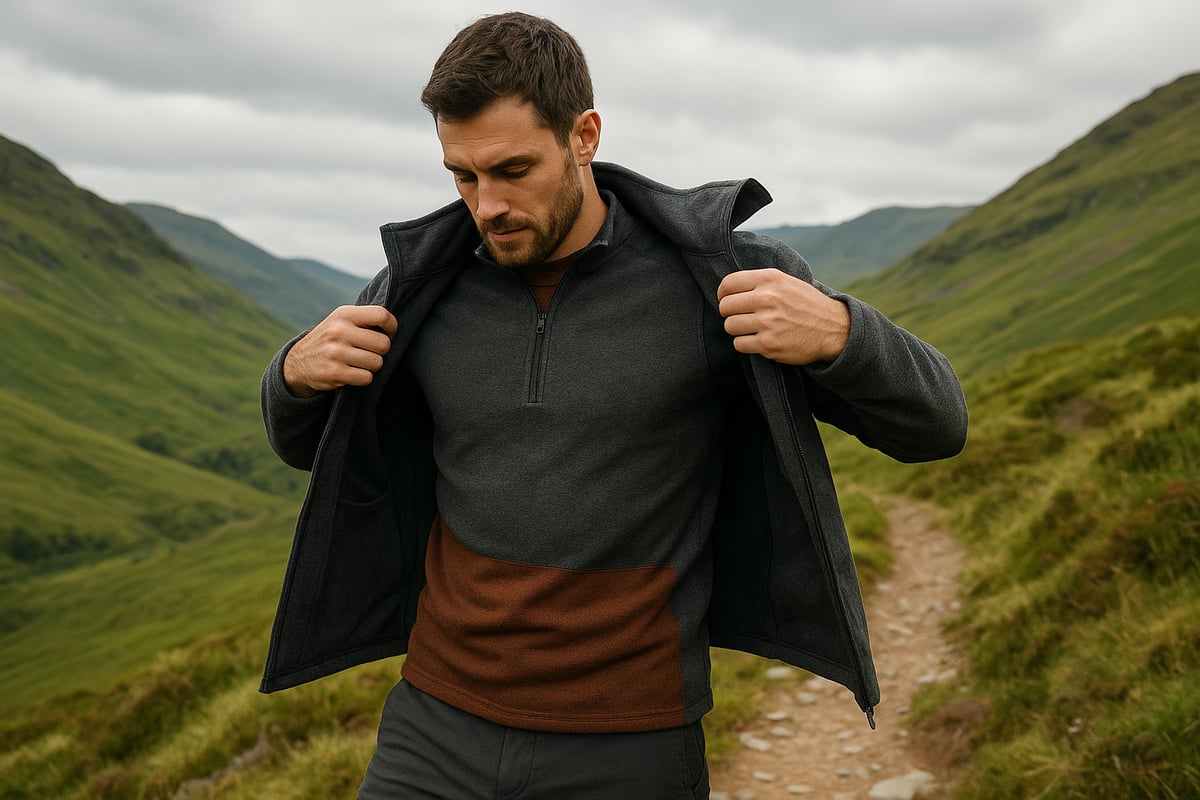
Base layers are the first line of defence in any layering system, and they are where merino wool hiking clothes truly shine. These garments sit directly against your skin, managing sweat and maintaining comfort over long distances.
Styles include short sleeve and long sleeve tops, leggings, and thermal underwear. Each offers varying degrees of coverage and warmth, allowing you to tailor your kit to the season. Weight is a crucial factor; lightweight (150-200gsm) is perfect for summer or high-output activities, while midweight (200-260gsm) and heavyweight (260+gsm) options offer extra insulation in colder months.
The 200gsm Oasis collection is a classic choice for year-round versatility, balancing breathability and warmth. Merino wool hiking clothes excel at moisture management, wicking sweat away while retaining warmth even when damp. This keeps you dry and comfortable, reducing the risk of chafing or blisters. Recent advances, such as Merino wool's dynamic breathability, ensure these base layers adapt to changing conditions, making them ideal for stop-start hiking in unpredictable weather.
Mid Layers: Insulation and Versatility
Mid layers provide essential insulation, trapping heat close to your body without sacrificing breathability. Merino jumpers, hoodies, and zip-tops are popular choices, each offering a balance of warmth and ventilation.
Blended fabrics, such as Corespun (Merino wrapped around a nylon core) or RealFleece, enhance durability and thermal efficiency. These innovations mean your merino wool hiking clothes can withstand the rigours of the trail while retaining their signature softness.
Effective layering strategies involve adding or removing mid layers as conditions change. For instance, a lightweight jumper may be enough for a brisk spring morning, while a RealFleece mid layer delivers extra warmth during deep winter hikes. The adaptability of merino wool hiking clothes means you can fine-tune your comfort throughout your journey, ensuring you never overheat or feel chilled.
Outer Layers: Weather Protection
Outer layers shield you from wind, rain, and cold. Merino blend jackets and vests offer natural wind resistance and water repellency, making them a strong choice for moderate conditions. For harsher weather, hybrid jackets combine merino wool with technical fabrics, such as ShellPlus, to enhance weatherproof capabilities.
When deciding between merino wool hiking clothes and synthetic shells, consider the following:
| Feature | Merino Outer Layer | Synthetic Shell |
|---|---|---|
| Breathability | Excellent | Moderate to good |
| Water Resistance | Water repellent | Waterproof |
| Comfort | Soft, natural feel | Sometimes stiff |
| Weight | Lightweight | Varies |
| Sustainability | Biodegradable | Often not |
Choose merino outerwear for breathability and comfort during cool, dry hikes. Opt for synthetic shells when facing prolonged, heavy rain. The latest merino wool hiking clothes merge the best of both, offering protection without compromising on comfort.
Accessories: Complete Your Kit
No kit is complete without the right accessories. Merino socks are a game-changer, providing cushioning, breathability, and excellent blister prevention. Their natural odour resistance means you can wear them for multiple days, reducing pack weight on long treks.
Other essential accessories include:
- Hats: Lightweight beanies or sun hats protect from heat loss or sunburn.
- Gloves: Keep hands warm without sacrificing dexterity.
- Neck gaiters: Versatile for sun, wind, or cold protection.
- Underwear and bras: Soft, supportive, and moisture-wicking for all-day comfort.
High quality merino wool hiking clothes accessories ensure every part of your body benefits from the fibre’s unique properties, making your hiking experience more enjoyable and less prone to common discomforts.
Seasonal Layering Examples
Building your layering system around merino wool hiking clothes allows for year-round adaptability. Here are two practical examples:
Summer Setup:
- Lightweight base layer top
- Merino hiking shorts or leggings
- Sun-protective hat
- Thin merino socks
Winter Setup:
- Heavyweight merino base layer
- Insulated merino mid layer
- Hybrid merino outer jacket
- Thick merino socks, gloves, and beanie
Adjust your layers according to temperature, activity level, and forecast. The flexibility of merino wool hiking clothes ensures you are always prepared for changing conditions, whether you are out for a quick walk or a multi-day adventure.
Latest Innovations in Merino Wool Hiking Gear (2026 Edition)
The world of merino wool hiking clothes is evolving rapidly in 2026, bringing hikers more comfort, performance, and sustainability than ever before. New technologies and thoughtful design are shaping the way adventurers dress for the trail, offering solutions to classic outdoor challenges. Let us explore the most exciting advancements in merino wool hiking clothes, helping you stay ahead of the curve for your next adventure.
Advanced Fabric Technologies
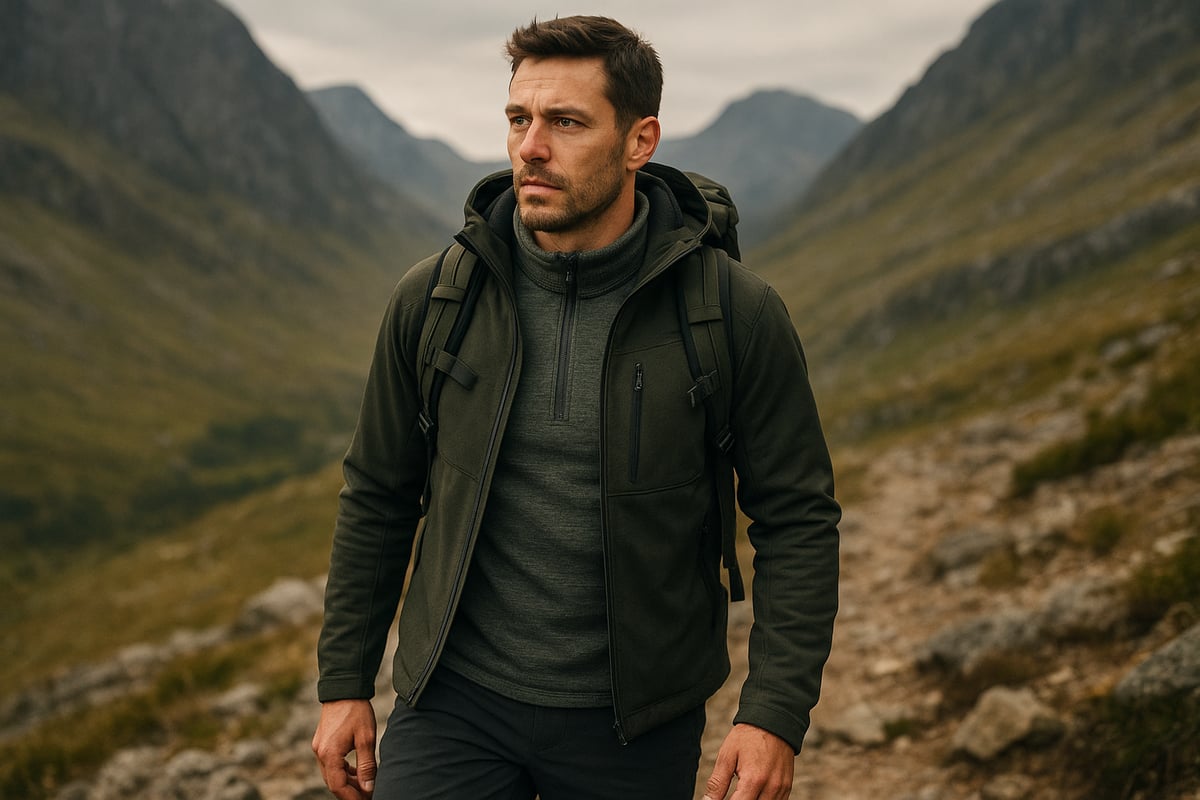
Recent breakthroughs in fabric science are transforming merino wool hiking clothes. Brands are investing in fibres like Cool-Lite™ and ZoneKnit™, which blend merino with performance yarns to optimise breathability and moisture control. These fabrics help regulate temperature during intense activity and rapid weather shifts.
Corespun technology wraps merino fibres around a strong nylon core, enhancing durability without sacrificing softness. RealFleece™ offers the warmth of traditional fleece, yet remains lightweight and highly breathable. These advances ensure your merino wool hiking clothes perform across seasons and terrains.
Research continues to support these innovations. For example, a four-year study confirmed merino wool's thermoregulation advantages for athletes, giving hikers confidence in their gear’s ability to handle dynamic outdoor conditions.
Sustainability and Ethical Sourcing
Sustainability is at the forefront of merino wool hiking clothes development in 2026. Leading brands now offer full transparency in wool sourcing, prioritising animal welfare and responsible land management. Many products carry certifications such as ZQ Merino and OEKO-TEX, ensuring ethical production from farm to finished garment.
The environmental impact of merino wool hiking clothes is also being reduced through innovations that limit microplastic pollution. Unlike synthetic gear, merino garments are naturally biodegradable and compostable at the end of their life cycle. Hikers can now choose gear that aligns with their values, knowing their purchase supports both environmental and social responsibility.
Fit, Design, and Gender-Specific Options
Fit and comfort are key to performance, and merino wool hiking clothes in 2026 offer more options than ever. You'll find slim, regular, and relaxed fits to suit every hiking style, from fast-and-light treks to extended expeditions. Advanced tailoring ensures garments move with your body, reducing restriction and enhancing comfort.
Manufacturers have expanded gender-specific designs, offering better fit and support for both men and women. There is also a noticeable increase in unisex and inclusive sizing, making merino wool hiking clothes accessible to a wider range of body types. This focus on fit and design means every hiker can find the right gear for their unique needs.
Smart Features and Multifunctionality
Merino wool hiking clothes now come packed with smart features to meet the demands of modern adventurers. Seamless construction minimises friction, helping to prevent chafing on long hikes. Many garments integrate UV protection and quick-dry finishes, allowing you to stay comfortable in changing weather.
Packability is another highlight, with new designs that compress easily into a rucksack without losing shape or function. Versatile touches, such as zippered pockets and adjustable hoods, make merino wool hiking clothes ideal for both day hikes and multi-day treks. These features combine to deliver convenience and adaptability on the trail.
Notable 2026 Product Launches
The year 2026 has seen several exciting product launches in the world of merino wool hiking clothes. Brands are releasing 100% merino technical tees, hybrid jackets combining natural and technical fibres, and ultralight mid layers that balance insulation with breathability. These new collections are designed to meet the needs of both novice and seasoned hikers.
Data from leading outdoor companies shows a significant increase in merino-blend innovations. Hikers now benefit from a broader selection of merino wool hiking clothes, tailored for specific climates and activities. With ongoing advancements in fabric, fit, and sustainability, merino wool hiking clothes are set to remain at the cutting edge of outdoor performance.
How to Choose the Right Merino Wool Hiking Clothes
Selecting the right merino wool hiking clothes is a crucial step toward enjoying safer, more comfortable walks in any environment. With so many options on the market in 2026, making informed decisions ensures that your investment enhances both performance and enjoyment.
Assessing Your Hiking Needs
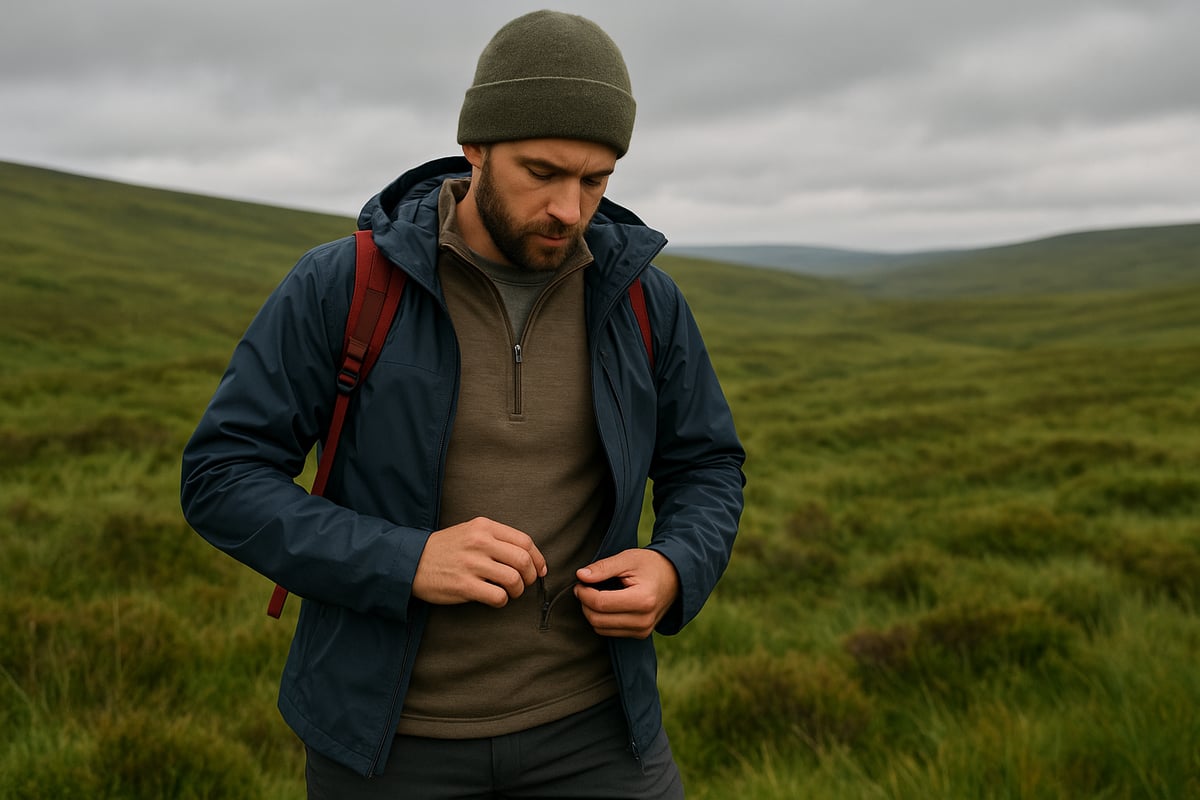
Before purchasing merino wool hiking clothes, evaluate your specific adventure requirements. Consider the climate and season you will encounter. For summer trails, lightweight layers offer breathability, while winter hikes demand heavier, insulating options.
The duration and intensity of your hikes also impact your choices. Multi-day treks benefit from odour-resistant properties, reducing the need for frequent washing. Personal preferences, such as a preference for a snug or relaxed fit, influence comfort and layering flexibility.
Think about the environments you plan to hike in. Will you face fluctuating temperatures, wet weather, or high altitudes? Matching garment weights and styles to these conditions ensures you optimise the advantages of merino wool hiking clothes.
Evaluating Quality and Performance
Quality is paramount when selecting merino wool hiking clothes. Pay attention to the fibre diameter, measured in microns. Finer fibres (like 17-19 microns) deliver greater softness and comfort, while slightly thicker fibres can enhance durability for outer layers.
Inspect construction details. Look for flatlock seams to prevent chafing, gussets for improved mobility, and reinforced areas for extra durability. Trustworthy brands often provide clear information about their sourcing and warranties, reflecting commitment to both quality and ethical production.
Comparing product labels and reviews helps you distinguish between premium and budget options. Remember, well-made merino wool hiking clothes will maintain their shape, performance, and comfort over time.
Sizing, Fit, and Layering Compatibility
Proper fit is essential for maximising the benefits of merino wool hiking clothes. Begin by measuring your body and consulting brand-specific size guides, as sizing can differ significantly between manufacturers.
Layering is a core strategy for outdoor comfort. Ensure your base, mid, and outer layers fit together without creating bulk or restricting movement. A slim base, regular mid layer, and slightly roomier outer shell often work well in combination.
Trying garments on, if possible, helps you assess whether the pieces move well together and allow for freedom of motion. Prioritise flexibility and comfort to make the most of your merino wool hiking clothes on every trek.
Budget Considerations and Value
Merino wool hiking clothes span a wide price range. Base layers tend to be more affordable, while technical mid and outer layers can be a significant investment. Assess cost-per-wear by considering the long lifespan and versatility of quality merino garments.
Premium options are often worth the expense for frequent hikers or those tackling extreme conditions. However, there are opportunities to save by choosing essential pieces first, then gradually building your kit.
To explore more about layering choices for colder months, see these Winter Outdoor Clothing Picks 2026 for insight into effective gear combinations.
Real-World Examples
Experienced hikers often share how merino wool hiking clothes have transformed their outdoor experience. For example, on a multi-day trek across the Lake District, one hiker reported packing just two base layers and a single jumper, relying on merino’s natural odour resistance and quick-drying abilities.
User reviews frequently highlight the comfort, reduced chafing, and consistent warmth merino offers compared to synthetic alternatives. Many appreciate the flexibility to adapt their layering system as conditions change.
Ultimately, real-world feedback underscores that merino wool hiking clothes offer tangible benefits, especially for those who value comfort, sustainability, and performance on the trail.
Caring for and Maximising the Life of Merino Wool Hiking Clothes
Proper care is essential for getting the most from your merino wool hiking clothes. With the right techniques, you can extend the lifespan of your gear, preserve its performance benefits, and minimise your environmental footprint. Let us explore the best ways to clean, store, and protect your merino wool essentials.
Washing and Drying Best Practices
To keep your merino wool hiking clothes in top condition, always follow the care label instructions. Use cool or lukewarm water, and select a gentle wool-specific detergent. Avoid fabric softeners and bleach, as these can damage the fibres and reduce performance. For best results, wash similar colours together.
After washing, lay garments flat to dry or hang them in a well-ventilated area out of direct sunlight. Tumble drying is possible for some items, but air drying is generally preferred to prevent shrinkage and maintain shape. For more detailed advice, see these Care Tips for Outdoor Gear.
Storage and Maintenance Tips
When storing merino wool hiking clothes, fold items neatly rather than hanging them. This helps prevent stretching and maintains their fit. During long-term storage, use airtight containers or garment bags to protect against moths and moisture. Including cedar balls or lavender sachets can further deter pests.
If you notice small holes or snags, repair them promptly using a needle and matching thread. Some brands offer repair services, so check if your gear is eligible for professional mending. Regular maintenance ensures your merino wool hiking clothes are always ready for the next adventure.
Longevity and Performance Preservation
Caring for merino wool hiking clothes properly will help preserve their natural odour resistance and softness. Thanks to the antibacterial properties of the fibre, you can wear them several times before washing, which prevents unnecessary wear. Experienced hikers often recommend turning garments inside out before washing to minimise pilling.
Washing less frequently and handling garments gently extends their lifespan. Following these simple routines keeps your merino wool hiking clothes performing at their best, providing comfort and reliability for every hike.
Environmental Impact of Proper Care
Looking after your merino wool hiking clothes is not just about personal benefit, it also supports sustainability. Washing less often saves water and energy, while air drying reduces electricity use. Merino wool is naturally biodegradable, so when your gear reaches the end of its life, it can be composted under the right conditions.
By following these practices, you help lower your environmental impact and support a more eco-friendly hiking wardrobe. Proper care ensures that the benefits of merino wool hiking clothes extend well beyond the trail.
Frequently Asked Questions About Merino Wool Hiking Clothes
Choosing merino wool hiking clothes raises many practical questions, especially with so many options available in 2026. Here, we answer the most common queries to help you make confident, informed decisions for your next adventure.
Is Merino Wool Itchy or Uncomfortable?
Modern merino wool hiking clothes are designed for comfort. Unlike traditional wool, merino fibres are much finer, typically measuring 18–21 microns. This ultra-fine structure means they bend easily against the skin, preventing the scratchiness often associated with coarser wools.
Advanced processing techniques further soften merino fibres, making them suitable even for those with sensitive skin. Many hikers find merino wool hiking clothes to be softer than cotton or synthetic alternatives, especially for base layers worn directly on the skin.
If you have had a bad experience with regular wool, you can expect a completely different feel with merino. The key is to check the micron count and look for reputable outdoor brands that focus on high-quality merino garments.
How Does Merino Wool Handle Wet Conditions?
One of the standout features of merino wool hiking clothes is their performance when wet. Merino fibres can absorb up to 30% of their weight in moisture without feeling damp, which helps keep you warm and comfortable even in rainy or humid environments.
Unlike cotton, which loses insulation when soaked, merino retains heat. It also dries faster than many synthetics. Hikers in the UK often report that merino wool hiking clothes are their go-to choice for unpredictable weather.
For deeper insights into merino's ability to regulate body temperature and manage moisture during activity, see this research on merino wool's performance in sports.
Is Merino Wool Durable Enough for Rugged Hiking?
Durability is a common concern, but merino wool hiking clothes have evolved. Many brands now use reinforced weaves, such as Corespun or blended fabrics, which wrap merino fibres around a strong core like nylon. This improves resistance to abrasion without sacrificing softness.
High-wear areas, such as elbows, knees, and heels, often feature extra reinforcement. With proper care, merino wool hiking clothes can last through many seasons, making them a solid investment for regular hikers.
If you need even more durability, choose garments labelled as midweight or heavyweight, or look for products specifically designed for trekking and backpacking.
What’s the Best Way to Layer Merino Wool for Hiking?
Effective layering is essential for comfort and performance. Start with a merino base layer to manage moisture and regulate temperature. Add a mid layer, such as a jumper or hoodie, for insulation, and finish with a weather-resistant outer layer if needed.
A typical layering system might look like this:
| Season | Base Layer | Mid Layer | Outer Layer |
|---|---|---|---|
| Summer | Lightweight | None | Light jacket/hat |
| Winter | Heavyweight | Insulated | Waterproof shell |
Always ensure your merino wool hiking clothes fit comfortably when worn together. Adjust layers based on weather, activity level, and personal preference.
How Sustainable is Merino Wool Clothing?
Sustainability is a major benefit of merino wool hiking clothes. Merino is a renewable resource, and the fibres are fully biodegradable. Responsible farming practices also help maintain soil health and animal welfare.
Compared to synthetic fabrics, merino produces less microplastic pollution and often requires less frequent washing, saving water and energy. For a deeper look at eco-friendly choices, explore this Sustainable Outdoor Gear Guide.
When shopping, look for certifications that indicate ethical and sustainable production, such as ZQ Merino or Responsible Wool Standard.
Are There Any Downsides to Merino Wool?
While merino wool hiking clothes offer many advantages, there are a few drawbacks to consider:
- Higher upfront cost compared to synthetic or cotton alternatives.
- Requires gentle washing and air drying to maintain performance.
- Susceptible to moth damage if stored improperly.
In some cases, synthetic layers may be preferable for extremely wet conditions or if budget is a primary concern. However, most hikers find the benefits of merino outweigh these potential downsides.
How Does Merino Compare to Other Natural Fibres?
When comparing merino wool hiking clothes to other natural fibres, several key differences emerge:
| Feature | Merino Wool | Cotton | Bamboo |
|---|---|---|---|
| Warmth when wet | Excellent | Poor | Fair |
| Odour resistance | High | Low | Moderate |
| Drying speed | Fast | Slow | Fast |
| Biodegradability | Yes | Yes | Yes |
Merino wool hiking clothes offer superior temperature regulation and odour resistance compared to cotton and bamboo. Cotton is comfortable but not practical for performance, while bamboo is soft but less insulating.
Where to Buy Merino Wool Hiking Clothes in the UK (2026)?
In the UK, merino wool hiking clothes are widely available at major outdoor retailers, both in-store and online. Look for trusted names with clear return policies and size guides.
When shopping online, always verify authenticity and look for reviews from recent buyers. Many UK-based brands now offer extensive merino collections, with seasonal sales and bundle deals.
Check for warranty coverage and aftercare services to get the most from your investment. With the growing popularity of merino wool hiking clothes, you will find more options than ever in 2026.