

Tent Hot Guide: Stay Warm and Cosy Camping in 2025
RankPill on 17th Nov 2025
Imagine arriving at your campsite, snowflakes drifting past the glow of lanterns, and a gentle warmth radiating from your tent hot setup. For many, winter camping once meant restless nights, shivering in sleeping bags and longing for morning.
Now, the tent hot approach transforms cold-weather camping into a comfortable, inviting adventure. This guide will reveal how modern techniques and gear for 2025 can help you stay warm, safe, and snug, no matter the temperature outside.
You will discover the evolution of hot tent camping, must-have equipment, safe heating solutions, and expert tips for true comfort. Ready to make your next winter trip unforgettable? Follow this guide for your cosiest camping experience yet.
The Evolution of Hot Tent Camping: Why Warmth Matters in 2025
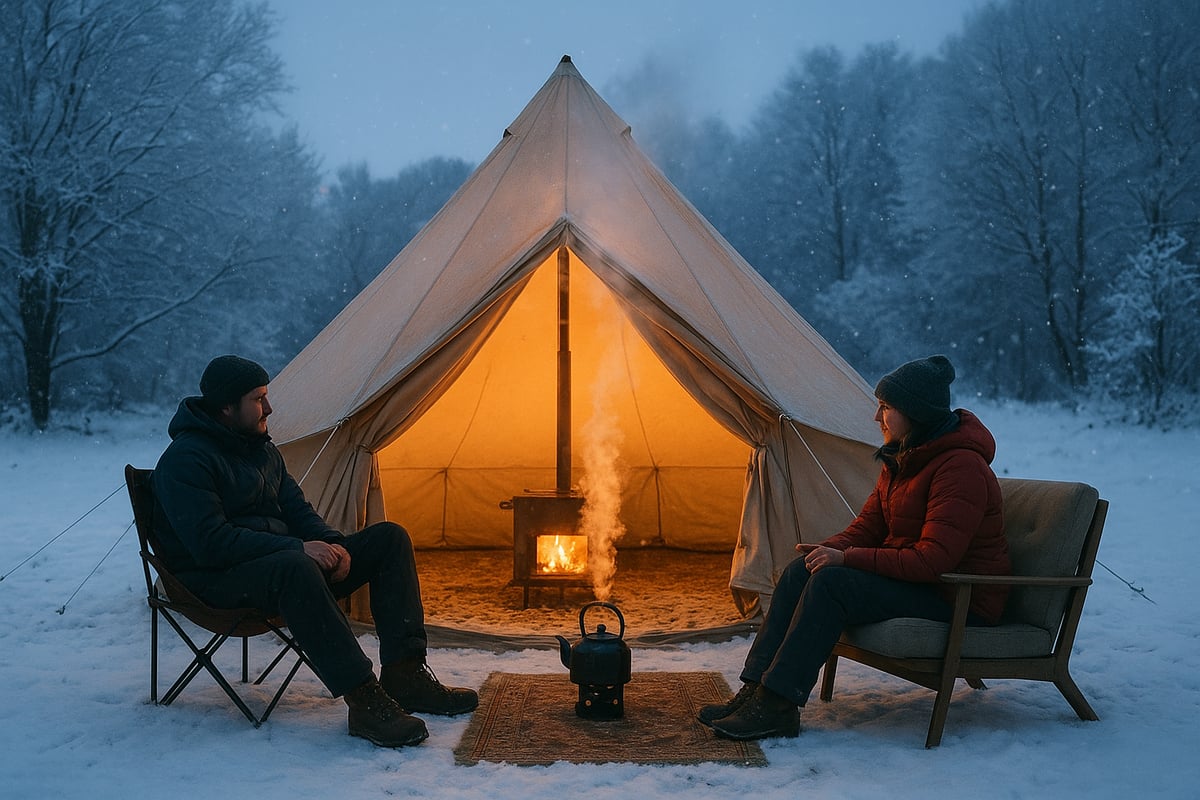
Imagine stepping into your tent hot setup after a day in the frosty outdoors, the air inside glowing with warmth and filled with the gentle crackle of a stove. This transformation in winter camping comfort is no accident. It’s the result of an evolving approach to outdoor living that prioritises warmth, safety, and genuine enjoyment for everyone, from solo adventurers to families.
The Changing Face of Camping: From Minimalism to Comfort
Traditional winter camping often meant braving the elements in lightweight shelters, sacrificing comfort for mobility. Over recent years, however, expectations have shifted. Campers now seek a tent hot experience that blends adventure with the comforts of home.
This change is inspired by Scandinavian and nomadic designs, where tents have long been equipped with stoves and thick fabrics for insulation. In the UK, the influence of bothy culture and the growing popularity of glamping have encouraged more people to embrace warmth and luxury outdoors. According to UK tent market growth projections, winter camping participation and hot tent sales have risen sharply, with canvas tent sales seeing particular growth.
Environmental changes, such as longer, colder seasons and unpredictable weather, further drive the need for reliable shelter. Modern tent hot setups are designed not only for warmth but also for safety and versatility, making them suitable for families and older campers who might have avoided winter camping in the past.
A powerful example comes from camper John Burns, who recalls moving from shivering nights in basic shelters to the “revelation” of a tent hot environment—where he could dry clothes, relax in slippers, and truly enjoy the outdoors regardless of the weather.
The Psychology and Physiology of Staying Warm
The benefits of a tent hot system go beyond simple comfort. Physically, maintaining warmth is essential for preventing hypothermia, ensuring restful sleep, and aiding recovery after long days outside. A warm tent interior allows campers to wake up refreshed and ready for new challenges.
Psychologically, the difference is profound. There’s a unique sense of luxury in slipping off wet boots and relaxing in a carpeted, heated space—even in the wild. This comfort boosts morale and transforms winter camping from an ordeal into a pleasure.
Hot tents also serve as communal spaces, bringing groups and families together. Sharing stories around a stove, cooking meals, and drying gear become central experiences. As competitors have noted, “heavy and slow” setups may take effort to transport, but they open up new locations and freedoms. The tent hot approach makes winter camping more inclusive and enjoyable for everyone.
Choosing the Right Hot Tent: Types, Materials, and Features
Selecting the right tent hot setup is the foundation of a warm and enjoyable winter camping experience. The right choice can mean the difference between braving the elements and truly embracing the comfort of the outdoors. As the landscape of cold-weather camping evolves, understanding the latest materials, designs, and must-have features ensures you stay ahead for 2025.
Canvas vs. Synthetic: Which Material Keeps You Warmer?
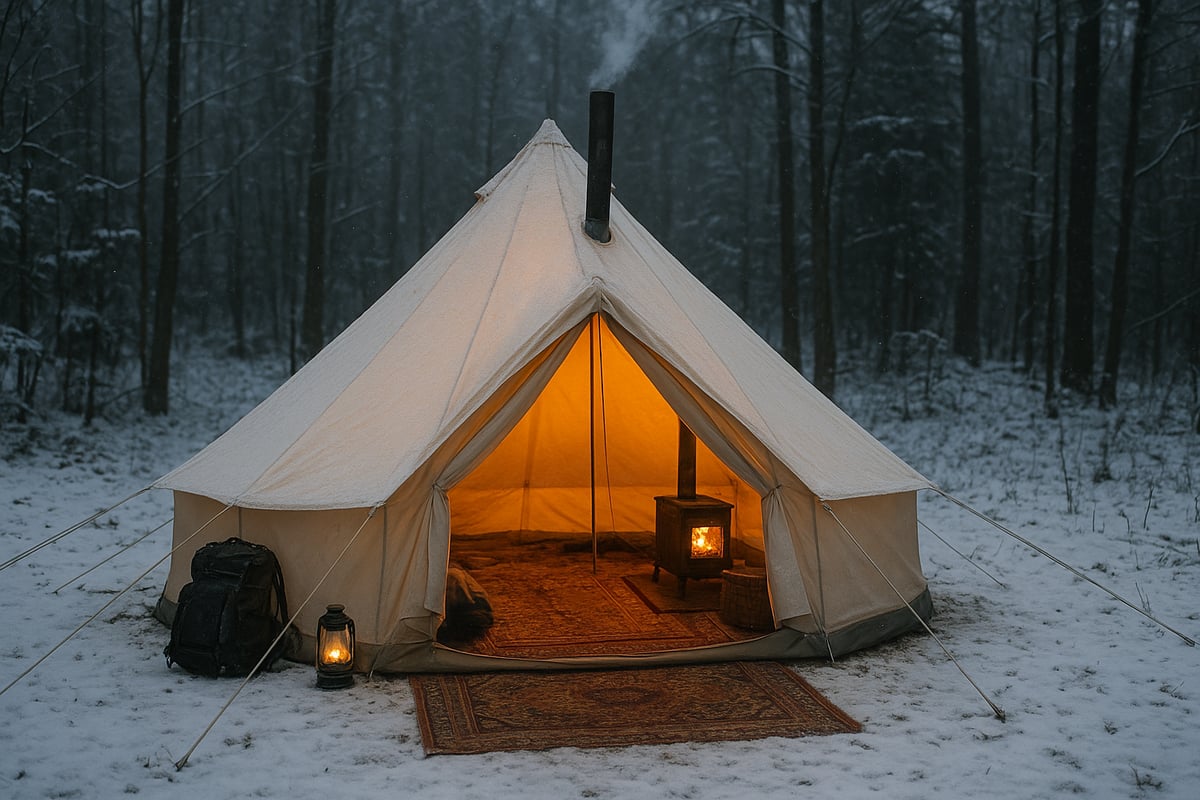
When choosing a tent hot for cold-weather camping, the material is crucial. Canvas, polycotton, and modern synthetics each offer distinct advantages. Canvas stands out for its superior insulation, breathability, and ability to manage moisture. This means a canvas tent hot retains heat more efficiently and reduces condensation, making nights noticeably more comfortable.
To help you compare, here’s a summary:
| Material | Insulation | Breathability | Weight | Durability | Cost |
|---|---|---|---|---|---|
| Canvas | Excellent | High | Heavy | Long-term | Higher |
| Polycotton | Very Good | Good | Medium | Good | Medium |
| Synthetic | Moderate | Low | Light | Varies | Lower |
While canvas tents can weigh upwards of 16kg, their long lifespan and ability to dry clothes inside make them a favourite for serious winter campers. Synthetic options, though more portable, often struggle with condensation and less effective heat retention.
If you’re curious about the full range of tent hot materials and how they impact your comfort, take a look at Choosing the Right Shelter for more detailed insights.
Bell Tents, Tipis, and Modern Hot Tents: What’s Best for You?
Shape and design matter just as much as material when selecting your tent hot. Bell tents, with their classic circular footprint and central pole, offer ample space and are ideal for accommodating a stove safely. Their traditional design makes them a popular choice for families or groups seeking comfort.
Tipis, inspired by Scandinavian and nomadic traditions, provide excellent ventilation and are especially effective for group camping. Their conical shape helps with heat distribution, making them a reliable tent hot option for communal gatherings.
Modern dome and tunnel tents have evolved to include stove compatibility, lighter frames, and clever layouts. Key features to look for include stove jacks, robust ventilation, and a groundsheet that can be partially removed for safe stove use. Always consider the size of your group and intended heating solution, as a tent hot that is too large or too small can impact warmth and comfort.
Essential Features for 2025: Innovations and Must-Haves
In 2025, the best tent hot setups are defined by innovation and attention to safety. Stove compatibility remains essential, with fireproof mats and dedicated flue exits now standard. Modular designs allow campers to adapt to changing needs, with options for awnings, inner tents, and extensions that increase versatility.
Integrated insulation, such as thermal liners and fitted carpets, help maintain heat and reduce damp. Accessibility is key, so look for tents that are straightforward to pitch, transport, and adapt for varied terrains. Many campers report that upgrading from a basic shelter to a feature-rich tent hot transformed their winter camping, offering a true “home away from home” experience.
Prioritising these features ensures your tent hot experience is not just warm, but safe and enjoyable for every member of your group.
Heating Solutions: Stoves, Fuels, and Safe Setup
A reliable heating system is the heart of any tent hot adventure. Selecting the right stove, fuel, and safety setup will transform your cold-weather camping into a warm, comfortable retreat. Let’s explore the key options and essential steps for a safe and enjoyable experience.
Types of Tent Heaters: Wood-Burning Stoves, Gas, and Alternatives
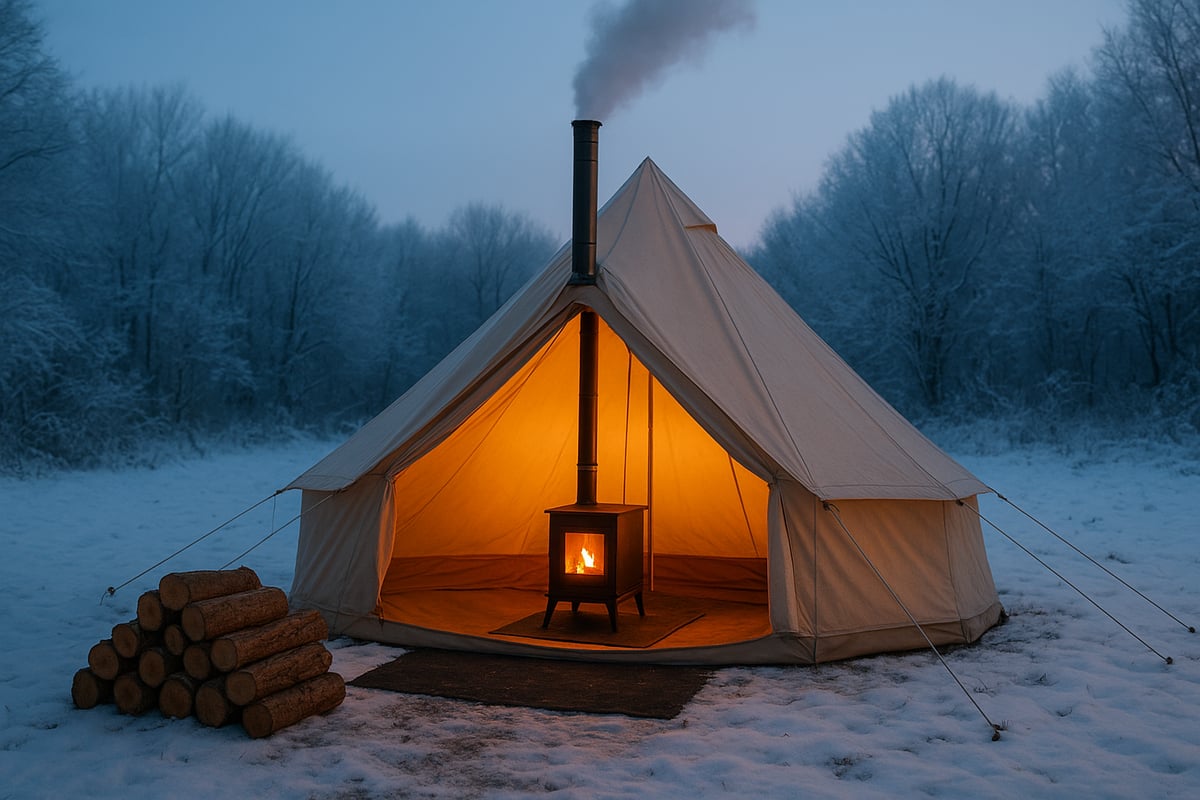
Choosing the right heater is the first step for any tent hot setup. Wood-burning stoves remain the top choice for serious campers. These stoves are available in stainless steel, titanium, and cold-rolled steel, offering a balance between durability and portability. Notable models like the Winnerwell Nomad, Woodlander, and CTS Bell Tent Stove feature glass windows for flame viewing, precise air control, and foldable legs for easy transport.
Let’s compare the main options:
| Heater Type | Pros | Cons | Example Models |
|---|---|---|---|
| Wood-burning stove | High heat, dries gear, authentic feel | Heavier, requires fuel management | Winnerwell Nomad |
| Gas heater | Lightweight, quick setup | Limited for enclosed use, condensation | Mr Heater Buddy |
| Electric heater | Clean, no smoke | Needs power supply, limited outdoors | EcoHeat Portable |
Gas and electric heaters can supplement warmth, but they often fall short for true tent hot camping, especially in remote UK locations. Wood-burning stoves, when paired with a compatible tent hot, allow for cooking, drying clothes, and maintaining a steady heat. Always match your stove to the tent hot model for best performance and safety.
Step-by-Step: Installing and Using a Tent Stove Safely
Setting up a tent hot stove system demands careful attention. Here’s a step-by-step guide:
- Select a stove-compatible tent hot with a built-in flue exit.
- Prepare a level campsite, clear of debris and overhanging branches.
- Place a fireproof mat and heat shields under and around the stove.
- Install the stove, ensuring the flue and spark arrestor are secure.
- Check all ventilation points for adequate airflow and fit a carbon monoxide detector.
- Light the stove using dry kindling, then gradually add fuel.
- Monitor the inside temperature and airflow to avoid overheating.
Safety is paramount with any tent hot heating system. Never leave a burning stove unattended and always follow the manufacturer’s instructions. According to Camping safety guidelines, proper stove placement and regular maintenance are essential to prevent fire and carbon monoxide risks. Real-life incidents, such as tent hot fires caused by improper setup, serve as reminders to prioritise safety at every stage.
Choosing and Managing Fuels for Maximum Warmth
Fuel choice greatly impacts the success of your tent hot experience. Hardwood logs provide long-lasting, consistent heat, while softwoods ignite quickly but burn faster. Manufactured logs offer convenience and steady warmth, making them popular for tent hot setups.
Key fuel management tips:
- Store wood off the ground to prevent dampness.
- Use dry kindling for easy ignition.
- Rotate fuel inside the tent hot to maintain airflow and efficient burning.
- Burn only seasoned, sustainable wood to reduce smoke and environmental impact.
Efficient fuel use means less time tending the fire and more time enjoying the tent hot comfort. Many campers also use stove heat to dry wet clothes and boots, maximising the benefits of a well-chosen fuel supply. Always plan your fuel needs in advance for uninterrupted warmth.
Stove Accessories and Upgrades for 2025
Enhancing your tent hot setup with the right accessories can make a significant difference. Fireproof mats, water tanks, and oven attachments increase both safety and functionality. Flue extensions help direct smoke away from the tent hot, while cleaning tools ensure your stove operates efficiently.
For 2025, smart temperature monitors and portable carbon monoxide detectors are must-haves for any tent hot system. Leading brands now offer accessory bundles tailored to popular tent hot models, simplifying the upgrade process.
Regular maintenance and thoughtful upgrades guarantee your tent hot remains both safe and comfortable throughout the season. Investing in these extras not only protects your gear but also elevates your winter camping experience.
Creating a Cosy Tent Interior: Insulation, Layout, and Comfort Hacks
Transforming your tent hot setup into a warm and inviting retreat begins with thoughtful interior planning. The right combination of insulation, layout, and comfort-focused details can make all the difference on chilly nights. Whether you are a seasoned winter camper or new to tent hot adventures, these practical hacks ensure you stay snug and comfortable, no matter the weather outside.
Floor and Wall Insulation: Rugs, Carpets, and Thermal Liners
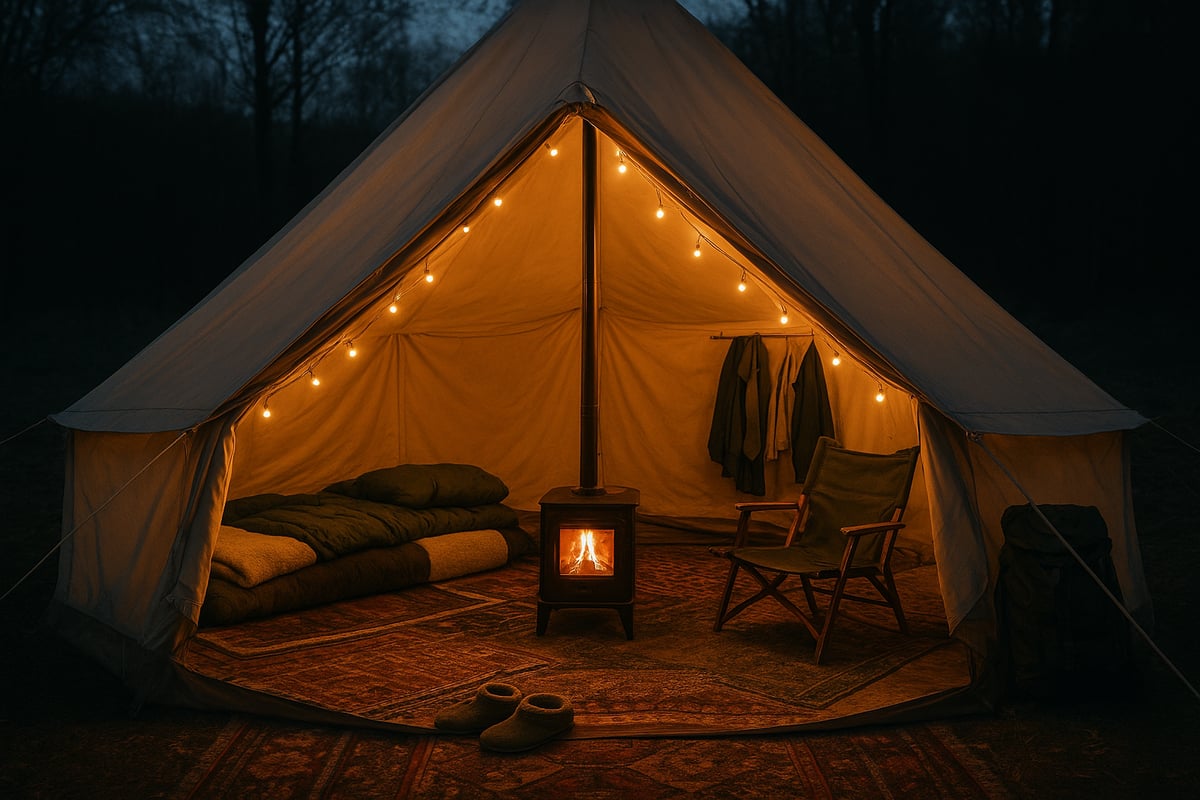
A well-insulated floor is the foundation of any tent hot interior. Cold, damp ground quickly saps warmth, so layering up is essential. Start with a waterproof groundsheet as your base. Add a fitted carpet or thick foam mat for comfort and to trap heat. Many campers opt for reflective thermal liners beneath rugs, which bounce warmth back into the space.
Wall insulation is equally important in a tent hot environment, especially during frosty nights. Inner tents and bespoke thermal liners help reduce condensation and create an extra barrier against the cold. For example, some campers use carpet offcuts and slippers to achieve a home-like feel, turning their tent hot escape into a true sanctuary.
- Waterproof groundsheet
- Fitted carpet or thick foam mat
- Reflective thermal liners
- Inner tent or wall liner
Investing in quality insulation pays off with every warm, dry morning inside your tent hot setup.
Sleeping Arrangements: Bags, Blankets, and Layering
A restful night inside your tent hot retreat depends on your sleeping system. High-performance sleeping bags rated for winter conditions are a must. Pair these with wool or synthetic blankets for effective layering. Wool, in particular, offers superior warmth and breathability. For more on why wool blankets excel at keeping campers warm, see Benefits of Wool Blankets for Camping.
Choosing the right sleeping pad is crucial. Look for a high R-value for insulation from the ground. Layering a foam mat beneath your bag adds another buffer against the cold. Many campers find that, thanks to the tent hot stove, their sleeping bags stay dry and inviting, even after a damp day outdoors.
- Four-season sleeping bag
- Wool or synthetic blanket
- High R-value sleeping pad
- Extra liner for added warmth
This layered approach ensures your tent hot nights are restful, warm, and revitalising.
Lighting and Ambience: Creating a Homely Atmosphere
The ambience inside your tent hot setup can lift spirits and make winter camping genuinely enjoyable. Safe lighting is key. Choose LED lanterns or battery-powered fairy lights for soft, reliable illumination. Some campers add traditional brass paraffin lamps for a nostalgic glow, always observing strict safety protocols.
Creating a welcoming space is about more than just light. Consider adding small touches like armchairs, patterned rugs, or a favourite mug. These details transform your tent hot interior into a place where you can relax and unwind after a long day.
- LED lanterns for safety
- Battery-powered fairy lights
- Brass lamps (with care)
- Personal touches for comfort
A well-lit, thoughtfully decorated tent hot space becomes a home away from home in the wild.
Storage and Organisation for Warmth and Safety
Good organisation is vital in a tent hot environment, both for warmth and practicality. Keep gear off damp ground by using storage bins or hanging organisers. Dry wet clothes by suspending them near, but not too close to, the stove. This not only prevents clutter but also ensures your belongings stay dry and ready for use.
Store fuel and stove accessories safely, away from sleeping areas. Designate a specific spot for fireproof mats and emergency gear so everything is accessible when needed. By keeping your tent hot setup tidy, you reduce the risk of accidents and maintain a warm, efficient living space.
- Storage bins and hanging organisers
- Clothes drying area near stove
- Safe fuel and gear storage
- Clear walkways for safety
With a well-organised interior, your tent hot adventures will be safer, warmer, and more enjoyable.
Essential Gear Checklist: What to Pack for Hot Tent Camping
Packing the right equipment transforms your tent hot adventure from a chilly challenge into a warm, inviting escape. Whether you are a seasoned winter camper or just starting out, having the essentials on hand is key to maximising comfort and safety.
Below you will find a comprehensive checklist that covers both the must-have kit and optional extras for a truly memorable tent hot experience.
The Must-Have Kit for a Warm and Cosy Experience
A successful tent hot setup begins with a stove-compatible tent, preferably made from canvas or polycotton for superior insulation. Pair this with a reliable wood-burning stove fitted with a flue and spark arrestor to ensure safe and efficient heating.
Essential items to include:
- Fireproof mat and heat shields to protect the floor and walls
- Sleeping system: high R-value sleeping pad, four-season sleeping bag, and a wool blanket for layered warmth
- Insulation: fitted carpets, rugs, or thermal liners to prevent heat loss and damp
- Safe lighting: battery-powered lanterns and ambient lights to brighten the space
- Cooking essentials: stove-top kettle, pots, and utensils for hot meals and drinks
- Clothing: layered, moisture-wicking garments that are easy to dry inside the tent hot environment
- Safety kit: carbon monoxide detector, fire extinguisher, and a well-stocked first aid kit
Staying organised and packing with intention means you will be prepared for any weather. For more practical advice on keeping your tent hot and comfortable, see these Warming Up Your Winter Campsite tips.
Optional Extras for Added Comfort and Luxury
To elevate your tent hot camping experience, consider adding a few luxury touches that make your shelter feel like a true home away from home.
Popular optional extras:
- Folding armchair for relaxed evenings by the stove
- Slippers to keep your feet warm on insulated carpets
- Portable power bank or solar charger for keeping devices topped up
- Entertainment: books, games, or a portable music player for downtime
- Personal touches: cushions, throws, or even fairy lights for extra ambience
Many experienced campers recommend setting up a complete tent hot environment with these extras to ensure every night is as comfortable as possible. A well-planned interior can turn even the coldest nights into a delightful retreat, allowing you to focus on enjoyment rather than discomfort.
Expert Tips, Safety Advice, and Common Mistakes to Avoid
Camping with a tent hot setup can transform your winter experience, but expert knowledge is essential to maximise comfort and safety. By understanding key tips, following best practices, and learning from real-world lessons, you can enjoy a warm and inviting tent hot adventure every time.
Pro Tips for Staying Warm and Cosy All Night
Mastering the art of tent hot camping means embracing a few expert strategies. Always pre-warm your sleeping bag with a hot water bottle or by placing it near the stove before bedtime. This simple act can make slipping into your bag a pleasure rather than a shock.
Keep condensation under control by ventilating your tent hot setup, even on cold nights. A small vent or cracked door prevents damp without losing too much heat. Rotate damp clothes and gear near the stove, ensuring everything dries evenly and stays comfortable.
Monitor your tent temperature with a reliable thermometer. Plan your fuel usage carefully to maintain warmth throughout the night, avoiding the risk of running out before sunrise. For even more advice on winter preparation, see these Essential Winter Camping Tips.
Safety Essentials: Fire, Carbon Monoxide, and Tent Care
Safety is vital in any tent hot environment. Never use a stove in a tent not designed for it, and always follow manufacturer guidelines for installation and use. Place your stove on a fireproof mat and ensure the flue exits safely, away from tent fabric and gear.
Maintain clear exits in your tent hot setup, and keep combustibles well clear of the stove. A carbon monoxide detector is non-negotiable, offering peace of mind while you sleep. Regularly check and clean your stove and flue to prevent dangerous blockages.
Stay informed about fire safety by reviewing official guidance such as Fire safety in winter, which offers practical tips for using heating devices safely in cold weather camping.
Avoiding Common Pitfalls
Many campers make avoidable errors when setting up a tent hot camp. Overloading the stove with wet wood or inappropriate fuel leads to smoky fires and poor heat. Insufficient ventilation can result in condensation or, worse, carbon monoxide build-up.
Failing to dry gear thoroughly invites damp and discomfort. Underestimating the weight and bulk of your tent hot setup can make transport tricky, especially on long walks to camp. Always check local rules around open fires and wood collection before your trip.
A simple table to remember common pitfalls:
| Mistake | Consequence | Solution |
|---|---|---|
| Wet fuel in stove | Smoke, poor heat | Use dry, seasoned wood |
| Poor ventilation | Damp, CO risk | Open vents, monitor air |
| Neglecting gear drying | Damp sleeping kit | Rotate near stove |
| Underestimating weight | Difficult transport | Plan logistics, use trolleys |
Real-World Lessons from Seasoned Campers
Experienced campers often say, "heavy and slow" means more comfort, but planning is key. Trial runs with your tent hot gear in the garden or a local site can reveal surprises before you commit to a big trip.
Stories from the UK camping community highlight both triumphs and mishaps. One camper recalls a cold, damp night transformed by a tent hot stove and thick rugs, finally understanding the value of preparation and patience. Another warns of the risks of neglecting regular stove cleaning, which once led to a blocked flue and a smoky tent.
These lessons show that a successful tent hot experience comes down to preparation, practice, and respect for the gear. Learn from others, adapt your approach, and your next winter adventure will be as snug as home.
Hot Tent Camping in the UK: Destinations, Regulations, and Community
Best Locations for Hot Tent Adventures in 2025
The UK offers a wealth of stunning landscapes perfect for tent hot camping. From the snow-dusted peaks of the Scottish Highlands to the tranquil lakes of Cumbria, there are options for every adventurer. The Lake District is renowned for its sheltered valleys and accessible campsites, offering scenic backdrops and reliable amenities. Wales, with its dramatic mountains and hidden woodlands, provides opportunities for wild tent hot experiences close to nature.
Private woodland sites and Nearly Wild Camping locations are also growing in popularity. These spots often offer more flexibility for using a tent hot setup, with fewer restrictions on stove use. Always check accessibility, as some sites are suitable for car camping while others may require a hike in. Weather is a critical factor, so choose locations with natural windbreaks and avoid exposed ridges for maximum comfort.
Understanding Regulations and Responsible Camping
Before you pitch your tent hot in the UK, it is essential to understand the legal landscape. Wild camping is largely restricted in England and Wales, except for some areas like Dartmoor and parts of Scotland where it is permitted with responsible behaviour. Most private and organised sites allow tent hot camping, but always confirm stove policies before booking.
Following Leave No Trace principles is crucial. This means minimising campfire impact, packing out all waste, and respecting wildlife. When using a tent hot setup, keep your stove well away from flammable materials and ensure proper ventilation at all times. Be mindful of local fire regulations, especially during dry conditions or in sensitive habitats. Responsible tent hot camping helps protect these unique landscapes for future generations.
Joining the Hot Tent Community
Connecting with the tent hot community can enhance your camping experience. There are active online forums and social media groups dedicated to sharing advice, trip reports, and gear recommendations. Local meetups and organised group trips offer a chance to learn practical skills and make new friends.
Books like “The Hot Tent Diaries” by John Burns provide inspiration and wisdom from seasoned UK campers. Engaging with others can help you discover new techniques for tent hot camping, troubleshoot challenges, and stay up to date on the latest gear. Whether you are a solo adventurer or camping with family, the community is a valuable resource for support and camaraderie.
The Future of Hot Tent Camping: Trends to Watch
The future of tent hot camping in the UK is bright, with innovation driving greater comfort and accessibility. Advancements in tent design, such as improved insulation and lighter materials, are making it easier for more people to enjoy winter adventures. Heating technology is becoming safer and more efficient, with smart monitors and portable detectors now standard in many setups.
The growth of the UK glamping market reflects a broader shift towards comfort in outdoor experiences. As highlighted in recent Glamping market trends, more campers are seeking luxury and warmth even in remote locations. In 2025, expect to see an expanding range of tent hot products and destinations, making this style of camping accessible to all ages and abilities.