

Tent Comfort Guide: Expert Tips for a Cosy Camping Experience 2026
RankPill on 5th Feb 2026
Imagine waking up in your tent feeling truly rested, warm, and content, with no aches or damp gear to spoil your morning. This Tent Comfort Guide provides expert strategies and the latest innovations to help you achieve just that in 2026.
Are you tired of restless nights and chilly mornings at camp? Discover proven methods to improve your tent comfort, from smart gear choices to clever setup tips. Learn how to create a cosy, inviting retreat, regardless of the weather or terrain.
Ready to transform your camping nights? Explore our comprehensive guide and start planning your most comfortable outdoor adventure yet.
Choosing the Perfect Tent for Comfort
Selecting the right tent is the cornerstone of tent comfort. The modern market is filled with options, but understanding what truly enhances your sleep and shelter can make every trip more enjoyable. Let's explore how to choose a tent that delivers genuine comfort, no matter your camping style.
Understanding Tent Types and Materials
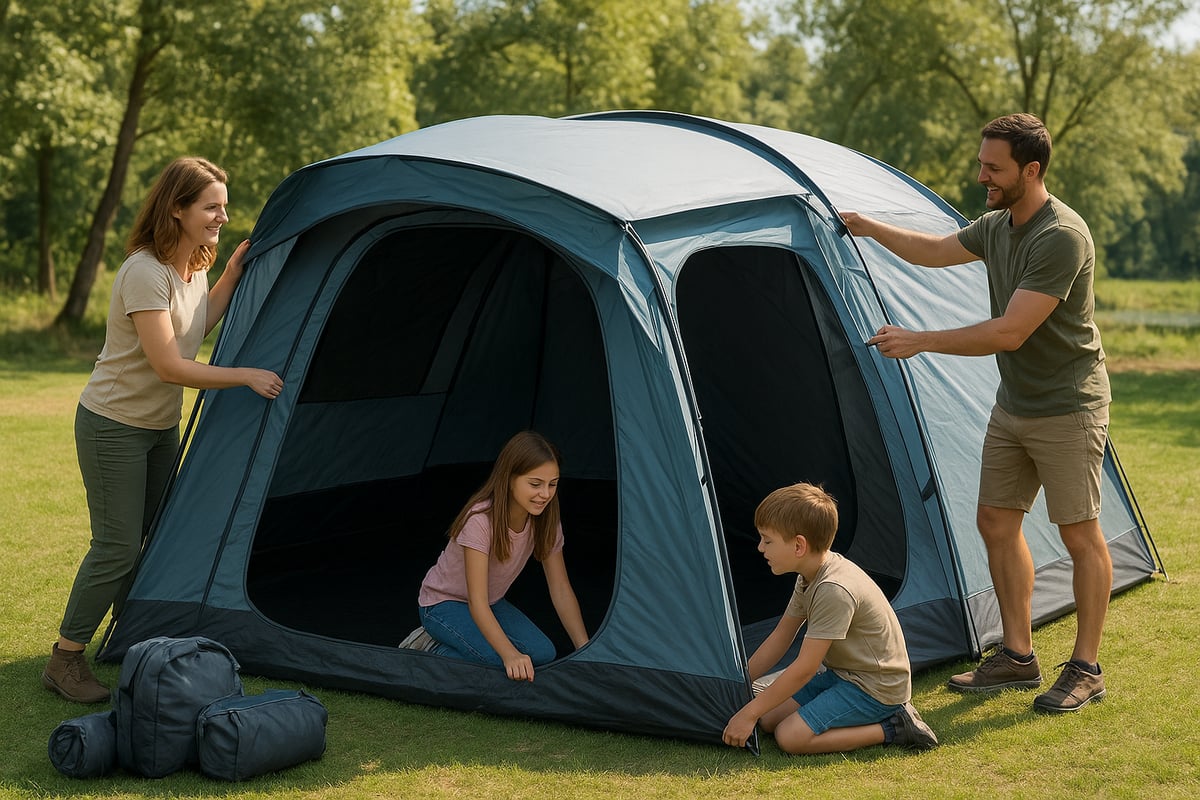
Your choice of tent shape and fabric is foundational to tent comfort. Dome tents are popular for their stability and easy setup, making them suitable for most weather. Tunnel tents offer more internal space, ideal for families or campers wanting room to stretch out. Tipi tents provide excellent headroom and airflow, perfect for social gatherings but can be less insulating in cold weather.
| Tent Type | Pros | Cons |
|---|---|---|
| Dome | Stable, easy to pitch | Less internal space |
| Tunnel | Spacious, good for gear | Needs flat ground |
| Tipi | Airy, good headroom | Can be draughty, heavy |
Material matters too. Canvas tents excel at insulation and breathability, keeping interiors cool in summer and warm in winter, but they're heavier to transport. Synthetic fabrics, such as polyester and nylon, are lightweight, quick-drying, and often more affordable, though they may trap more condensation.
Innovations have transformed tent comfort for 2026. Features like blackout linings and UV-reflective coatings help control light and temperature. For example, Quechua Fresh & Black tents are designed to block sunlight and keep interiors up to 5°C cooler on summer mornings.
Tent weight and packed size are crucial considerations. Drive-in campers can prioritise space and comfort, while trek-in campers must balance tent comfort with portability. For a detailed review of the latest options, see Top Outdoor Tents for 2026.
Key Comfort Features to Look For
When maximising tent comfort, look for features that support airflow, space, and convenience. Multiple ventilation options, such as mesh windows and dual doors, are essential for reducing condensation and keeping the air fresh. Tents with more than one door make access easy and help with gear management, especially at night.
Vestibules provide valuable space for boots and equipment, keeping the sleeping area clean and clutter-free. Standing height and generous floor space contribute to relaxation, letting you move easily and avoid cramped conditions. An integrated groundsheet keeps out moisture and insects, while modular flooring offers flexibility for different terrains.
Weather resistance is a top priority for tent comfort. Look for strong poles, reinforced seams, and robust rainflies to withstand wind and rain. In Australian conditions, tents rated for high durability have shown a lifespan of over 10 years, delivering reliable shelter through changing climates.
Consider this checklist for key comfort features:
- Ventilation panels and mesh doors
- Spacious vestibules and storage pockets
- Sufficient headroom and floor area
- Durable, waterproof materials
- Secure, integrated groundsheet
These elements work together to ensure tent comfort, whether you're camping in the heat of summer or braving autumn storms.
Tent Setup and Placement Tips
Even the best tent needs proper setup for optimal tent comfort. Face your tent away from prevailing winds to reduce interior drafts and maintain warmth. Positioning on flat, debris-free ground is vital for restful sleep and prevents damage to your groundsheet.
Adding a tarp or footprint beneath your tent provides extra insulation and protects against moisture. In sandy or muddy locations, vestibules help keep dirt outside, preserving cleanliness inside the tent.
A well-placed tent can significantly improve your comfort. Data shows that orienting your tent correctly can reduce wind chill by up to 20 percent, making a noticeable difference on blustery nights. Taking a few extra minutes to prepare and position your tent pays off with a warmer, more relaxing environment.
Bedding and Sleep Systems for a Cosy Night
A restful night is the cornerstone of tent comfort. The right bedding and sleep system can turn your tent into a sanctuary, helping you wake up invigorated and ready for adventure. From choosing the ideal mattress to staying cosy in any weather, every detail matters.
Mattress and Sleeping Pad Selection
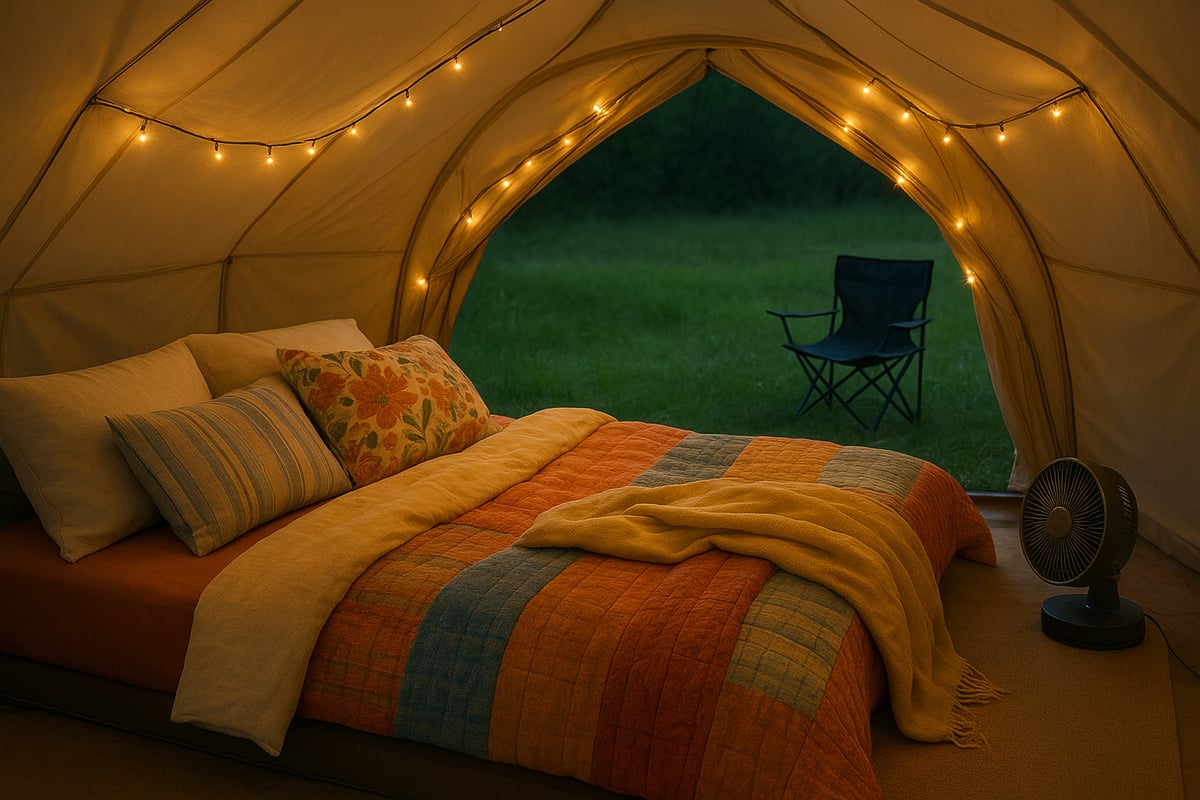
Choosing the right mattress is essential for tent comfort. The market offers three main types: foam, inflatable, and self-inflating mats. Each has unique benefits and considerations.
| Type | Comfort Level | Insulation | Storage Size | Best For |
|---|---|---|---|---|
| Foam | High | Excellent | Bulky | Regular campers, cold |
| Inflatable | Medium | Fair | Compact | Hikers, small tents |
| Self-Inflating | Good | Good | Moderate | Versatile camp use |
Thick foam mattresses stand out for superior insulation, retaining body heat and reducing cold from the ground. Data shows foam mats can deliver up to 30% better insulation than airbeds, vital for chilly nights and overall tent comfort.
Inflatable and self-inflating mats offer portability. However, foam options are often preferred for drive-in camping where space is less of an issue. Packing tips include rolling larger sleep systems tightly and loading them last in your car for easy access.
For more guidance on upgrading your sleep system and boosting tent comfort, explore the Essential Camping Sleep Mats archive for expert reviews and comparisons.
Pillows, Sheets, and Quilts
A true feeling of tent comfort comes from the details. Swapping out compact camping pillows for full-size home pillows provides better neck support and a touch of luxury.
Opt for quick-dry, breathable sheets such as microfibre or bamboo. These fabrics keep bedding fresh and cool, especially in warm climates. Microfibre fitted sheets are easy to wash and dry swiftly, while bamboo sheets excel at moisture wicking.
When it comes to warmth and flexibility, quilts offer freedom of movement and easy layering compared to traditional sleeping bags. For hot summer nights, bamboo cooling sheets paired with a lightweight quilt enhance tent comfort, ensuring a refreshing sleep.
Staying Warm in Cold Weather
Tent comfort is tested most during cold spells. Layering is your ally. Use a sleeping bag liner to add warmth and softness. Wool blankets trap heat and can be paired with thermal wear for maximum effect.
A classic hot water bottle is a simple yet powerful heat source. Placing one in your bedding can increase temperature by 5 to 8°C, making a noticeable difference on frosty nights. Keeping your next-day clothes inside your sleeping bag also prevents that morning chill, so you start the day warm and comfortable.
Investing in multiple layers and planning for variable conditions ensures tent comfort in any season, whether you are car camping or trekking.
Cooling Strategies for Hot Nights
Hot weather can disrupt tent comfort if not managed. Portable fans and evaporative coolers, available in battery or solar-powered versions, provide welcome airflow. Maximising tent ventilation by opening mesh panels or doors helps dissipate heat.
Select light, moisture-wicking bedding to keep humidity at bay. Products like the Companion Maxi Evaporative Cooler Fan are especially popular in steamy climates, helping maintain tent comfort even on the hottest nights.
A combination of airflow and smart bedding choices creates a cool, inviting retreat for restful sleep during summer camping.
Organisation and Storage Solutions Inside Your Tent
Effective organisation is the key to maximising tent comfort, no matter your camping style or group size. With a few strategic systems, you can keep your space tidy, essentials accessible, and your sleeping area clean and inviting.
Smart Packing and Gear Management
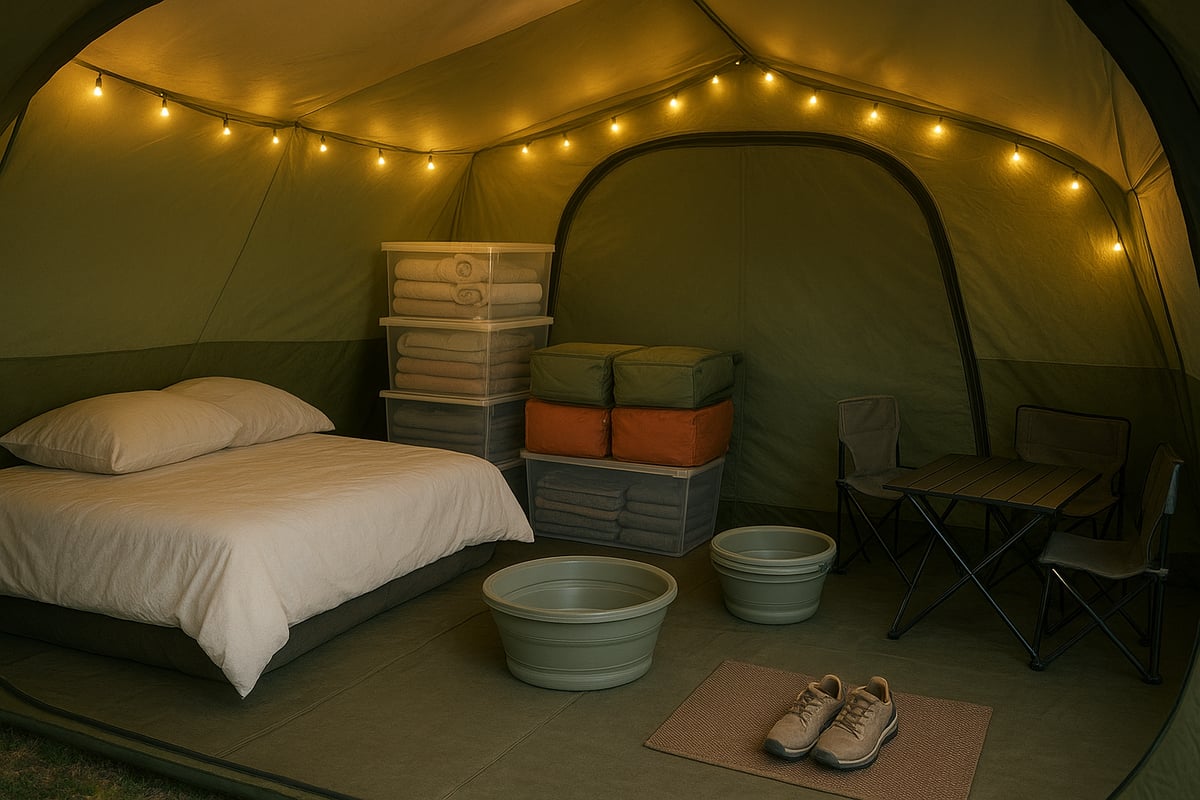
Keeping gear organised is essential for tent comfort, especially during longer trips or when camping with family. Start by investing in stackable transparent boxes, which allow you to see contents at a glance and grab what you need without rummaging in the dark. These boxes work well for food, first aid, and spare batteries.
Colour-coding is another smart strategy. Assign each camper a colour for their storage bags or utility rolls, making it simple to locate items, even in low light. Modular storage bags are invaluable for small essentials like torches, medicines, or chargers.
Here is a quick comparison of common storage options:
| Storage Type | Best For | Advantages |
|---|---|---|
| Transparent Boxes | Food, bulky gear | Easy access, visibility |
| Colour-Coded Bags | Clothes, toiletries | Fast ID, personalisation |
| Utility Rolls | Tools, small items | Compact, modular, portable |
By maintaining order with these systems, you enhance tent comfort and reduce stress, making your camping experience far more enjoyable.
Keeping Bedding and Clothes Clean
Clean bedding and clothes are vital for maintaining tent comfort in all conditions. Use your tent's vestibule as a transition zone, leaving muddy boots and outer layers outside to prevent dirt from entering the sleeping space. Placing an outdoor mat just outside the entrance helps trap sand and debris.
Packing cubes are a game changer for separating sleepwear, activewear, and extra layers. This method saves time and keeps your tent tidy. For a warm start in the morning, store your next-day clothes inside your bedding overnight. This simple trick keeps them dry and makes dressing more pleasant when temperatures drop.
Maintaining this level of organisation directly supports better sleep and overall wellbeing. In fact, Camping's Impact on Mental Health highlights how thoughtful tent comfort strategies can significantly improve sleep quality and reduce stress while camping.
Collapsible and Foldable Gear
Space-saving gear is crucial for tent comfort, especially if you're limited on room or packing for a trek. Collapsible water containers, tubs, and buckets are lightweight and pack flat when not in use, yet provide all the utility you need at camp.
Foldable furniture, such as chairs and tables, lets you create a comfortable living space without sacrificing valuable floor area. Even kitchen items like strainers and food containers come in compact, foldable designs, making meal prep and clean-up easier.
With these innovations, your tent stays clutter-free, and every item serves a purpose, supporting a smoother and more relaxing camping routine.
Lighting for Comfort and Ambience
Lighting is an often-overlooked element of tent comfort. Soft LED fairy lights or lanterns create a welcoming, cosy atmosphere, making your tent feel like a true retreat. Rechargeable headlamps offer hands-free convenience for late-night reading or navigating in the dark.
Studies show that gentle, warm lighting improves both sleep quality and the overall camp ambience. By choosing the right lighting, you turn your tent into a comfortable haven at the end of each adventurous day.
Climate Control: Staying Warm, Cool, and Dry
A well-managed tent climate is the foundation of true tent comfort. Whether you are escaping the chill of a frosty morning or seeking relief from the summer heat, mastering climate control inside your tent makes every night more restful. Let us explore practical methods and innovations that keep you warm, cool, and dry, no matter the weather.
Insulation from Ground and Elements
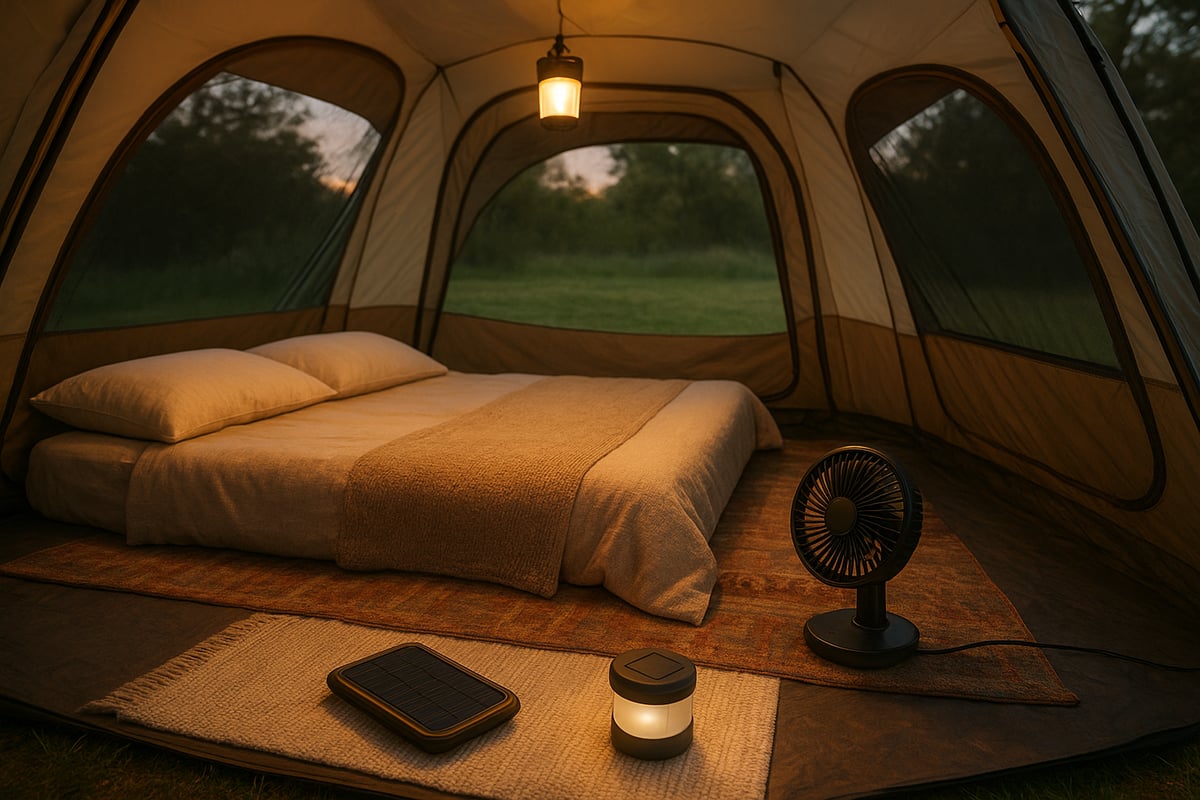
Insulating your tent from the ground is crucial for tent comfort, especially in cooler climates. Start with a robust groundsheet to create a barrier against moisture. Add a layer of foam mats or camping rugs on top for extra warmth and softness underfoot.
Canvas tents naturally offer better insulation compared to synthetic fabrics, helping to maintain a stable internal temperature. For added cosiness, picnic rugs can be placed both beneath and inside the sleeping area. These layers not only trap warmth but also make your space feel more homely.
If you are car camping, bring thicker mats or even an extra blanket to further buffer the cold. Remember, every layer contributes to tent comfort and reduces the risk of waking up chilled or damp. Prioritise insulation to enjoy a restful night's sleep, regardless of the season.
Ventilation and Moisture Management
Good airflow is essential for maintaining tent comfort, especially in variable UK weather. Tents with dual doors and mesh panels allow for cross-ventilation, which helps prevent condensation build-up overnight. This simple feature can reduce interior dampness by up to 50 percent, ensuring your bedding stays dry and fresh.
Always hang wet towels and clothing outside the tent to avoid excess moisture. Position your tent to catch natural breezes, but shield it from direct wind to balance airflow and warmth. Scientific research, such as the findings in Thermal Comfort Prediction Models, demonstrates that managing airflow and humidity has a measurable impact on personal comfort levels.
Make ventilation part of your tent comfort checklist. By controlling moisture and promoting air circulation, you create a healthier and more pleasant environment for sleeping and relaxing.
Powering Comfort Devices Off-Grid
Modern campers have more options than ever to power comfort devices off-grid, enhancing tent comfort on any adventure. Portable power banks and foldable solar panels can run fans, charge devices, and keep lighting consistent through the night. Compact battery-powered fridges and freezers help store food safely, making longer trips more convenient.
For wild camping, solar setups are invaluable for maintaining tent comfort without relying on campsite facilities. Position panels for maximum sunlight exposure during the day, and use rechargeable lanterns or string lights for gentle illumination at night.
Choose devices designed for efficiency and portability. This approach not only supports tent comfort but also ensures you can enjoy modern conveniences while staying close to nature.
Dealing with Weather Extremes
Weather in the UK can change quickly, so preparing for extremes is vital for tent comfort. Waterproof your tent with seam sealers and use an additional tarp or rainfly to shield against heavy rain. When pitching, select a site with natural windbreaks like hedges or bushes, and angle your tent entrance away from prevailing winds.
For stormy conditions, canvas swags and sturdy tarps provide reliable shelter, keeping both warmth and dryness inside. If strong winds are expected, secure all guy lines and add extra pegs for stability.
Every detail, from reinforced seams to thoughtful site selection, contributes to tent comfort during unpredictable weather. With the right setup, you can relax knowing your shelter will protect you, whatever the forecast brings.
Cooking, Eating, and Living Well at Camp
Eating well and keeping your living area organised are essential for true tent comfort. A well-planned kitchen, cosy dining setup, and effective hygiene routines transform camping into a luxurious experience. Here’s how to elevate every aspect of camp life so you can relax and enjoy your time outdoors.
Camp Kitchen Setups for Comfort
A dedicated camp kitchen is the foundation of tent comfort. Modern campers can now enjoy gourmet meals thanks to folding fire pit barbecues, portable rotisseries, and even compact pizza ovens. These tools allow you to cook a variety of dishes, bringing the comforts of home to your tent.
Consider the benefits of electric fridges and freezers versus traditional coolers for food preservation:
| Feature | Electric Fridge/Freezer | Cooler |
|---|---|---|
| Cooling Duration | Unlimited (powered) | Up to 3 days |
| Requires Power | Yes | No |
| Precise Temperature | Yes | No |
| Weight | Heavier | Lighter |
Battery-powered rotisseries add variety to your meals, making outdoor cooking more enjoyable. Smart storage, such as collapsible tubs and transparent boxes, keeps ingredients and utensils organised. All these upgrades contribute significantly to tent comfort, ensuring you have everything you need at your fingertips.
Dining Comfortably
Dining well is just as important for tent comfort as sleeping well. Choose unbreakable glassware to add a touch of luxury without risking breakage. Adjustable-height tables make meal prep and eating more comfortable, whether you are sitting or standing.
Outdoor mats underfoot create a barefoot-friendly surface, keeping dirt away from your dining area and enhancing relaxation. These small details make a noticeable difference, especially when camping with family or friends. Well-organised dining spaces encourage everyone to gather and share meals, boosting both morale and tent comfort.
Hygiene and Cleanliness
Maintaining hygiene is crucial for tent comfort. Microfibre towels and water-repellent shower bags make cleaning up quick and easy. Solar showers and rechargeable pumps allow for off-grid bathing, providing freshness after a long day outdoors.
For privacy, poncho towels and pop-up shower tents offer practical solutions. Quick-dry towels are especially valuable, as they reduce damp odours and drying times by up to 60%. Keeping yourself and your gear clean means you’ll return to a tent that feels inviting and comfortable each night. For extra tips on staying warm and maintaining tent comfort in cooler conditions, see 7 Ways to Warm Winter Camping.
Waste and Rubbish Management
Effective waste management is vital for tent comfort and environmental care. Use compact bins or eco-friendly disposal methods to keep your tent and campsite tidy. Always remove rubbish promptly and store food waste securely to avoid attracting wildlife.
A clutter-free space helps you relax, making your tent comfort truly complete.
Selecting and Setting Up the Ideal Campsite
Choosing the right campsite is the foundation of true tent comfort. The ideal location not only sets the mood for your adventure, but also determines how well you sleep and relax. As more people embrace camping each year, understanding how to select and prepare your site is essential for a restful, enjoyable stay. For insight into the growing popularity of camping and why comfort matters more than ever, see the Camping Industry Growth Statistics.
Finding the Right Location
The first step in maximising tent comfort is selecting a campsite that balances peace, privacy, and practicality. Look for pitches with ample space between tents to minimise noise and create a sense of seclusion. National parks and private campsites, such as those found through Hipcamp, often provide more generous plots and tranquil surroundings compared to crowded commercial sites.
Prioritise level, rock-free ground to ensure restful sleep and reduce the risk of tent damage. Avoid low-lying areas that may collect water during rain. If you prefer a quieter experience, choose sites away from main pathways and communal facilities.
For example, national park campsites frequently offer larger, flatter spaces surrounded by nature, which contributes significantly to overall tent comfort. Take a moment to walk around and assess your options before committing to a pitch.
Site Orientation and Preparation
How you orient and prepare your tent can have a profound effect on tent comfort. Always position your tent entrance away from prevailing winds and rain to minimise drafts and maintain warmth. Clearing the site of sharp objects, such as rocks and sticks, protects your tent floor and sleeping system.
Level the ground as much as possible before pitching to avoid uncomfortable slopes. Use a tarp or footprint beneath your tent for extra dryness and insulation, especially on damp or uneven terrain. This simple step not only adds a layer of protection but also increases thermal efficiency for greater tent comfort.
Taking a few minutes to prepare your pitch pays dividends in sleep quality and overall satisfaction. Organised setup leads to less stress and a more inviting tent environment.
Environmental Considerations
Camping responsibly is vital for preserving natural beauty and ensuring future enjoyment. Adopt leave no trace principles by minimising your impact on the environment. Choose durable surfaces, like established pitches or hardened ground, to prevent soil erosion and protect plant life.
Respect local wildlife by keeping food sealed and refraining from disturbing natural habitats. Data shows that careful campsite selection and preparation can reduce erosion by 30 percent, directly contributing to sustainable tent comfort for everyone.
By considering how your choices affect the landscape, you help maintain the integrity of campsites for future campers. Thoughtful actions ensure a balance between comfort and conservation.
Safety and Convenience Factors
Safety and convenience are crucial for tent comfort, especially on longer trips. Select a site within reasonable proximity to clean water sources, toilets, and emergency exits. This reduces unnecessary trips and keeps your daily routine smooth.
Store food and gear securely to deter wildlife and prevent accidents. Lighting paths with lanterns or headlamps improves night-time navigation and overall safety. If camping with children or groups, establish a clear meeting point and keep essential items accessible.
By prioritising safety and organisation, you create a campsite environment that supports relaxation and peace of mind. These thoughtful steps transform your tent into a true home away from home.
Clothing and Personal Gear for Maximum Comfort
Selecting the right clothing and personal gear is essential for achieving tent comfort on any camping trip. The right choices help regulate body temperature, ensure dryness, and provide a restful environment, regardless of weather or terrain. Every layer and accessory can contribute to a more enjoyable and relaxing experience.
Layering for All Conditions
Proper layering is the foundation of tent comfort, especially as temperatures fluctuate throughout the day and night. Start with moisture-wicking shirts and thermal base layers to keep sweat away from your skin and maintain warmth. These materials dry quickly, reducing the risk of feeling damp or chilly inside your sleeping bag.
Next, add insulating mid-layers like hoodies or fleece tops. For evenings around camp, pack thick socks, beanies, and a warm jumper. Waterproof jackets and trousers are indispensable for unpredictable weather, keeping you dry when rain surprises you at the campsite.
Layering not only boosts tent comfort but also allows you to adapt to changing conditions without overpacking. If you expect a cold spell, bring an extra wool layer or insulated vest. For milder climates, lighter options offer flexibility. By mixing and matching, you can maintain comfort and avoid overheating or getting cold, ensuring tent comfort at any hour.
Packing for Versatility and Organisation
Efficient packing is crucial for tent comfort and stress-free mornings. Packing cubes are a practical way to sort clothing by activity—separate cubes for sleepwear, daywear, and cold-weather outfits make it easy to find what you need without rummaging in the dark. This approach keeps your tent tidy and prevents items from becoming damp or dirty.
Balancing overpacking and minimalism is important. Only bring versatile pieces that layer well, so you can adapt to varying conditions. For example, a lightweight fleece works as both a warm layer and a pillow in a pinch. Packing smartly ensures you have everything needed for tent comfort, without cluttering your living space.
Footwear and Accessories
Choice of footwear can make or break tent comfort during a camping trip. Waterproof, supportive shoes are ideal for hikes and wet mornings, keeping feet dry and comfortable. For quick trips outside or to the shower block, sandals or thongs are invaluable—they are easy to slip on and prevent dirt from entering your sleeping area.
Accessories like gloves, hats, and neck warmers are often overlooked but play a significant role in maintaining tent comfort, especially during chilly evenings. Keep a pair of gloves and a beanie accessible for extra warmth when temperatures drop, ensuring you remain cosy throughout your stay.
Personal Hygiene Essentials
Good hygiene is vital for tent comfort, especially on extended trips. Microfibre towels are a top choice, as they dry up to 70 percent faster than cotton alternatives and help keep your bedding fresh. Bring biodegradable wipes for quick clean-ups and compact, refillable toiletries to save space.
A water-repellent bag keeps shower gear dry and ready to use, even if the weather turns. Prioritising cleanliness helps maintain a pleasant tent environment and reduces the risk of odours or discomfort. These small touches make a big difference in overall tent comfort.
Staying Organised and Ready
Keeping personal essentials accessible is key to maximising tent comfort. Use modular organisers or utility rolls for toiletries, headlamps, and small gear so you can find what you need, even in low light. This approach minimises stress and ensures your tent remains a calm, inviting retreat after a busy day outdoors.