

Sea to Summit Sleeping Bags Guide: Expert Tips for 2026
RankPill on 2nd Dec 2025
The demand for high-performance sleeping gear is rising among UK outdoor enthusiasts as adventures in 2026 become more ambitious. Sea to Summit sleeping bags have earned a reputation for blending cutting-edge innovation with reliable comfort, making them a trusted companion for every level of adventurer.
Selecting the right sleeping bag is vital for safety, warmth, and a successful trip. This guide will equip you with expert advice and a comprehensive overview of Sea to Summit sleeping bags for 2026. You will discover essentials, explore the latest range, learn selection strategies, and master care and advanced outdoor sleeping techniques.
Understanding Sleeping Bag Essentials
Selecting the right sleeping bag is crucial for outdoor comfort and safety. With so many choices available, understanding the essentials ensures you get the best from sea to summit sleeping bags, whether you are camping in the Lake District or tackling alpine trails.

Key Sleeping Bag Features Explained
When comparing sea to summit sleeping bags, consider several core features. Temperature ratings are vital, with comfort, limit, and extreme ratings indicating safe usage in various UK and European climates. Fill types matter: down offers excellent warmth-to-weight, while synthetic excels in wet weather. Shapes such as mummy, semi-rectangular, and double influence warmth retention and packability.
Weight and pack size are crucial for backpackers, while car campers may prioritise comfort. Shell and lining materials impact water resistance, breathability, and durability. Zippers can be full-length, two-way, or feature anti-snag and draft tube designs. Internal features like pockets, hoods, and collar baffles add extra comfort for your adventures.
Season Ratings and Use Cases
Sleeping bags are rated for summer, two-season, three-season, or four-season use. Matching the rating to your adventure is key: a summer bag suits festivals, while a four-season model is essential for winter wild camping. Three-season bags are most popular for UK trips, balancing warmth and weight.
Refer to the EN 13537 Sleeping Bag Temperature Ratings for a detailed explanation of these standards. Over-bagging can add unnecessary weight, while under-bagging risks cold nights. Women’s bags often have added insulation and a tailored fit. Liners extend warmth and help protect sea to summit sleeping bags, making them more versatile for changing conditions.
Down vs. Synthetic Insulation: In-Depth Comparison
Insulation choice is a cornerstone of sea to summit sleeping bags selection. Down fill power, measured in numbers like 650 or 850, indicates loft and warmth. Ethically sourced down (RDS certified) is standard in premium models. Synthetic insulation has advanced, offering better performance if your trip involves damp or wet weather.
A quick comparison:
| Feature | Down | Synthetic |
|---|---|---|
| Weight/Warmth | Lighter, warmer | Heavier, less warm |
| Wet Conditions | Loses warmth | Retains warmth |
| Price | Higher | More affordable |
| Care | Needs careful washing | Easier to clean |
For example, the Spark Pro Ultralight (down) is ideal for ultralight trekking, while the Boab Synthetic suits wet or budget-focused trips. Consider allergies and environmental factors when choosing sea to summit sleeping bags.
Sleeping Bag Sizing and Fit
Proper sizing is essential for warmth and comfort with sea to summit sleeping bags. Measure your height, shoulder, and hip girth to select short, regular, long, wide, or double sizes. A snug fit retains warmth, while a bag that is too large or too small reduces effectiveness.
Women’s-specific designs like the Spark Ultralight Women’s Sleeping Bag feature extra insulation in key areas for improved comfort. Weight and compressibility vary by size, so smaller bags pack down smaller. Common mistakes include choosing a bag that is overly roomy or too tight, both of which can impact sleep quality.
The Importance of Accessories
Accessories can enhance your experience with sea to summit sleeping bags. Liners add warmth, improve hygiene, and make cleaning easier. Compression and stuff sacks maximise packing efficiency, especially on long hikes. Pairing your bag with an insulated mat prevents heat loss to the ground.
Camp pillows and blankets increase comfort, while storage bags help maintain loft during long-term storage. For example, using a Sea to Summit liner with a Trek Down bag can add versatility. Tailor accessories to your activity, whether you are bikepacking, mountaineering, or family camping, to get the most from your sleeping system.
Sea to Summit’s 2026 Sleeping Bag Range: Features & Innovations
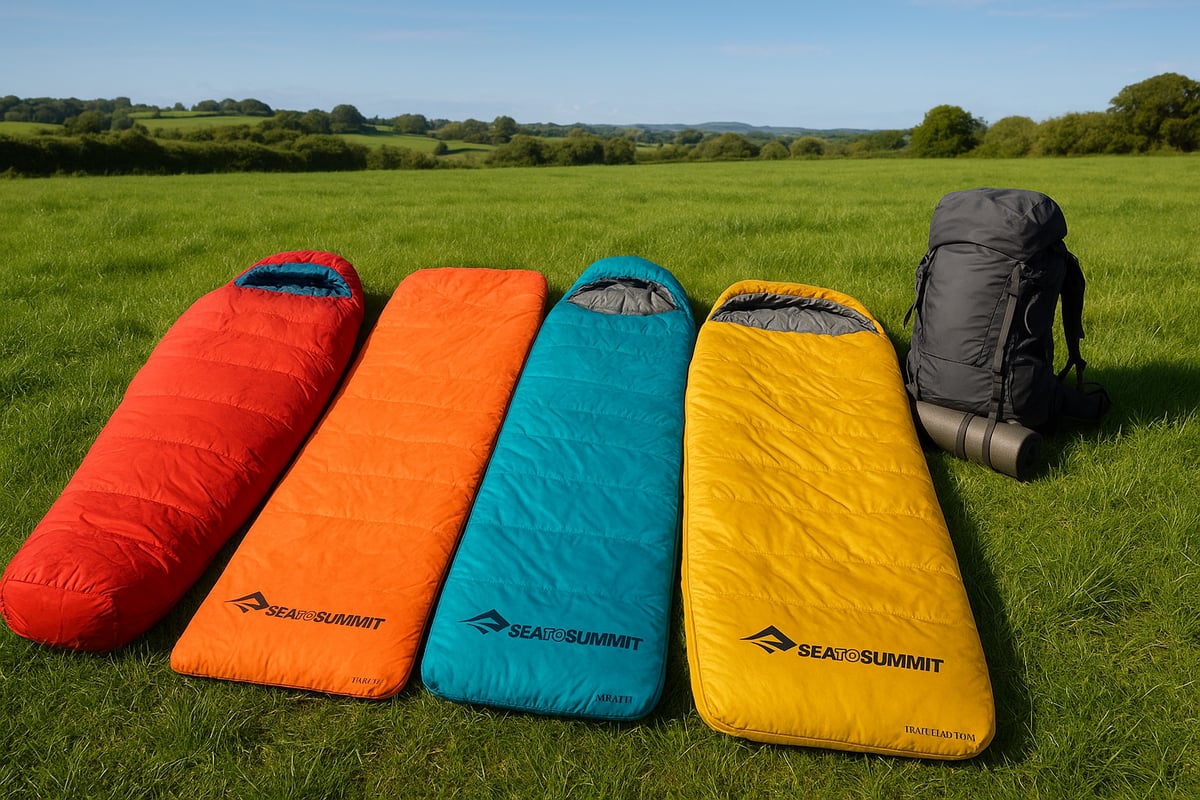
The 2026 collection of sea to summit sleeping bags showcases a new generation of outdoor comfort and technical advancement. Designed for the UK’s variable climates, this year’s range covers everything from ultralight down bags for alpine missions to robust synthetic models for wet British weather. The lineup is shaped by real user feedback, next-level materials, and a commitment to sustainability, making it easier than ever for adventurers to find the perfect sleeping solution.
Overview of 2026 Product Lines
Sea to summit sleeping bags in 2026 are organised into three main categories: Down, Synthetic, and Quilts. This year introduces updated Spark, Trek, Basecamp, Boab, Hamelin, Ember, and Traveller series, each tailored for specific outdoor needs. The Spark and Ember lines deliver ultralight performance, while Trek and Basecamp target classic comfort and versatility. Boab and Hamelin focus on synthetic insulation for damp climates. Traveller and Ember offer modular, quilt-style flexibility. The Spark Pro Ultralight continues to earn rave reviews for its warmth-to-weight ratio. Pricing spans from budget-friendly synthetics to high-end technical down bags, ensuring value at every level. Innovations this season include lighter shell fabrics, improved zips, and enhanced compression systems.
Down Sleeping Bags: Advanced Technologies
The down models in the sea to summit sleeping bags collection use 850+ fill power, RDS-certified down for outstanding warmth. Hydrophobic down treatments help maintain loft even when damp, a crucial feature for UK expeditions. The Spark Pro and Spark Ultralight bags push the limits of weight reduction, with the Spark Ultralight (-18°C) popular among winter mountaineers. Durable, water-repellent shells are standard, while new baffle designs maximise thermal efficiency. These bags are ideal for backpackers seeking minimal weight and maximum warmth. Backpackers and alpinists appreciate the compact pack size and robust construction. The 2026 down range stands out for its blend of ethical sourcing and technical prowess.
Synthetic Sleeping Bags: Durability and Versatility
Synthetic sea to summit sleeping bags, such as the Boab and Hamelin series, are engineered for reliability in wet British and European conditions. Advanced synthetic fills mimic the loft and feel of down but retain insulation properties when soaked. The Boab Synthetic (-9°C) is a standout for autumn and winter camping, excelling in damp environments where down may falter. Weight and compressibility have improved for 2026, making these bags more attractive to backpackers and family campers alike. Entry-level pricing and easy maintenance add to their appeal. Women’s-specific synthetic models incorporate mapped insulation for targeted warmth. User feedback highlights their resilience and value, especially for unpredictable UK weather.
Quilts and Hybrid Solutions
Quilts and hybrids, like the Ember Ultralight Down Quilt and Traveller Sleeping Bag/Blanket, bring versatility to the sea to summit sleeping bags lineup. These products offer significant weight savings and adaptability, allowing users to layer or ventilate as needed. The Traveller Down Sleeping Bag & Blanket (7°C) is a top choice for summer travel and hut-to-hut treks. Quilts can be paired with sleeping mats and liners, and many convert from bag to blanket for multi-use functionality. Bikepackers and lightweight trekkers favour these for their packability. However, quilts may provide less warmth in extreme cold compared to traditional bags, so matching them to your adventure is key.
Women’s Sleeping Bags: Tailored Comfort
Sea to summit sleeping bags designed specifically for women feature anatomical shaping and extra insulation in key areas such as the feet and torso. The Spark Ultralight Women’s and Hamelin Women’s Synthetic are engineered to align with EN13537/ISO standards, ensuring accurate temperature ratings for female users. Feedback from women adventurers points to improved fit and warmth, with colour and design choices reflecting growing demand for inclusive gear. The Spark Ultralight Women’s (-9°C) is highly regarded for alpine trips. These models address the unique needs of women, offering both comfort and reliable performance in challenging conditions.
Sizing, Customisation, and Modular Features
A major innovation in sea to summit sleeping bags for 2026 is the expanded range of sizes: short, regular, long, wide, and double. Modular features such as zip-together compatibility, adjustable hoods, and footboxes allow users to customise warmth and ventilation. Compression sack technology has also advanced, making packing more efficient. Couples and families benefit from double sleeping bags, which can be explored further in this comparing 2-person sleeping bags guide. Modular systems enable layering with liners or blankets for tailored comfort. Compared to competitors, Sea to Summit’s modularity stands out for adaptability and user-focused design.
Sustainability and Ethical Production
Sustainability is at the heart of the 2026 sea to summit sleeping bags range. Shells and linings now incorporate recycled materials, while all down is RDS-certified for animal welfare. Manufacturing processes prioritise low-impact dyes and minimal waste, and packaging is fully recyclable. The company’s environmental initiatives extend to encouraging product longevity and repairability. Data from Sea to Summit reveals a significant increase in recycled content across the line. For more details on eco-friendly choices and ethical production, see this guide to sustainable outdoor gear. Modern outdoor enthusiasts can feel confident that their gear choices support both adventure and the planet.
Expert Tips for Selecting the Right Sea to Summit Sleeping Bag
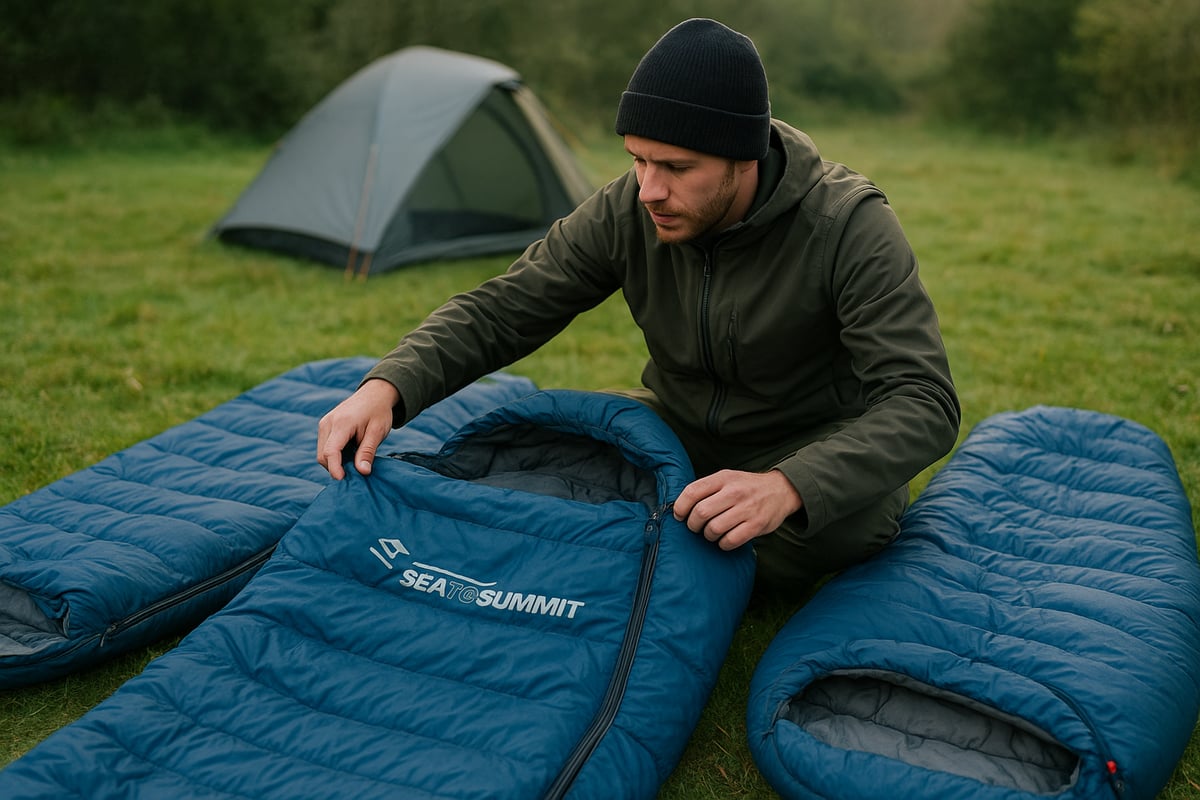
Selecting sea to summit sleeping bags can feel overwhelming given the range of technical features and models available for 2026. To simplify your decision, follow these expert steps and ensure your next adventure is comfortable, safe, and memorable.
Step 1: Define Your Adventure Needs
Start by considering where and when you plan to use your sea to summit sleeping bags. Will you be wild camping in the Scottish Highlands, attending a summer festival, or embarking on a multi-day trek? Each environment demands specific performance.
Ask yourself:
- What is the lowest temperature I might encounter?
- Will conditions be wet or dry?
- Am I hiking, bikepacking, or car camping?
Matching your sleeping bag to your adventure is crucial. For example, a Spark Pro Ultralight suits long-distance trekkers while a Basecamp bag is better for relaxed, family camping. Avoid the pitfall of overestimating or underestimating your needs, as the wrong bag can impact comfort and safety.
Step 2: Prioritise Insulation and Weight
The choice between down and synthetic insulation is central when comparing sea to summit sleeping bags. Down offers an exceptional warmth-to-weight ratio and compressibility, ideal for ultralight backpackers. Synthetic insulation, however, excels in damp UK conditions and is often more affordable.
Consider fill power for down and insulation thickness for synthetic models. Ultralight options like the Spark Ultralight weigh as little as 340g, perfect for minimalists. If you expect wet weather, synthetic bags such as the Boab range provide reliable warmth.
For a detailed comparison, see this Down vs. Synthetic Sleeping Bags Comparison, which covers the pros and cons for various conditions.
Balance warmth, weight, and packability to suit your trip.
Step 3: Find the Perfect Fit and Shape
A well-fitting sleeping bag maximises warmth and comfort. When choosing sea to summit sleeping bags, measure your height, shoulder, and hip circumference. Decide between mummy, semi-rectangular, or double shapes based on your sleep style.
Women’s-specific models, like the Spark Ultralight Women’s, feature tailored dimensions and targeted insulation. Avoid bags that are too tight, which restrict movement, or too loose, which create cold spots.
Quality sleep boosts energy recovery, so consider fit as a key factor in your decision.
Step 4: Evaluate Additional Features and Accessories
Modern sea to summit sleeping bags come with a host of useful features. Look for anti-snag zippers, internal pockets for valuables, adjustable hoods, and draft collars. Consider compatibility with sleeping mats and liners to enhance insulation.
Compression sacks make packing efficient, while storage sacks help maintain loft at home. For instance, the Trek Down’s full-length zip offers versatile ventilation, ideal for changing weather.
Accessories like pillows and liners further customise your sleep system for specific adventures. Prioritise features that add comfort and convenience for your intended use.
Step 5: Budget and Value Considerations
Sea to summit sleeping bags span a wide price range, from entry-level synthetic models to premium ultralight down bags. Assess your budget, but also consider long-term value. High-quality bags may cost more upfront but deliver better performance and longevity.
Compare cost-per-use for down versus synthetic, factoring in durability and warranty support. The Trek Down Sleeping Bag, for example, offers excellent mid-range value for three-season use.
Shop via authorised retailers, and look out for seasonal discounts or bundle deals. Investing wisely ensures satisfaction for years to come.
Step 6: Real-World User Experiences
User reviews provide valuable insights into how sea to summit sleeping bags perform in the field. Common praise includes durability, warmth retention, and compact pack size. Some users report issues with zipper snags or sizing.
Spark Ultralight users, for instance, highlight its reliability on multi-day expeditions. Customer satisfaction ratings often exceed 4.5 out of 5 stars on leading outdoor websites.
Before your trip, test your sleeping bag at home to ensure it meets your expectations. Real-world feedback helps you make an informed choice.
Step 7: Making the Final Decision
To select the ideal sea to summit sleeping bags, review your needs, preferred insulation, fit, must-have features, and budget. Use a checklist to confirm your choice, and consult with outdoor specialists or join online user groups for advice.
Check return and exchange policies for added peace of mind. Planning ahead means you’re ready for any adventure, with a sleeping bag that supports both comfort and safety.
Investing in the right bag is an investment in countless memorable nights outdoors.
Caring for and Maintaining Your Sea to Summit Sleeping Bag
Proper care is essential to get the best performance and longevity from sea to summit sleeping bags. Following expert maintenance routines can help you preserve warmth, comfort, and the integrity of your sleeping system season after season.
Cleaning and Washing Best Practices
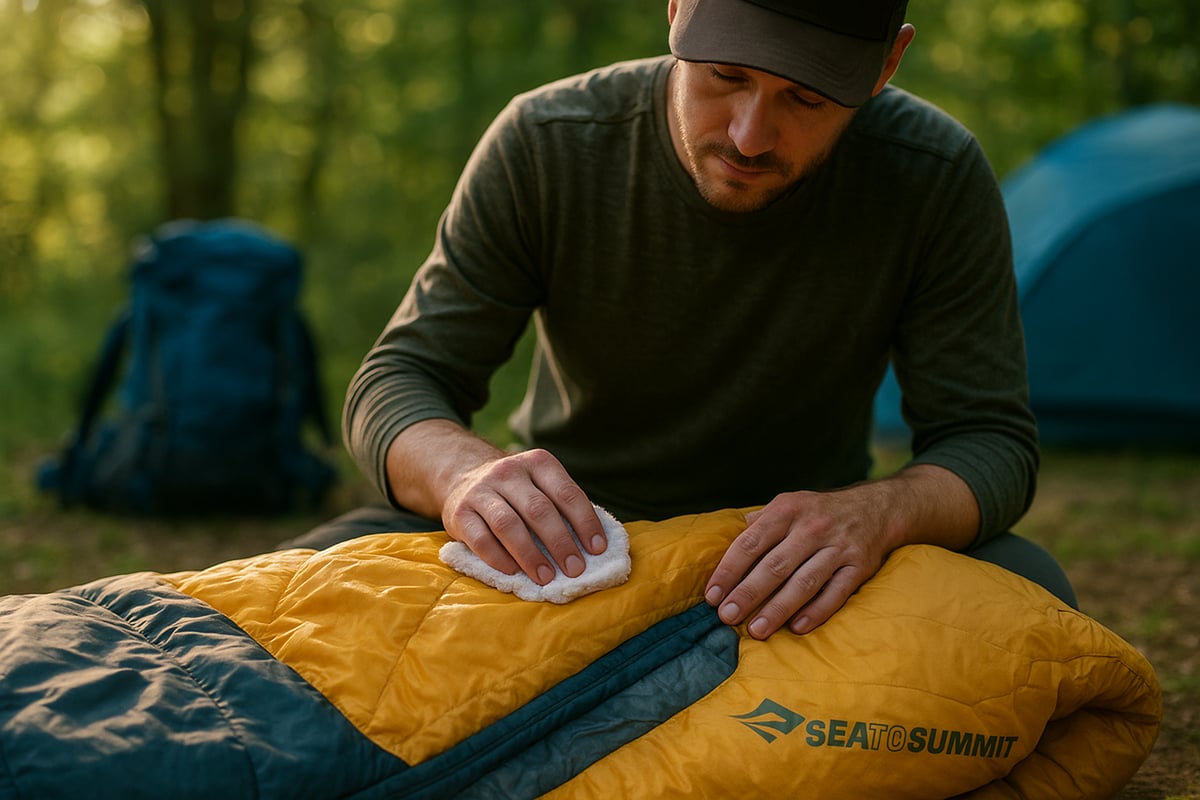
Keeping sea to summit sleeping bags clean is crucial for maintaining insulation and comfort. Dirt and oils can degrade both down and synthetic fillings, reducing warmth.
- Always check the care label for specific instructions.
- Use a mild, technical detergent suited for outdoor gear.
- Spot clean small stains with a damp cloth and gentle soap.
- For a full wash, use a front-loading washing machine on a gentle cycle.
- Air dry the bag flat or use a low-heat tumble dryer with clean tennis balls to restore loft.
- Avoid frequent washing; only clean when necessary to prolong the life of your bag.
Proper cleaning helps retain the performance of sea to summit sleeping bags, ensuring reliable warmth on every adventure.
Storage and Packing Tips
Storing sea to summit sleeping bags correctly protects them from moisture and wear. Short-term and long-term storage approaches differ.
- After each trip, air out your bag thoroughly to eliminate moisture.
- For short-term packing, use the provided compression sack to save space.
- At home, store your bag loosely in a breathable storage sack to prevent compression damage.
- Keep the bag in a cool, dry place away from direct sunlight.
- Regularly inspect for mildew or odours before packing for your next trip.
These strategies will keep sea to summit sleeping bags in peak condition, ready for any outdoor adventure.
Repair and Longevity Strategies
Even the best sea to summit sleeping bags can encounter minor damage over time. Addressing issues early extends their usable life.
- Carry a repair kit for field fixes like patching small tears or fixing zippers.
- For persistent problems, seek professional repair services.
- Sea to Summit offers warranty support for manufacturing defects.
- Regularly check seams, zips, and insulation loft.
- Explore expert advice for maintenance on Caring for your outdoor gear.
Maintaining sea to summit sleeping bags with prompt repairs and proper care safeguards your investment for years to come.
Upgrading and Recycling Old Bags
Knowing when to upgrade or recycle sea to summit sleeping bags is part of responsible ownership. Signs include loss of loft, persistent smells, or major fabric damage.
- Recycle or donate old bags when upgrading.
- Sea to Summit promotes sustainability with recycling initiatives.
- Repurpose retired bags as pet bedding or insulation for other gear.
- Always dispose of worn bags responsibly to minimise environmental impact.
Choosing sustainable options for new sea to summit sleeping bags supports both your adventures and the planet.
Advanced Sleeping Strategies for Outdoor Comfort
Achieving restorative rest outdoors is essential for performance, safety, and enjoyment. With the right approach, sea to summit sleeping bags can deliver reliable warmth and comfort, regardless of the conditions. Mastering a few advanced strategies will help you make the most of your outdoor sleep system, whether you are tackling the Scottish Highlands or a weekend camp in the Lake District.
Maximising Warmth in Cold Conditions
Staying warm at night is crucial for any outdoor adventure. With sea to summit sleeping bags, you can maximise warmth by layering with a thermal liner and wearing dry, insulated clothing. Always use a quality sleeping mat for ground insulation, as a significant amount of heat is lost to the earth. Adjust hoods, collar baffles, and draft tubes to seal in warmth and block cold air. Pre-warm your sleeping bag by placing a hot water bottle inside before bedtime. Avoid compressing insulation with bulky clothing, which can reduce loft and warmth. Combining these techniques helps ensure you remain comfortable through cold UK nights, even when temperatures drop unexpectedly.
Adapting to Different Climates and Environments
Outdoor conditions in the UK are famously variable, so adaptability is key. Sea to summit sleeping bags offer modular solutions for different environments. In hot weather, open zips for ventilation or switch to a quilt. For damp climates, opt for synthetic insulation or water resistant shells to maintain warmth. In alpine or winter settings, pair your sleeping bag with an insulated mat and wear thermal layers. Modular systems allow you to add or remove liners and blankets depending on the forecast. By packing for multiple scenarios, you can handle sudden weather changes without compromising sleep quality or safety. Choose gear combinations that suit your planned activities and anticipated temperature range.
Sleep Quality and Recovery in the Outdoors
Quality sleep is vital for recovery and overall well being during expeditions. To enhance comfort, select a sleeping mat and pillow that complement your sea to summit sleeping bags. Manage noise and light with earplugs and an eye mask, and establish a bedtime routine to wind down after a day outdoors. Nutrition and hydration also play a role in restful sleep. For more on optimising outdoor sleep, read The benefits of sleeping under the stars. Pairing your sleeping bag with comfort accessories supports better rest, helping you wake up refreshed and ready for the next day’s adventure.
Troubleshooting Common Sleeping Bag Issues
Even with the best sea to summit sleeping bags, issues can arise. Condensation and dampness inside the bag are common, especially in humid conditions. Address this by ventilating your shelter and drying your bag during the day. Zipper snags can be fixed with gentle manipulation or a lubricant. For odours, air out your sleeping bag regularly and use a liner for hygiene. Adjust fit by layering clothing or loosening the hood and collar as needed. Minor tears can be patched in the field with a repair kit. If conditions become too challenging, consider upgrading your shelter or adding a bivvy for extra protection. Being prepared ensures your sleep system performs reliably throughout your adventure.
Comparing Sea to Summit with Other Leading Brands
Choosing the right sleeping bag can make or break your outdoor adventure. With so many brands on the market, understanding how sea to summit sleeping bags compare to other leading names is essential for making an informed decision. Below, we break down the key differences, user scenarios, and how to build a complete outdoor sleep system for maximum comfort and performance.
Sea to Summit vs. Competitors: Key Differentiators
When comparing sea to summit sleeping bags with brands like Therm-a-Rest, Rab, and Mountain Equipment, several factors stand out. Sea to Summit is renowned for its innovative features, such as high fill power down, modular systems, and a strong commitment to sustainability. For 2026, the brand builds on its reputation with lighter, more versatile bags and RDS-certified down, as detailed in Sea to Summit's 2025 Gear Innovations. User reviews consistently highlight superior comfort, durability, and practical design.
| Feature | Sea to Summit | Rab | Mountain Equipment |
|---|---|---|---|
| Fill Power | 850+ RDS Down | 900+ Down | 800+ Down |
| Modularity | High (zip-together, add-ons) | Moderate | Moderate |
| Sustainability | Recycled fabrics, RDS down | Bluesign, recycled | Recycled, Fair Wear |
| Weight | Ultralight options | Ultralight | Lightweight |
| Price-to-Value | Strong | Premium | Competitive |
Sea to Summit’s Spark Pro Ultralight regularly competes with Rab’s Mythic Ultra, offering similar warmth at a lighter weight and often better packability.
When to Choose Sea to Summit
Sea to summit sleeping bags shine brightest for ultralight backpacking, modular versatility, and women’s-specific requirements. They are especially well-suited to the varied UK and European climate, providing reliable performance in damp, cold, or unpredictable weather. Customer loyalty is high, with many users returning for new models as their needs evolve.
For three-season versatility, the Trek Down model remains a favourite among UK campers. However, if you need extreme warmth or hyper-specialised expedition gear, you might consider a competitor like Rab or Mountain Equipment. Sea to Summit’s extensive authorised retailer network and responsive after-sales support further enhance their appeal.
Market data shows that Sea to Summit continues to grow its share in the UK outdoor sector, reflecting strong satisfaction and trust among seasoned adventurers.
Integrating Your Sleeping Bag with a Complete Outdoor Sleep System
The best outdoor experience comes from integrating your sea to summit sleeping bags with quality mats, pillows, and shelters. Sea to Summit offers a coordinated range of accessories, including sleeping mats and pillows designed for seamless compatibility.
Building a modular sleep system allows you to adapt quickly to changing conditions, whether you are wild camping in Scotland or embarking on a multi-day trek. Many users report improved sleep quality and warmth when combining Sea to Summit sleeping bags with their insulated mats and camp accessories. Compatibility with other major brands also means you can customise your setup according to personal preference and adventure goals.
Investing in a complete sleep system ensures you are prepared for any scenario, maximising comfort and safety throughout your journey.