

Outdoor Clothing and Gear Guide: Explore with Confidence 2026
RankPill on 1st Feb 2026
Imagine stepping into the wild, fully prepared and confident, knowing your outdoor clothing and gear will keep you safe, comfortable, and ready for adventure in any weather. As more people embrace outdoor exploration, having the right equipment is essential for both enjoyment and safety.
This guide demystifies the latest advancements in outdoor clothing and gear, showing you how innovation and expert strategies can transform your adventures. Inside, you will find practical tips, trusted recommendations, and a step-by-step approach for every explorer.
Use this resource to make informed choices, discover new technologies, and explore with certainty and style.
Understanding Outdoor Clothing Technologies
Stepping into the outdoors requires more than just enthusiasm. The right outdoor clothing and gear can make the difference between an enjoyable adventure and a challenging ordeal. Understanding the technologies behind modern apparel helps you make informed choices, ensuring comfort, safety, and optimal performance in any environment.
Evolution of Outdoor Fabrics and Materials
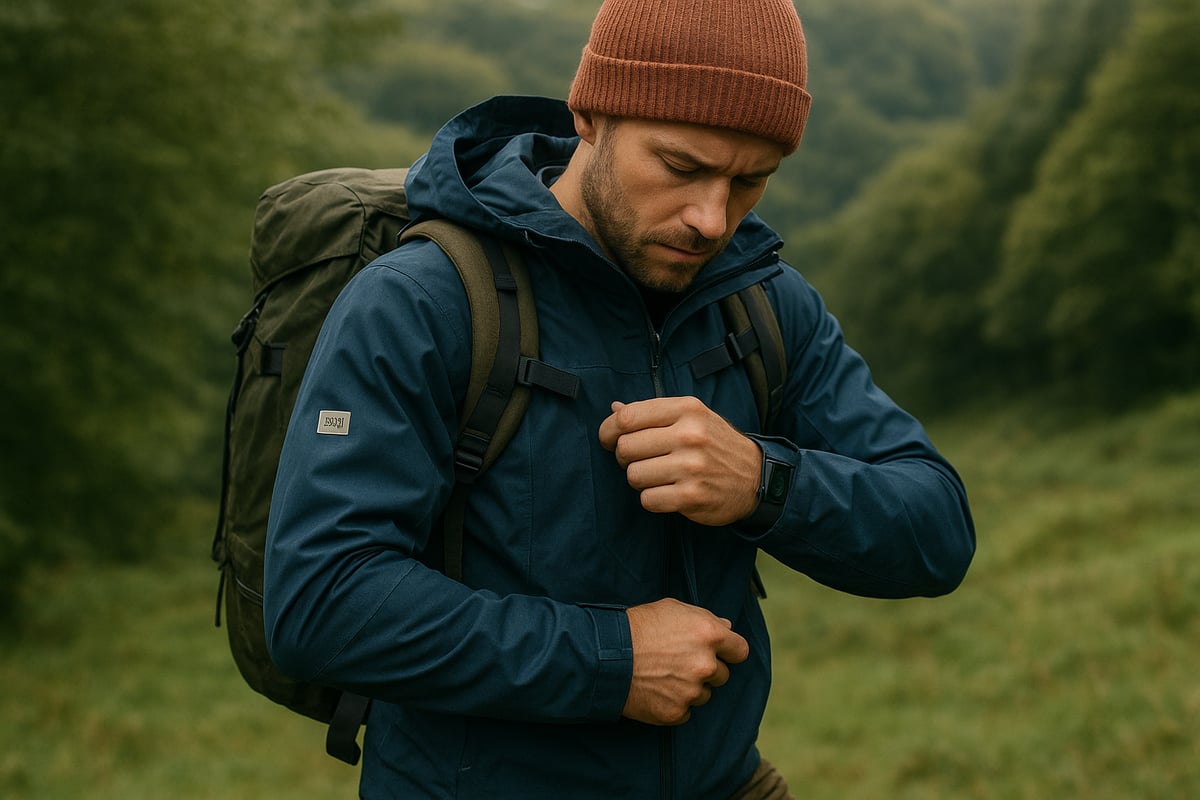
Outdoor clothing and gear have evolved significantly, moving from heavy wool and cotton to lightweight synthetics and innovative blends. The demand for sustainability has shifted the industry towards recycled polyester, organic cotton, and biodegradable fibres.
Brands like Patagonia and Columbia are at the forefront, introducing eco-friendly lines in 2026. Over 60% of outdoor brands now offer sustainable fabric options, driven by both consumer demand and environmental responsibility. For a deeper look at the fibres transforming modern adventure apparel, 2026 Textile Industry Trends: Five Eco-Friendly Functional Fibers Lead Global Fabric Innovation offers valuable insights.
Waterproofing, Breathability, and Insulation Explained
When selecting outdoor clothing and gear, understanding technical ratings is key. Waterproof fabrics are measured in millimetres, indicating how much water pressure they can withstand. Breathability is rated in grams per square metre per 24 hours, showing how effectively sweat escapes.
Common waterproof technologies include Gore-Tex, eVent, and Pertex Shield. Insulation varies, with down offering high warmth-to-weight ratios and synthetic fills performing better in wet conditions. See the comparison below:
| Insulation Type | Warmth-to-Weight | Performance When Wet |
|---|---|---|
| Down | Excellent | Poor |
| Synthetic | Good | Good |
UV Protection and Anti-Microbial Treatments
Sun safety is essential for every outdoor enthusiast. UPF-rated clothing blocks harmful UV rays, protecting skin on long treks. In 2026, 75% of new outdoor clothing features integrated UV protection.
Odour-resistant treatments, such as silver ion and plant-based finishes, are now common. These keep clothing fresher for longer, especially during multi-day trips. Anti-microbial technology also reduces bacteria build-up, enhancing comfort and hygiene.
Smart Clothing and Wearable Tech Integration
Advances in smart textiles are reshaping outdoor clothing and gear. Wearable sensors can monitor temperature, heart rate, and activity levels, delivering real-time data to your devices.
Some jackets now include built-in emergency beacons or heating elements, adding a crucial safety layer. These innovations are particularly valuable for remote or high-risk expeditions, providing peace of mind and practical support.
Durability and Repairability
Modern outdoor clothing and gear are built to endure harsh environments. Abrasion-resistant fabrics, reinforced seams, and high-quality zips extend product life.
There's a growing trend for modular and repairable designs. Programmes like Patagonia’s “Worn Wear” encourage repairs, reducing waste and promoting sustainability. Investing in durable gear not only saves money but also supports responsible outdoor practices.
Choosing the Right Technology for Your Activity
Not every adventure requires the most advanced features. Tailor your outdoor clothing and gear to your specific activity and environment. Hikers may prioritise breathability, while mountaineers need robust waterproofing and insulation.
Cyclists often choose lightweight, windproof layers, and campers benefit from versatile, packable options. Assess your needs, compare technologies, and select gear that matches your goals. This approach ensures you stay comfortable, safe, and prepared—whatever your journey may bring.
The Outdoor Layering System: Dressing for Success
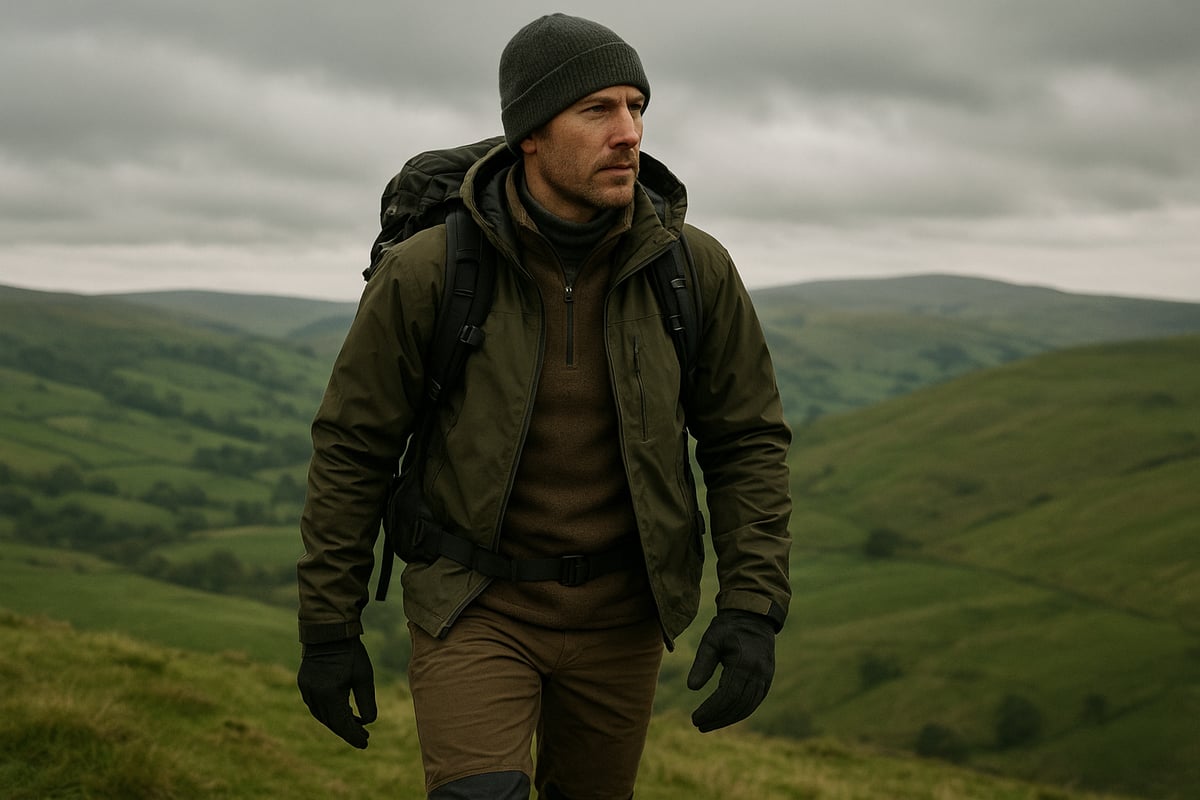
Mastering the art of layering is the foundation of comfort and safety in outdoor clothing and gear. A well-designed layering system allows you to adapt to changing weather, regulate body temperature, and enjoy your adventure without compromise. Let us explore each layer, the role it plays, and how to optimise your outdoor clothing and gear for every environment.
Base Layers: Moisture Management
The base layer is your first defence in outdoor clothing and gear, managing moisture and keeping skin dry. Choose wicking fabrics like merino wool or advanced synthetics, as these pull sweat away from your body and dry quickly. Merino wool is especially valued for winter expeditions, offering warmth and natural odour resistance.
Synthetic base layers often dry faster and are more durable, while merino excels in comfort and temperature regulation. When selecting outdoor clothing and gear, compare drying times and odour control in your chosen material.
Mid Layers: Insulation and Versatility
Mid layers are crucial for insulation, trapping body heat while still allowing moisture to escape. Classic options include fleece, down, and synthetic fills. Fleece is lightweight and breathable, perfect for active pursuits. Down offers superior warmth-to-weight ratio, but synthetic insulation retains heat better when wet.
Adaptability is key. A versatile mid layer lets you add or remove warmth as conditions change. Layering can boost warmth retention by up to 30 percent, so select mid layers in your outdoor clothing and gear that suit your activity and climate.
Outer Layers: Protection from the Elements
The outer layer shields you from wind, rain, and snow. Shell jackets come in two main types: hard shells and soft shells. Hard shells excel in waterproofing and wind resistance, making them ideal for alpine and severe weather. Soft shells are more breathable, suitable for milder conditions.
Look for jackets with taped seams, adjustable hoods, and ventilation zips. For guidance on the best jackets for winter, see the 9 essential winter outdoor jackets for 2026 for expert recommendations.
Accessories: Hats, Gloves, and Gaiters
Accessories complete your outdoor clothing and gear system, playing a vital role in retaining heat and protecting extremities. In cold climates, insulated hats and waterproof gloves are essential, while lightweight caps and sun-protective gaiters suit warmer adventures.
Materials matter: choose merino or fleece for hats, and waterproof-breathable fabrics for gloves. Gaiters prevent debris and moisture from entering boots, especially useful on muddy UK trails.
Layering for Specific Climates and Activities
Customise your layering system to match the climate and activity. In cold, wet regions, prioritise waterproof outer layers and high-insulation mid layers. For hot environments, focus on lightweight, breathable fabrics and vented designs.
Quick-change strategies are important in unpredictable weather. Statistics show that 40 percent of outdoor injuries are linked to improper clothing choices, highlighting the value of a tailored outdoor clothing and gear approach.
Packing and Adjusting Your Layers
Efficient packing is vital for multi-day trips. Organise your layers so you can access them quickly as weather changes. Start with a moisture-wicking base, add or remove mid layers based on temperature, and keep your outer shell handy for sudden rain.
On the trail, regularly adjust your outdoor clothing and gear to avoid overheating or chilling. This proactive approach keeps you comfortable and safe throughout your journey.
Common Layering Mistakes and How to Avoid Them
Even experienced adventurers can overdress, underdress, or choose poor fabrics. Avoid cotton, which retains moisture and chills the body. Instead, stick to technical fibres designed for performance.
Listen to your body and the environment. Remove layers before you sweat, and add them before you feel cold. With careful planning and the right outdoor clothing and gear, you can prevent discomfort and maximise your time outdoors.
Essential Outdoor Gear Checklist for 2026
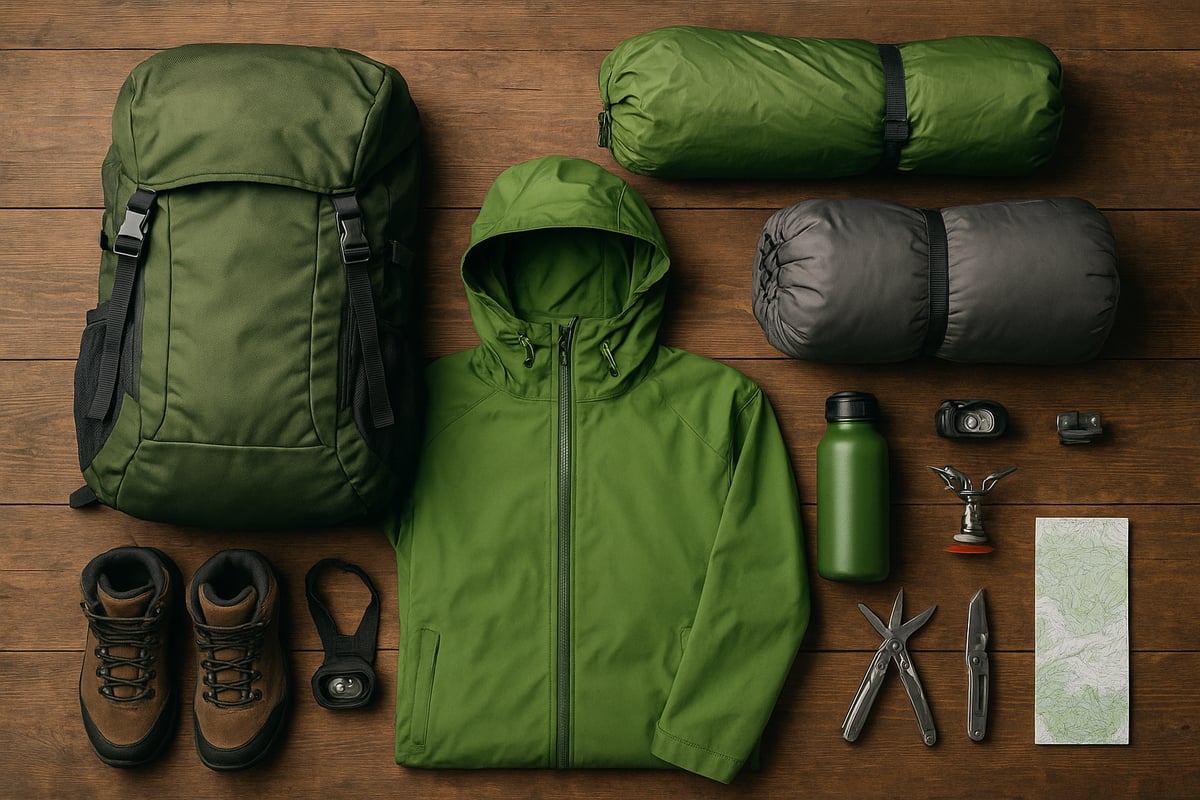
Preparing for your next adventure starts with the right outdoor clothing and gear. The right kit ensures safety, comfort, and efficiency, no matter your environment. Use this step-by-step checklist to help you select and pack the essentials for 2026.
Backpacks and Carry Solutions
A reliable pack is the cornerstone of every outdoor clothing and gear checklist. Look for adjustable suspension systems for comfort, hydration compatibility for convenience, and modular attachments for flexibility.
Pack size should match your trip length and activity. For overnight hikes or weekend treks, a 40L pack balances capacity and portability. Expeditions or winter trips may require 60L or more.
| Trip Length | Recommended Pack Size | Key Features |
|---|---|---|
| Day hike | 20–30L | Lightweight, compact |
| Weekend trek | 40–50L | Adjustable fit, pockets |
| Extended trip | 60L+ | Robust frame, add-ons |
Choose packs with ventilated back panels and weather-resistant fabrics to protect your outdoor clothing and gear.
Shelter: Tents, Tarps, and Bivvies
Shelter options have evolved to meet diverse outdoor clothing and gear needs. Ultralight tents are ideal for fastpacking, while four-season tents withstand harsh weather.
Tarps and bivouacs offer minimalist protection for those prioritising weight savings. When selecting a shelter, consider weather resistance, ease of setup, and packability.
For UK wild camping, tarps provide flexibility and can be paired with bug nets or groundsheets. Case studies show that lightweight tarp shelters are increasingly popular for multi-day treks.
Sleeping Systems: Bags, Pads, and Quilts
Your sleep system is a crucial part of outdoor clothing and gear, affecting rest and recovery. Sleeping bags now feature advanced insulation—down for warmth-to-weight, synthetic for wet conditions.
Temperature ratings help match bags to expected lows. Quilts have gained traction for their versatility and weight savings. Sleeping pads, both foam and inflatable, add comfort and insulation from the ground.
In 2026, hybrid systems combining quilts and ultralight pads are trending among long-distance hikers seeking both comfort and efficiency.
Cooking and Hydration Equipment
Efficient cooking and hydration gear is essential for any outdoor clothing and gear setup. Modern stoves come in canister, liquid fuel, and alternative forms, each suited to different environments.
Water filtration systems now include gravity and solar-powered options. Solar water purifiers have become a favourite for remote expeditions, reducing reliance on chemical treatments.
Compact cookware, collapsible bottles, and insulated mugs help streamline your kit. For more inspiration, consider the 9 must-have outdoor gadgets for adventurers, which highlights innovative solutions for outdoor meals and hydration.
Navigation and Safety Tools
Navigation and safety are non-negotiable elements of outdoor clothing and gear. GPS devices, traditional compasses, and detailed maps remain vital for route finding.
Emergency beacons and satellite communicators offer peace of mind in remote areas. Never forget a comprehensive first aid kit, which should include blister care, bandages, and personal medications.
Industry statistics show that 90 percent of outdoor incidents could be avoided with proper safety gear, underscoring the importance of preparedness.
Lighting and Power Solutions
Effective lighting is indispensable for safe travel and camp life. Choose headlamps with adjustable brightness, long battery life, and water resistance for your outdoor clothing and gear checklist.
Lanterns provide ambient light for group settings, while solar chargers and battery packs ensure devices remain powered. Advancements in eco-friendly batteries are making off-grid adventures more sustainable.
Always carry spare batteries or a backup light source to avoid being caught out after dark.
Clothing and Footwear Essentials
Footwear is a foundation of outdoor clothing and gear. Opt for boots or trail shoes offering support, grip, and waterproofing matched to your terrain.
Pair with technical socks for moisture management and gaiters for debris protection. Spare clothing layers, including hats and gloves, keep you comfortable as weather changes.
Refer to guides on warm outdoor clothing for the latest in insulation and comfort, ensuring your kit is ready for any condition.
Multi-Tools and Accessories
No outdoor clothing and gear checklist is complete without multi-tools and repair items. A quality knife, multitool, and duct tape can solve countless problems in the field.
Repair kits for tents and clothing, spare buckles, and safety pins help address unexpected failures. Utility rolls or organiser pouches keep accessories accessible and prevent loss.
Experienced adventurers know that a single roll of duct tape can mean the difference between a minor inconvenience and a major setback.
Sustainable and Ethical Choices in Outdoor Gear
Sustainability is now a top concern for outdoor enthusiasts. Choosing responsible outdoor clothing and gear ensures your adventures protect the environment and support ethical industry practices. With growing demand, brands are innovating to make gear that is as good for the planet as it is for your journeys.
Eco-Friendly Materials and Manufacturing
Modern outdoor clothing and gear increasingly use recycled and biodegradable materials. Recycled polyester, organic cotton, and plant-based fibres are now common. Some brands even use waste products in their designs. For instance, Columbia Sportswear has introduced Omni-Tech Eco: Columbia revamps its original waterproof fabric with recycled coffee grounds, highlighting a shift towards eco-conscious innovation.
Industry leaders are investing in low-impact manufacturing processes. Over half of outdoor clothing and gear shoppers now prioritise sustainability when making purchasing decisions. This trend is accelerating the availability of greener products for all types of adventures.
Ethical Sourcing and Fair Labour
The best outdoor clothing and gear is not only sustainable but also ethically produced. Transparent supply chains help to ensure fair wages and safe working conditions. Certifications like Fair Trade, Bluesign, and Responsible Down Standard give shoppers confidence in the origins of their kit.
Brands with a strong ethical stance clearly display these certifications. When selecting outdoor clothing and gear, look for companies that publish detailed sourcing information and regularly audit their factories for compliance.
Longevity, Repair, and Second-Hand Markets
Investing in long-lasting outdoor clothing and gear reduces waste and saves money over time. Many manufacturers now design products for easy repair, offering spare parts and repair kits. Programmes like Patagonia’s Worn Wear encourage users to extend the life of their favourite items.
The rise of gear rental, resale platforms, and outdoor gear libraries in the UK allows adventurers to access quality equipment whilst reducing environmental impact. Choosing pre-loved or easily repairable gear is a practical step towards a more sustainable outdoor lifestyle.
Reducing Your Environmental Footprint
Minimising your impact starts with responsible choices before, during, and after each trip. Pack reusable containers, avoid single-use plastics, and follow Leave No Trace principles. Dispose of worn-out outdoor clothing and gear through recycling or donation schemes whenever possible.
Consider the entire lifecycle of your equipment. Plan for maintenance and repair, and choose multipurpose items to reduce the amount of gear you need. These habits ensure your adventures leave nature as you found it.
How to Identify Truly Sustainable Products
Decoding sustainability claims can be challenging. Look for trusted certifications, transparent material lists, and clear repair or recycling programmes. Beware of greenwashing, where labels suggest eco-friendliness without substance.
A practical checklist for outdoor clothing and gear includes:
- Verified third-party certifications
- Detailed material sourcing
- Repair, resale, or recycling options
- Honest, transparent marketing
Making informed choices means your outdoor kit will support both your adventures and the planet.
Gear Care, Maintenance, and Storage Tips
Proper care of your outdoor clothing and gear ensures top performance, safety, and longevity for every adventure. By adopting effective cleaning routines, timely repairs, and smart storage habits, you protect your investment and reduce waste. Let us walk through the best practices to keep your equipment trail ready, season after season.
Cleaning and Preserving Outdoor Clothing
Regular cleaning is essential for maintaining the function and comfort of outdoor clothing and gear. Always follow manufacturer instructions, using technical wash products designed for waterproof and breathable fabrics. Avoid ordinary detergents, as they can strip protective coatings.
For waterproof layers, use a gentle cycle and reproof with a specialist spray or wash-in treatment to restore Durable Water Repellent (DWR) finishes. Spot clean stubborn marks to prevent build-up. Proper cleaning not only extends product life, it also improves performance in the field. If you are updating your kit, consider the 9 essential warm outdoor clothing picks for reliable, easy-to-maintain options.
Repairing and Reviving Gear
Accidents happen, but many issues with outdoor clothing and gear can be fixed with simple repairs. Always carry a basic repair kit including patches, seam sealer, and spare buckles. Patch small holes promptly to prevent further damage.
For more complex repairs, seek professional services or use warranty programmes offered by leading brands. Zipper replacements, seam taping, and reproofing are common fixes. Regular attention to wear and tear extends the lifespan of your gear and ensures safety on longer trips.
Proper Storage for Longevity
How you store outdoor clothing and gear directly affects its durability. Clean all items before storage and ensure they are thoroughly dry to prevent mould and mildew. Sleeping bags and insulated jackets should be stored loosely in large sacks, not compressed, to maintain loft.
Tents and waterproofs benefit from cool, dry storage with plenty of ventilation. Boots and shoes should be aired and kept away from direct sunlight. Organise your gear so items are easy to access and inspect before your next journey.
Preparing Gear for Next Adventure
Before each outing, inspect your outdoor clothing and gear for signs of damage or wear. Check seams, fasteners, and waterproof coatings. Test electronic devices and replace batteries as needed.
Create a checklist to ensure nothing is forgotten. Restoring water repellency or insulation before departure enhances comfort and safety. For more comprehensive trip preparation, consult resources like the Camping and survival gear essentials guide.
When to Replace Versus Repair
Sometimes, replacement is safer or more sustainable than repeated repairs. Retire gear with irreparable tears, delamination, or compromised insulation. Consider whether repair costs exceed replacement value or if safety could be compromised.
Evaluate the environmental impact of disposal and explore recycling or donation options when possible. Responsible decisions about your outdoor clothing and gear benefit both you and the planet.
Expert Recommendations and 2026 Trends
The landscape of outdoor clothing and gear in 2026 is defined by rapid innovation, sustainability, and a strong connection to user needs. Staying updated with the latest trends ensures you make informed choices for your next adventure.
Innovations Shaping Outdoor Clothing and Gear
Smart textiles are transforming outdoor clothing and gear, providing adaptable comfort and safety. In 2026, innovations such as AI-driven design, wearable sensors, and modular components are standard features. For example, jackets can now automatically adjust insulation in response to environmental changes, maintaining optimal body temperature.
A remarkable advancement is the development of thermally adaptive textiles, inspired by nature. These fabrics can autonomously modulate heat retention, enhancing comfort across a range of climates. To learn more, see the research on the thermally adaptive textile inspired by morpho butterfly.
Modular gear systems also offer customisation, allowing you to tailor your setup for activities from hiking to wild camping. With these technologies, outdoor clothing and gear adapts to your journey, not the other way around.
Popular Brands and Standout Products in 2026
The market for outdoor clothing and gear continues to expand, with brands competing to deliver both performance and sustainability. According to the Outdoor Apparel Market Growth Driven by 7.15% CAGR by 2035, demand is surging for eco-friendly and technologically advanced products.
Below is a summary of leading brands and their standout offerings:
| Brand | Notable Product | Key Feature |
|---|---|---|
| Patagonia | Nano Puff Jacket | Lightweight, recycled fill |
| Outhaus | Canvas Swag | Durability, comfort |
| Arc'teryx | Beta AR Shell | Waterproof breathability |
| Rab | Mythic Ultra Sleeping Bag | Weight-to-warmth ratio |
Choosing gear from these brands ensures your outdoor clothing and gear meets the highest standards of quality and innovation.
Outhaus: Premium Canvas Swags and Tarps for UK Adventurers
Outhaus has become a go-to for UK campers seeking robust outdoor clothing and gear that stands up to unpredictable British weather. Their canvas swags, tarps, and accessories are built for comfort, longevity, and weather resistance.
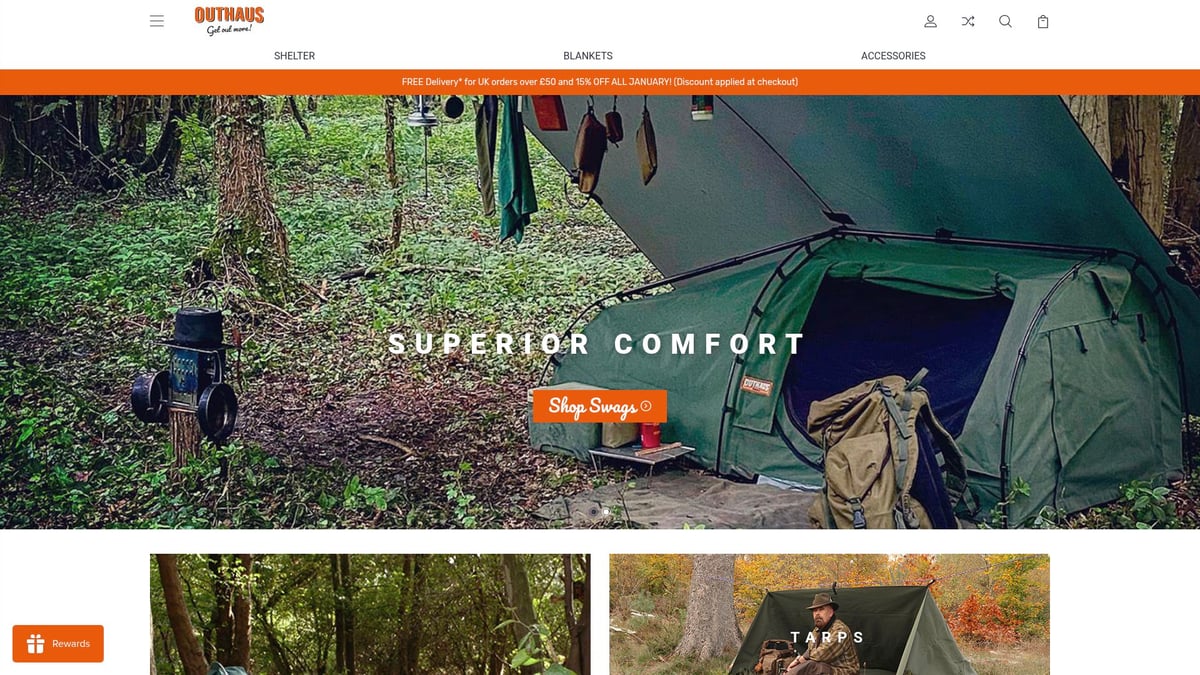
Unique features include a lifetime warranty, educational resources, and a commitment to sustainable materials. Outhaus supports the outdoor community through sponsorships and expert advice, making them an ideal choice for wild campers, bushcrafters, and overland travellers.
Swag camping with Outhaus products delivers reliable shelter and restful sleep, regardless of the elements.
Outdoor Community Insights: What Adventurers Want in 2026
Surveys reveal that outdoor enthusiasts now prioritise sustainability, modularity, and digital integration in their outdoor clothing and gear. Minimalist packing, experience-driven product design, and community recommendations are shaping purchasing decisions.
Adventurers seek multi-functional gear that balances environmental responsibility with high performance. The rise of digital platforms for sharing reviews and advice empowers users to make smarter choices, ensuring every purchase aligns with real-world needs.
Preparing for Your Next Adventure: Practical Takeaways
Before your next trip, take these expert-backed steps to ensure your outdoor clothing and gear is ready:
- Inspect all gear for wear and damage.
- Update your layering system with climate-appropriate options.
- Choose multi-purpose items to minimise pack weight.
- Verify your safety equipment is functional and up to date.
- Consult recent community reviews and expert recommendations.
By following this checklist, you maximise comfort, safety, and enjoyment on every outdoor journey.