

Naturehike Gas Stove Guide: Expert Tips for 2026 Camping
RankPill on 4th Feb 2026
Imagine waking up to the crisp morning air, ready to brew fresh coffee or cook a hearty breakfast, wherever your next adventure leads. With the right naturehike gas stove, outdoor cooking becomes effortless, safe, and enjoyable, no matter the location.
This guide brings you expert advice for choosing, using, and maintaining your stove, ensuring you achieve the best results on every camping trip. Discover the latest Naturehike models, learn how to compare fuel types, get insider setup and cooking tips, and find essential safety advice to make every meal a success.
Whether you are a seasoned explorer or planning your first outing, you will find everything you need to make informed choices and enjoy reliable camp cooking in 2026.
Understanding Naturehike Gas Stoves: Models, Features & Innovations
Naturehike has established itself as a leading brand in the camping stove market, known for blending reliability, innovation, and value. In 2026, the naturehike gas stove range continues to impress both casual campers and seasoned outdoor enthusiasts. Their latest offerings balance portability with performance, making them a top choice for adventure seekers.
Leading Models in the 2026 Range
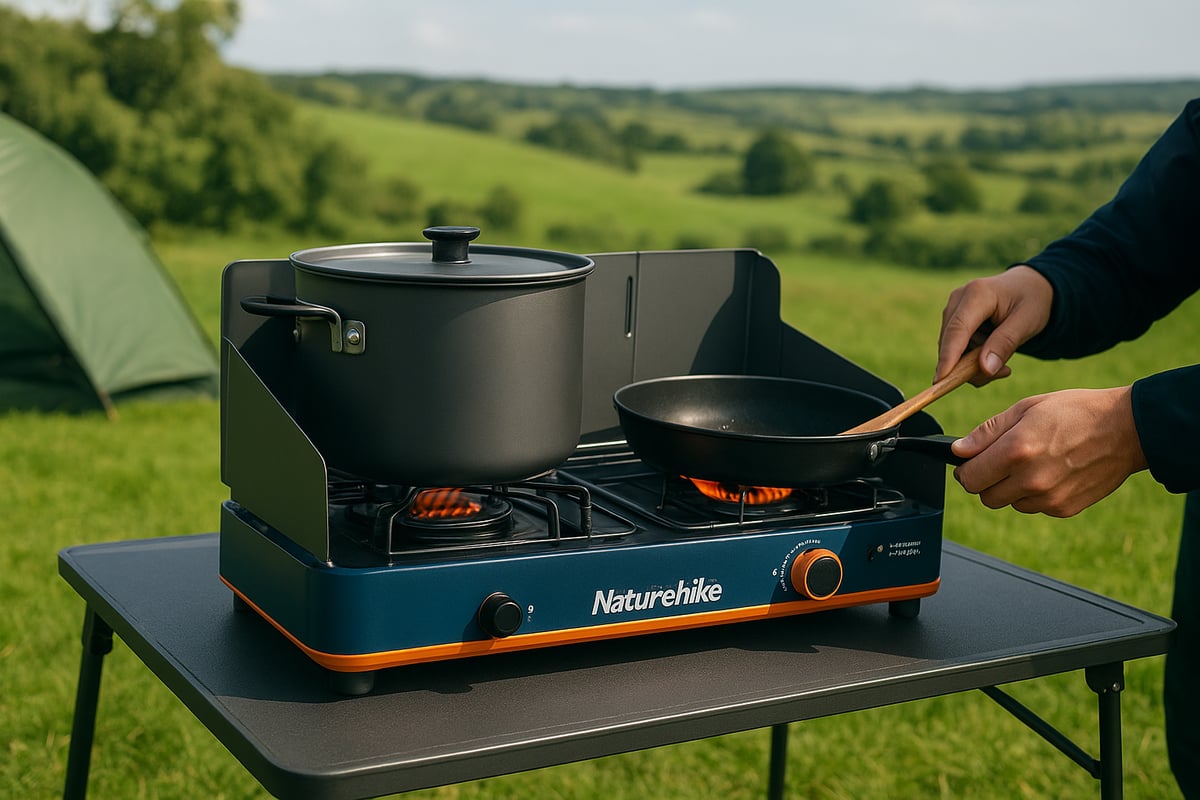
Naturehike’s 2026 line-up builds on years of user feedback and technological progress. The flagship Phantom™ 2-Burner Folding Stove stands out for its compact design and powerful output, ideal for group meals or family trips. The IGT Table Stove is tailored for modular kitchen setups, fitting seamlessly with integrated gear tables and camp cookware.
Other notable entries include the lightweight Portable Butane-Propane Stove and the versatile 3-Burner Portable Gas Stove, catering to both solo backpackers and larger groups. Each naturehike gas stove is engineered for easy transport, quick assembly, and efficient fuel use.
Unique Features and 2026 Innovations
Naturehike’s commitment to continuous improvement is evident in their latest features:
- Folding designs for ultra-compact storage
- Lightweight materials such as aluminium alloys
- Dual and triple burner options for flexible meal prep
- Integrated windshields to ensure steady flames
- Compatibility with isobutane, propane, and blends
In 2026, innovations include advanced fuel valves for precise heat control and safer connections, as well as upgraded piezo ignition systems for spark reliability. Enhanced burner designs reduce boil times and improve simmering, ensuring every naturehike gas stove meets the demands of modern campers.
For those seeking detailed specifications and real-world performance, the Naturehike Folding Double Burner Gas Stove showcases these advancements, highlighting portability and user-friendly design.
Comparing Naturehike to Competitors
Naturehike competes directly with brands like MSR, Jetboil, and Primus. A key differentiator is their focus on value and modularity, appealing to campers looking for adaptable solutions. Below is a comparison of core attributes:
| Brand | Weight (kg) | BTU Output | Fuel Options | Key Feature | Warranty |
|---|---|---|---|---|---|
| Naturehike | 2.1 | 10,000 | Isobutane, Propane | Folding, dual burners | 2 years |
| MSR | 2.3 | 9,500 | Isobutane | Compact, single burner | 3 years |
| Jetboil | 1.8 | 9,000 | Isobutane | Fast boil, all-in-one | 1 year |
| Primus | 2.0 | 10,500 | Propane, Butane | Robust, triple burner | 2 years |
Naturehike’s stoves offer a strong balance of power, weight, and price, making them a compelling choice for budget-conscious adventurers.
Suitability for Every Camping Style
Whether you are backpacking solo, car camping, or cooking for a group, there is a naturehike gas stove that fits your needs. Lightweight models appeal to hikers who count every gram, while robust multi-burner stoves are perfect for family feasts. Compatibility with accessories like IGT tables and a range of cookware ensures flexible camp kitchen setups.
User Feedback and Satisfaction Trends
Recent reviews and sales data reveal high satisfaction with the naturehike gas stove range. Users praise the quick setup, stable performance in wind, and consistent ignition. Many note that improvements in fuel efficiency and safety are especially valuable for longer trips.
With a strong reputation and continuous innovation, the naturehike gas stove remains a trusted companion for campers in 2026.
Choosing the Right Naturehike Gas Stove for Your Camping Needs
Selecting the ideal naturehike gas stove can transform your outdoor cooking experience, making meal preparation both efficient and enjoyable. With a variety of models and features available, it is essential to match your stove choice to your camping style, cooking needs, and practical considerations.
Assessing Your Camping Style and Cooking Requirements
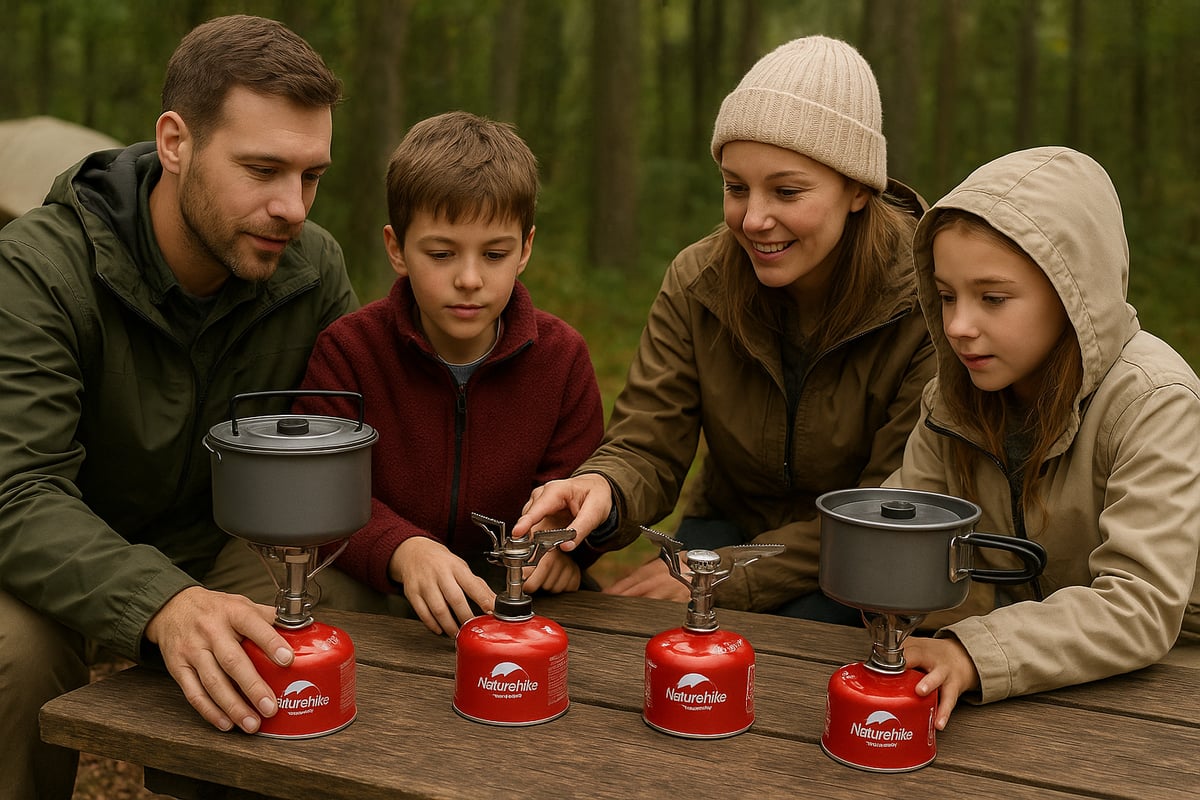
The first step in choosing a naturehike gas stove is to consider how you camp and what you want to cook. Are you a solo backpacker needing a lightweight, compact stove for quick meals, or do you camp with family or friends where group cooking is a priority?
For solo adventurers, a single-burner naturehike gas stove offers portability and simplicity, ideal for boiling water or preparing dehydrated meals. In contrast, families and group campers benefit from dual or triple-burner stoves, which allow for simmering, grilling, and multitasking with multiple pots and pans.
Think about the meals you plan to prepare. If you enjoy simmering stews or grilling, you will require a stove with precise flame control. For quick boiling, a high-output burner is more suitable. Consider the weight and packed size, especially if you carry your stove over long distances. Frequent campers may prefer a robust model with a larger fuel capacity, while occasional users might prioritise ease of setup and storage.
Compatibility with existing gear, such as IGT tables or specific cookware, is another important factor. For example, a naturehike gas stove designed for modular tables can streamline your camp kitchen setup. Real-world scenarios show that backpackers often favour ultralight stoves, while family campers opt for multi-burner models to accommodate larger meals and group sizes.
Fuel Types and Efficiency: What You Need to Know
Understanding fuel options is key to maximising the performance of your naturehike gas stove. Most models are compatible with isobutane, propane, or blended canisters, each with unique benefits. Isobutane canisters are lightweight and efficient, making them a popular choice for backpackers. Propane provides reliable performance in colder conditions and at higher altitudes, ensuring your stove delivers consistent heat.
Efficiency statistics highlight that a typical naturehike gas stove can boil a litre of water in under four minutes, with fuel consumption varying by burner output and weather conditions. In cold weather, propane blends maintain pressure better, while isobutane may struggle below freezing. Environmental impact is also a consideration, as some fuel canisters are recyclable or refillable, reducing waste.
Cost analysis over a season shows that while isobutane canisters may have a higher upfront price, their efficiency can lead to savings for frequent campers. Safe transport and storage are vital, so always store canisters upright, away from direct sunlight, and check for leaks before use. Selecting the right fuel type for your camping environment ensures your naturehike gas stove performs reliably and safely.
Key Features to Compare When Selecting a Stove
When comparing naturehike gas stove models, focus on features that directly impact your camping experience. Burner output, measured in BTUs, determines how quickly you can boil water or cook meals. Look for stoves with adjustable heat controls for greater cooking versatility. Stability is crucial, so consider models with integrated windshields and sturdy leg designs to prevent tipping.
Ease of use is another essential factor. Modern ignition systems, such as piezoelectric starters, eliminate the need for matches and simplify lighting. Maintenance is straightforward on models with removable burner heads and easy-to-clean surfaces. Durability depends on materials and construction, with stainless steel and aluminium offering long-lasting performance. Warranty terms provide peace of mind, ensuring support if issues arise.
Packability matters for those with limited space, so folding designs and compact storage solutions are advantageous. Value for money should be assessed based on the stove’s features, build quality, and compatibility. For example, the Naturehike 3-Burner Portable Gas Stove for IGT Table demonstrates versatility and efficiency, making it an excellent option for group campers or those seeking modular kitchen setups.
By carefully weighing these factors, you can confidently select a naturehike gas stove that fits your camping needs and enhances your outdoor culinary adventures.
Step-by-Step Guide: Setting Up and Using Your Naturehike Gas Stove
Setting up your naturehike gas stove correctly is crucial for safe, efficient, and enjoyable outdoor cooking. This step-by-step guide will walk you through unboxing, assembly, optimal cooking practices, and post-use maintenance, ensuring your stove performs at its best throughout every camping adventure.
Unboxing and Initial Inspection
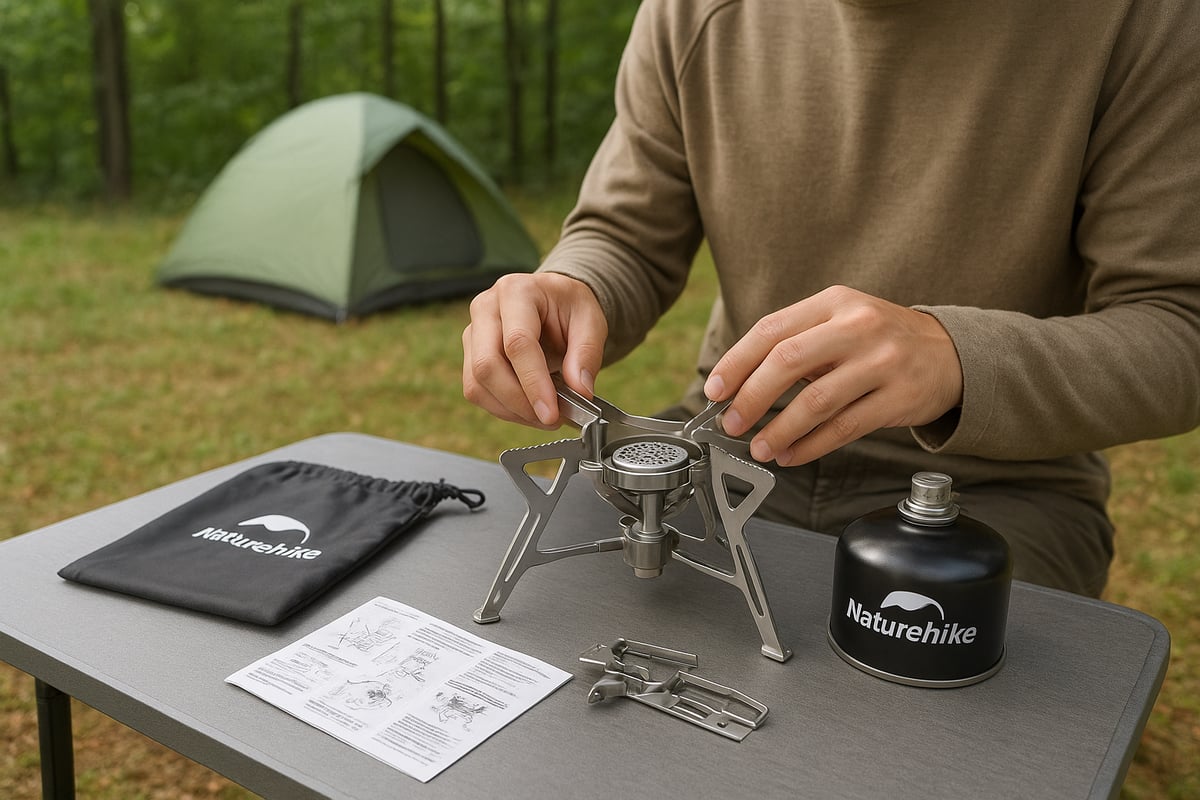
When you first receive your naturehike gas stove, begin by carefully unboxing all components. Lay out the stove, hoses, igniter, and carry bag on a flat surface. Cross-check each item with the user manual to confirm nothing is missing.
Inspect the stove for any visible damage or manufacturing defects. Examine seals, burner heads, and connections to ensure they are intact. If you have the Phantom 2-Burner Folding Stove, familiarise yourself with its folding mechanism and control knobs.
Before your first use, read through the safety warnings and assembly instructions. Take a moment to understand how the controls operate, including ignition and flame adjustment. This initial attention to detail helps prevent issues later and establishes a safe foundation for using your naturehike gas stove.
Safe Assembly and Fuel Connection
Secure assembly is vital for safe operation of your naturehike gas stove. Start by placing the stove on a stable, non-flammable surface. Attach the hose to the stove inlet, ensuring the connection is tight but not over-forced.
Next, connect your fuel canister. For isobutane or propane models, screw the canister into the regulator until you feel resistance. Use adapters if your stove supports multiple fuel types. Always check for leaks by applying soapy water to the connection and watching for bubbles.
Once secure, test the igniter by briefly turning the gas on and pressing the ignition button. Adjust the flame control to verify a steady, blue flame. If you encounter sputtering or weak ignition, double-check all connections and consult the troubleshooting section of your manual.
Never assemble or ignite your naturehike gas stove near combustible materials or inside enclosed spaces. These precautions ensure both safety and optimal performance from the start.
Cooking Techniques and Camp Kitchen Setup
A well-organised camp kitchen is essential for making the most of your naturehike gas stove. Position the stove so it is sheltered from prevailing wind, using integrated windshields or natural barriers like rocks or logs. Ensure the surface is level, preventing pots from tipping.
Adjust the flame based on your cooking needs. For simmering delicate sauces, use the lower setting. For boiling water or grilling, turn the heat up. If using a dual-burner model, coordinate meals by assigning burners to different tasks, such as boiling on one and frying on the other.
Select cookware that matches your stove’s size and burner output. Non-stick or lightweight pots are ideal for efficient heat transfer. Clean utensils as you go to prevent residue build-up, which can affect both taste and stove performance.
For more inspiration on hassle-free outdoor cooking, you may find the Outdoor cooking made easy guide a valuable resource for practical tips and meal ideas that complement your naturehike gas stove setup.
Packing Down and Maintenance After Use
After cooking, turn off the gas supply and allow your naturehike gas stove to cool completely before handling. Carefully disconnect the fuel canister and hose, checking for any gas odour that could indicate a leak.
Wipe down burner heads and surfaces with a damp cloth to remove food splatters and grease. Store all components neatly in the carry bag, ensuring hoses are coiled loosely to avoid kinks.
Inspect the stove for signs of wear after each trip, such as damaged seals or loose fittings. For long-term storage, keep your naturehike gas stove in a dry, dust-free environment. Regular maintenance prolongs its life and guarantees reliable performance on your next outing.
Expert Tips for Maximising Performance and Safety
Outdoor cooking can be one of the most rewarding aspects of camping, but it comes with its own set of challenges. To get the best from your naturehike gas stove, you need to maximise both performance and safety, especially in unpredictable conditions. Let’s explore expert strategies that will help you enjoy reliable, stress-free camp meals no matter where you pitch your tent.
Cooking in Challenging Conditions: Wind, Rain, and Cold
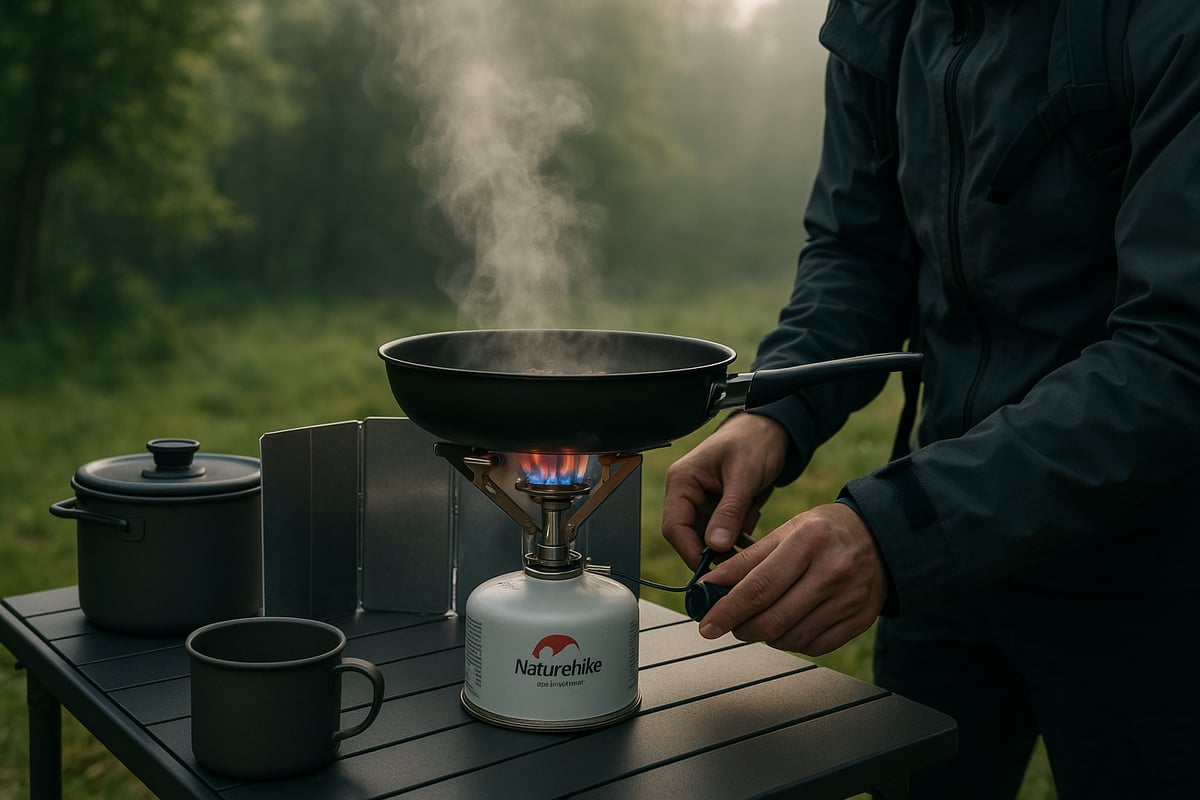
When camping, the British weather can turn quickly, so preparing your naturehike gas stove for wind, rain, or cold is crucial. Integrated windshields help protect the flame, but it’s wise to position your stove behind natural barriers such as rocks or logs for extra shielding.
In cold temperatures, gas pressure drops, which can affect your naturehike gas stove’s performance. Choose isobutane-propane blends for better efficiency and pre-warm canisters inside your jacket before use. Adjust the flame higher to compensate for lower temperatures, and use wider pans to capture more heat.
Set your stove on flat, stable ground to avoid tipping. If the ground is uneven, use small stones to level your setup. Always keep ignition sources like matches or lighters dry in waterproof bags as a backup.
For more detailed strategies on staying warm and cooking confidently in winter, see these essential winter camping tips. With a naturehike gas stove and the right preparation, you can enjoy hot meals even in harsh weather.
Essential Safety Practices for Gas Stove Use
Safety should be your top priority when operating any gas stove. Before igniting your naturehike gas stove, always check for gas leaks using a soapy water solution on all connections. Bubbles indicate a leak, so never proceed until you’ve fixed the issue.
When lighting, follow the manufacturer’s instructions carefully. Ignite the stove before placing pots or pans to avoid flare-ups. Ensure your cooking area is well ventilated to prevent carbon monoxide buildup, especially if you’re using a shelter or awning.
Keep children and pets at a safe distance from your naturehike gas stove. Always have a fire extinguisher or water source nearby. In case of a fuel spill, turn off the stove immediately and move the canister to a well-ventilated area.
Key safety steps for every trip:
- Check all seals and hoses for wear before use
- Store fuel canisters upright and away from direct sun
- Never leave the stove unattended while in use
By following these practices, you ensure that your naturehike gas stove remains a safe and reliable companion for every adventure.
Troubleshooting Common Issues
Even with the best equipment, issues can arise in the field. If your naturehike gas stove produces a weak flame or fails to ignite, first check that the fuel canister is full and properly connected. Clean the burner head with a soft brush to remove debris that may block gas flow.
If you notice inconsistent flames, inspect the control valve for obstructions or residue. Sometimes, replacing worn O-rings can restore performance. For persistent problems, consult the user manual or contact Naturehike customer support for warranty assistance.
Preventative maintenance goes a long way. After each trip, clean all components, check for damage, and store your naturehike gas stove in a dry, dust-free environment. This routine reduces the risk of unexpected issues and extends your stove’s lifespan.
By mastering troubleshooting techniques, you keep your camping experience smooth and safe, ensuring your naturehike gas stove is always ready for your next outdoor feast.
Comparing Naturehike Gas Stoves to Other Brands in 2026
Selecting the right camping stove is crucial for outdoor enthusiasts in 2026. The naturehike gas stove stands among leading brands like MSR, Jetboil, and Primus, each offering unique benefits for campers. To make an informed decision, it is essential to analyse performance, features, and real-world feedback side by side.
Comparing Naturehike Gas Stove to Leading Brands
To help visualise the key differences, the table below compares top models from Naturehike, MSR, Jetboil, and Primus. Criteria include weight, BTU output, fuel efficiency, warranty, and price range. This comparison highlights how the naturehike gas stove balances performance and affordability for UK and European campers.
| Brand & Model | Weight (kg) | BTU Output | Fuel Efficiency | Warranty | Price Range |
|---|---|---|---|---|---|
| Naturehike Phantom 2B | 2.2 | 9,500 x 2 | High | 2 years | £80–£110 |
| MSR WhisperLite | 0.43 | 10,000 | Moderate | 3 years | £120–£150 |
| Jetboil Genesis | 4.1 | 10,000 x 2 | High | 1 year | £200–£250 |
| Primus Kinjia | 3.7 | 7,000 x 2 | High | 2 years | £140–£180 |
The naturehike gas stove is notably lighter than some dual-burner competitors, offering a strong balance of BTU output and efficiency at a lower price point.
Performance, Features, and Value
Naturehike gas stove models are designed for versatility, with folding frames, integrated windshields, and compatibility with both isobutane and propane canisters. Their latest 2026 upgrades include improved ignition systems and refined fuel valves, making them easier and safer to use.
In terms of cooking power, the naturehike gas stove delivers reliable heat control suitable for simmering, boiling, and grilling. Compared to Jetboil and Primus, it offers similar fuel efficiency but with less bulk, making it ideal for both backpacking and car camping. The robust construction and thoughtful warranty terms add to the value proposition for UK campers.
For families and groups, the dual-burner setup of the Naturehike Phantom 2B enables simultaneous meal prep, while the compact size supports solo adventures. Naturehike's pricing also remains accessible, providing a cost-effective alternative to premium brands without significant compromise on performance.
User Experiences and Unique Advantages
Recent reviews highlight the ease of setup and stability of the naturehike gas stove, especially on uneven ground. Users appreciate the intuitive controls and straightforward maintenance, as well as the stove's ability to perform reliably in windy and damp UK conditions.
For more insights into real-world usability and customer satisfaction, the Naturehike 2 Burner Folding Camping Stove with Griddle page offers detailed user reviews and practical feedback that can help guide your decision.
Naturehike's commitment to portability and user-friendly design stands out, with many campers reporting positive experiences across a variety of outdoor settings.
Which Stove Is Right for You?
If you prioritise lightweight design, value for money, and versatility, the naturehike gas stove is an excellent choice for most UK and European camping scenarios. For ultralight backpackers, MSR may offer a weight advantage, while Jetboil and Primus cater to those seeking premium features or integrated cooking systems.
Ultimately, your choice should reflect your camping style and cooking preferences. The naturehike gas stove provides a compelling blend of durability, performance, and affordability, making it a strong contender in the 2026 market.
Frequently Asked Questions About Naturehike Gas Stoves
Whether you are a first-time camper or a seasoned outdoor chef, questions about your naturehike gas stove are common. This section addresses the most frequent queries to help you cook confidently and keep your equipment in peak condition.
What fuel canisters are compatible with Naturehike gas stoves?
Naturehike gas stove models typically support standard isobutane, butane, and propane canisters. Always check your stove’s manual for specifics. Some models, like the Naturehike Portable Butane-Propane Stove with 2 Burners and Non-Stick Pan, offer dual-fuel compatibility for greater flexibility on different trips.
Are Naturehike stoves suitable for winter camping?
Yes, many Naturehike gas stove models perform well in cold weather, especially those using isobutane-propane blends. For best results, choose a model with a reliable ignition system and use fuel canisters rated for low temperatures. Always follow safety guidelines when cooking in challenging conditions.
How do I clean and maintain my stove for longevity?
After each trip, cool your naturehike gas stove completely, then clean burner heads and surfaces with a soft brush or cloth. Inspect hoses and connections for wear. Store the stove dry in its carry bag. Regular upkeep helps maintain performance and safety for seasons to come.
Can Naturehike stoves be used indoors or in tents?
Never use a naturehike gas stove inside enclosed spaces, including tents or vehicles. Gas stoves require proper ventilation to avoid carbon monoxide risks. Always set up your stove outdoors in a well-ventilated area, away from flammable materials and overhanging branches.
What is the warranty and customer support process?
Naturehike gas stove products generally include a manufacturer’s warranty covering defects. For support, contact the retailer or Naturehike customer service directly. Keep your proof of purchase and refer to the user manual for warranty details and claim instructions.
Where can I buy replacement parts or accessories?
Replacement parts and accessories for your naturehike gas stove are available through authorised Naturehike retailers and some outdoor shops. For specific models, check online or consult the product manual for compatible components. Always use genuine parts to ensure safety and performance.
Tips for safe storage and travel with gas stoves
Before storing your naturehike gas stove, detach and seal fuel canisters separately. Keep stoves and fuel in cool, dry places away from heat sources. For more advice on safe and efficient camp cooking, see these Campfire cooking hacks and tips.
Future Trends: What’s Next for Camping Stoves in 2026 and Beyond?
The world of camping gear is evolving rapidly, and the humble naturehike gas stove is at the forefront of these changes. As we look towards 2026 and beyond, manufacturers are focusing on smarter, cleaner, and more adaptable stoves to meet the needs of modern outdoor enthusiasts.
Smart technology and digital integration
Industry experts predict that the next generation of naturehike gas stove models will feature enhanced digital controls. Expect to see integrated temperature sensors, Bluetooth connectivity for remote adjustments, and even safety alerts sent to your phone. These innovations will allow campers to cook with greater precision and confidence, whether simmering a delicate sauce or boiling water for a quick meal.
Eco-friendly fuels and sustainability
Environmental responsibility is shaping the future of outdoor gear. The naturehike gas stove of tomorrow will likely support new eco-friendly fuel blends, reducing carbon emissions without compromising performance. Biogas cartridges and recyclable canisters are being trialled, and Naturehike engineers are working to ensure compatibility with these greener options. Such advances will help campers minimise their footprint, aligning with the growing demand for sustainable camping practices.
Ultralight and modular systems
Weight is always a concern for backpackers. In response, brands are developing stoves with even lighter alloys and compact folding mechanisms. The 2026 naturehike gas stove lineup is expected to offer modular compatibility, allowing users to customise their setup for solo treks or group feasts. Integration with camp kitchen ecosystems, such as IGT tables and modular cookware, is becoming standard. For those planning their next adventure, resources like 7 convenient campfire ingredients can help optimise meal choices to match these new systems.
User-driven design and future releases
Feedback from campers is driving innovation. New safety features, like improved flame control and automatic shut-off, are being introduced based on real-world needs. Naturehike product engineers are actively engaging with the outdoor community to refine each naturehike gas stove model before launch. With industry trends pointing towards even smarter, lighter, and more eco-conscious solutions, it is wise to stay informed about upcoming releases and upgrades.
As the landscape of outdoor cooking continues to change, investing in a future-ready naturehike gas stove ensures you are equipped for any adventure. Watch for announcements, explore new features, and be ready to embrace the next wave of camping stove technology.