

Guide to Nikwax Tent and Gear Solarproof: Protection Tips 2026
RankPill on 13th Feb 2026
As we look ahead to 2026, protecting outdoor gear and tents from UV damage and unpredictable weather is more important than ever. With the rise in quality camping equipment investments, ensuring your kit lasts for many seasons is essential.
Nikwax tent and gear solarproof stands out as a leading solution, offering advanced UV and water protection to help keep your equipment in top condition.
This guide will walk you through everything you need to know about nikwax tent and gear solarproof. You will find practical application steps, expert advice, and tips for long-term maintenance.
Understanding Nikwax Tent and Gear Solarproof
Outdoor enthusiasts in 2026 are investing more in quality equipment, making it vital to protect their gear for years to come. One solution leading the way in UV and water protection is nikwax tent and gear solarproof. This section will help you understand what makes this product unique and why UV protection is crucial for every camper or adventurer.
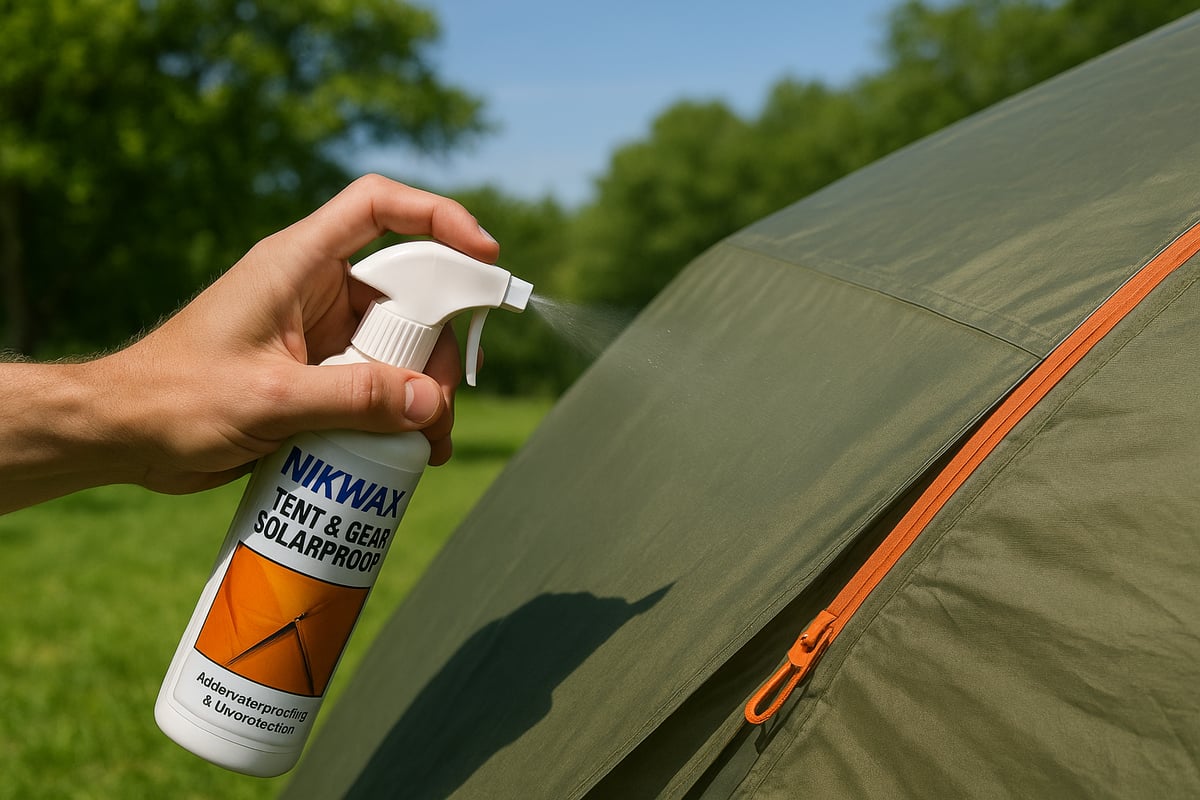
What is Nikwax Tent and Gear Solarproof?
Nikwax tent and gear solarproof is a specialised treatment designed to safeguard outdoor fabrics from both ultraviolet rays and water ingress. Its primary function is to extend the life of tents, awnings, rucksacks, and other polyester, nylon, and canvas gear by creating a protective barrier.
The science behind nikwax tent and gear solarproof lies in its advanced water-based formula. It binds to fabric fibres, forming a durable shield that repels water while simultaneously blocking harmful UV rays. This dual-action approach not only prevents leaks but also reduces fading, weakening, and brittleness caused by sun exposure.
Suitable materials include polyester, nylon, and canvas, which are commonly used in tents and outdoor shelters. The product is safe for most synthetic and natural fibres, making it versatile for various gear types. Key features include:
- Water-based and eco-friendly formulation
- Non-flammable and free from PFCs or harmful chemicals
- Easy to apply, with spray and liquid formats available
- Maintains breathability and softness of the fabric
Here is a quick comparison of nikwax tent and gear solarproof with other proofing options:
| Feature | Nikwax Solarproof | Silicone-based Proofers | Wax-based Proofers |
|---|---|---|---|
| Water-based | Yes | No | No |
| UV Protection | Yes | Sometimes | No |
| Eco-friendly | Yes | No | Sometimes |
| Application Method | Spray/Liquid | Spray | Rub-on |
Many users praise nikwax tent and gear solarproof for its ease of use and visible results. For example, a regular camper shared, "After a wet and sunny summer, my tent still looks new and stays dry inside, thanks to this treatment." These testimonials highlight the product’s effectiveness in real-world conditions.
Why UV Protection is Essential for Outdoor Gear
Ultraviolet degradation is a leading cause of premature fabric failure in outdoor gear. When exposed to constant sunlight, tent materials can lose up to 50% of their strength within just one season if left unprotected. UV rays break down the molecular structure of synthetic fabrics, causing them to fade, become brittle, and eventually tear.
The need for UV protection is increasing as UK climate projections for 2026 anticipate hotter, sunnier summers and longer periods of direct sunlight. This means outdoor gear will face even harsher conditions, making nikwax tent and gear solarproof an essential investment. Water resistance alone is not enough, as UV damage can compromise both the waterproof coating and the structural integrity of tents and shelters.
UV protection is vital not just for extending the lifespan of your gear, but also for keeping colours vibrant and fabrics strong. Products like nikwax tent and gear solarproof help preserve the appearance and function of your equipment. For more scientific detail on how UV exposure affects synthetic fabrics, see this study on UV degradation effects on fabrics.
By maintaining both water resistance and UV protection, you ensure your camping gear remains reliable, comfortable, and safe for every adventure.
Preparing Your Tent and Gear for Treatment
Before applying nikwax tent and gear solarproof, proper preparation is essential. Clean, well-maintained gear ensures the treatment bonds effectively, providing maximum UV and water protection. Taking time to prepare your tent and equipment now can significantly extend their lifespan and performance in the outdoors.

Cleaning Before Application
To get the best results from nikwax tent and gear solarproof, start with a thorough cleaning. Dirt, oils, and residues can block the treatment from absorbing into the fabric, reducing its effectiveness. Always use a gentle, residue-free cleaner designed for outdoor fabrics. Avoid regular household detergents or soaps, as they may leave behind chemicals that interfere with proofing.
For most tents and gear, cold or lukewarm water with a soft brush is ideal. Pay close attention to seams and high-wear areas, as these often collect the most grime. After cleaning, rinse thoroughly to remove any remaining cleaner. Allow your tent and gear to dry completely in a shaded, well-ventilated area, avoiding direct sunlight to prevent premature UV damage.
Timing is crucial. Choose a dry, mild day to clean your gear, as humidity or damp weather can slow drying and lead to mildew growth. Common mistakes include using harsh chemicals, scrubbing too aggressively, or not letting the fabric dry fully. For a more detailed guide on effective cleaning methods and product recommendations, visit Cleaning and care for outdoor gear.
Inspecting for Damage and Repairs
Once your tent and gear are clean and dry, inspect them carefully before applying nikwax tent and gear solarproof. Look for small rips, holes, or frayed seams, especially around high-stress points like corners and doors. Use your hands to gently stretch the fabric and spot any weaknesses.
If you find minor damage, quick repairs can make a big difference. Fabric patches and seam sealers are excellent solutions for small tears or leaks. Apply patches from the inside for a smoother finish, and always follow the manufacturer’s instructions for any repair products you use.
Address repairs before treating with nikwax tent and gear solarproof. Applying the product over damaged areas can lock in vulnerabilities, leading to leaks or further deterioration. For example, a tent with an unrepaired seam may still let in water even after proofing, undermining your efforts. Taking a little extra time now helps ensure your gear is fully protected and ready for your next adventure.
Step-by-Step Guide: Applying Nikwax Tent and Gear Solarproof
Protecting your outdoor equipment starts with proper application. A successful treatment with nikwax tent and gear solarproof depends on careful preparation, ideal conditions, and attention to detail. This section will walk you through everything from choosing the right workspace to expert tips for flawless results.

Choosing the Right Environment for Application
Before using nikwax tent and gear solarproof, select an area that is well-ventilated and spacious. Outdoor settings are ideal, such as a garden or open field. Fresh air reduces inhalation of mist and ensures the product dries evenly. If outdoors is not an option, work in a garage with the doors open, but never in small, closed rooms.
Weather plays a significant role in the effectiveness of nikwax tent and gear solarproof. Aim for a dry, mild day with temperatures between 10°C and 30°C. Humidity should be moderate to allow for proper absorption and drying. Avoid windy days, as gusts can cause overspray and uneven coverage. If rain is forecast, postpone the application to prevent water interference.
Protect the area around your tent or gear by laying down a clean tarp or plastic sheet. This prevents grass, dirt, or debris from sticking to the wet surface and stops the product from staining patios or driveways. Keep pets and children away during the process for safety.
Inspect your tent’s position. Ensure it is flat, with all fabric exposed and tensioned. This helps nikwax tent and gear solarproof reach every fibre. Remove sharp objects or clutter that could puncture or mark the material during treatment.
Finally, gather all necessary tools before starting. You will need the nikwax tent and gear solarproof spray or liquid, a soft sponge or brush, clean water, and a damp cloth for wiping excess. Having everything ready streamlines the process and prevents interruptions.
Application Process: Chronological Steps
Applying nikwax tent and gear solarproof is straightforward if you follow each step carefully. Begin by laying your tent or gear flat on the prepared surface. Make sure all panels, seams, and high-wear areas are accessible. This maximises the reach of nikwax tent and gear solarproof and avoids missed spots.
Shake the product container thoroughly. For spray formats, hold the bottle upright and apply an even mist across the fabric, keeping the nozzle about 15 cm from the surface. For liquids, use a soft sponge or brush to spread nikwax tent and gear solarproof in smooth, overlapping strokes. Work methodically, moving section by section.
Pay special attention to seams, corners, and areas exposed to frequent abrasion. These spots need thorough coverage to ensure complete protection. If treating a large tent, enlist a partner to help hold fabric taut or manage sections.
Allow the product to sit on the surface for several minutes, as per the manufacturer’s guidelines. This gives nikwax tent and gear solarproof time to bond with the fibres and create a water and UV-resistant shield. After absorption, gently wipe away any excess with a clean, damp cloth.
Let the treated items air dry completely before packing away. Avoid direct sunlight or forced heat, as these can affect the finish. For a visual walkthrough, you may find the Nikwax Solarproof application guide helpful, as it demonstrates each step in detail.
Check for consistent coverage by looking for a uniform sheen. If you notice dull or patchy areas, reapply a light coat of nikwax tent and gear solarproof to those sections. Once dry, test the water repellency by sprinkling a few drops on the surface. Water should bead and roll off, indicating a successful application.
Tips for Best Results
To achieve the best results with nikwax tent and gear solarproof, use the recommended amount per square metre, as stated on the product label. Over-applying can cause stiffness, while too little may lead to weak spots. Aim for a thin, even layer that soaks in but does not puddle.
Work in natural daylight to spot missed patches easily. For older or heavily used gear, a second, lighter application may be beneficial. Focus on areas that appear faded or have lost their original water repellency. Avoid rushing—take your time to ensure every inch is treated.
If you encounter stubborn or high-traffic areas, use a soft brush to gently work nikwax tent and gear solarproof into the fabric. This helps the product penetrate deeper and enhances durability. For tents with multiple panels, treat each section separately for even absorption.
After drying, inspect your tent or gear for uniform texture and water beading. If any areas remain absorbent, repeat the process with a small amount of nikwax tent and gear solarproof. Store your treated items in a cool, dry place to maintain their protective qualities until your next adventure.
Expert Tips for Long-Lasting Protection
Prolonging the life of your outdoor equipment requires more than a single treatment. With proper care and the right maintenance strategies, you can ensure your gear stays protected, functional, and ready for adventure. Here are expert-backed tips to maximise the benefits of nikwax tent and gear solarproof.

Maximising the Lifespan of Your Tent and Gear
Regular maintenance is crucial for ensuring your investment in nikwax tent and gear solarproof pays off. Start by following a consistent reapplication schedule. For most campers, treating gear at the start and end of each camping season is effective. However, if you use your tent frequently or camp in challenging climates, inspect more often and reapply as needed.
Proper storage is equally vital. Always store your tent and gear completely dry, in a cool, shaded place. This minimises UV exposure and prevents moisture build-up, which can lead to mildew or mould. Rolling, rather than folding, fabric can also help avoid stress points and prolong fabric integrity.
Pairing nikwax tent and gear solarproof with compatible Nikwax cleaning products enhances performance. Clean your gear with a gentle, residue-free cleaner before each treatment. For extra protection, apply seam sealant to high-wear areas and seams, ensuring comprehensive coverage.
To prevent mildew, air out your gear after each use, especially in damp conditions. If possible, set up your tent at home to let it dry thoroughly before packing away. Many experienced campers keep a maintenance log, noting treatment dates and any repairs, which helps maintain a consistent protection schedule.
For more expert guidance, consult tent maintenance best practices to further enhance your care routine.
Common Mistakes and How to Avoid Them
While nikwax tent and gear solarproof is user-friendly, certain mistakes can diminish its effectiveness. Over-applying the product may cause fabric stiffness and uneven results. Use only the recommended amount, and spread it evenly with a sponge or soft brush.
Missing seams or corners is another common pitfall. Pay close attention to these areas, as they are most vulnerable to leaks. Incomplete coverage can compromise both UV and water resistance, so inspect your work in good light.
Application in unsuitable weather can lead to poor absorption or patchiness. Choose a dry day with mild temperatures and low humidity for optimal results. Avoid windy conditions, which can cause overspray and waste product.
Lastly, always follow care instructions provided by both your tent manufacturer and the nikwax tent and gear solarproof label. Ignoring these can void warranties or damage sensitive fabrics. With attention to detail and a methodical approach, you will maintain your gear’s performance for many seasons to come.
Maintenance and Reapplication: Keeping Your Gear in Top Condition
Proper maintenance ensures your outdoor equipment stays reliable, season after season. Regular care with nikwax tent and gear solarproof not only preserves water repellency but also extends the lifespan of your trusted tents and gear. Knowing when and how to reapply this treatment is essential for protection against unpredictable UK weather.
Signs It’s Time to Reapply Nikwax Solarproof
Recognising when your gear needs another round of nikwax tent and gear solarproof is vital for effective protection. Look for these common signs:
- Fabric colour has noticeably faded since last season.
- Water no longer beads on the surface, instead soaking into the material.
- The texture of the tent or gear feels rougher or less supple.
- Seams and high-wear areas appear more vulnerable or worn.
A simple home test involves gently spraying water on the fabric. If droplets do not form and roll off, it's time to reapply nikwax tent and gear solarproof. For a comprehensive maintenance routine, create a seasonal checklist:
| Maintenance Task | Recommended Frequency |
|---|---|
| Inspect for UV damage | Start and end of each season |
| Test water repellency | Every 3-4 months |
| Clean and dry gear | After each use |
| Reapply Solarproof | Annually, or as needed |
Stay proactive, especially before long trips or after exposure to strong sun and rain. For a broader approach, explore camping and survival gear essentials to keep your entire kit adventure-ready.
Cleaning After Treatment
After applying nikwax tent and gear solarproof, gentle cleaning is crucial to maintain its effectiveness. Avoid harsh detergents or soaps that might strip the protective finish. Instead, use lukewarm water and a soft sponge or cloth to remove dirt and debris.
Specialist cleaners designed for outdoor fabrics are ideal, as they clean without leaving residues or impacting water repellency. Always follow the manufacturer’s care instructions for both your tent and nikwax tent and gear solarproof.
When drying, allow gear to air dry fully in a shaded spot rather than direct sunlight. Steer clear of abrasive brushes or aggressive scrubbing, as these can damage fabric and reduce the life of your proofing treatment.
If stubborn stains persist, spot clean with recommended products and rinse thoroughly. Regular gentle cleaning after each trip keeps your equipment performing at its best and ready for the next adventure.
Frequently Asked Questions about Nikwax Tent and Gear Solarproof
Choosing the right protection for your outdoor equipment can raise many questions. Here, we answer the most common queries about nikwax tent and gear solarproof to help you make informed decisions for 2026.
Does Nikwax Tent and Gear Solarproof change the feel or colour of fabric?
Nikwax tent and gear solarproof is designed to maintain the original feel and appearance of your tent and gear. When applied correctly, it does not stiffen the material or cause significant colour change. For best results, always avoid over-application and ensure even coverage. Light fabrics may darken slightly when wet but return to their usual shade after drying.
Is it safe for all tent and gear materials?
Yes, nikwax tent and gear solarproof is suitable for most synthetic and natural fabrics, including polyester, nylon, and canvas. It is water-based and free from harmful chemicals, making it safe for use on high-value camping equipment. For guidance on compatible tents, you might find our Top outdoor tents for 2026 list helpful.
How long does a single treatment last?
A single application of nikwax tent and gear solarproof typically lasts through a full camping season, depending on usage and exposure. High UV or wet conditions may require more frequent reapplication. Check your gear at the start and end of each season to maintain optimal protection.
Can it be used on older or previously treated gear?
Absolutely, nikwax tent and gear solarproof works well on both new and used equipment. For older tents, ensure the fabric is clean and free from existing residue before application. This maximises absorption and ensures consistent performance even on gear that has seen previous treatments.
What should I do if water no longer beads after application?
If water stops beading on your gear, it may be time to reapply nikwax tent and gear solarproof. Always clean the surface first, as dirt and oils can interfere with repellency. Perform a simple water test at home—if droplets soak in rather than bead, re-treatment is recommended.
Is Nikwax Tent and Gear Solarproof environmentally friendly?
Yes, nikwax tent and gear solarproof is water-based, non-aerosol, and contains no PFCs or harmful solvents. It is designed to minimise environmental impact while delivering robust UV and water protection.
Where can I buy it in the UK and what are recommended retailers?
You can purchase nikwax tent and gear solarproof at most outdoor retailers and online stores throughout the UK. Look for reputable camping shops or specialist suppliers to ensure genuine product quality.
Troubleshooting: Solving Common Application Issues
Even with careful application, using nikwax tent and gear solarproof can sometimes present challenges. Below, you will find practical solutions to the most frequent issues, ensuring your gear remains fully protected and ready for the outdoors.
Uneven Coverage and Streaks
If you notice streaks or patchy areas after applying nikwax tent and gear solarproof, do not worry. This usually happens if the product is not spread evenly or if excess is left on the surface. To fix it, use a clean, damp cloth to gently wipe away surplus product while the fabric is still damp. If streaks persist after drying, a light second application over affected areas will even out the finish.
Sticky Residue After Drying
Sometimes, treated gear can feel sticky once dry. This typically results from over-application or incomplete removal of excess nikwax tent and gear solarproof. To resolve this, wipe the sticky area with a damp cloth and allow it to dry thoroughly. Avoid storing sticky gear, as it can attract dirt and affect breathability.
Missed Spots and Incomplete Protection
Missed areas are a common issue, especially on seams or corners. Inspect your gear in good light after drying. If you find untreated sections, simply reapply nikwax tent and gear solarproof to those spots, ensuring full coverage. Always allow proper drying time before packing away your tent or equipment.
Persistent Leaks or Water Ingress
If your gear still leaks after treatment, double-check for unnoticed damage or missed spots. It is also possible that the fabric requires a second coat, particularly on older or heavily used items. For best results, test water repellency with a spray bottle and address any weak points promptly.
Heavy Rain Exposure Soon After Proofing
Exposure to rain before the product cures can limit its effectiveness. If this happens, let your gear dry fully, then reapply nikwax tent and gear solarproof to refresh the protection. For more guidance on choosing compatible shelters, see Waterproof shelter picks for camping for reliable options.
With these solutions, you can confidently address any application issues and ensure your outdoor gear remains in peak condition.