

Camping Tarp Under Tent Guide: Smart Setup Tips for 2026
RankPill on 6th Feb 2026
Picture arriving at your campsite in 2026, only to discover your tent floor is damp and uncomfortable. Using a camping tarp under tent is more than a modern trend, it is essential for comfort, dryness, and protecting your investment.
This guide equips you with expert tips to master tarp selection, setup, and maintenance, ensuring your shelter remains secure through any weather. From choosing the right tarp to avoiding common mistakes and adopting advanced techniques, you will learn how to future-proof your camping experience and maximise every adventure.
Why Use a Camping Tarp Under Your Tent?
A camping trip in the UK can quickly turn uncomfortable if you wake to a soggy tent floor or unexpected cold creeping in from below. The simple addition of a camping tarp under tent can transform your outdoor experience, offering comfort, protection, and long-term savings. In 2026, understanding these advantages is more relevant than ever, as gear innovation meets the demands of unpredictable weather and varied terrain.
Protection from Ground Moisture and Insulation
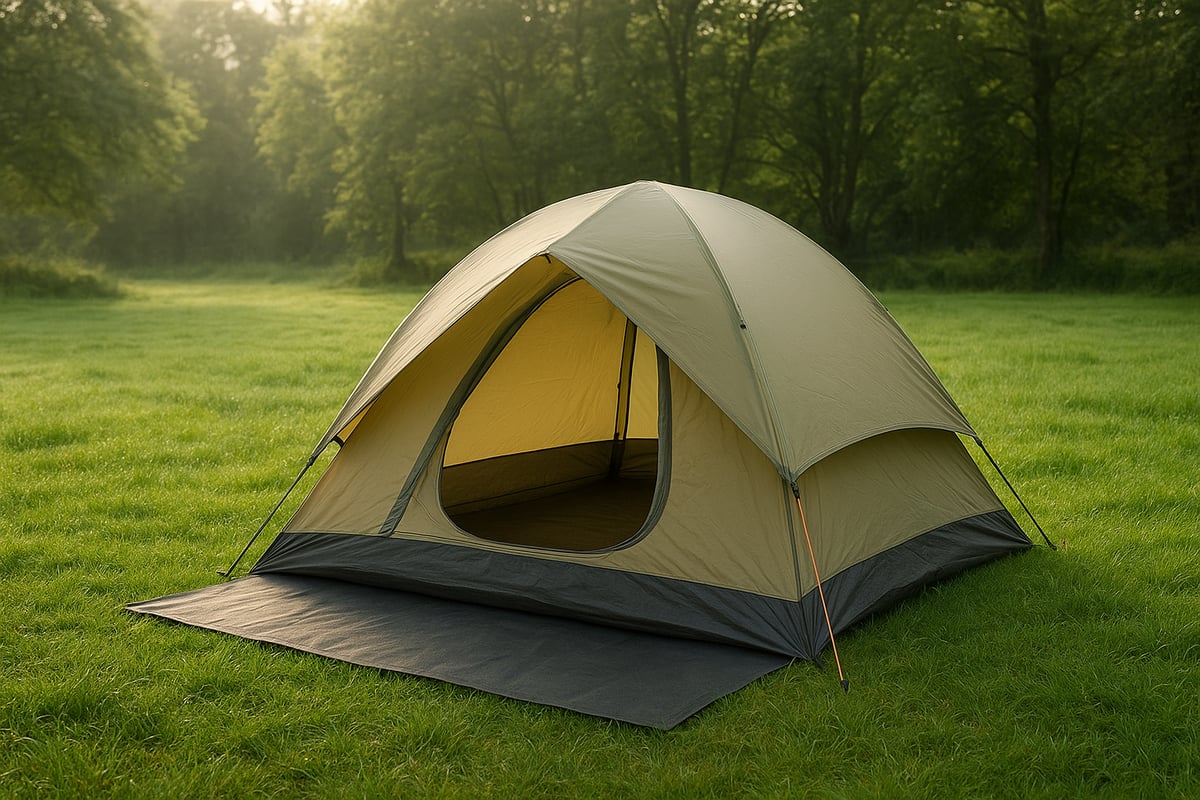
One of the primary reasons to use a camping tarp under tent is to shield your shelter from ground moisture. Even on seemingly dry days, dew and rain can seep through the earth, leaving your sleeping area damp and uncomfortable. By placing a tarp beneath your tent, you create a waterproof barrier that keeps water out and warmth in.
Beyond dryness, a camping tarp under tent acts as an insulating layer. It reduces the cold and damp that often rise from the ground, helping to maintain a comfortable sleeping environment. According to UK camping forums, 70% of campers reported fewer tent floor issues when using a tarp in 2023. For a deeper dive into these benefits, see this Benefits of Using a Tarp Under Your Tent guide, which expands on insulation, moisture protection, and more.
Extending Tent Lifespan and Ensuring Cleanliness
Constant exposure to stones, sticks, and rough terrain can wear down your tent floor. Using a camping tarp under tent significantly reduces abrasion and the risk of punctures. This added layer absorbs friction and impact, prolonging the life of your investment.
Cleanliness is another major advantage. Mud, sap, and debris often cling to the bottom of tents, making packing up a messy affair. With a tarp, you simply shake off dirt before storing your gear, ensuring both your tent and your vehicle stay cleaner after each adventure.
Pest Barrier and Versatility
A camping tarp under tent does more than block water and dirt. It also helps deter insects, slugs, and other ground-dwelling pests from invading your sleeping space. This barrier can be especially valuable in the UK, where wet conditions attract a variety of unwelcome guests.
Versatility is a key strength as well. Should you need an emergency shelter, picnic groundsheet, or extra rain cover, your tarp is ready. Its multifunctional design means it adapts to changing needs, making it an essential part of any camper’s kit.
Common Uses for a Camping Tarp Under Tent:
| Use Case | Benefit |
|---|---|
| Under-tent groundsheet | Moisture & abrasion protection |
| Emergency shelter | Weather shield |
| Picnic groundsheet | Clean, dry seating |
| Gear cover | Protects from rain & dirt |
Cost-Effectiveness and Real-World Value
Investing in a camping tarp under tent is remarkably cost-effective. Modern tarps are affordable, durable, and reduce the need for frequent gear replacements. Over time, this translates to significant savings, especially for regular campers.
A 2023 survey of UK outdoor enthusiasts revealed that most found their tarps lasted multiple seasons with minimal wear. By preventing costly tent damage and simplifying clean-up, a camping tarp under tent delivers both immediate and long-term value.
Conclusion
The advantages of using a camping tarp under tent are clear, from moisture protection and insulation to pest defence and gear longevity. This simple addition can elevate your camping comfort, protect your investment, and prepare you for a wide range of outdoor challenges. For anyone looking to future-proof their camping setup in 2026, a well-chosen tarp is a smart, practical choice.
Choosing the Right Camping Tarp for 2026
Selecting the ideal camping tarp under tent is crucial for a successful outdoor experience in 2026. The right choice shields you from moisture, ensures comfort, and extends your tent’s lifespan. Given the evolving materials and technologies, understanding what to look for in a camping tarp under tent can make a significant difference.
Tarp Materials and Durability
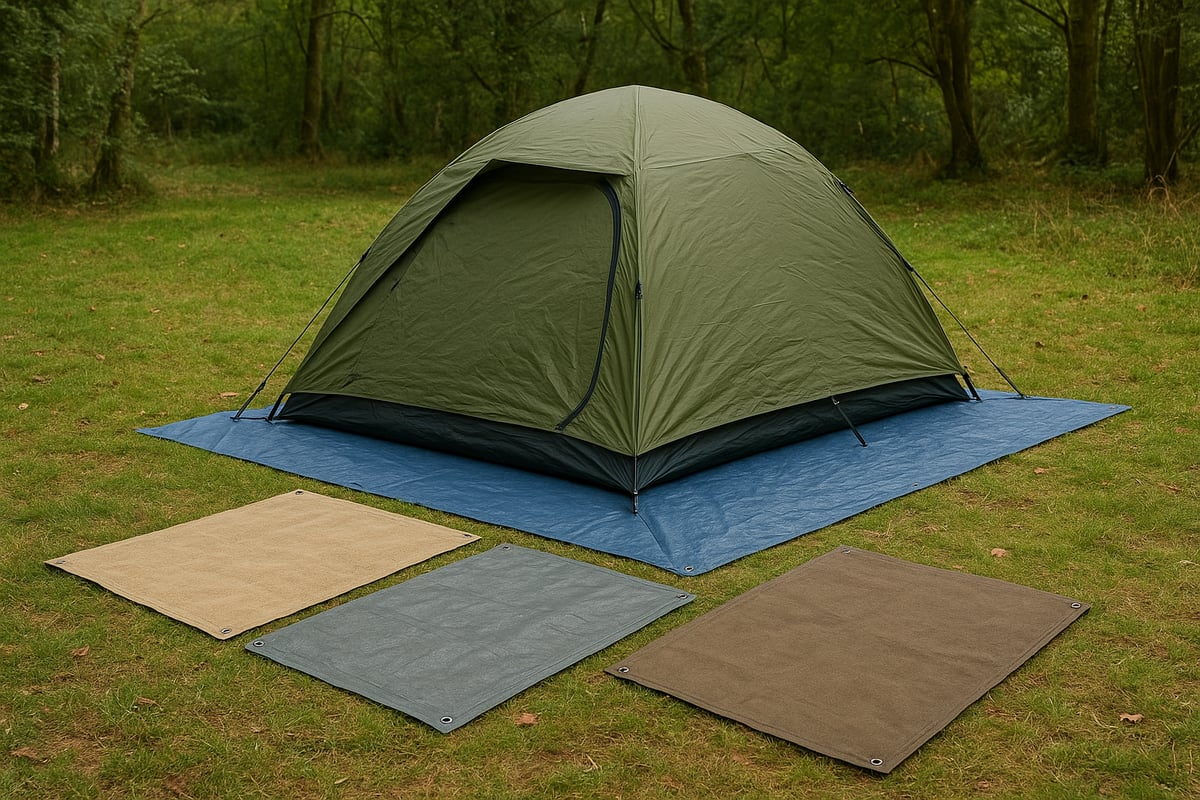
Choosing the best material for your camping tarp under tent is the first step. The most common options are polyethylene, canvas, and polycotton. Each provides distinct advantages and drawbacks.
Here’s a quick comparison:
| Material | Durability | Weight | Packability | Waterproofing | Eco-Friendly | Lifespan (UK Use) |
|---|---|---|---|---|---|---|
| Polyethylene | Moderate | Light | Excellent | Excellent | Low | 2–3 years |
| Canvas | High | Heavy | Moderate | Very Good | High | 5+ years |
| Polycotton | Good | Medium | Good | Good | Moderate | 4–5 years |
Polyethylene tarps are lightweight and highly packable, ideal for those who prioritise easy transport. However, they can degrade faster under UV exposure and are less sustainable. Canvas tarps offer unmatched durability and eco-friendliness, though they are heavier and bulkier. According to a 2024 survey, canvas tarps last twice as long as standard poly tarps in frequent UK camping conditions.
Polycotton blends provide a middle ground, balancing weight and breathability with decent water resistance. For those interested in robust, long-lasting protection, it’s worth exploring canvas tarps for camping to see the latest options.
With the right camping tarp under tent material, you gain better weatherproofing and reduce the need for frequent replacements.
Size and Shape Considerations
Getting the right size and shape for your camping tarp under tent ensures maximum protection and efficiency. The tarp should match your tent’s footprint, providing coverage without excessive overhang.
Common shapes include rectangular, square, and hexagonal. Rectangular tarps are often the easiest to align with most tent bases, while hexagonal shapes offer versatility for unconventional tent layouts. A 2-person tent, for example, usually pairs well with a 2.5m x 2m tarp.
It’s important to ensure your camping tarp under tent does not extend beyond the tent’s perimeter. Excess tarp can collect rainwater, funnelling it underneath and risking a soggy night. Overhang may also create tripping hazards around your campsite.
Mistakes to avoid:
- Using a tarp that’s too large or small for your tent
- Allowing edges to stick out, which increases water pooling
- Choosing shapes that don’t fit your tent’s base
Measure your tent footprint before purchasing, and opt for a tarp with adjustable or foldable edges for a tailored fit.
Features to Look For
When choosing a camping tarp under tent, several features can greatly enhance your camping experience in 2026. Look for reinforced grommets and multiple tie-out points, which allow for secure staking and adaptability in different conditions.
Colour selection matters too. Camouflage or earth tones blend in with natural settings, while brighter colours improve visibility for safety. Foldability and ease of cleaning are essential for hassle-free packing and maintenance.
A quality camping tarp under tent should also be versatile, serving as an emergency shelter or picnic groundsheet if needed. Check for reputable brands that offer solid warranties, as this signals confidence in durability.
Sustainability is an increasing priority. Eco-friendly materials are gaining traction, with more brands offering recyclable or biodegradable options. In summary, a well-chosen camping tarp under tent combines durability, size precision, and smart features to future-proof your camping gear.
Step-by-Step: How to Set Up a Camping Tarp Under Your Tent
Setting up a camping tarp under tent is one of the smartest moves for any camper seeking comfort, dryness, and gear longevity. Follow these six essential steps to ensure your shelter is optimised for UK conditions, whether you are wild camping or pitching at a family site.
Step 1: Site Selection and Preparation
Choosing the right spot for your camping tarp under tent is crucial. Start by finding a flat area with natural drainage, ideally on slightly elevated ground. Avoid depressions or visible runoff paths, as these can collect water during rain.
Before laying anything down, clear the area of sharp stones, twigs, and debris. This not only protects the tarp but also prevents punctures to your tent floor. A well-prepared site is the first defence against moisture and discomfort.
If you are camping in a woodland or grassy area, look for spots with minimal mud and sap. Remember, the more effort you put into site preparation, the more effective your camping tarp under tent will be. A properly cleared base also reduces the risk of pests and improves sleeping comfort.
Step 2: Laying Out and Positioning the Tarp
Once your site is ready, unfold your camping tarp under tent and centre it precisely where your tent will sit. Ensure the tarp is oriented so that it matches your tent’s doors and vestibules, allowing easy access and proper coverage.
If your tarp is larger than your tent footprint, fold or carefully tuck the excess underneath. Avoid allowing any part of the tarp to stick out, as this can lead to water channelling under your tent during rain. For shaped tents, align the tarp to follow the tent’s contours as closely as possible.
Double-check the positioning before moving on. A well-placed camping tarp under tent should create a seamless base, providing both insulation and protection from the elements.
Step 3: Securing the Tarp
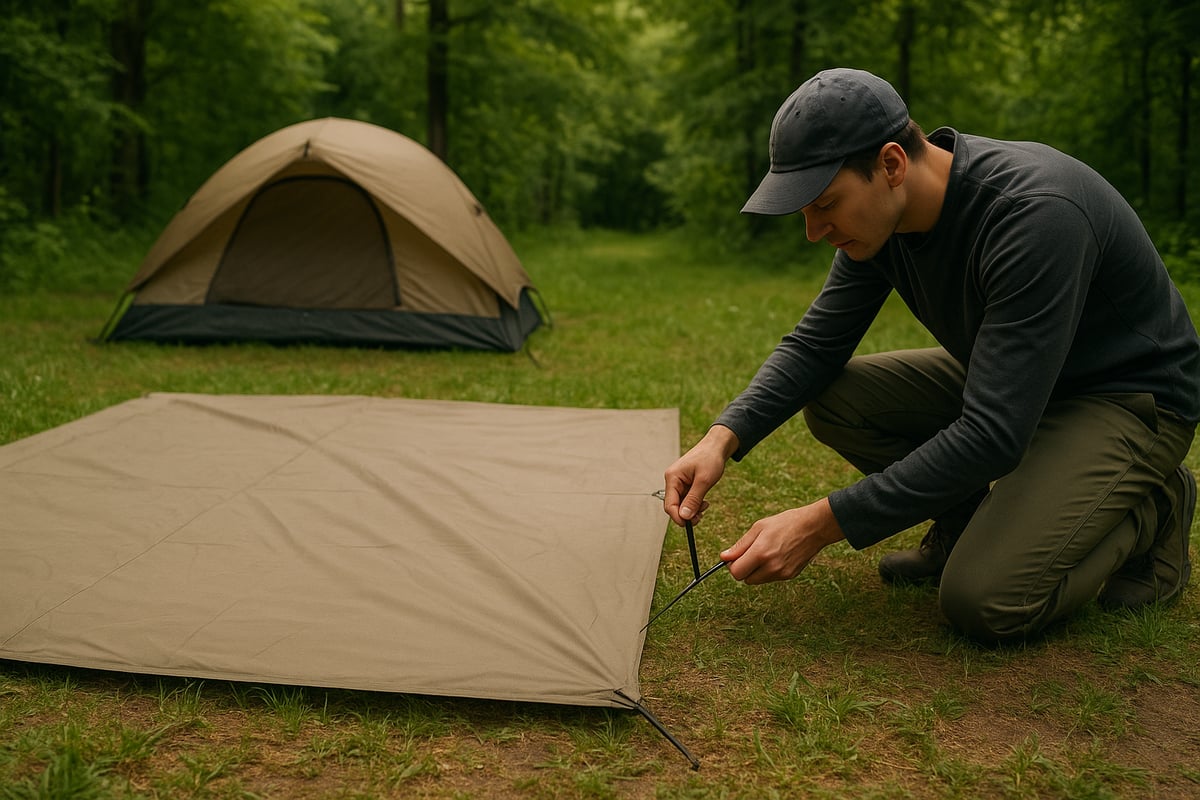
Next, securely anchor the corners and sides of your camping tarp under tent. Use tent stakes, rocks, or weighted bags, depending on the ground and your gear. Start by staking down each corner, pulling the tarp taut but not overstretched.
Properly secured tarps remain in place during wind and rain, preventing bunching or shifting overnight. If you expect adverse weather, reinforce critical points with extra stakes or guy lines. For detailed configurations and advanced methods, consult this Step-by-Step Tarp Setup Guide for further practical advice.
Always stake the tarp before pitching your tent. This approach ensures the tarp stays aligned and does not move as you set up the rest of your shelter. A well-anchored camping tarp under tent is key to long-term protection.
Step 4: Placing and Pitching the Tent
With your camping tarp under tent secured, gently place your tent on top. Align the tent so that its edges match the tarp’s, ensuring no tarp protrudes beyond the tent’s footprint.
Begin pitching the tent from one end, making minor adjustments to keep everything flush. If your tent features a vestibule, check that the tarp extends underneath this area for added dryness.
As you stake out the tent, periodically check that the camping tarp under tent remains hidden underneath. Exposed tarp can channel water directly under your shelter during heavy rain. Proper alignment here maximises both comfort and protection.
Step 5: Managing Water Runoff and Drainage
Water management is essential when using a camping tarp under tent. Tuck all tarp edges underneath the tent floor, creating a slight downward slope away from the tent entrance and sleeping area.
This simple adjustment encourages rainwater to flow away from your shelter rather than pooling beneath it. For sloped ground, position the tarp so the highest edge faces uphill, while the lowest edge provides an escape route for runoff.
If possible, test your setup by pouring a small amount of water near the tarp edge and observing the flow. This technique ensures your camping tarp under tent acts as an effective barrier against moisture.
Step 6: Packing Up and Maintenance
When breaking camp, shake off dirt and debris from your camping tarp under tent before folding. If the tarp is wet, hang it to dry as soon as possible to prevent mould and odours.
Inspect for any wear, punctures, or damage, and repair minor tears with a patch kit or seam sealer. Store your tarp loosely in a breathable bag to avoid creasing and material fatigue.
Regular tarp care directly impacts its lifespan and performance. A well-maintained camping tarp under tent will be ready for your next adventure, always providing reliable shelter and protection.
Common Mistakes and How to Avoid Them
A camping tarp under tent is an essential part of any outdoor setup, but even experienced campers can make critical errors. These mistakes can lead to discomfort, water ingress, or even damage to your gear. By understanding and avoiding these common pitfalls, you will ensure your shelter is always reliable and effective.
Tarp Edges Sticking Out
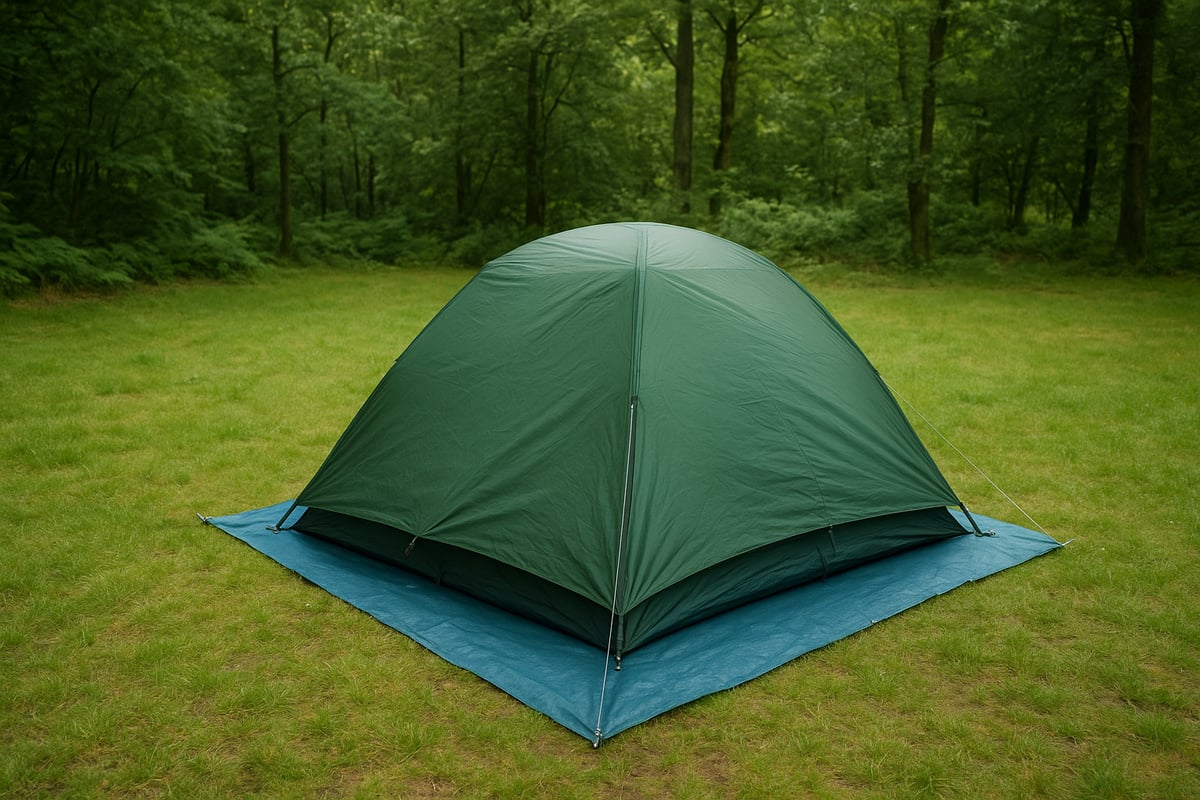
Allowing the edges of your camping tarp under tent to protrude is a frequent and costly error. When rain falls, any exposed tarp can channel water directly underneath your tent, resulting in a soggy floor and uncomfortable sleep. To prevent this, always tuck the tarp edges neatly underneath the tent base.
Wrong Size or Material
Selecting a tarp that is too large, too small, or made from unsuitable material compromises your setup. An oversized tarp increases the risk of water pooling, while an undersized one leaves your tent floor exposed to damp and damage. Choose a tarp that closely matches your tent footprint and is designed for outdoor use.
Skipping Ground Preparation
Many campers neglect to clear the site before laying their camping tarp under tent. Failing to remove rocks, sticks, or sharp debris can puncture both the tarp and your tent floor. Spend a few minutes preparing the ground, ensuring a smooth, level surface that will keep you comfortable and your gear intact.
Inadequate Staking
Securing your tarp properly is crucial, especially in windy or wet conditions. If the tarp is not anchored at the corners, it can shift, bunch up, or leave areas unprotected. Use strong stakes or weighted bags to fix each corner, and check that the tarp remains taut and in alignment with your tent.
Overlapping Multiple Tarps
Layering more than one camping tarp under tent may seem like extra protection, but it often does more harm than good. Overlapping tarps can trap moisture between layers, encouraging mildew and reducing breathability. Stick to a single, well-fitted tarp, and ensure it is dry before packing away.
Real-World Example and Solutions
In a 2025 survey of UK campers, 30 percent reported leaks due to improper tarp placement. Issues like exposed edges, poor staking, and using the wrong size were the main culprits. To avoid these problems, double-check your tarp fit every time, always tuck in edges, and use reliable stakes. For more detailed advice, see these Common Tarp Setup Mistakes to Avoid, which offers practical solutions to keep your camping tarp under tent performing at its best.
By learning from these common mistakes and applying expert tips, you will enjoy a drier, cleaner, and more comfortable camping experience every trip.
Advanced Tarp Techniques for Challenging Conditions
Camping in the UK often means facing unpredictable weather and tough terrain. Mastering advanced techniques for your camping tarp under tent setup can make the difference between a soggy night and a dry, restful sleep. When the elements challenge your gear, these methods help you stay comfortable, protected, and prepared for anything.
Double Layering and Bathtub Folds
For extreme wet or cold environments, double layering is a proven strategy. Start by laying one camping tarp under tent as usual, then add a second layer—preferably a heavier-duty tarp or one with a different material—for extra insulation and moisture protection.
To prevent water ingress, create a “bathtub” fold by tucking the tarp edges upwards between the tent floor and ground. This forms a shallow barrier against runoff. Ensure the camping tarp under tent is not exposed beyond the tent’s footprint to avoid water channelling. This approach dramatically improves dryness and warmth, especially during heavy downpours.
Reflective and Specialised Tarps
When temperatures drop, using a camping tarp under tent with a reflective layer can help retain heat overnight. Some advanced tarps feature built-in reflective coatings or thermal linings, directing body warmth back into the tent. For those seeking the best in weatherproofing, consult the Waterproof camping shelter picks to compare the latest innovations in tarp design for 2026.
Choosing the right type of camping tarp under tent can mean the difference between enduring a chilly night and enjoying a comfortable, insulated sleep. Always consider the season and expected conditions before heading out.
Adapting to Terrain and Emergency Uses
Sloped or rocky campsites require adaptability. Begin by clearing as much debris as possible, then use your camping tarp under tent as a flexible groundsheet. On uneven ground, fold or bunch the tarp to fill gaps and create a level base.
In emergencies, a durable tarp can be converted into a standalone shelter. Unpeg and reconfigure it as a makeshift rain fly or windbreak if your tent becomes compromised. Keeping at least one versatile camping tarp under tent in your kit ensures you’re ready for sudden changes in weather or equipment failure.
Real-life Scenario, Data, and Conclusion
Bushcraft enthusiasts often rely on canvas tarps, using them both as a camping tarp under tent and as rain cover. This flexible approach is valued for its durability and adaptability to the wildest UK conditions.
According to a 2024 outdoor survey, 62 percent of wild campers rated multi-use tarps as their most valuable piece of shelter equipment. By mastering these advanced techniques, you can confidently face challenging environments, safeguard your comfort, and extend the lifespan of your camping tarp under tent.
Tarp Care, Storage, and Longevity Tips
Caring for your camping tarp under tent is essential if you want to maximise its lifespan and performance. Proper maintenance not only protects your investment but also ensures you are always ready for your next outdoor adventure.
Cleaning and Drying
Keeping your camping tarp under tent clean starts with using the right method for its material. For canvas tarps, use a soft brush and mild soap, then rinse with clean water. Polycotton and polyethylene tarps can be wiped down with a damp cloth or gentle sponge. Always dry your camping tarp under tent thoroughly in a shaded, airy spot to avoid mould and lingering odours. Never pack a damp tarp, as this encourages mildew and shortens its usable life.
Repairs and Inspection
Before every trip, inspect your camping tarp under tent for small tears, worn grommets, or frayed seams. Use a patch kit or seam sealer to repair minor damage promptly. Reinforcing weak points early prevents bigger problems later. Quality tarps, such as those similar to the tarp setup product example, are built for durability but still benefit from regular checks and timely repairs to maintain their protective qualities.
Storage and Longevity
For the best results, store your camping tarp under tent loosely rolled or folded, rather than packed tightly, to reduce creasing and material fatigue. Place canvas tarps in breathable bags to allow airflow and prevent moisture build-up. Avoid direct sunlight and damp environments when storing your tarp. This simple care routine helps preserve flexibility and strength over time, ensuring your gear is ready when you need it.
Practical Example and Longevity Data
A well-maintained camping tarp under tent can serve you for over five years, according to UK camping retailers in 2024. Campers who store canvas tarps in breathable bags consistently report longer lifespans compared to those packed in airtight containers. By following these care and storage tips, you will extend the usefulness and reliability of your tarp, saving money and reducing waste in the long run.