

Mountain Climbing Clothes: Essential Gear Guide 2026
RankPill on 1st Mar 2026
Selecting the right mountain climbing clothes can mean the difference between a successful summit and a dangerous retreat. The mountains present unique challenges that demand specialized clothing systems designed to protect against extreme cold, wind, precipitation, and rapid weather changes whilst maintaining breathability during intense physical exertion. Understanding how to build an effective clothing system is fundamental to any climber's preparation, whether tackling your first alpine peak or planning a high-altitude expedition.
The Science Behind Modern Mountain Climbing Clothes
The development of technical mountain climbing clothes has advanced significantly over recent decades, driven by innovations in fabric technology and material science. Modern climbing apparel relies on sophisticated engineering principles that balance competing demands: keeping you warm whilst preventing dangerous overheating, protecting against moisture whilst allowing perspiration to escape, and providing durability without excessive weight.
The chemistry behind modern fabrics has revolutionized how climbers approach clothing selection. Today's materials incorporate molecular structures specifically designed to repel water whilst maintaining breathability, creating garments that perform in conditions that would have defeated earlier generations of mountaineers.
Understanding the Three-Layer System
Professional climbers and guides universally recommend a three-layer approach to mountain clothing. This system provides maximum versatility and allows you to adapt quickly to changing conditions.
Base Layer Functions:
- Moisture wicking to keep skin dry
- Temperature regulation close to the body
- Odour resistance for extended expeditions
- Comfort against the skin during movement
The base layer sits directly against your skin and forms the foundation of your entire clothing system. Merino wool and synthetic fabrics each offer distinct advantages, with wool providing superior temperature regulation and odour control, whilst synthetics dry faster and typically cost less.
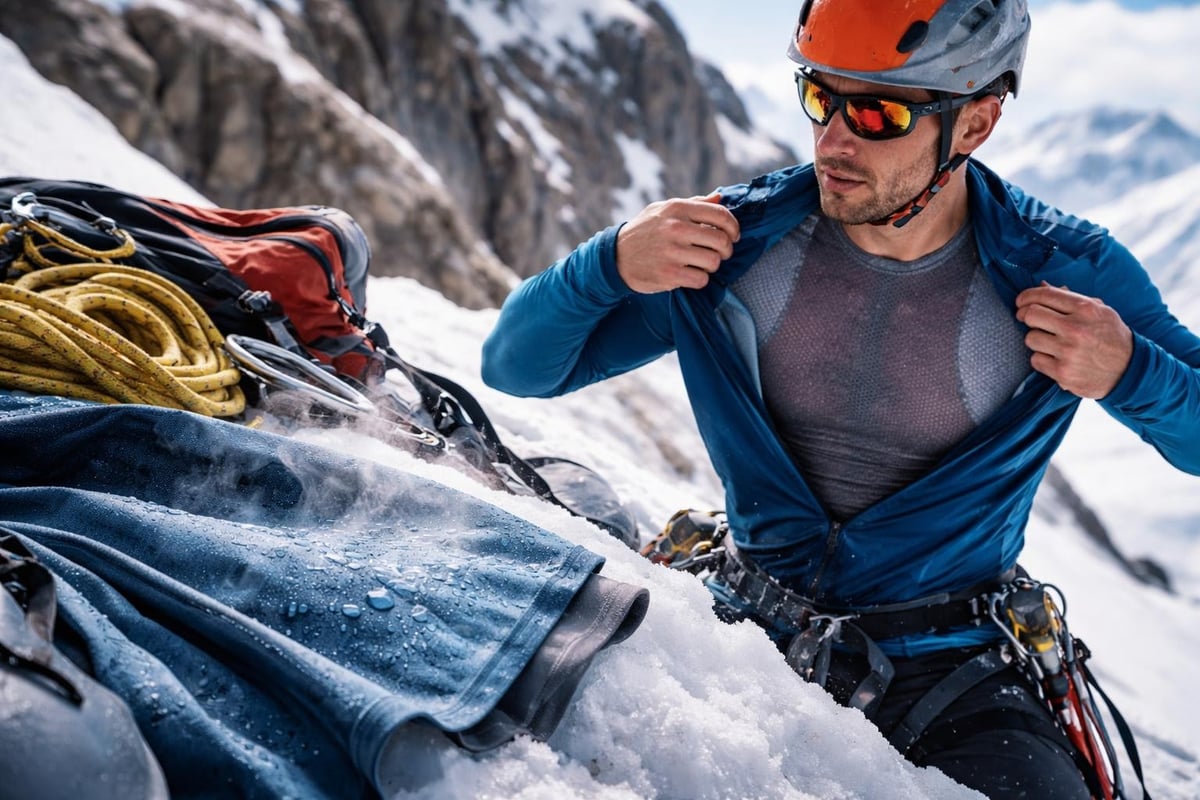
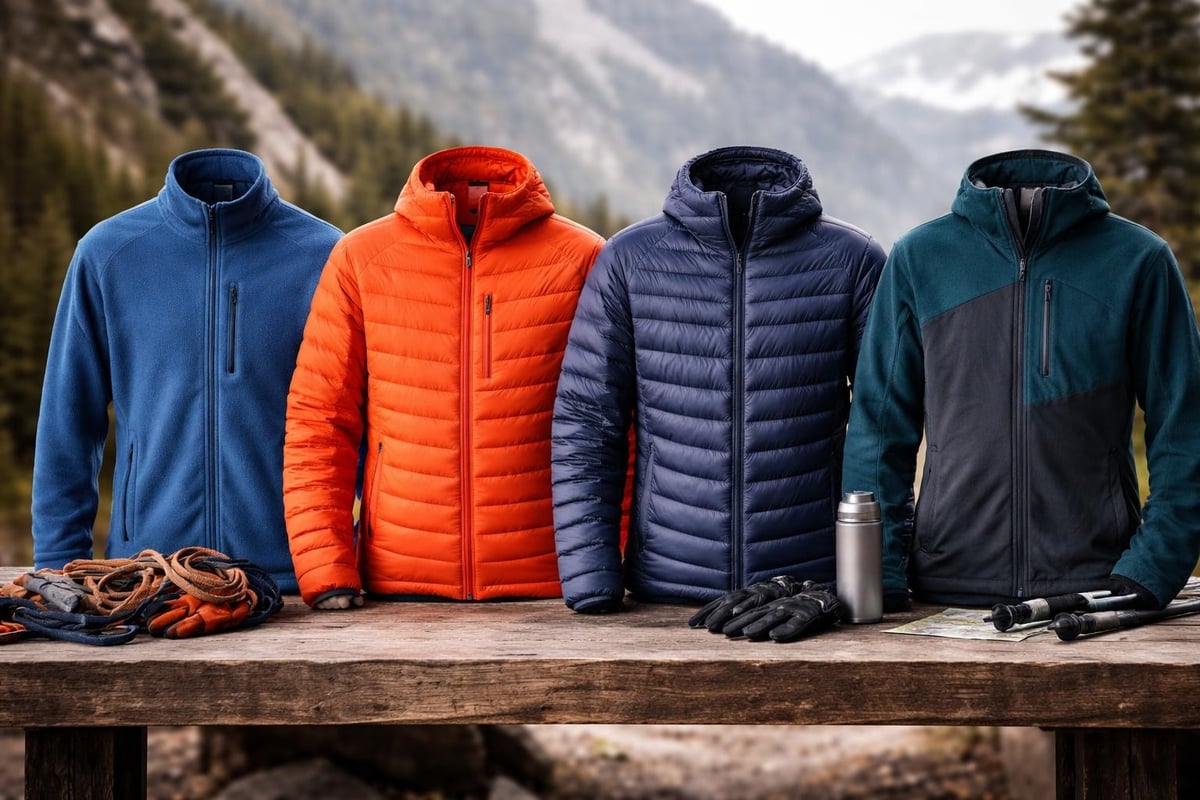
Mid-layers provide insulation, trapping warm air close to your body. Fleece garments, synthetic insulated jackets, and down pieces each serve different purposes depending on conditions and activity level. When selecting mountain climbing clothes for the mid-layer, consider the intensity of your climb and expected temperatures.
| Mid-Layer Type | Best Conditions | Weight | Packability | Moisture Resistance |
|---|---|---|---|---|
| Fleece | Active climbing | Light | Moderate | Low |
| Synthetic Insulation | Damp conditions | Medium | Good | High |
| Down | Cold, dry conditions | Very light | Excellent | Low |
| Hybrid | Variable conditions | Medium | Good | Medium |
The outer shell layer protects against wind, rain, and snow. This critical component of your mountain climbing clothes system must be completely waterproof and windproof whilst remaining breathable enough to prevent condensation buildup inside the garment.
Selecting Base Layers for Mountain Environments
Your base layer choice influences comfort throughout your entire climb. This often-overlooked component of mountain climbing clothes deserves careful consideration, as it manages the moisture your body produces during exertion.
Merino wool base layers have gained tremendous popularity amongst serious mountaineers for good reason. The natural fibres regulate temperature effectively across a wide range of conditions, resist odours even after multiple days of wear, and remain comfortable against skin. However, they require more careful maintenance and dry more slowly than synthetic alternatives.
Synthetic base layers, typically constructed from polyester or polypropylene blends, excel at moisture transport and dry remarkably quickly. Many climbers prefer synthetics for intense climbing sessions where high sweat production is expected. Modern synthetic fabrics have largely overcome earlier issues with odour retention through antimicrobial treatments.
Weight Considerations
Base layers come in various weights, from ultralight to expedition weight. Lightweight options suit most three-season climbing, whilst midweight base layers provide extra warmth for colder conditions or less active periods. Expedition-weight base layers are reserved for extreme cold or high-altitude mountaineering where temperatures plummet well below freezing.
When building your collection of mountain climbing clothes, having multiple base layer weights allows you to fine-tune your system for specific objectives. A spring climb in the Alps demands different undergarments than a winter ascent in Scotland or a high-altitude expedition in the Himalayas.
Mid-Layer Options for Varying Conditions
The mid-layer provides the bulk of your insulation and represents the most variable component of mountain climbing clothes systems. Your choice depends heavily on activity level, expected temperatures, and weather conditions.
Fleece jackets remain incredibly popular because they're simple, reliable, and versatile. A quality fleece continues insulating even when damp, breathes exceptionally well during active climbing, and dries quickly. Grid fleece designs enhance breathability further whilst reducing weight. For guidance on selecting appropriate clothing systems for outdoor activities, Mammut's comprehensive rock climbing essentials guide offers valuable insights into layering strategies.
Synthetic Insulation Advantages:
- Maintains warmth when wet
- Dries faster than down
- More affordable
- Performs consistently in damp maritime climates
- Easier care requirements
Synthetic insulated jackets use polyester fibres to trap warm air. Technologies like PrimaLoft and Climashield have narrowed the performance gap with down considerably, though synthetics still can't quite match down's warmth-to-weight ratio in dry conditions.
Down insulation provides unmatched warmth for its weight and compresses into remarkably small packages. High-quality down with a fill power of 800 or above offers exceptional performance. The primary limitation is down's tendency to lose insulating properties when wet, though modern hydrophobic down treatments have partially addressed this weakness.
Outer Shell Protection Systems
Your outer shell represents the final barrier between you and the mountain environment. These crucial mountain climbing clothes must be completely waterproof and windproof whilst allowing water vapour from perspiration to escape.
Modern shells use either waterproof-breathable membranes or tightly woven fabrics treated with durable water repellent (DWR) coatings. Gore-Tex remains the best-known membrane technology, though alternatives like eVent, Pertex Shield, and proprietary fabrics from major manufacturers perform admirably.
Hardshell jackets provide maximum protection for severe conditions. These typically feature three-layer or two-layer construction with fully taped seams and robust face fabrics that resist abrasion from rock and ice. Whilst less breathable than softshells, hardshells are essential for serious mountaineering. For comprehensive equipment recommendations, the Alpine Guides alpine climbing kit list provides detailed specifications for various mountain environments.
Softshell Alternatives
Softshell jackets trade absolute waterproofing for enhanced breathability. These stretchy, comfortable garments suit active climbing in fair to partly cloudy conditions. Many climbers prefer softshells for approaches and moderate climbing, carrying a packable hardshell for emergencies or deteriorating weather.
When selecting outer shell mountain climbing clothes, consider the specific mountains you'll be climbing. Scottish winter climbing demands different protection than summer alpine routes or high-altitude expeditions where extreme cold combines with strong winds.
Lower Body Mountain Climbing Clothes
Whilst upper body layering receives most attention, proper lower body protection proves equally important for comfort and safety. Mountain climbing clothes for your legs follow similar principles to upper body systems, though typically with fewer layers.
Base layer trousers or tights provide moisture management and warmth without restricting movement. Many climbers opt for lighter-weight base layers for their legs than their torsos, as leg muscles generate significant heat during climbing.
Climbing Trouser Features:
- Articulated knees for unrestricted movement
- Reinforced seats and knees for durability
- Integrated gaiters to seal out snow
- Ventilation zips for temperature regulation
- Harness-compatible waist construction
Softshell trousers have become the standard for technical mountaineering. These combine weather resistance with excellent breathability and stretch, allowing full range of motion whilst shedding light precipitation and wind. When temperatures drop or conditions worsen, hardshell overtrousers provide complete protection.
For specific recommendations on weatherproof options, exploring lightweight breathable waterproof jacket selections can inform your understanding of fabric technologies that apply equally to lower body garments.
Extremities: Hands, Feet, and Head
Protecting your extremities is critical, as fingers, toes, and ears are most vulnerable to frostbite. These specialized mountain climbing clothes require particular attention.
Hand Protection Strategy
Mountaineers typically carry multiple glove options to match conditions and activity. Liner gloves provide basic warmth whilst maintaining dexterity for technical moves. Softshell gloves suit active climbing in moderate conditions. Insulated mittens or expedition gloves become necessary for extreme cold or high altitude.
A common system involves wearing liner gloves continuously, adding softshell gloves for warmth and protection, then switching to heavily insulated mittens during rest breaks or extreme conditions. Many climbers use glove leashes to prevent losing gloves in wind.
| Footwear Type | Temperature Range | Use Case | Crampon Compatible |
|---|---|---|---|
| Approach Shoes | Above 5°C | Scrambling, easy terrain | No |
| Alpine Boots | -10°C to 10°C | Summer mountaineering | Semi-automatic |
| Double Boots | Below -20°C | High altitude, winter | Automatic |
| Expedition Boots | Below -40°C | Extreme altitude | Automatic |
Mountaineering boots form the foundation of foot protection. Modern boots balance insulation, support, and weight. Single boots with integrated insulation suit most alpine climbing, whilst double boots with removable inner boots are necessary for extreme cold or high-altitude expeditions.
Sock systems typically involve a thin liner sock to manage moisture and a thicker outer sock for insulation and cushioning. Avoid cotton entirely; merino wool or synthetic materials maintain warmth even when damp.
Head and Neck Protection
Your head represents a significant source of heat loss, making proper headwear essential mountain climbing clothes. A lightweight beanie suits moderate conditions, whilst a balaclava or insulated hat with ear coverage becomes necessary in severe cold or wind.
Neck gaiters or buffs provide versatile protection, serving as neck warmth, face protection, or even a lightweight hat. Many climbers carry multiple options to adapt to changing conditions throughout a climb.
Technical Considerations for Specific Climbing Styles
Different mountaineering disciplines demand variations in mountain climbing clothes selection. Understanding these distinctions helps you build an appropriate wardrobe for your preferred climbing style.
Alpine climbing typically involves long days moving quickly over varied terrain. This demands clothing that balances protection with breathability and weight. Many alpine climbers favour lighter, more breathable options, accepting slightly less protection to maintain speed and reduce pack weight.
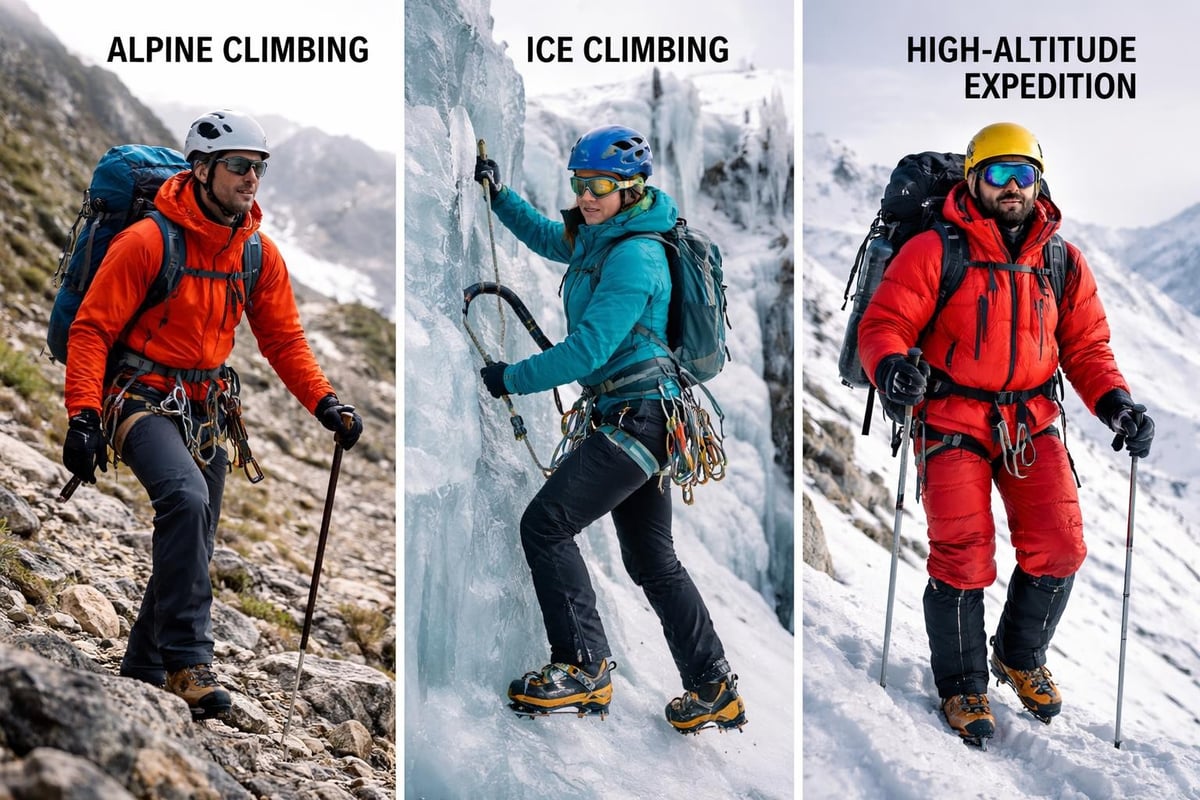
Ice and mixed climbing often involves sustained periods of relative inactivity whilst belaying or working through difficult sections. This requires warmer mountain climbing clothes than pure rock climbing at similar altitudes. Belay jackets, heavily insulated garments designed to be worn over your shell system during stops, are common amongst ice climbers.
High-altitude expeditioning presents unique challenges, with extreme cold combining with reduced oxygen levels that impair circulation. Expedition climbers require the warmest possible mountain climbing clothes whilst still maintaining enough mobility to climb safely. For detailed equipment specifications for various altitudes, resources like the Mountain Guide UK alpine climbing equipment list provide altitude-specific recommendations.
Material Technologies and Performance Fabrics
Understanding the technologies behind modern mountain climbing clothes helps you make informed purchasing decisions. Fabric innovations continue to improve performance whilst reducing weight and bulk.
Waterproof-breathable membranes work through micropores small enough to block liquid water whilst allowing water vapour to pass through. This technology revolutionized mountain clothing, though it requires proper care to maintain performance. DWR coatings on face fabrics prevent water absorption that would compromise breathability.
Stretch fabrics incorporating elastane or mechanical stretch enhance comfort and freedom of movement. This proves particularly valuable in mountain climbing clothes where restricted movement can compromise safety and performance.
Advanced Fabric Features:
- Ripstop construction for enhanced durability
- Abrasion-resistant panels in high-wear areas
- Reflective elements for visibility
- Antimicrobial treatments for odour control
- UV protection for high-altitude sun exposure
Insulation technologies continue evolving, with newer synthetic fills approaching down's warmth-to-weight ratios whilst maintaining wet-weather performance. Hybrid constructions combining down and synthetic insulation optimize performance and cost.
Maintenance and Care of Mountain Climbing Clothes
Proper maintenance extends the life and performance of your mountain climbing clothes significantly. Technical fabrics require specific care to maintain their properties.
Washing waterproof garments requires non-detergent cleansers designed for technical fabrics. Regular detergents leave residues that compromise breathability. After washing, tumble drying on low heat reactivates DWR coatings, though eventually you'll need to reapply aftermarket treatments to restore water repellency.
Down insulation requires gentle washing with specialized down cleaners, thorough rinsing, and complete drying to prevent mildew. Tennis balls in the dryer help break up clumps and restore loft. Never store down garments compressed, as this damages the fill's structure.
Storing mountain climbing clothes properly between seasons maintains performance. Hang shell garments in a cool, dry place. Store insulated items loosely packed or hung to maintain loft. Ensure everything is completely clean and dry before long-term storage to prevent mildew and odours.
Seasonal Adaptations and Regional Considerations
Mountain environments vary dramatically by season and location, demanding different approaches to mountain climbing clothes selection. Understanding these variations helps you prepare appropriately.
Summer alpine climbing in temperate regions often requires surprisingly robust clothing. Mountain weather changes rapidly, and afternoon thunderstorms can bring cold rain even during warm spells. Many climbers have experienced hypothermia during summer months through inadequate preparation. When planning for variable conditions, consulting guides on warm outdoor clothing essentials provides valuable perspectives on maintaining warmth.
Winter mountaineering demands the full range of mountain climbing clothes technologies. Cold temperatures, strong winds, and potential for wet conditions from spindrift or melting snow require waterproof insulation and robust shells. Scottish winter climbing, notorious for brutal conditions, tests clothing systems thoroughly.
Maritime mountain ranges like those in New Zealand or coastal Norway experience persistent dampness that demands different strategies than continental ranges. Here, synthetic insulation often outperforms down, and breathability becomes paramount to prevent condensation buildup.
Building a Complete Mountain Climbing Clothes System
Creating a comprehensive wardrobe of mountain climbing clothes represents a significant investment, but you needn't purchase everything simultaneously. Prioritizing essentials and building gradually allows you to refine your understanding of personal preferences whilst spreading costs.
Start with a quality three-layer system for your typical climbing conditions. Add specialized items like belay jackets, expedition gloves, or extreme cold weather gear as your ambitions expand. Many climbers find that one high-quality hardshell serves across multiple seasons and objectives, making it a worthwhile initial investment.
Building Your System Progressively:
- Quality hardshell jacket and trousers
- Versatile mid-layer (fleece or light insulation)
- Base layers in multiple weights
- Mountaineering boots appropriate for your objectives
- Comprehensive glove system
- Specialized items for extreme conditions
Consider renting specialized equipment for infrequent objectives rather than purchasing items you'll rarely use. Many climbing shops and guide services offer rental programmes for expensive items like double boots or expedition-grade sleeping bags.
For climbers who also enjoy other outdoor pursuits, equipment versatility becomes important. Quality waterproof shells serve equally well for hiking and camping. Understanding how your best waterproof rain jacket selections translate across activities maximizes value.
Weight and Pack Management
Managing the weight and bulk of your mountain climbing clothes significantly impacts climbing performance. Every gram carried up the mountain requires energy, making weight consciousness important without compromising safety.
Packability varies considerably between garments. Down compresses more than synthetic insulation, making it ideal for items you'll carry but not constantly wear. Modern compression stuff sacks reduce bulk further, though avoid keeping down compressed long-term.
Many experienced mountaineers adopt a "wear it or need it immediately" philosophy, carrying only items they're actively wearing or might need to deploy quickly. Everything else stays at base camp or in the vehicle. This approach requires accurate weather forecasting and honest risk assessment.
Layering strategies that share items across different conditions reduce carried weight. A fleece that serves as both active climbing insulation and sleeping warmth eliminates redundancy. Similarly, your hardshell might pull double duty as both rain protection and wind shell.
Safety Considerations and Emergency Preparedness
Mountain climbing clothes serve a critical safety function beyond mere comfort. Hypothermia and frostbite represent serious dangers that proper clothing prevents.
Always carry emergency shelter and extra insulation beyond what you expect to need. Conditions change rapidly in mountains, and an unexpected delay can turn a straightforward climb into a survival situation. A lightweight emergency bivy and spare insulated jacket weigh little but provide enormous safety margins.
Understanding how to recognize and respond to cold-related injuries is as important as having proper mountain climbing clothes. Early signs of hypothermia include shivering, confusion, and loss of coordination. Frostbite often affects extremities first, appearing as pale, waxy skin that feels hard and cold.
Group dynamics influence clothing choices. Slower climbers or those less acclimatized to cold may require warmer mountain climbing clothes than fitter partners. Plan for the least cold-adapted member of your team to ensure everyone remains safe and comfortable.
Future Trends in Mountain Climbing Clothes
The evolution of mountain climbing clothes continues accelerating, driven by material science innovations and changing climate patterns. Understanding emerging trends helps you make forward-looking purchasing decisions.
Sustainability has become increasingly important to outdoor enthusiasts and manufacturers alike. Recycled materials, responsible down sourcing, and reduced chemical treatments are becoming standard rather than premium features. Many climbers now consider a garment's environmental impact alongside performance specifications.
Smart fabrics incorporating electronic elements remain largely experimental but show promise. Phase-change materials that actively regulate temperature, fabrics that monitor vital signs, and integrated heating elements may eventually become commonplace in mountain climbing clothes.
Climate change is altering traditional mountain conditions, with increased rockfall from melting permafrost, changing precipitation patterns, and less predictable weather. These shifts may influence future clothing designs, perhaps favoring versatility over specialization as conditions become less consistent.
Selecting appropriate mountain climbing clothes requires understanding layering principles, material technologies, and how different garments work together as a system. Whether you're planning weekend alpine climbs or extended expeditions, investing in quality technical clothing enhances both safety and enjoyment on the mountain. For outdoor enthusiasts seeking reliable gear for camping adventures between climbing trips, Outhaus offers durable canvas swags, tarps, and outdoor equipment designed to withstand demanding conditions whilst providing superior comfort and shelter solutions.