

Dining Shelters Guide: Choosing the Perfect Shelter for 2026
RankPill on 12th Feb 2026
Imagine enjoying your next outdoor gathering, event, or campsite meal without worrying about sudden rain or cramped spaces. Dining shelters offer a practical solution, providing comfort and protection so you can focus on making memories. In this comprehensive guide, you will learn how to select the best dining shelters for 2026, covering everything from types and features to sizing, materials, and the latest trends. Ready to transform your outdoor experiences? Let us guide you to the perfect choice.
Understanding Dining Shelters: Purpose and Benefits
Dining shelters are specialised outdoor structures designed to provide comfortable, protected spaces for group meals and gatherings. Unlike tents, which are primarily for sleeping, or marquees and gazebos, which often focus on general cover, dining shelters are purpose-built for eating and socialising outdoors. They are used in a variety of settings, from campsites and festivals to school grounds and business premises. For those seeking an overview of different outdoor shelter types and their uses, the Outdoor shelter essentials overview offers helpful insights into how dining shelters compare to other options.

What is a Dining Shelter?
Dining shelters are specifically designed for outdoor eating and social gatherings, offering more than just basic cover. While tents focus on sleeping and marquees or gazebos serve as general event spaces, dining shelters create dedicated areas for meals. Their structure is often more robust, with features like higher ceilings and open sides, making them suitable for both casual and formal group occasions.
These shelters are commonly seen at camps, outdoor events, school premises, and temporary food festivals. Their flexibility and focus on group dining set them apart from other outdoor structures.
Key Benefits of Dining Shelters
Dining shelters provide essential weather protection, shielding users from rain, wind, and intense sun. This ensures outdoor meals are comfortable regardless of the season. By creating a dedicated space, they help keep food and seating areas cleaner and more hygienic.
The versatility of dining shelters means they are suitable for various scenarios:
- Family camping trips
- Scout or cadet gatherings
- Business or school outdoor lunches
- Community events
Their thoughtful design enhances comfort and encourages social interaction, making group dining outdoors a pleasant experience.
Real-World Applications
Dining shelters are widely used by scouting groups, cadets, re-enactment societies, and at music festivals or food events. Schools and nurseries often install freestanding shelters to enable outdoor dining throughout the year. For instance, Dundale Primary School & Nursery successfully uses such shelters to provide all-year-round dining for students.
A popular size for group use is the 14’ x 14’ shelter, which comfortably accommodates 12 to 16 people. This makes them ideal for family gatherings, summer camps, or large outdoor celebrations.
How Dining Shelters Improve Outdoor Experiences
Dining shelters play a vital role in extending time spent outdoors by providing comfort and protection. They encourage group members to stay longer, fostering stronger social bonds and enhancing group cohesion.
These spaces also support outdoor learning and team-building activities, making them valuable for schools and youth organisations. By reducing dependence on indoor facilities during unpredictable weather, dining shelters enable more flexible and enjoyable outdoor experiences for everyone.
Types of Dining Shelters: Exploring Your Options
Choosing the right type of dining shelters can make a significant difference to your outdoor experience. From classic canvas options to innovative modular designs, understanding the variety available will help you select the best fit for your needs. Let us explore the main types and their distinct advantages.
Canvas Dining Shelters
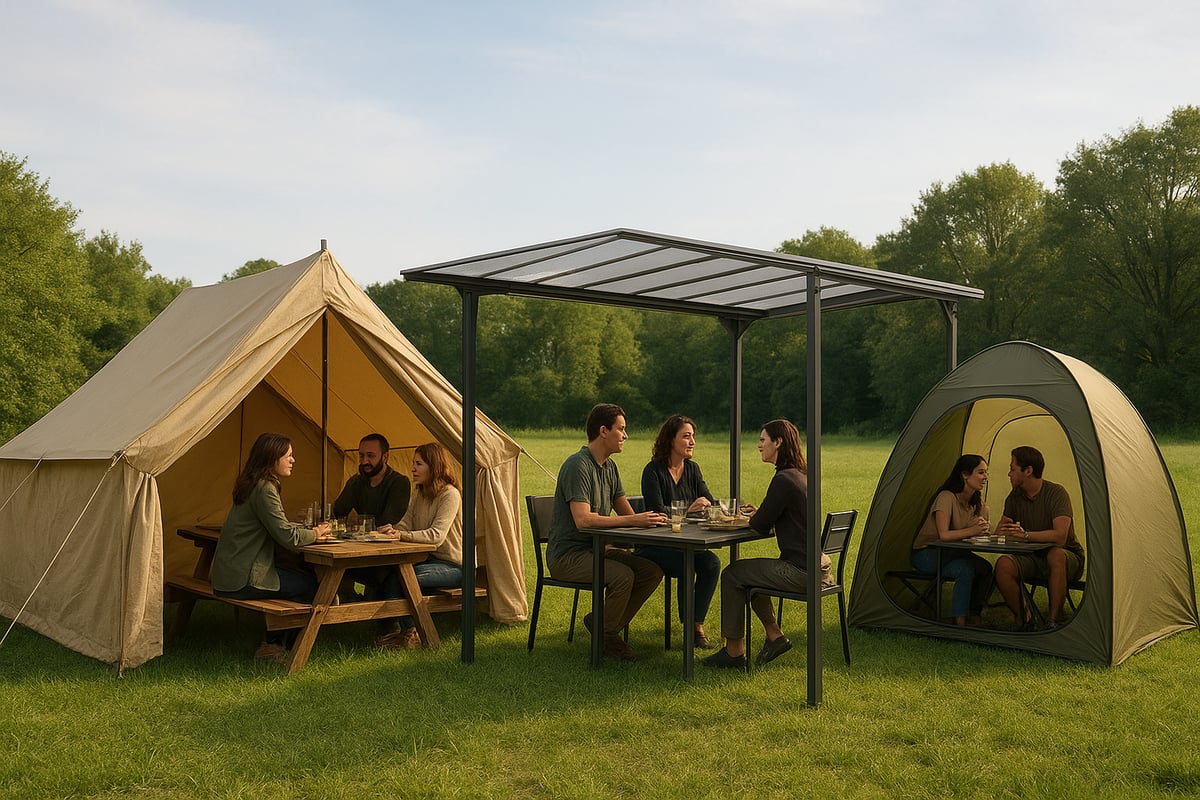
Canvas dining shelters remain a popular choice for those seeking durability, breathability, and a timeless aesthetic. These shelters are crafted from heavy-duty canvas, often in earthy colours like brown or olive green, and are favoured by scouts, reenactment groups, and traditional campers.
Thanks to their robust construction, canvas dining shelters excel at providing reliable protection against the elements while maintaining airflow. The classic 400GSM canvas model in a 14' x 14' size comfortably accommodates group meals and activities. If you are interested in learning more about material choices, the canvas tarps and shelters guide offers an in-depth look at options and care.
Canvas shelters are ideal for those who value longevity and a classic look, making them a staple for both group and family use.
Metal Frame & Polycarbonate Shelters
Metal frame and polycarbonate dining shelters are engineered for strength and permanence. These structures use powder-coated steel or aluminium frames, paired with translucent polycarbonate or PVC roofing, ensuring year-round weather resistance.
Such shelters are well-suited to schools, commercial settings, and public spaces where durability and low maintenance are priorities. Examples include the Winterbourne Wall Attached Canopy Shelter and the Branksome Freestanding Canopy Shelter, both designed for frequent use and long-term reliability.
With their modern appearance and robust construction, these dining shelters provide a versatile solution for institutions and businesses seeking dependable outdoor coverage.
Pop-Up and Portable Shelters
For those who prioritise flexibility, pop-up and portable dining shelters are an excellent option. These shelters are lightweight, compact when packed, and can be assembled quickly with minimal tools.
Ideal for family outings, festivals, and temporary events, pop-up models offer convenience without sacrificing essential weather protection. Unlike traditional marquees or gazebos, pop-up dining shelters are specifically designed to maximise usable space for eating and socialising.
Their ease of use and portability make them perfect for groups on the move, offering shelter and comfort wherever your adventure takes you.
Custom and Bespoke Dining Shelters
Custom and bespoke dining shelters cater to those with unique requirements or branding needs. These shelters are tailored to specific sizes, shapes, and accessibility features, making them suitable for institutions, universities, and businesses wanting to create a distinctive outdoor space.
Options include wall-attached canopy shelters, branded covers, and designs with improved wheelchair access. Bespoke shelters can be engineered to match corporate colours or integrate seamlessly with existing architecture.
By choosing a custom solution, organisations can ensure their dining shelters meet both functional and aesthetic goals, enhancing their outdoor environment.
Comparing Shelter Types: Pros and Cons
Selecting among dining shelters involves weighing different factors such as durability, cost, and ease of setup. The table below summarises the key considerations:
| Type | Durability | Weather Resistance | Cost | Setup Ease | Aesthetics |
|---|---|---|---|---|---|
| Canvas Dining Shelters | High | Excellent | Medium | Moderate | Classic/traditional |
| Metal & Polycarbonate | Very High | Excellent | High | Moderate | Modern |
| Pop-Up & Portable | Moderate | Good | Low | Easy | Functional |
| Custom/Bespoke | Variable | Customisable | Variable | Variable | Tailored |
Each type of dining shelters offers unique advantages, so consider your environment, budget, and intended use when making a choice.
Trends in Dining Shelters for 2026
Looking ahead, dining shelters are evolving to meet changing demands. Eco-friendly materials and sustainable design practices are on the rise, with recycled fabrics and modular construction gaining traction.
Modular and expandable systems allow users to adapt their shelters for different group sizes or events. Integration of solar panels, built-in lighting, and smart features is also becoming more common, enhancing comfort and functionality.
As dining shelters continue to innovate, expect to see options that blend sustainability, technology, and style for the modern outdoor enthusiast.
Key Features to Consider When Choosing a Dining Shelter
Selecting the right dining shelters involves balancing essential features, from weather resistance to layout flexibility. The best choice ensures comfort, safety, and practicality, regardless of your setting or event size.
Weather Protection and Ventilation
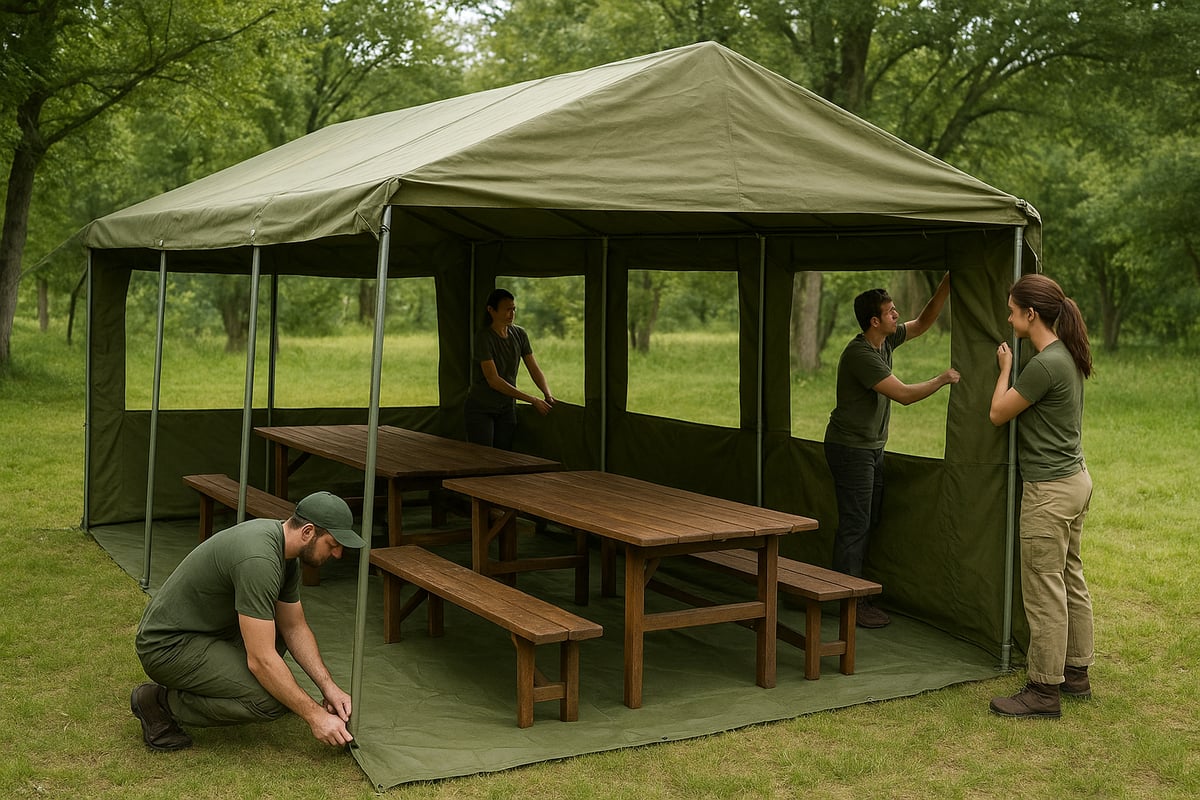
Weather resistance is non-negotiable for dining shelters. Look for UV protection, waterproof fabrics, and robust wind resistance to shield your group from the elements. Adjustable side panels allow you to adapt to changing conditions, while dedicated ventilation options, such as mesh windows or roll-up canvas sides, help maintain airflow and reduce condensation.
For those seeking top performance, canvas shelters with roll-up sides are a popular choice, offering dependable protection and breathability. For further insights on top waterproof options, explore these waterproof camping shelter picks. Prioritise weatherproofing to ensure your dining shelters remain comfortable in all seasons.
Size, Capacity, and Layout
Choosing the appropriate size for your dining shelters depends on your group size and intended use. Standard sizes such as 14 x 14 feet typically accommodate 12 to 16 people comfortably, providing ample space for tables, benches, and walkways.
Consider how you plan to arrange dining areas, cooking zones, and storage within the shelter. Flexible layouts let you adapt to different events, whether it is a family meal, scout camp, or corporate function. Always allow for movement and accessibility, maximising comfort throughout your dining shelters.
Material Quality and Durability
Material selection plays a critical role in the longevity of dining shelters. Canvas and polycotton fabrics offer breathability and insulation, while synthetic options provide lightweight convenience and fast drying.
Frame materials also matter. Metal frames deliver strength and stability, ideal for frequent or long-term use. Fibreglass and plastic frames can reduce weight but may sacrifice some durability. Assess maintenance needs and choose dining shelters with quality craftsmanship to ensure years of reliable service.
Portability and Ease of Setup
Portability is essential for many users of dining shelters, especially for events or camping. Evaluate the packed size and weight, ensuring transport fits your vehicle and manpower. Quick setup designs save time and reduce stress, with some packages including pegs, poles, and mallets for convenience.
Lightweight shelters are ideal for families and festival-goers, while sturdier, heavier models suit larger groups or permanent installations. Always test the setup process before your event to guarantee smooth assembly of your dining shelters.
Accessories and Add-ons
The versatility of dining shelters increases with thoughtful accessories. Consider sidewalls or windows for privacy and weather control. Ground sheets help keep interiors clean and dry, while insect screens protect against pests.
Many dining shelters are compatible with stoves, heaters, and lighting, enhancing comfort and usability. Look for shelters that offer replacement parts and repair kits, ensuring longevity and continued performance across multiple seasons.
Safety and Compliance
Safety is paramount when choosing dining shelters, especially for public or commercial use. Ensure your shelter meets fire retardancy standards and can withstand strong winds with secure anchoring systems. Stability features, such as reinforced guy lines and weighted bases, provide peace of mind.
Accessibility should not be an afterthought. Opt for designs that accommodate users with mobility needs, ensuring everyone can enjoy the comfort and protection of your dining shelters. Always verify product certifications before purchase.
Sizing and Capacity: How to Choose the Right Shelter for Your Needs
Selecting the right size for dining shelters is crucial to ensure everyone enjoys a comfortable and functional space. Whether you are planning a family picnic, a scout camp, or a corporate event, matching the shelter’s capacity to your needs will enhance the overall experience.
Assessing Group Size and Usage
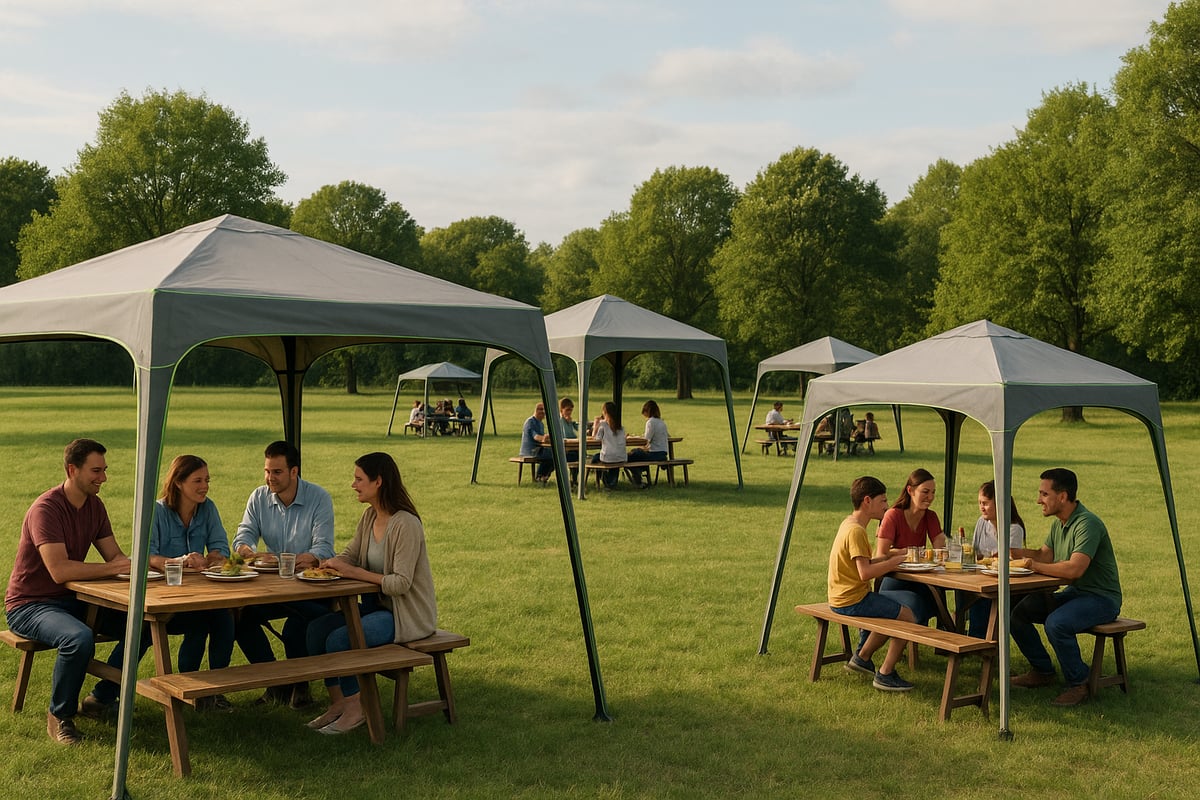
When choosing dining shelters, start by estimating the number of people you need to accommodate. Calculate space per person, allowing at least 1.2 to 1.5 square metres per diner for seated meals and additional room for serving stations or storage.
Consider the type of use:
- Family outings usually require smaller shelters, ideal for 4-8 people.
- Scout or cadet groups may need larger models for 12-16 people.
- Commercial or event usage could demand multiple connected shelters for flexibility.
If you plan to cook or serve food within your shelter, ensure you allow space for equipment and safe walkways. For more ideas, see these Easy outdoor cooking solutions that pair well with group dining shelters.
Common Shelter Sizes and Their Applications
Dining shelters are available in several standard sizes, each suited to different needs. Here’s a quick comparison:
| Shelter Size | Typical Capacity | Ideal Use Cases |
|---|---|---|
| 3m x 3m | 6-8 people | Family meals, small groups |
| 4m x 4m | 8-12 people | Medium groups, day events |
| 14’ x 14’ | 12-16 people | Large groups, scouting, festivals |
| 5m x 4.4m | 18-20 people | Commercial, schools, events |
For most group dining scenarios, 14’ x 14’ dining shelters remain a popular choice, comfortably seating 12-16 people with space for serving and socialising.
Layout Planning and Seating Arrangements
Efficient layouts make the most of dining shelters. Use rectangular or round tables to suit your group and event type. Benches and folding chairs offer flexible seating, while leaving space for movement is essential for safety and comfort.
Tips for maximising shelter space:
- Arrange tables parallel to the longest side of the shelter.
- Leave at least 90cm walkways between tables.
- Position serving or cooking areas at one end to streamline traffic.
Thoughtful planning ensures dining shelters feel spacious and welcoming, even for larger groups.
Future-Proofing: Scalability and Expansion
As your needs grow, modular dining shelters offer valuable flexibility. Opt for shelters that can be linked or extended, letting you adapt to changing group sizes or event formats.
Consider these future-proofing strategies:
- Choose shelters with modular panels or extension kits.
- Plan layouts that allow for additional shelters to be added side by side.
- Anticipate changes in group size, so your dining shelters continue to meet your needs for years to come.
Investing in scalable solutions helps ensure your outdoor dining space remains practical and adaptable.
Materials and Durability: Ensuring Long-Lasting Shelter
Choosing the right materials is crucial for dining shelters that stand the test of time. The fabric, frame, and craftsmanship all work together to provide comfort, safety, and longevity. Let us explore how different materials contribute to durable dining shelters and what you should look for when making your selection.
Canvas and Polycotton Shelters
Canvas and polycotton dining shelters are favoured for their breathability, insulation, and timeless appearance. These fabrics help regulate temperature, making them comfortable for year-round use. High-grade canvas, such as 400GSM, offers robust protection from the elements and resists wear over time.
Maintenance is straightforward. Regular cleaning and periodic waterproofing extend the life of canvas dining shelters. Repairs are manageable with patch kits or professional services. Eco-conscious buyers will appreciate that modern canvas options often use recycled or sustainable fibres. For more on sustainable outdoor materials, see Outdoor Kitchen Trends for 2026.
A well-maintained canvas shelter can last over a decade, making it a smart investment for frequent outdoor dining.
Metal and Polycarbonate Structures
Metal and polycarbonate dining shelters are ideal for those seeking longevity with minimal upkeep. Metal frames, often galvanised steel or aluminium, provide exceptional strength and stability. Polycarbonate roofing is highly resistant to UV rays, impacts, and weather extremes, ensuring reliable protection in any season.
These structures suit settings like schools, businesses, and permanent installations, where durability and safety are paramount. Unlike fabric shelters, metal and polycarbonate models require little maintenance beyond occasional cleaning.
A modern polycarbonate-roofed shelter can withstand years of use without significant wear, making it a practical choice for high-traffic or commercial environments.
Evaluating Build Quality and Craftsmanship
Quality craftsmanship is vital for dining shelters that endure frequent use. Look for reinforced stitching on fabric seams, heavy-duty poles, and reliable fasteners. Branded products often guarantee consistent quality and support, while generic versions may lack robust construction.
Inspect the shelter for features like double-stitched seams and powder-coated frames, which enhance both strength and longevity. A well-built dining shelter, whether canvas or metal, can remain structurally sound and attractive for many years.
Longevity data shows that shelters with premium craftsmanship can last a decade or longer, offering excellent value for money.
Maintenance and Care Tips
Proper care is essential for preserving the durability of dining shelters. Clean canvas or polycotton with mild soap and a soft brush, ensuring it dries completely before storage. Metal and polycarbonate shelters need only occasional washing to remove dirt and debris.
Store your shelter in a cool, dry place during the off-season to prevent mould, mildew, and material degradation. Keep repair kits and spare parts handy for quick fixes.
With regular maintenance, your dining shelter will provide reliable protection and comfort, season after season.
Practical Considerations: Setup, Accessories, and Usage Tips
Getting the most from dining shelters depends on smart setup, the right accessories, and regular care. Whether you're planning a family picnic, a school event, or a multi-day camp, these practical tips will help you enjoy your shelter for years to come.
Step-by-Step Setup Guide
Proper assembly ensures your dining shelters stay safe and comfortable. Begin by choosing a flat, well-drained site. Unpack all components and check for missing parts before you start.
- Lay out the groundsheet to define your space.
- Assemble the frame, connecting poles securely.
- Attach the shelter fabric, ensuring tension is even.
- Secure the structure using pegs and guy lines.
- Add side panels or accessories as needed.
Before use, perform a final inspection for stability and adjust anchors if conditions are windy. For larger dining shelters, enlist help to speed up setup and prevent accidental damage. Always follow manufacturer instructions for best results.
Essential Accessories for Dining Shelters
Accessories can transform dining shelters into highly functional spaces. Consider adding these essentials:
- Ground sheets for comfort and cleanliness
- Mallets and extra pegs for secure anchoring
- Replacement poles and repair kits
- Benches, tables, and stackable chairs
- Storage bins for food and equipment
Cooking gear compatible with dining shelters, such as camping stoves or portable BBQs, enhances versatility. Insect screens and lighting are also valuable for evening events. Tailor your accessories to your specific activities and group size for maximum benefit.
Weatherproofing and Seasonal Use
Effective weatherproofing ensures dining shelters perform well year-round. Waterproof fabrics and UV-resistant coatings are vital for protection. Use side panels and awnings to shield against wind and rain, and ensure ventilation is maintained to prevent condensation.
For summer, roll-up sides provide airflow and keep interiors cool. In colder months, consider portable heaters and insulated ground sheets. Staying adaptable with your shelter setup helps you embrace seasonal trends like outdoor feasts and fresh, local menus, as highlighted in the Top 9 Dining Trends for 2026.
Storage, Transport, and Long-Term Care
Proper storage extends the life of dining shelters. Clean all surfaces before packing down, removing dirt and moisture to prevent mould. Dry the shelter thoroughly in a shaded area before folding.
- Store in a cool, dry place during the off-season
- Use bags or boxes to keep parts organised
- Inspect for damage before and after each use
- Replace worn ropes or poles promptly
Transport options vary, with compact shelters fitting in car boots and larger models best moved in trailers or vans. Regular maintenance ensures your dining shelters remain ready for any outdoor occasion.
Dining Shelter Trends and Innovations for 2026
Outdoor living is evolving quickly, and so are dining shelters. As we move towards 2026, new trends are shaping the way we dine outside, blending sustainability, versatility, technology, and design. Understanding these innovations ensures your dining shelters remain both practical and stylish for years to come.
Sustainable and Eco-Friendly Materials
One of the most significant trends in dining shelters for 2026 is the shift towards sustainable materials and environmentally conscious design. Manufacturers are prioritising recycled fabrics, biodegradable coatings, and responsibly sourced frames. This not only reduces environmental impact but also appeals to eco-minded consumers and organisations.
Eco-friendly dining shelters are now available in a range of styles, from classic canvas to modern polycarbonate. Many brands are introducing product lines that meet strict sustainability criteria, ensuring your outdoor space aligns with green values. This focus on responsible materials reflects a broader movement towards low-impact solutions in outdoor living.
Modular and Multi-Use Designs
Flexibility is at the heart of modern dining shelters. Modular designs are gaining popularity, allowing users to expand or reconfigure their shelter as needs change. Whether hosting a family meal or a large event, modular shelters can be connected or extended, offering unmatched versatility.
Multi-use features are also on the rise. Dining shelters are now designed to serve multiple purposes, such as event hosting, outdoor classrooms, or storage spaces. This adaptability means you can maximise your investment, using the same shelter for a variety of functions throughout the year. As a result, dining shelters are becoming essential for organisations seeking value and flexibility.
Integrated Technology and Comfort Features
Dining shelters in 2026 are embracing technology to enhance comfort and functionality. Integrated LED lighting, solar panels, and USB charging ports are becoming standard features, supporting outdoor activities at any time of day. Smart weather sensors and remote monitoring systems allow users to track conditions and adjust shelter settings for optimal protection.
Heating and cooling options are also being incorporated, making dining shelters suitable for year-round use. These technological advancements ensure that outdoor dining remains comfortable, regardless of the season. By choosing shelters with these features, you can create an environment that is both practical and inviting.
Design and Aesthetic Innovations
Visual appeal is more important than ever for dining shelters. Customisable colours, branding options, and unique shapes are setting new standards in outdoor design. Many businesses and schools are selecting shelters that blend seamlessly with their surroundings or reflect their organisational identity.
There is a growing demand for shelters that echo broader design trends, such as the resurgence of dedicated dining spaces and multifunctional layouts, as highlighted in Dining Room Trends for 2026. This focus on aesthetics ensures that dining shelters not only provide shelter but also enhance the overall look and feel of any outdoor space.